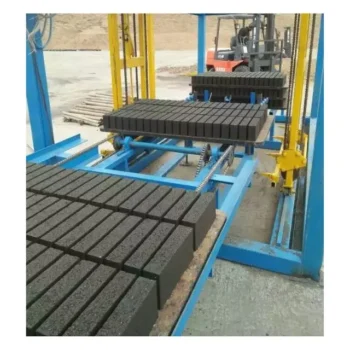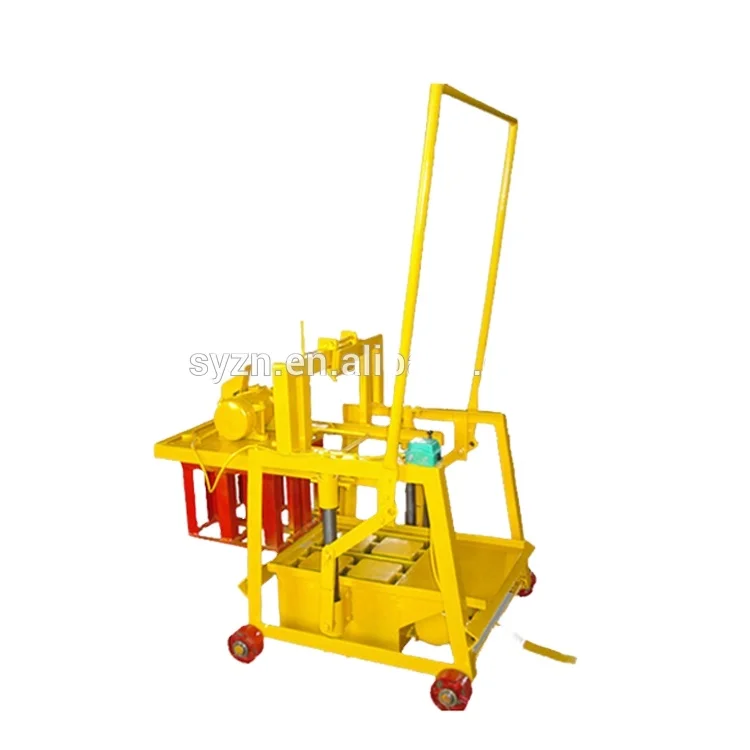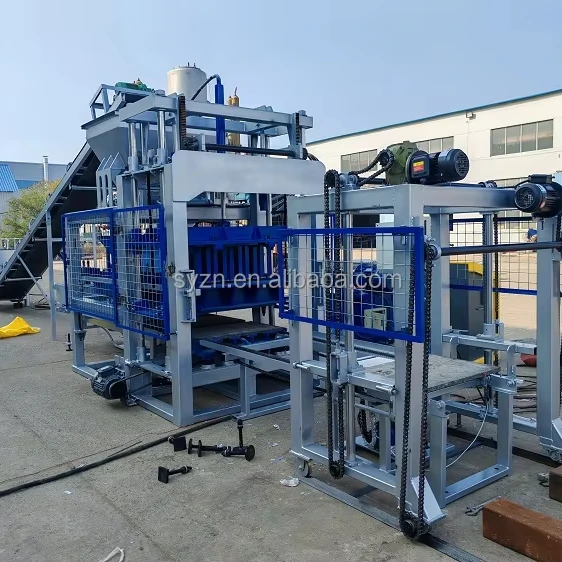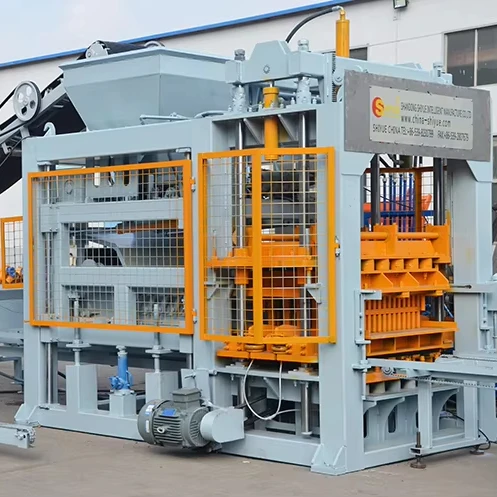
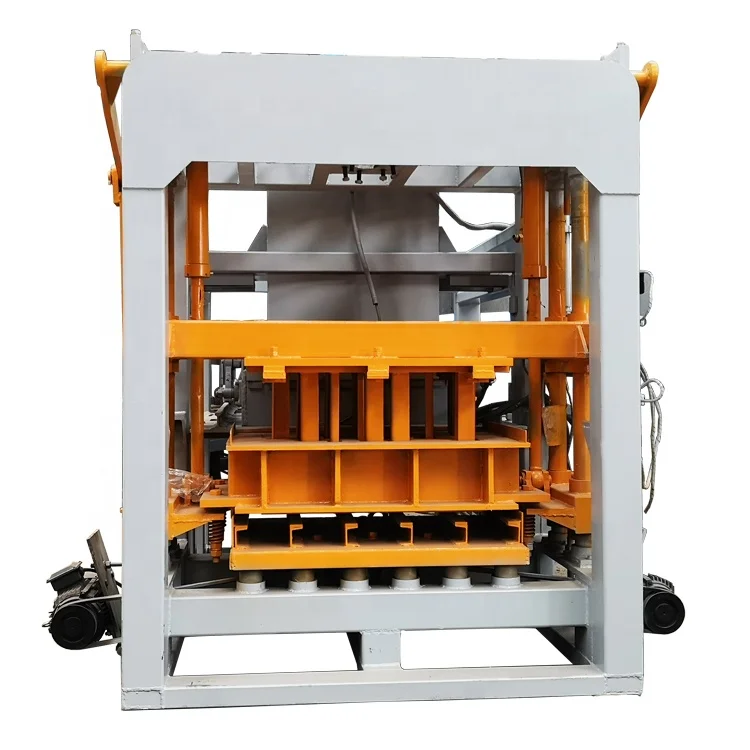
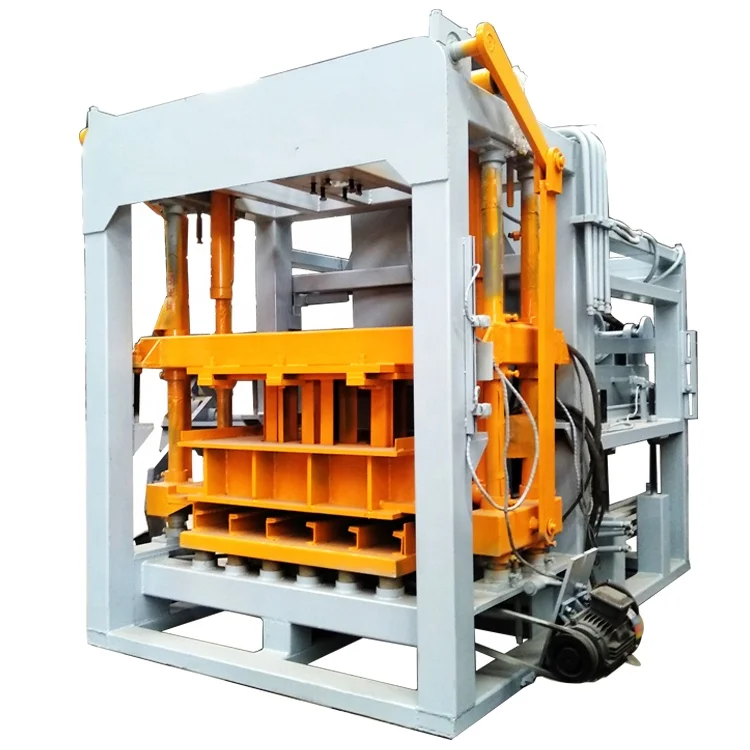

Description
Stocked Configuration — the QT4-20 semi-automatic block machine ships from our Linyi warehouse with standard moulds and a confirmed loading plan, so project timelines stay intact from order to arrival.
Technical Specifications
| Parameter | Value |
|---|---|
| Model | QT4-20 |
| Product Type | Semi-Automatic Concrete Block Making Machine |
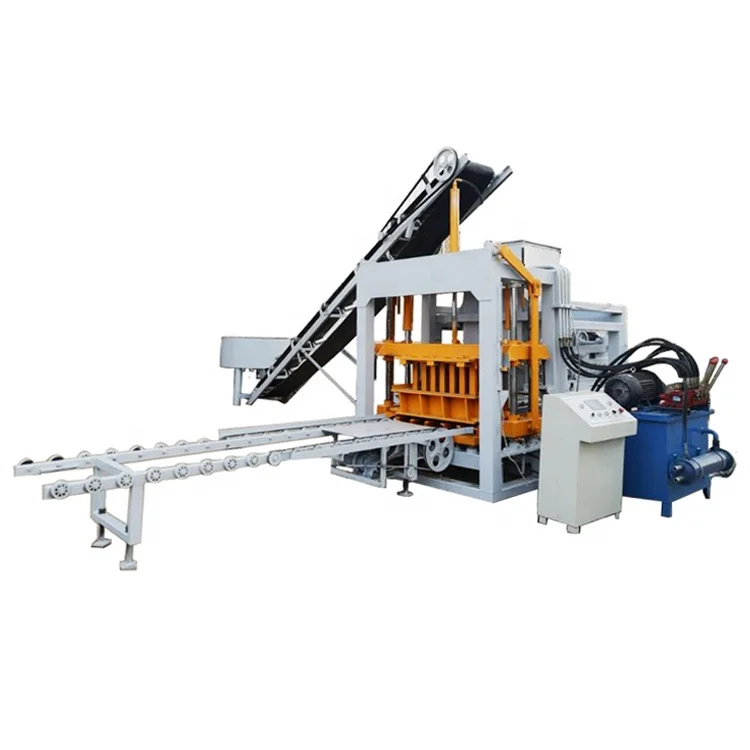
| Overall Dimensions (L×W×H) | 7100×1600×2610 mm |
| Rated Pressure | 16–21 MPa |
| Main Vibration Form | Platform Vibration |
| Vibration Frequency | 4600 r/min |
| Pallet Size | 950×500 mm |
| Molding Cycle | 15–25 s (basis not stated in source — confirm block format / material / thickness) |
| Overall Power | 27.5 kW |
| Hydraulic System | Driven by hydraulic system with non-contact proximity switch monitoring |
| Block Compressive Strength | ≥15 MPa |
| Automation Level | Semi-automatic |
| Assembly State | Fixed installation (non-mobile) |
| Container Loading | 40ft high cube container required |
| Warranty | 1 year (excluding spare parts) |
| Voltage & Frequency | To be confirmed with buyer’s local grid |
| Control System / PLC Brand | To be confirmed with manufacturer |
| Language Options | To be confirmed with manufacturer |
Application Suitability
| Application | Material or Output |
|---|---|
| Hollow block production for building walls | Sand, cement, fly ash, slag, gangue |
| Paving block production for walkways and yards | Crushed stone, cement, sand blends |
| Solid brick production for masonry infill | Cement, industrial waste residue |
| Grass growing block for landscaping projects | Porous aggregate and cement mix |
| Curbstone production for road edges | Dense aggregate, cement, sand |
What Dispatch Timing Really Means for Your Project Schedule
A QT4-20 block machine in stock only matters if voltage, mould selection, and container loading are confirmed before it leaves the factory floor.
I once watched a Nigerian contractor lose nearly a month on-site because the transformer had to be sourced locally after arrival — the machine was built for 380V while the site ran on 415V three-phase. The QT4-20 fast delivery concrete block making machine avoids that stall when voltage and frequency are locked in during the order stage, not after the container is sealed [NEED_CITE: voltage and frequency standards by export market]. Buyers working against a construction deadline cannot afford to discover electrical mismatches at the port of entry.
Stock Availability and Dispatch Lead Time
The QT4-20 block machine in stock status is checked against the current production schedule at the point of inquiry. Once the order is confirmed and the buyer’s grid specifications are documented, the machine is prepared for dismantling and container loading. A fast delivery concrete block making machine only delivers on its promise when every pre-shipment step — electrical verification, mould fitting, hydraulic test — is completed before the packing photographs are taken.
Container Loading and Arrival Planning
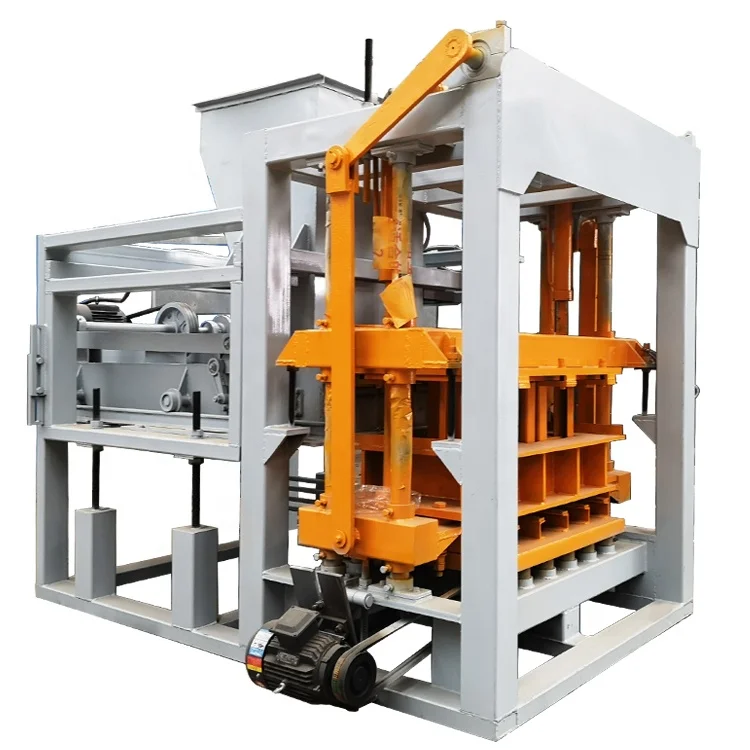
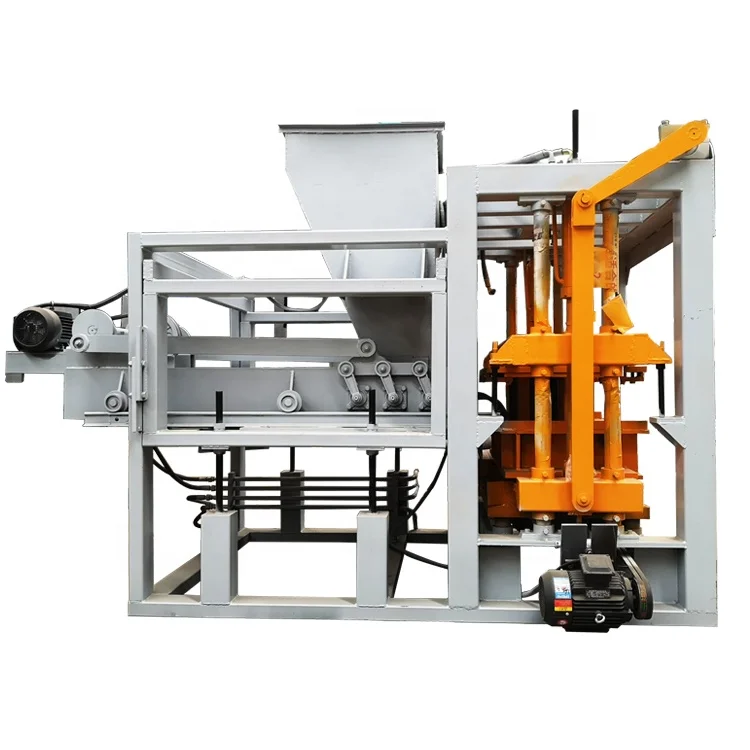
The QT4-20 requires a 40ft high cube container. The press body, hydraulic station, and pallet feeder are dismantled and secured with steel fixings to prevent movement during ocean transit. We provide the container loading plan and packing photographs before the container is sealed, so the buyer knows exactly how the machine will arrive and what reassembly sequence to follow on-site [NEED_CITE: container loading standards for heavy industrial machinery].
Reading the Capacity Figures Honestly
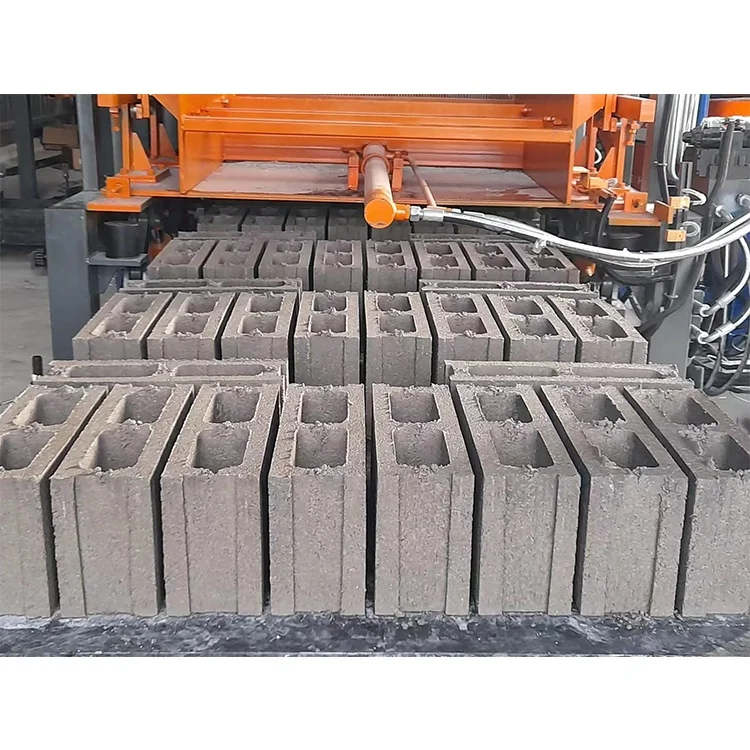
Capacity numbers only mean something when the block format and cycle time are stated alongside them. The QT4-20 produces 4 hollow blocks (400×200×200 mm) per mould with a cycle range of 20–30 seconds, yielding roughly 480–720 pieces per hour for that specific format. Switch to a 400×100×200 mm hollow block and the same machine outputs 8 per mould, reaching 960–1440 pieces per hour under the same cycle assumption. Paver blocks at 200×100×60 mm come out at 16 per mould. Every figure shifts when the format or material changes, which is why we state capacity per format rather than a single headline number.
What Happens When Pallet Size Is an Afterthought
The 950×500 mm pallet is the interface between the press and the curing area. If a buyer’s existing forklift and curing racks were designed around a different pallet dimension, every block coming off the line has to be re-stacked by hand before it enters the curing zone. That manual handling step cancels out the output advantage the QT4-20 was purchased to achieve. We confirm pallet compatibility with the buyer’s site layout before the machine ships [NEED_CITE: pallet handling standards in concrete block production].
Why Buy the QT4-20 Through This Channel
Block machinery is our single focus, which means the QT4-20 press, moulds, pallets, and handling equipment are specified as one matched system. Configuration is set against the buyer’s actual mix design and local aggregate rather than a catalogue default. Moulds are selected for the formats the buyer’s market actually sells, with custom drawings available for non-standard shapes. The automation level is selectable — start semi-automatic and plan an upgrade path later. Installation and commissioning support includes operator training on-site, so the crew is producing acceptable blocks before the engineer leaves.
Documentation & Verification
- Factory test record run on the buyer’s specified block format before dispatch
- Machine specification sheet matching the exact QT4-20 unit shipped
- Mould drawing and format list for every mould included in the shipment
- Pallet specification confirming dimensions and material grade
- Hydraulic and electrical schematic for on-site troubleshooting
- Voltage and control language confirmation document signed before production
Installation, Commissioning & Support
- Foundation must accommodate 7100×1600 mm footprint with level tolerance for the vibration platform
- Power supply must match confirmed voltage and frequency with a dedicated circuit for the 27.5 kW total load
- Machine arrives dismantled; reassembly sequence follows the packing photographs provided
- First-run commissioning includes hydraulic pressure calibration within the 16–21 MPa range
- Operator training covers mould change procedure and proximity switch monitoring basics
- Wear parts list identifies hydraulic seals and vibration components for initial spare stock
What We Need From You to Quote Accurately
Share the block formats your market demands, the daily output you need per format, and the raw materials available locally — sand type, cement grade, and any fly ash or slag sources. Confirm your site voltage, frequency, and preferred PLC display language. If you already have forklifts and curing racks, send the dimensions so we can verify pallet compatibility before the QT4-20 ships.
Frequently Asked Questions
Q: Is the QT4-20 currently in stock, and what is the dispatch lead time?
A: Stock status is confirmed at the time of inquiry against the current production schedule. Once your voltage, mould selection, and pallet requirements are finalized, the machine is prepared for container loading. We provide a dispatch date and packing photographs before the container is sealed.
Q: How is the machine packed for container shipment?
A: The QT4-20 is dismantled into major assemblies and secured with steel fixings inside a 40ft high cube container. You receive a loading plan and packing photographs so your team knows the reassembly sequence before the container arrives at your port.
Q: What voltage and frequency options are available?
A: The motor and control panel are configured to match your local grid. You must confirm voltage, phase, and frequency before production begins — this step is non-negotiable to avoid on-site delays like the ones I have seen when a mismatch is discovered after arrival.
Q: Which block formats come as standard moulds?
A: Standard moulds typically include one hollow block format and one paver format. Additional formats such as solid brick, grass growing block, or curbstone are quoted separately. Custom moulds can be produced from buyer-supplied drawings.
Q: What documentation ships with the machine?
A: Every shipment includes the factory test record, machine specification sheet, mould drawings, hydraulic and electrical schematics, and a voltage confirmation document. These support customs clearance and on-site commissioning without waiting for additional paperwork.