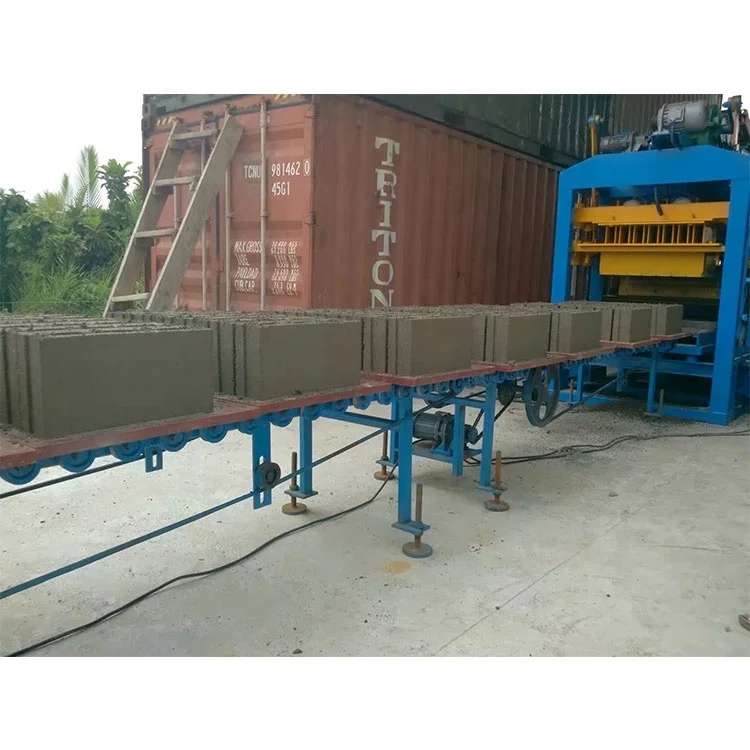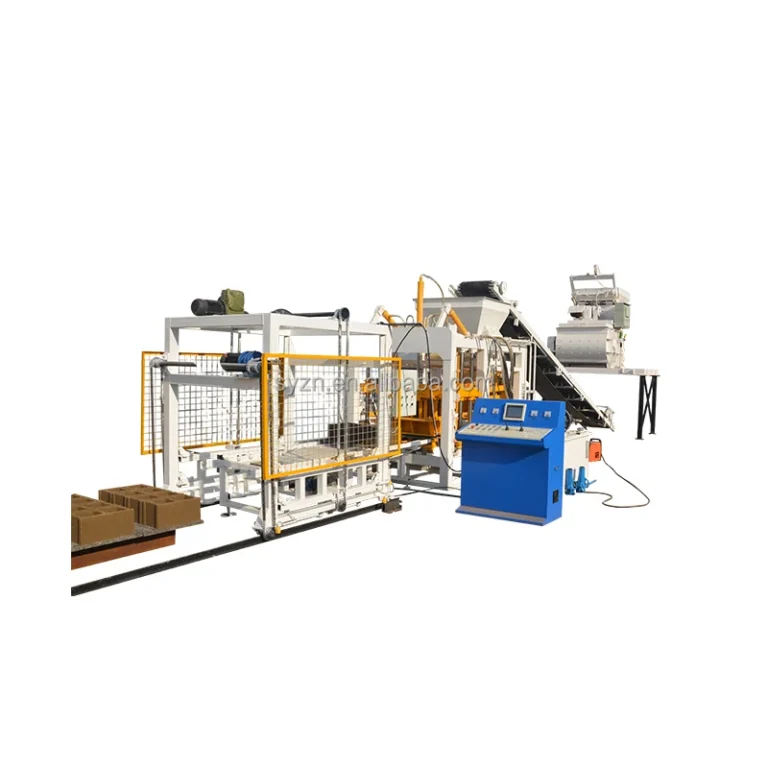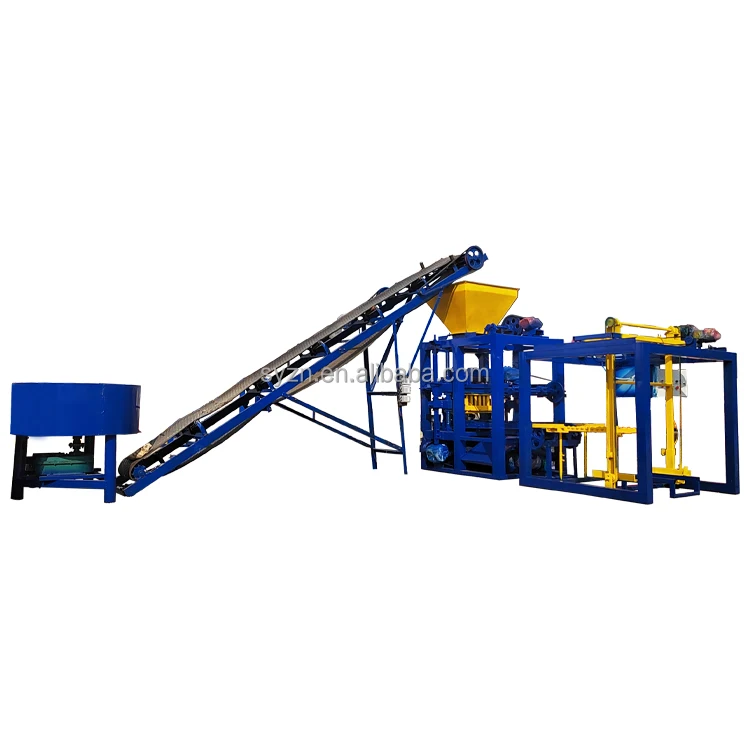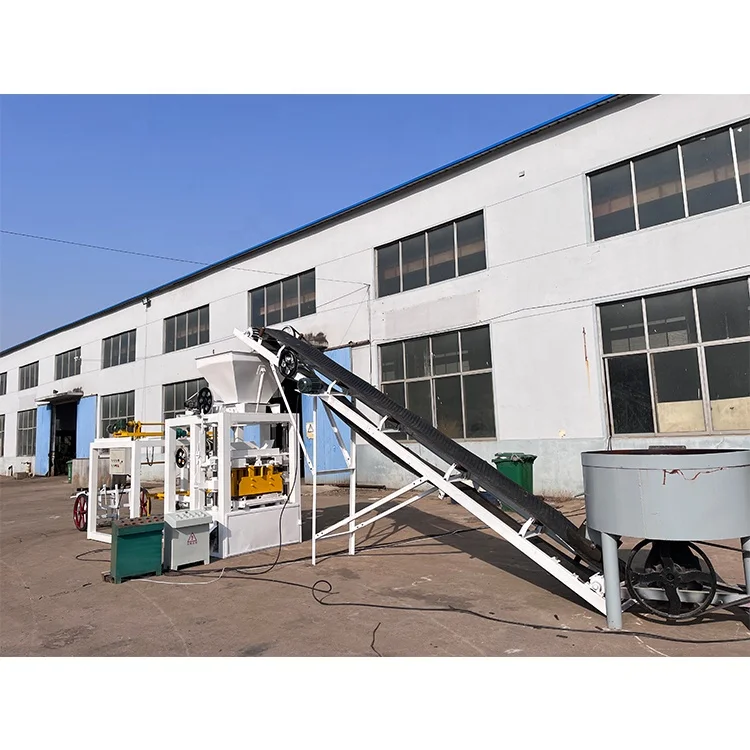
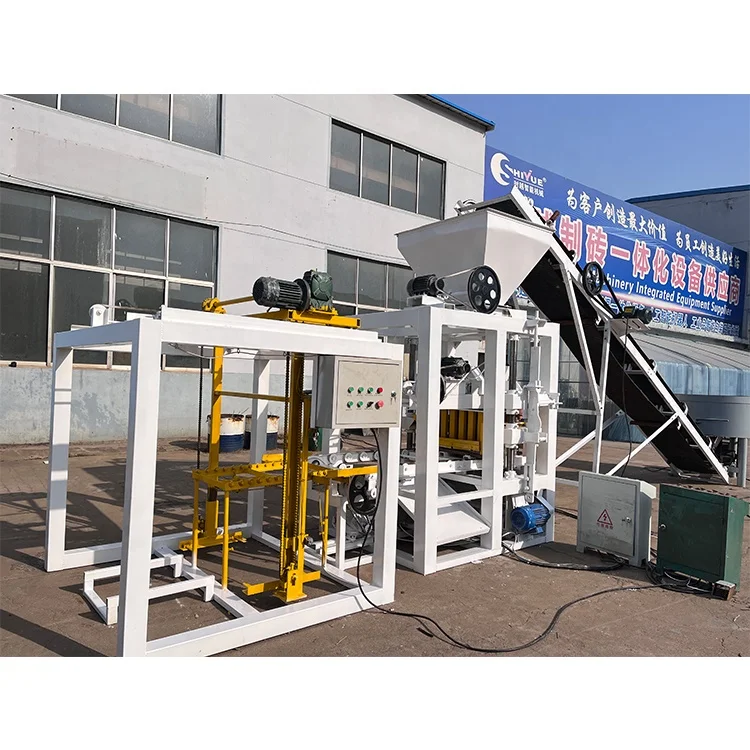
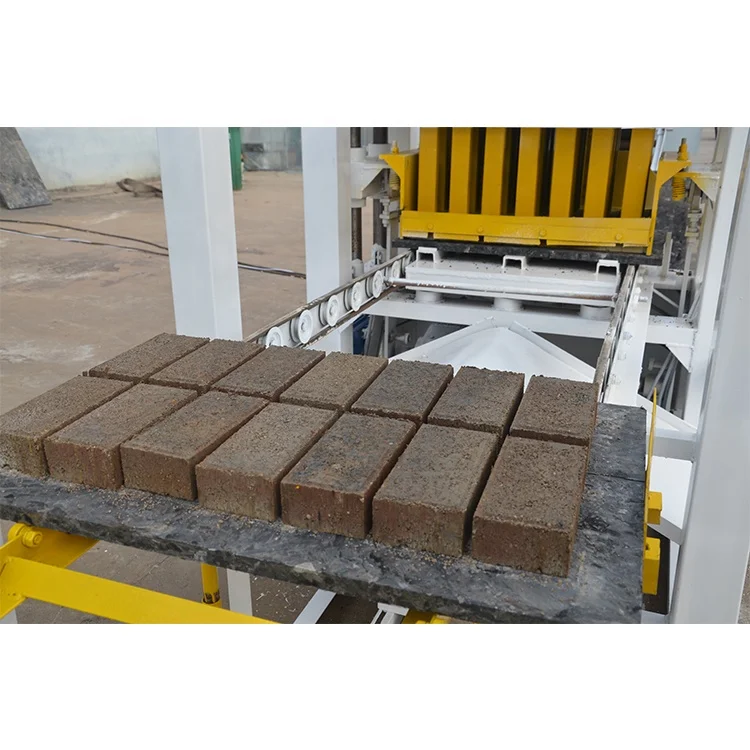
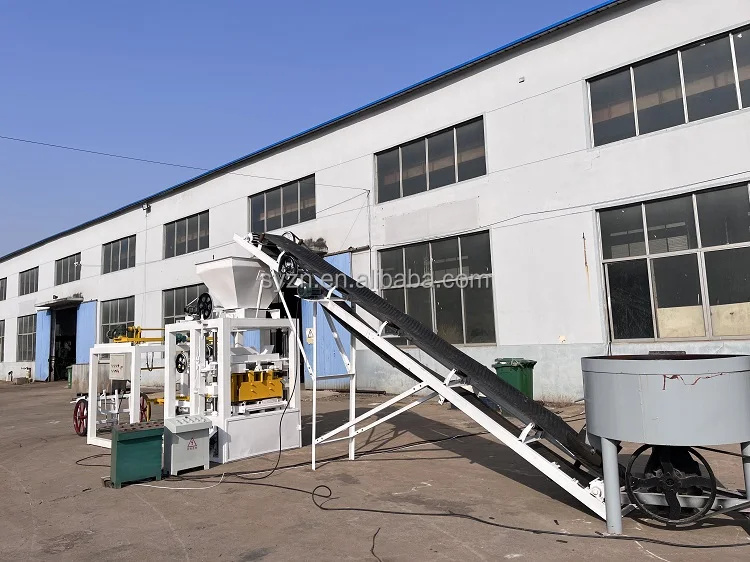


Description
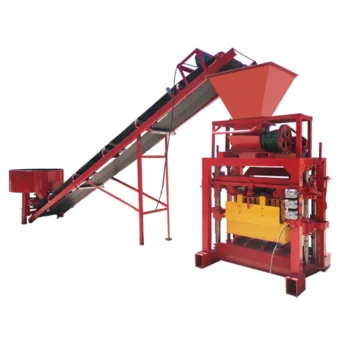
Rapid Dispatch Configuration — The QTJ4-24 block machine in stock ships with pre-matched moulds, pallets, and electrical settings confirmed before container loading, eliminating the typical multi-week delay between order and production start.
Technical Specifications
| Parameter | Value |
|---|---|
| Model | QTJ4-24 |
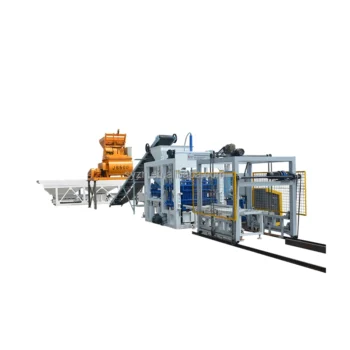
| Product Type | Semi-Automatic Concrete Block Making Machine |
| Overall Dimensions (L×W×H) | 2060×1730×2580 mm |
| Molding Cycle | 24 s |
| Vibration Frequency | 4200 r/min |
| Vibration Force | 35.5 kN |
| Total Power | 14.25 kW |
| Mixer Model | JQ350 |
| Pallet Size | 850×450×20 mm |
| Total Weight | 1800 kg |
| Automation Level | Semi-automatic |
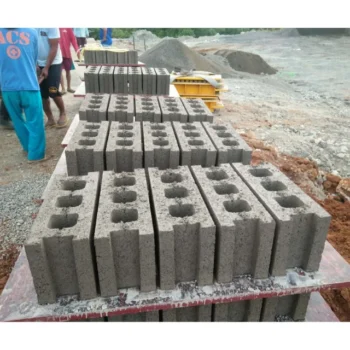
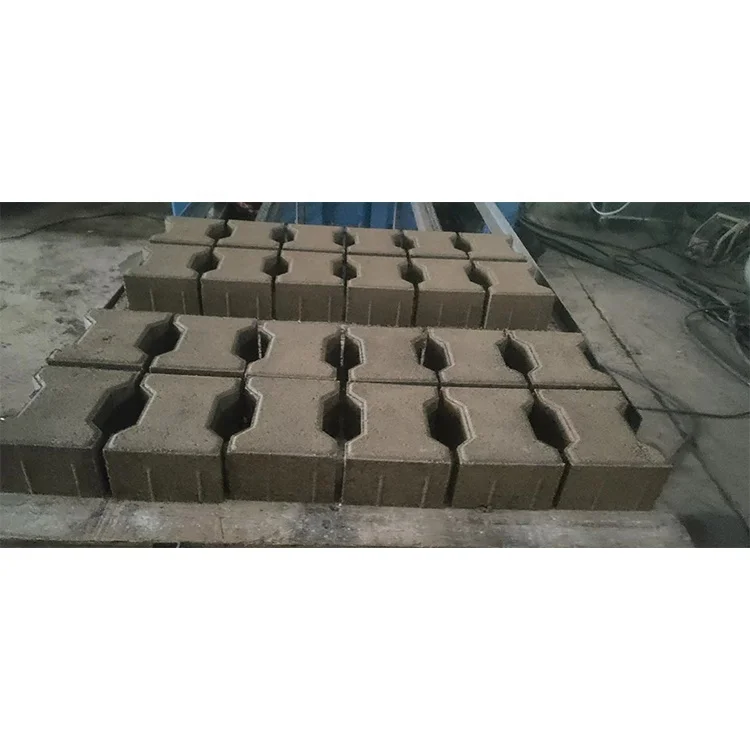
| Applied Products | Concrete hollow blocks (8 in, 6 in), solid bricks, pavers |
| Raw Materials | Crushed stone, sand, cement, dust, fly ash |
| Output Capacity (390×190×190 mm Hollow Block) | 480 pcs/h, 3800 pcs/8 hr |
| Output Capacity (400×150×200 mm Hollow Block) | 600 pcs/h, 4800 pcs/8 hr |
| Output Capacity (240×115×53 mm Solid Brick) | 2100 pcs/h, 17000 pcs/8 hr |
| Stacking Method | Manual with trolley |
| Standards | CE |
Application Suitability
| Application | Material or Output |
|---|---|
| Housing development on-site block production | 8-inch and 6-inch hollow blocks from crushed stone and cement |
| Small-scale paver manufacturing | Interlocking paving stones using sand and fly ash blends |
| Solid brick production for local masonry | Standard 240×115×53 mm bricks from local aggregate mixes |
| Contractor yard block making | Hollow blocks produced directly at the construction site |
| Building material distributor inventory replenishment | Multiple block formats on a single machine with mould changes |
Why "In Stock" Only Matters If the Voltage Matches Your Site
A stocked QTJ4-24 block machine in stock is useless if it arrives wired for 380V/50Hz and your site runs on 440V/60Hz.
I have watched containers sit at port for weeks while buyers scrambled to source step-down transformers or rewire control panels. The machine was physically available, but the electrical configuration was never confirmed before loading. Dispatch speed only counts when the machine you receive is the machine you can actually plug in and run [NEED_CITE: voltage and frequency standards by export market]. That is why every QTJ4-24 block machine in stock we hold goes through a pre-shipment electrical verification against the buyer’s confirmed site supply before it leaves the factory floor.
What Stock Really Means for Your Project Timeline
When a contractor wins a housing tender with a fixed completion date, the block supply cannot wait twelve weeks for production and ocean freight. The QTJ4-24 block machine in stock shortens that gap by eliminating the manufacturing queue. The machine is assembled, tested, and held in our Linyi yard — once your voltage, frequency, and control language are confirmed, container loading follows within days rather than months.
Container Loading and Dismantling for Shipment
The QTJ4-24 fits into a 20GP container in nude packing after partial dismantling. The mixer, pallet trolley, and mould are secured separately to prevent transit damage. We photograph every loading stage so you see exactly how the machine arrives and what needs reassembly on site. Arrival estimates are quoted at the point of order confirmation, not buried in fine print after payment [NEED_CITE: typical container transit times from Qingdao to major international ports].
Reading the Numbers That Actually Matter
The 24-second molding cycle applies across all mould formats installed on this machine, but daily output varies significantly depending on which block you are producing. At 390×190×190 mm hollow blocks, the QTJ4-24 delivers 480 pieces per hour; switching to the smaller 240×115×53 mm solid brick format raises that figure to 2100 pieces per hour because more units fit on each 850×450 mm pallet. The 35.5 kN vibration force at 4200 r/min works in combination with upper mould compression to consolidate the mix — if your local aggregate is lightweight volcanic ash rather than dense crushed stone, that vibration setting may need adjustment to avoid cracking. Total power draw at 14.25 kW means the machine can run on a standard industrial supply circuit without requiring a dedicated high-capacity transformer.
The Hidden Cost of Skipping the Pre-Shipment Check
Buyers who rush a stock machine out the door without confirming pallet size against their existing curing racks and forklifts often discover on arrival that the 850×450 mm pallets do not match their curing area layout. Pallets then have to be custom-ordered locally, and production stalls. I have also seen operators unable to read the control panel because the display language was never specified, turning commissioning into a guessing game that wastes the first week on site [NEED_CITE: common commissioning delays caused by unconfirmed control language].
Why Source This Machine From Our Stock
Block machinery is our single focus, which means the QTJ4-24 is specified as a matched system — machine, mould, pallet, and mixer — rather than assembled from separate suppliers. Configuration is set against your actual mix design and local aggregate, not pulled from a catalogue default. Standard moulds for the formats your market sells are included in the stock package. Voltage and control language are confirmed before loading, not after arrival. Factory test records travel with the machine so you can verify performance against the format you ordered.
Documentation & Verification
- Factory test record on your specified block format before dispatch
- Voltage and frequency confirmation sheet matching your site supply
- CE declaration included for customs clearance at destination port
- Packing photographs documenting container loading stage by stage
- Operation manual with control language matching your operator requirement
Installation, Commissioning & Support
- 2060×1730 mm footprint requires a level concrete pad with no special foundation works
- 14.25 kW total power draw suits a standard three-phase industrial supply circuit
- Partial dismantling for 20GP loading means on-site reassembly with basic hand tools
- First-run parameter setting for vibration force and cycle time based on your mix sample
- Manual pallet trolley operation training included during commissioning visit
- Wear parts list provided covering vibration springs, mould liners, and hydraulic seals
Before You Request a Quote
Tell us the block format your market actually sells — dimension, weight, and whether it is hollow, solid, or a paver. Share your local aggregate type so we can match vibration settings before the machine ships. Confirm your site voltage, phase, and frequency so the electrical panel is built correctly the first time.
Frequently Asked Questions
Q: What is the current dispatch lead time for the QTJ4-24 block machine in stock?
A: Machines held in our Linyi yard are ready for container loading once your electrical and control specifications are confirmed. This verification step typically takes a few days. After confirmation, the machine is dismantled, packed, and loaded into a 20GP container for immediate dispatch to the port of export.
Q: Which standard moulds and pallets are included in the stock package?
A: The stock QTJ4-24 package includes moulds for common hollow block formats such as 390×190×190 mm and 400×150×200 mm, plus the 240×115×53 mm solid brick mould. Pallets sized at 850×450×20 mm are supplied in a starter quantity. Additional moulds for pavers or custom formats can be added to the order.
Q: How is the machine dismantled and loaded for container shipment?
A: The QTJ4-24 is partially dismantled — the mixer, pallet trolley, and mould assembly are separated from the main frame and secured individually inside a 20GP container in nude packing. Loading photographs are provided so your team knows exactly what to expect on arrival and how to sequence the reassembly.
Q: Can voltage and control language be confirmed before the machine leaves the factory?
A: Yes, this is a mandatory step before any stock machine ships. We require written confirmation of your site voltage, phase, and frequency, plus the preferred control panel display language. The electrical panel is then verified against these specifications and tested before container loading.
Q: What is the estimated arrival time for major international ports?
A: Transit time depends on the destination port and current shipping schedules from Qingdao. We provide an arrival estimate at the point of order confirmation based on the next available sailing. This allows you to plan site preparation, pallet storage, and raw material delivery around a known timeline.