
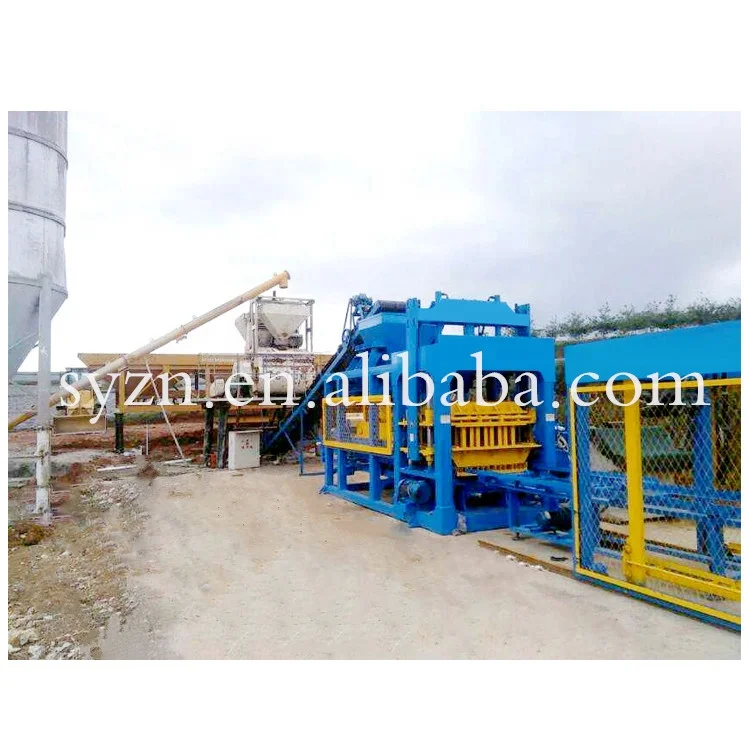
Description
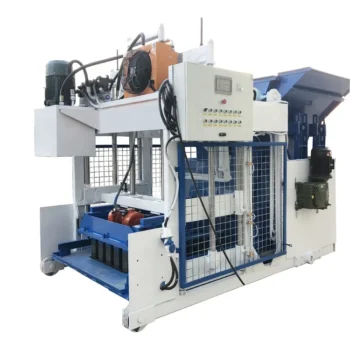
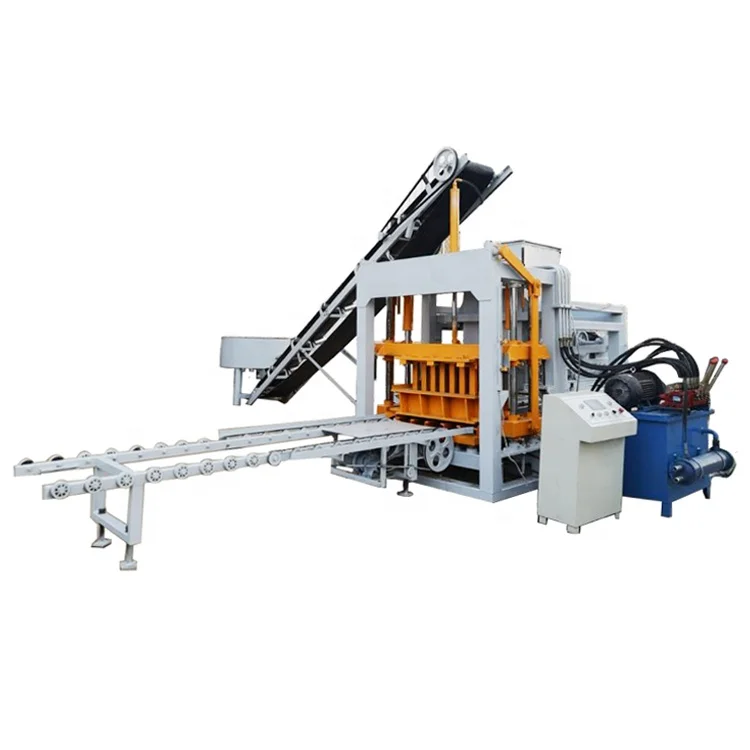
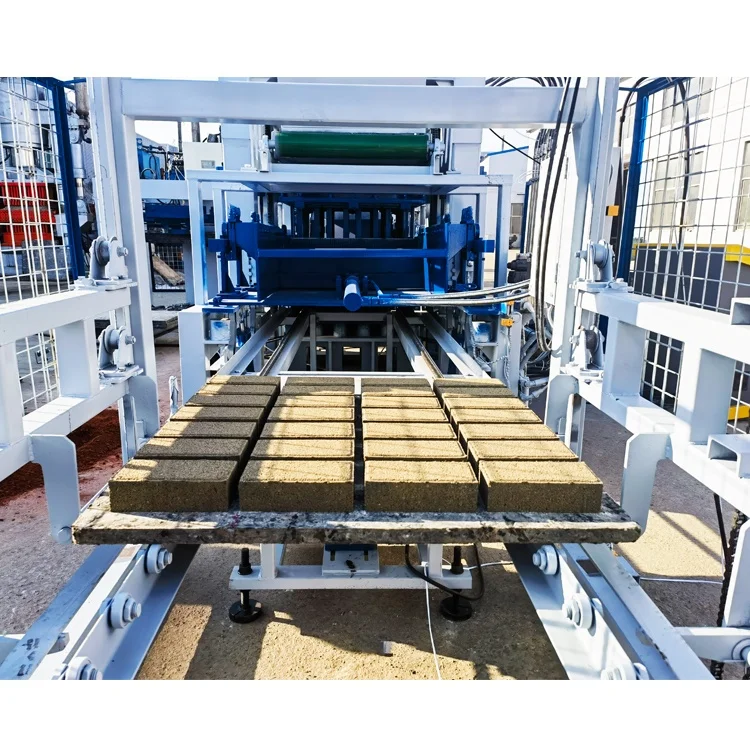
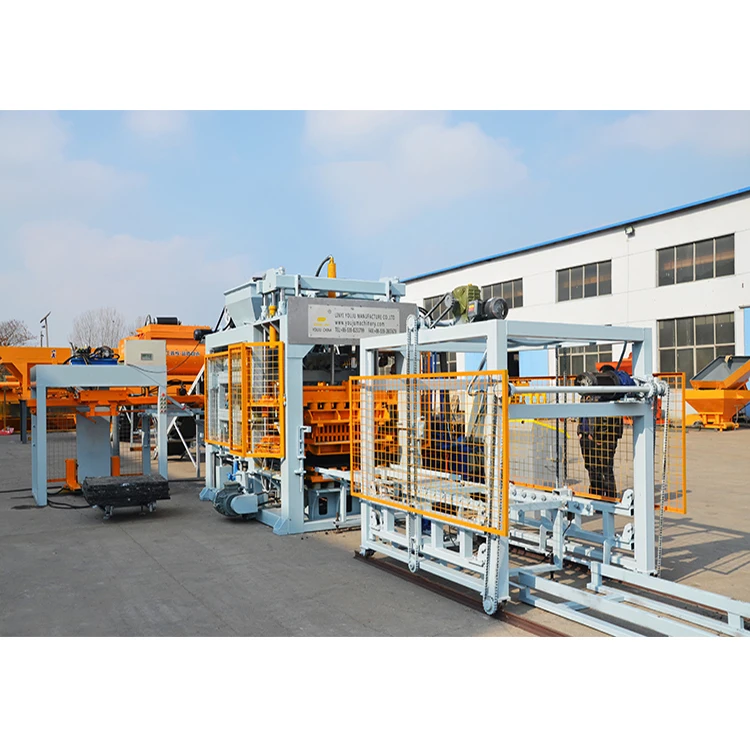
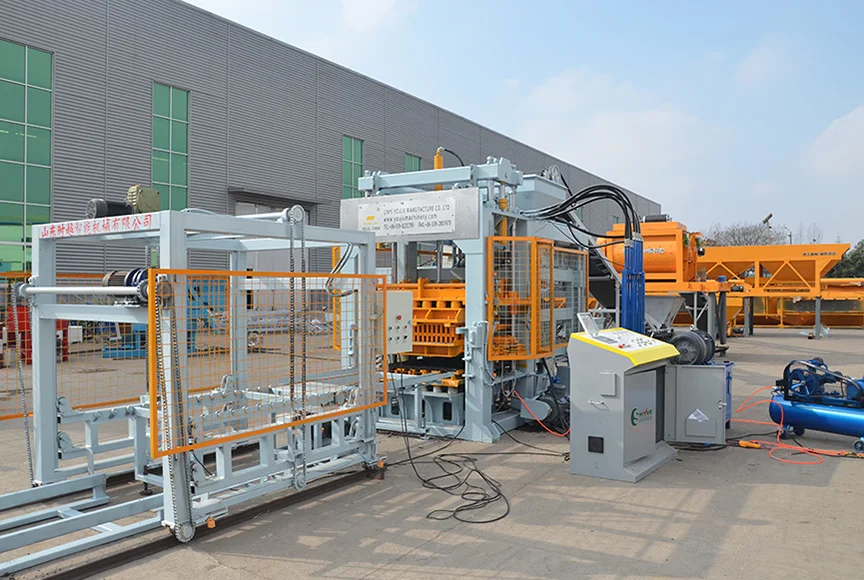
QT8-15 Block Making Machine for Concrete Paver – In Stock
Stocked QT8-15 readiness — Every unit undergoes pallet-size and voltage confirmation against the buyer’s destination setup before container loading, drawn from years of dispatch coordination across varied project timelines.
Technical Specifications
| Parameter | Value |
|---|---|
| Model | QT8-15 |
| Product Type | Automatic Hydraulic Concrete Block Making Machine |
| Overall Dimensions (L×W×H) | 8300×1860×3000 mm |
| Vibration Force | 55 kN |
| Rated Power | 37.2 kW |
| Mixer | JS750 |
| Pallet Size | 1020×900 mm |
| Net Weight | 8 T |
| Automation Level | Automatic |
| Control System | PLC control system |
| Hydraulic Station | Included |
| Molding Cycle | 15-20s (basis not stated in source — confirm block format / material / thickness) |
Application Suitability
| Application | Material or Output |
|---|---|
| Concrete paver production | Crushed stones, sand, cement, fly ash blends |
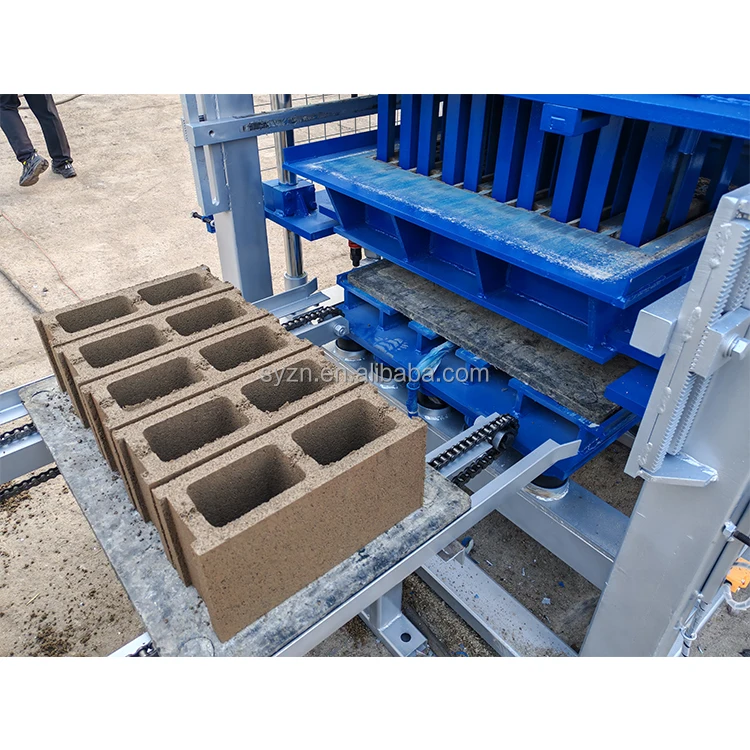
| Hollow block manufacturing | Cement, dust, aggregate mixes for cavity formats |
| Solid block production | Standard concrete mixes with local sand and stone |
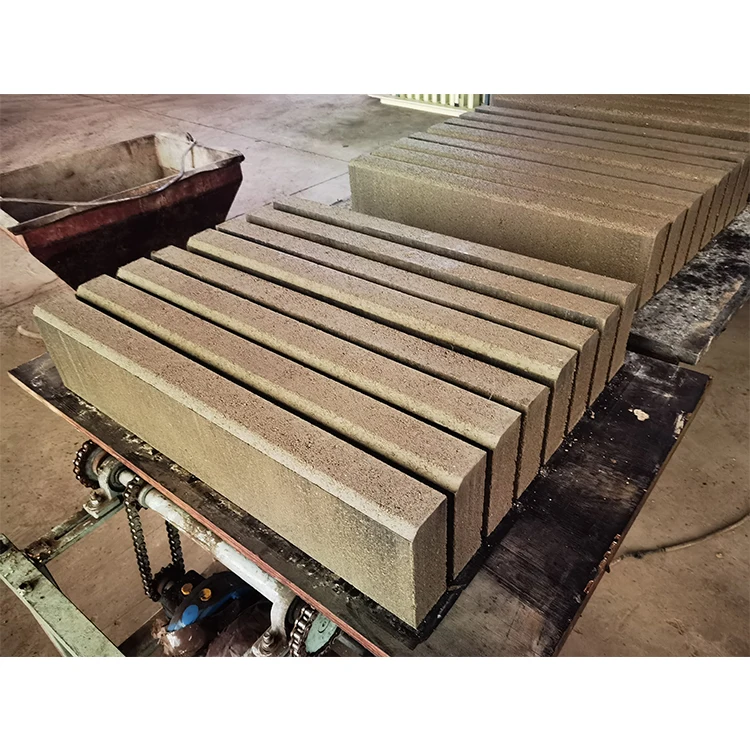
| Curbstone forming | Dense concrete mixes requiring high vibration compaction |
Why Dispatch Timing Matters More Than Catalog Promises
When a construction project has a fixed completion date, waiting weeks for a machine to be built from scratch is not an option. A QT8-15 block making machine in stock means the press, hydraulic station, and standard moulds can be loaded into a container within days, not months.
I have watched project schedules collapse because a machine was still in production while the curing area sat empty and contractors stood idle. The gap between "available to order" and "ready to load" is where timelines break. Having the QT8-15 block making machine in stock with matching moulds already on the shelf removes that gap entirely [NEED_CITE: typical lead time differences between stocked and custom-built block machinery].
What Stock Availability Actually Means for Your Schedule
When we say a QT8-15 block making machine in stock is ready, that includes the hydraulic station, PLC control unit, pallet feeder, material feeder, block conveyor, and block sweeper. These are not separate line items waiting on different production queues. They are assembled, tested, and sitting in the yard. Standard moulds for pavers, hollow blocks, solid blocks, and curbstones ship in the same container. Fast delivery is not just about the press leaving the factory — it is about the complete line arriving together so commissioning can begin the day the container opens.
How Container Loading Is Planned Before You Pay
The QT8-15 measures 8300×1860×3000 mm and weighs 8 T. It does not fit into a standard container as a single assembled unit. The machine is dismantled into major sub-assemblies — the main frame, hydraulic station, PLC cabinet, and feeder sections — each secured with blocking and bracing rated for ocean freight. A loading plan is prepared showing exactly how the press, moulds, and pallets are positioned inside the container. This plan is shared with the buyer before dispatch so there are no surprises at the destination port [NEED_CITE: standard container loading practices for heavy block machinery].
Reading the Specs That Affect Your Daily Operation
The 55 kN vibration force works together with the hydraulic station to compact the concrete mix inside the mould cavity. For paver production, this combination determines surface density and edge definition. For hollow blocks, it governs wall strength and weight consistency across every cycle. The JS750 mixer feeds material at a rate that must keep pace with the press cycle — if the mixer falls behind, the press waits and daily output drops regardless of how fast the machine itself can cycle.
The 1020×900 mm pallet size is not arbitrary. It must match the curing racks already installed at your plant and the forklift tine spacing used to move stacked blocks to the yard. The 37.2 kW rated power means a dedicated circuit with appropriate breaker rating is required; running this machine on a shared supply risks tripping under vibration motor startup load.
The Hidden Cost of Skipping Pallet and Voltage Checks
I once coordinated a shipment to a project site where the pallets specified did not match the buyer’s existing forklift. The machine arrived on schedule, but unloading and moving pallets to the curing area took an extra week of improvised handling. The project deadline did not move. That single oversight — failing to confirm pallet dimensions against the buyer’s on-site equipment — cancelled out every day saved by fast dispatch [NEED_CITE: common commissioning delays caused by pallet and forklift mismatch].
Voltage and frequency carry the same risk. A PLC configured for one electrical standard will not communicate correctly on a different supply, and rewiring a control cabinet on-site adds days and introduces fault points that factory wiring would not have.
What Distinguishes a Stocked Dispatch from a Standard Order
The QT8-15 ships as one matched system — press, moulds, pallets, feeder, conveyor, and sweeper — specified together rather than assembled from separate suppliers arriving at different times. Voltage, frequency, and PLC display language are confirmed against the buyer’s destination before the machine leaves the factory, not discovered at commissioning. Standard moulds for the formats the buyer’s market actually sells are loaded alongside the press. Packing photographs and full customs documentation are provided before the container is sealed, so the buyer can prepare port clearance in advance.
Documentation & Verification
- Factory test record run on paver and hollow block moulds before dispatch
- Pallet specification sheet confirming 1020×900 mm dimensions and material grade
- Voltage, frequency, and PLC language confirmation signed off pre-shipment
- Container loading plan with dismantling method and bracing detail documented
- Hydraulic and electrical schematic matching the as-built configuration
- Packing photographs taken at container sealing for customs clearance support
Installation, Commissioning & Support
- Foundation pad sized to 8300×1860 mm footprint with level tolerance specified
- Dedicated power circuit rated for 37.2 kW total draw with correct breaker sizing
- Main frame, hydraulic station, and feeder sections reassembled per loading plan
- PLC control system powered up and language verified against pre-dispatch confirmation
- JS750 mixer commissioned and feed rate synchronized to press cycle timing
- First mould change performed with operator to establish baseline changeover procedure
What We Need to Prepare Your Dispatch
To move quickly on a QT8-15 block making machine in stock, share your destination port, the block formats your market sells, and the electrical supply standard at your site. Confirm the pallet dimensions your curing racks and forklifts accept. Let us know your target daily output and which standard moulds you need loaded in the same container. With these details, a dispatch timeline and arrival estimate can be quoted directly.
Frequently Asked Questions
Q: Which QT8-15 configurations and moulds are currently in stock versus made-to-order?
A: The standard QT8-15 with PLC control, hydraulic station, JS750 mixer, and 1020×900 mm pallet configuration is held as a stocked model. Standard moulds for pavers, hollow blocks, solid blocks, and curbstones are available from stock. Custom mould designs or non-standard automation upgrades require a production lead time, which is quoted at inquiry.
Q: What is the dispatch lead time and how is the machine dismantled for container loading?
A: Stocked units with standard moulds can be prepared for container loading within a short window after order confirmation. The machine is dismantled into major sub-assemblies — main frame, hydraulic station, PLC cabinet, and feeder sections — with a documented loading plan shared before dispatch.
Q: Can the 1020×900 mm pallets ship included, or must they be sourced separately?
A: Pallets can be included in the same container shipment based on the quantity required for your curing area. The pallet material and specification are confirmed before loading to ensure compatibility with your existing racks and forklift equipment on site.
Q: Are voltage, frequency, and PLC display language confirmed before dispatch?
A: Yes. The buyer’s destination electrical standard and preferred PLC language are confirmed before the machine leaves the factory. This prevents rewiring or reprogramming on site, which would delay commissioning and introduce fault risk.