



Description
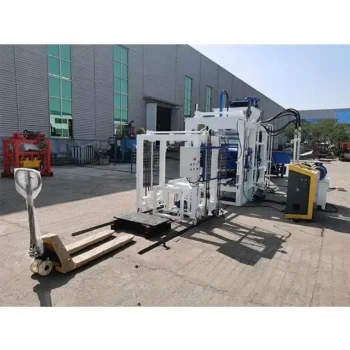
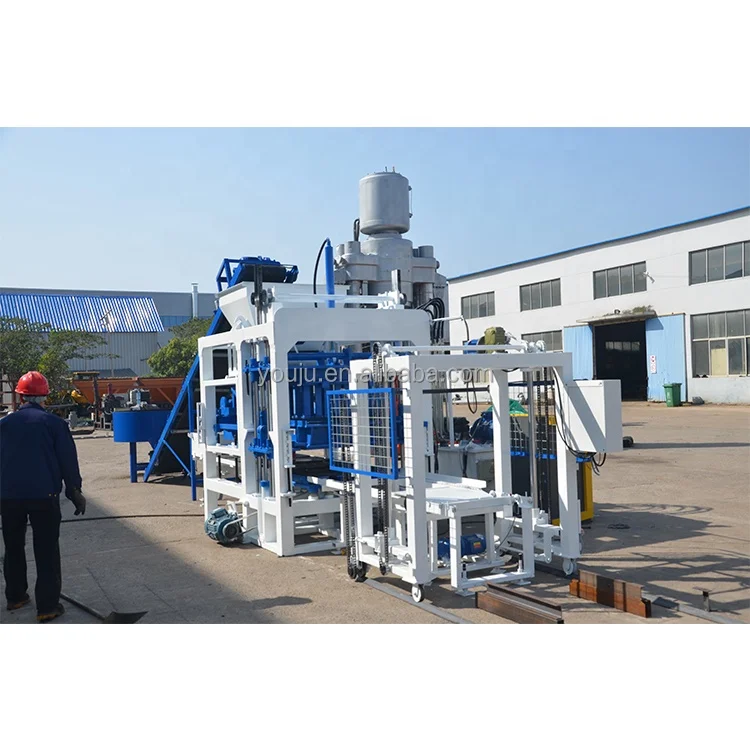
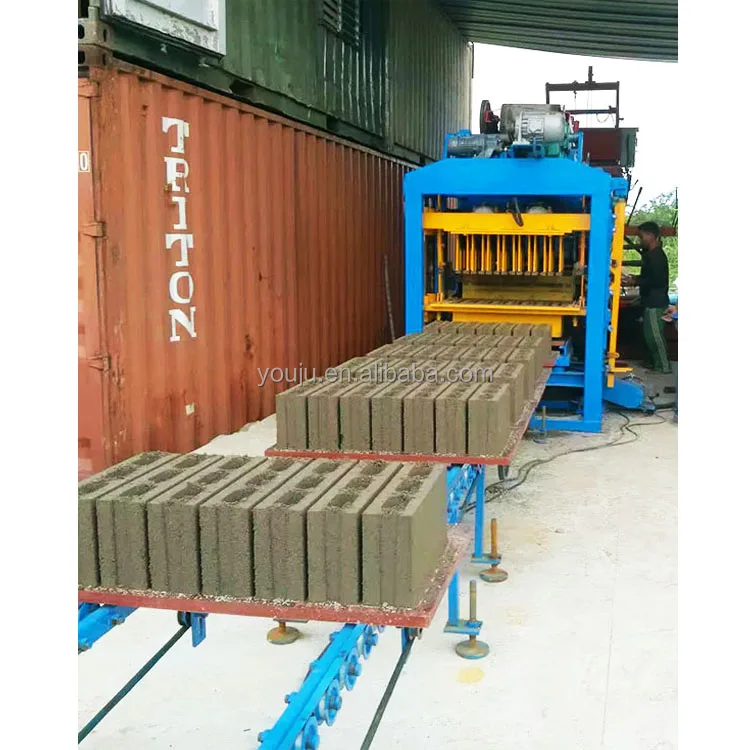
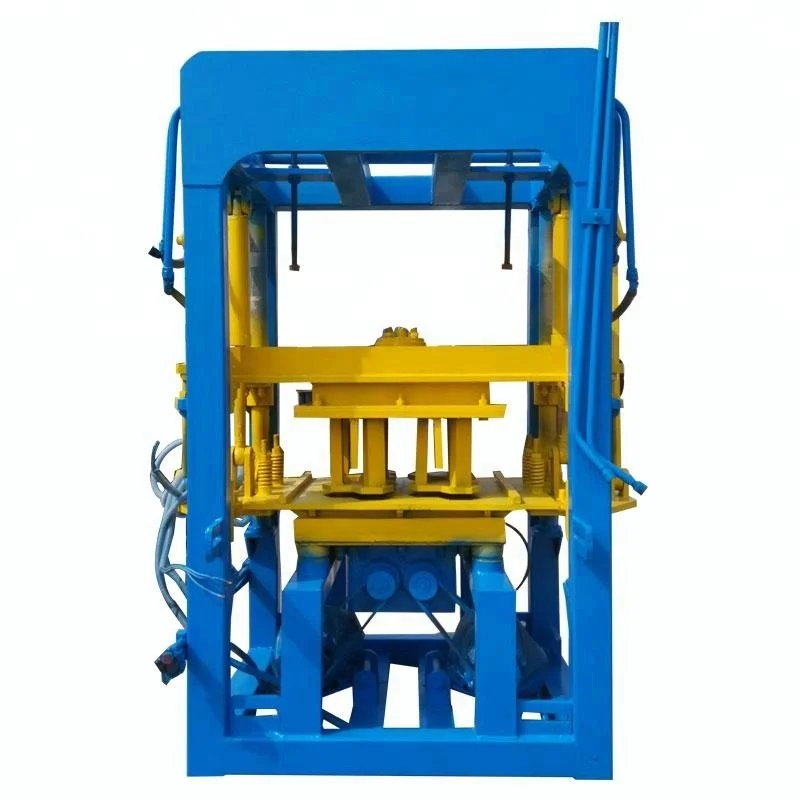
Stock-and-Delivery Focus — QTF3-20 semi-automatic hydraulic block machines are assembled and tested on the factory floor, ready for dismantling and container loading so your site crew isn’t left waiting on a delayed shipment.
Technical Specifications
| Parameter | Value |
|---|---|
| Model | QTF3-20 |
| Product Type | Semi-Automatic Concrete Paving Block Making Machine |
| Automation Level | Semi-automatic |
| Hydraulic System | Adopted for even and dependable working procedure |
| Vibration System | Efficient vibration combined with hydraulic press |
| Output (Paving Block) | 2,700 pcs/h based on 200×100×60mm paving block, 15 pcs/mould |
| Output (Hollow Block) | 540 pcs/h based on 400×200×200mm hollow block, 3 pcs/mould |
| Output (Interlocking) | 1,440 pcs/h based on 225×112.5×60mm interlocking brick, 8 pcs/mould |
| Daily Output (8h Shift) | 21,600 pcs (paving) / 4,320 pcs (hollow) / 11,520 pcs (interlocking) |
| Motor Voltage | Customizable to buyer’s local grid before dispatch |
| Warranty | 1 year excluding wearing parts |
Application Suitability
| Application | Material or Output |
|---|---|
| Concrete Paving Block Production | 200×100×60mm standard paving formats in high density |
| Hollow Block Manufacturing | 400×200×200mm structural hollow blocks from crushed aggregate and cement |
| Interlocking Brick Production | 225×112.5×60mm interlock profiles for driveway and pathway laying |
| Curbstone and Color Block | Solid kerb profiles and pigmented face-mix paving units |
| On-Site Construction Supply | Project-based production at housing or infrastructure sites |
Why the Voltage Question Should Come Before the Price
A semi-automatic block machine in stock is only useful if it powers on the day it arrives.
I once saw a container land in West Africa with a machine wired for 380V/50Hz while the local grid ran 415V. The site crew stood idle for three weeks until a step-down transformer was sourced locally. That delay cost more than any price negotiation ever saved. Voltage, frequency, and plug configuration must be locked before the QTF3-20 leaves the factory floor, not debated after customs clearance. [NEED_CITE: voltage and frequency standards by export market]
Dispatch Readiness and Container Loading Plans
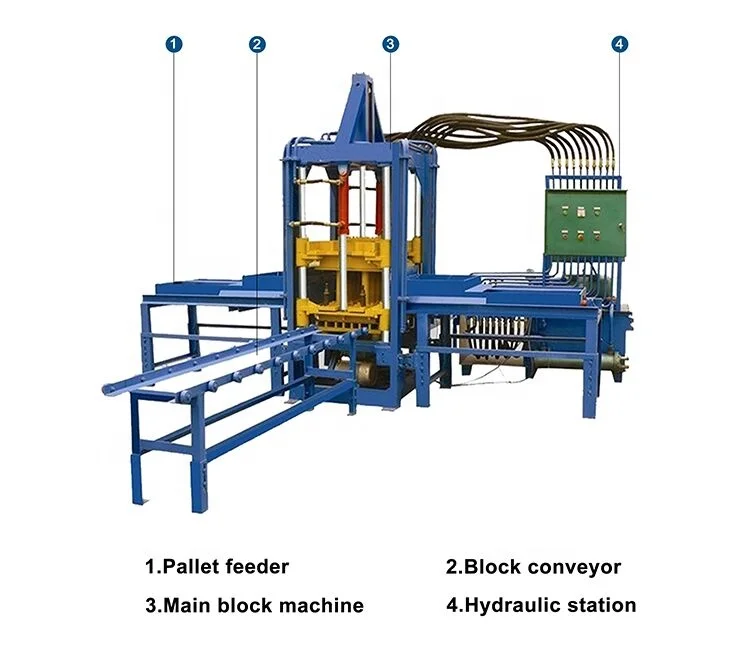
When a project timeline is tight, the first question is whether the machine is physically assembled and factory-tested. The QTF3-20 is held in standard semi-automatic configuration, meaning the hydraulic press, vibration table, and control panel are fully wired and run through a production cycle before dismantling. This approach eliminates the risk of missing components or dead-on-arrival electrical faults.
Buyers working against a construction deadline need a clear dispatch lead time quoted at order confirmation, not an estimate that shifts with production scheduling. A semi-automatic block machine in stock should have its container loading plan documented — which components are bolted down, which are crated separately, and how the hydraulic hoses and electrical cables are labeled for reconnection on site.
Arrival Estimates and Port-Side Coordination
Ocean transit times vary by destination port, but the departure date is controllable. Once the QTF3-20 is loaded and the bill of lading is issued, the buyer receives a realistic arrival window rather than an open-ended promise. Coordinating with the freight forwarder on container type — typically a 20-foot general-purpose unit for this machine class — ensures the loading plan matches the vessel schedule.
Customs documentation, including the commercial invoice, packing list, and certificate of origin, is prepared alongside the shipment so that clearance at the destination port does not become a second bottleneck. [NEED_CITE: CE machinery directive requirements for industrial equipment]
Reading the Specs That Actually Matter on Site
The hydraulic press and vibration system work together: hydraulic pressure compacts the concrete mix from above while vibration settles the aggregate from below. On the QTF3-20, this combination produces high-density paving blocks that meet structural load requirements without extended curing. The vibration force and hydraulic pressure must be matched to the buyer’s specific mix design — using a local aggregate with different grading than the factory default can change block density noticeably.
The three quoted output figures assume specific block formats and mould cavity counts. A paving block run at 15 cavities per cycle will outpace a hollow block run at 3 cavities per cycle by a wide margin. Buyers planning daily production targets should base calculations on the format they will actually sell, not the highest number on the spec sheet.
The Real Cost of Overlooking Dispatch Details
A machine that arrives late or arrives wrong burns through project float that was never there to begin with. Contractors who skip the voltage confirmation step discover the problem only when the local electrician opens the control panel. Distributors who fail to verify which standard moulds are included in the stock unit end up placing a second order for the format their market actually demands, adding weeks to the timeline.
The hidden cost is never the machine itself — it is the idle crew, the rented equipment sitting unused, and the client penalties that accumulate while the site waits. [NEED_CITE: typical construction delay penalty structures in emerging markets]
Why Buyers Source This Machine Through Our Dispatch Channel
Stocked QTF3-20 units mean the machine is physically on the floor, not scheduled for a future production slot. Standard moulds for paving blocks and hollow blocks are matched to the machine before crating, so the buyer receives a working set rather than a bare press.
Voltage and frequency are confirmed against the buyer’s local grid at the order stage, preventing the on-site power mismatch that delays commissioning. Container loading plans include dismantling sequences and reconnection labeling so the site team can reassemble without a factory technician present for every bolt. Packing photographs are shared before the container doors close, giving the buyer a visual record for insurance and customs purposes.
Documentation & Verification
- Factory test record showing the QTF3-20 running your target block format before dispatch
- Voltage and frequency confirmation sheet signed off against your local grid specification
- Container loading plan with dismantling diagram and reconnection labels
- Packing photographs documenting machine condition before container doors close
- Operation manual covering hydraulic press start-up and semi-automatic cycle sequence
Installation, Commissioning & Support
- Foundation pad must be level and cured before the QTF3-20 hydraulic press is bolted down
- Power supply circuit must match the confirmed voltage and frequency before first energization
- Hydraulic hoses and vibration table wiring are labeled for site reconnection after container transit
- Standard mould installation and alignment checked during first production run on your mix design
- Wearing parts list provided so initial spares are ordered before the first replacement cycle is due
What We Need to Quote Your Dispatch Timeline
To confirm stock availability and provide an accurate arrival estimate, share your destination port, required block format, and local voltage specification. If you are working against a fixed project milestone, let us know the latest acceptable on-site date so we can work backward through production testing, container booking, and ocean transit.
Frequently Asked Questions
Q: Which QTF3-20 configurations are currently available for immediate dispatch?
A: Standard semi-automatic units with hydraulic press and vibration system are assembled and factory-tested on the floor. These ship with moulds for common paving block and hollow block formats. Custom mould profiles or non-standard voltage configurations require a short production window before dispatch. Confirm your target format and local grid spec to verify exact availability.
Q: What is the typical lead time from order confirmation to container loading?
A: Stocked QTF3-20 units with standard moulds and confirmed voltage can move from order to container loading within a short window, covering final factory test, dismantling, crating, and booking the vessel slot. Custom mould requests or special electrical configurations add time for production and testing. We quote the dispatch date at order confirmation so you can plan around it.
Q: How is the QTF3-20 dismantled and loaded into a shipping container?
A: The machine is broken down into major assemblies — hydraulic press frame, vibration table, control panel, and mould set — each secured and labeled for reconnection. A standard 20-foot container typically accommodates the complete unit with standard moulds. A loading diagram is included so the site crew can reverse the sequence without guesswork on arrival.
Q: What arrival timeline should I expect at my destination port?
A: Ocean transit depends on the destination port and vessel routing. Once the container is loaded and the bill of lading is issued, we provide an estimated arrival window. We recommend building in a buffer for customs clearance at your end. Sharing your port and required on-site date lets us confirm whether the schedule is achievable before you commit.
Q: Are standard paving and hollow block moulds included with stock units?
A: Yes, stocked QTF3-20 machines ship with standard moulds for the most common paving block and hollow block formats. If your market requires interlocking bricks, curbstone, or a custom profile, confirm this at the inquiry stage so the correct mould set is matched to your machine before crating. Mould availability is verified alongside machine stock.