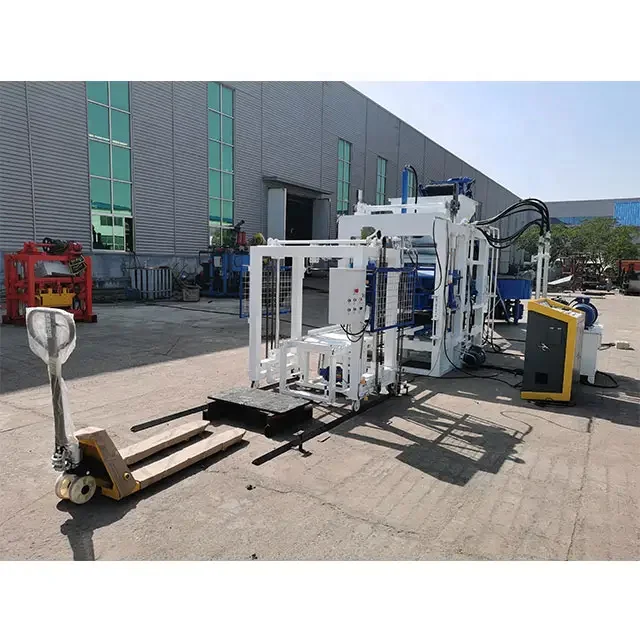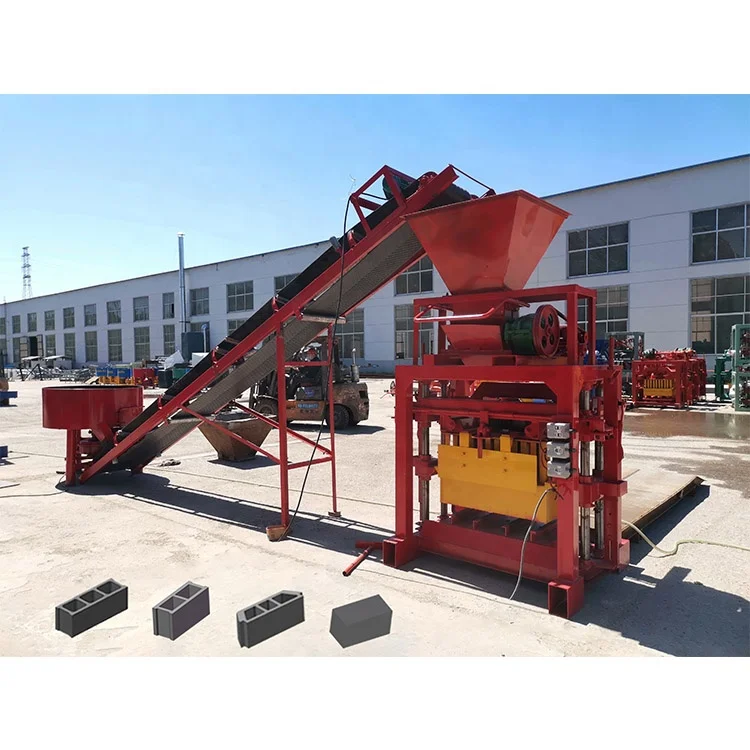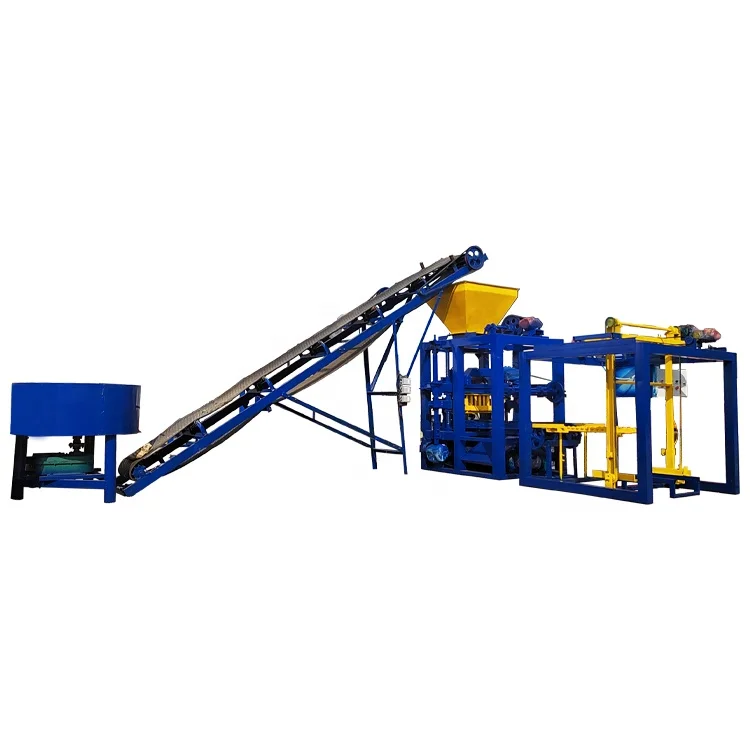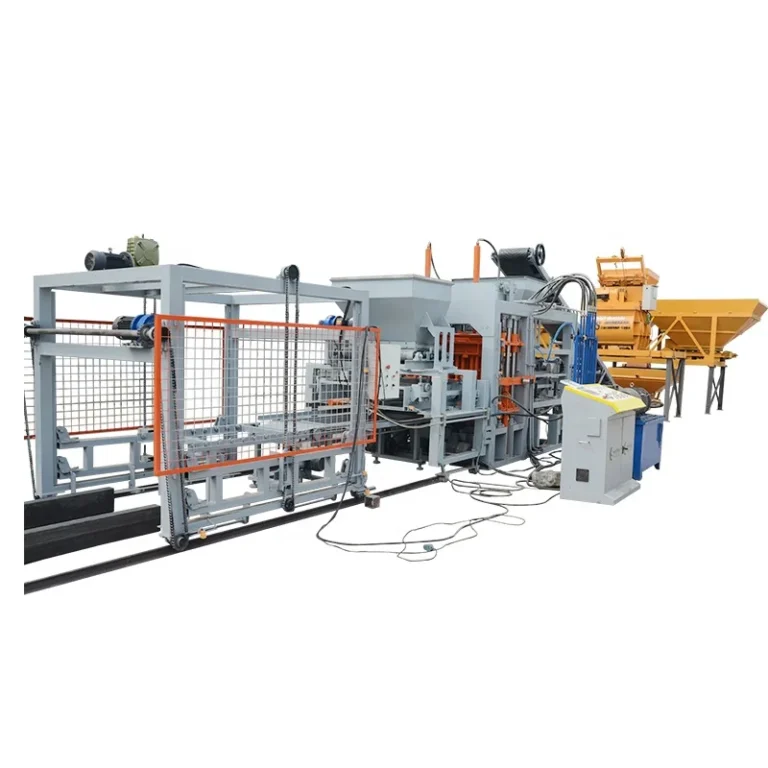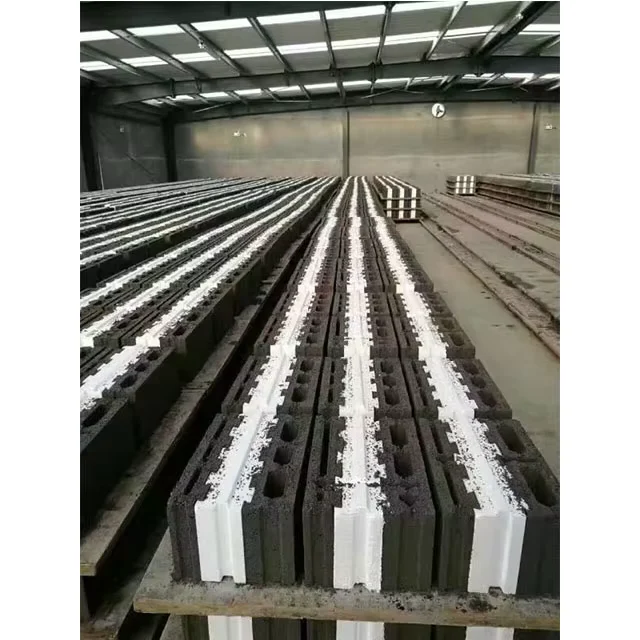
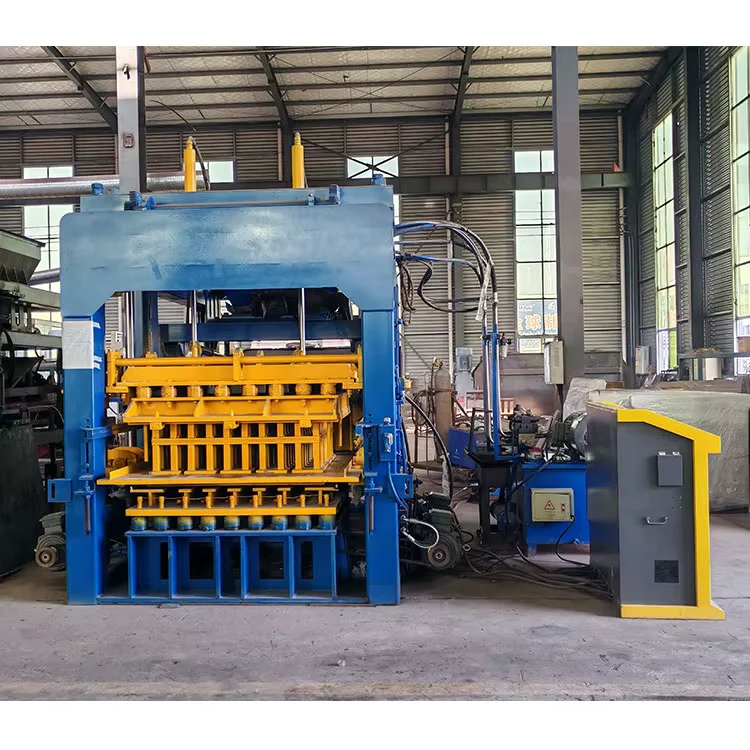
Description
Rapid Dispatch Readiness — The SY QT18-15 fully automatic block making machine in stock is pre-configured and cleared for immediate container loading, ensuring your project timeline remains intact.
Technical Specifications
| Parameter | Value |
|---|---|
| Model | SY QT18-15 |
| Product Type | Fully Automatic Concrete Block Making Machine |
| Forming Method | Hydraulic pressure |
| Automation Level | Fully Automatic |
| Overall Dimensions (L×W×H) | 9350×2520×2950 mm |
| Net Weight | 12000 kg |
| Voltage & Frequency | Local Voltage (exact spec to be confirmed) |
| Core Components | Motor, Pump |
| Mould Format / Brick Size | 400×100×200 mm, 400×120×200 mm, 200×100×60 mm, 300×150×100 mm, 400×150×200 mm, 240×115×90 mm, 200×200×60 mm, 150×150×100 mm, 400×200×200 mm, 230×220×115 mm |
| Compatible Raw Materials | Cement, concrete, clay, crushed stone, sand |
| Cycle Time | Varies by format (basis to be confirmed) |
| Output Capacity | High capacity (basis to be confirmed) |
| Warranty | More Than 5 Years |
| Standards | Machinery Test Report Provided, Video Outgoing-Inspection Provided |
Application Suitability
| Application | Material or Output |
|---|---|
| Housing project on-site production | Hollow blocks from crushed stone and cement |
| Road and footpath construction | Paving blocks and interlocking bricks from concrete |
| Building material distribution | Standard curbstones and solid blocks from sand and clay |
Why "Immediate Dispatch" Requires More Than Just a Ready Machine
Sourcing a fully automatic block making machine in stock solves the manufacturing delay, but it introduces a new risk if the physical footprint and downstream pacing are not verified before the container is sealed. A stocked machine only accelerates your project if it physically integrates with your existing site layout and material flow.
I learned this the hard way early in my technical sales career. A contractor facing a strict deadline rushed to take delivery of an SY QT18-15 unit we had ready on the floor. We loaded it quickly, but nobody double-checked the discharge height against their existing stacking equipment. When it arrived, the output pacing and physical clearance did not align with their older stacker, bottlenecking the entire line right at the press exit. Now, before any现货 equipment leaves our facility, I personally verify the dispatch plan against the buyer’s site constraints [NEED_CITE: site integration requirements for heavy construction machinery].
Verifying Physical Dimensions for Container Loading
The SY QT18-15 measures 9350×2520×2950 mm and carries a net weight of 12000 kg, meaning it requires precise dismantling and load planning to fit standard shipping containers securely. Confirming the exact loading scheme ensures the host machine and standard moulds arrive without transit damage. This physical preparation is what makes a fully automatic block making machine in stock genuinely ready for your deadline.
Dismantling Procedures and Arrival Estimates
Speed relies on how efficiently the 12000 kg frame is broken down for shipment and how clearly the reassembly sequence is documented for your local crew. We provide upfront arrival estimates based on the confirmed dispatch date and destination port. Securing a fully automatic block making machine in stock means you bypass the production queue, but the logistics execution determines when it actually starts pressing blocks [NEED_CITE: international freight transit variables for heavy equipment].
Interpreting the Host Machine Specifications
The hydraulic pressure forming method relies on the massive 12000 kg net weight to absorb vibration and maintain structural stability during continuous high-volume cycles. The machine supports ten distinct mould formats, ranging from 400×200×200 mm hollow blocks to 200×200×60 mm pavers, requiring the host to handle varied material densities from cement and crushed stone to clay and sand. Because the exact voltage and frequency must match your local grid, confirming these electrical parameters before dispatch prevents commissioning delays upon arrival. The machinery test report and video outgoing-inspection verify that the motor and pump core components operate correctly under load before the machine is dismantled for shipping.
The Hidden Costs of Skipping Downstream Pacing Checks
Rushing a stocked machine out the door without verifying the discharge cycle against your downstream curing racks or stackers leads to immediate site bottlenecks. If the output pacing overwhelms your manual handling capacity, wet blocks pile up and break before curing. This misalignment forces contractors to hire emergency manual labor, entirely erasing the time saved by buying inventory equipment [NEED_CITE: hidden costs of line imbalance in block production].
Why Source Your Stock Equipment Here
Block machinery is our single focus, meaning the host machine, standard moulds, and pallets are evaluated as a matched system before being listed as available inventory. We configure the dispatch plan around your actual site conditions and target block format, rather than just pushing a catalogue default out the door. Our mould supply covers the specific formats your market demands, with standard options ready to load alongside the host. You can select the automation level that fits your current labor availability, knowing the machine is tested and documented before it ships.
Documentation & Verification
- Factory test record confirming hydraulic pressure stability before dismantling
- Video outgoing-inspection showing the host machine running standard mould formats
- Detailed container loading plan and machine dismantling sequence for shipment
- Packing photographs verifying secure bracing of the 12000 kg frame
- Customs documentation support tailored to your destination port requirements
Installation, Commissioning & Support
- Foundation requirements mapped to the 9350×2520×2950 mm overall dimensions
- Electrical grid verification to match the local voltage and frequency specifications
- Guided reassembly sequence following the container dismantling procedures
- Initial power-up and hydraulic pump pressure calibration on your specific raw materials
- Operator training focused on rapid mould changeovers across the ten standard formats
- Wear parts inventory list aligned with the motor and pump core components
Finalizing Your Dispatch Requirements
To lock in the shipping schedule, provide your destination port, local voltage and frequency, and the specific block formats you need from the standard mould list. Confirm your available site footprint and downstream handling equipment so we can verify the discharge pacing. Let us know your required container loading preferences to finalize the dispatch paperwork.
Frequently Asked Questions
Q: Which machine models and standard moulds are currently in stock for immediate dispatch?
A: The SY QT18-15 host machine is currently available, along with standard moulds for formats including 400×200×200 mm hollow blocks and 200×200×60 mm pavers. We confirm exact inventory levels and matching pallet availability at the time of your inquiry to ensure the complete package is ready for immediate container loading.
Q: What is the exact container loading plan and estimated arrival time for my destination port?
A: We provide a detailed dismantling and loading scheme for the 9350×2520×2950 mm frame to maximize container space. Once the dispatch date is confirmed, we calculate the estimated arrival time based on current shipping routes to your specific port, giving you a reliable timeline for your project planning.
Q: How is the machine dismantled for shipment and reassembled on-site to save time?
A: The 12000 kg machine is systematically broken down into major sub-assemblies that fit standard containers without damaging core components. We provide a clear reassembly sequence and packing photographs, allowing your local crew to reconstruct the host and reinstall the motor and pump efficiently upon arrival.
Q: Can I get the machinery test report and video inspection before the machine leaves the factory?
A: Yes, we provide a comprehensive machinery test report and a video outgoing-inspection showing the hydraulic pressure system and standard moulds in operation. This documentation is shared before the equipment is dismantled, giving you complete visibility into the machine’s condition prior to shipment.
Q: What customs documentation is provided to speed up port clearance upon arrival?
A: We supply a full set of export documents, including commercial invoices, packing lists, and certificates of origin, tailored to your destination country’s requirements. This paperwork package is prepared alongside the loading plan to prevent administrative delays when the container reaches your port.