

AAC Block Line Component Replacement Schedule Supplier Shiyue
Waiting for a cutting wire to snap is not maintenance; it is gambling with your entire production batch.
A proactive AAC block line component replacement schedule is the single most effective tool to prevent catastrophic batch failures and unplanned downtime in aerated concrete plants. Instead of reacting to breakdowns, plant managers must implement fixed intervals based on operating hours or output volume for critical wear parts like cutting wires, autoclave seals, and mixer blades. This approach transforms maintenance from a cost center into an insurance policy against quality rejection and energy waste. [NEED_CITE: industry standards for preventive maintenance in precast concrete production]
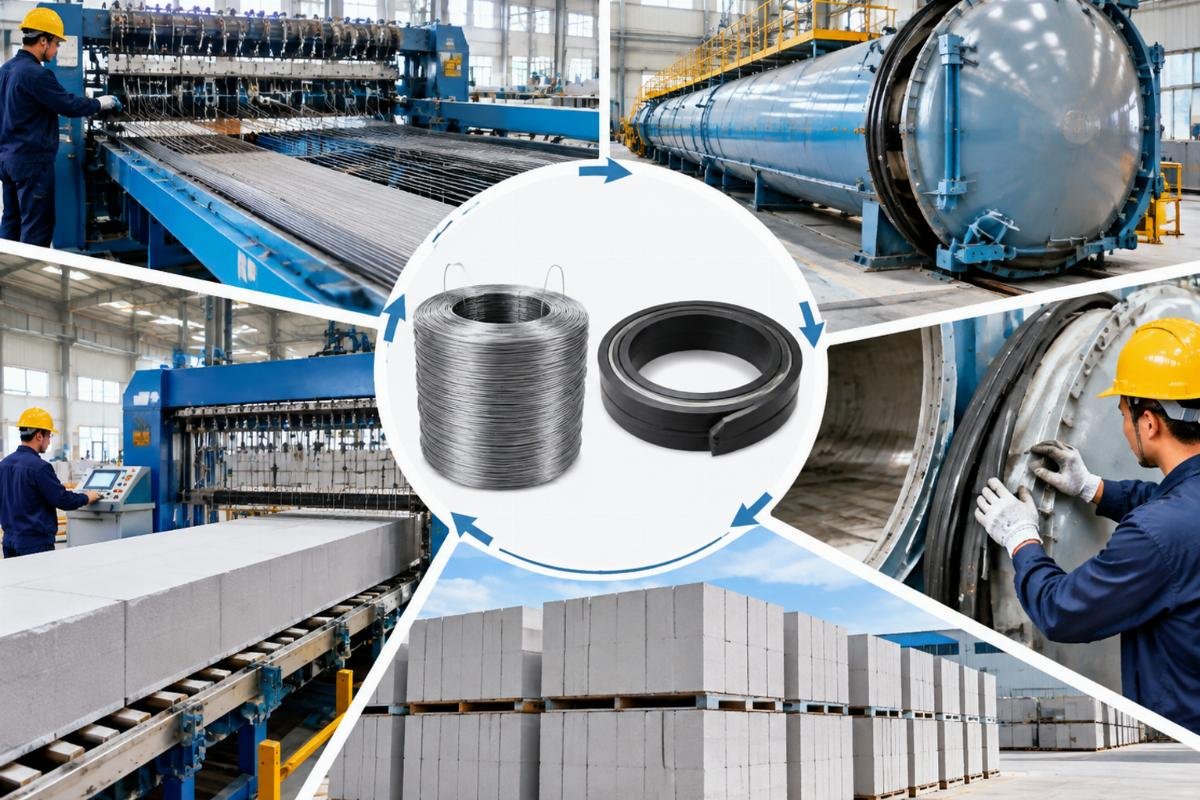
The difference between a profitable plant and a struggling one often lies not in the initial equipment investment, but in the discipline of its upkeep. In emerging markets across Africa, Southeast Asia, and Latin America, where power stability and spare part logistics can be challenging, adhering to a strict AAC block line component replacement schedule ensures consistent product quality and maximizes return on investment.
Why Do You Need a Strict Replacement Schedule?
Many plant operators operate under the misconception that "if it is not broken, do not fix it." This reactive mindset is dangerously flawed in high-volume AAC production. Microscopic fatigue in metal components does not show visible signs until sudden failure occurs, often at the worst possible moment.
Consider the case of a mid-sized plant in Southeast Asia. The management team delayed replacing the cutting wires on their main cutter to save on immediate spare part costs. The wires appeared intact during visual checks. However, internal fatigue caused a sudden snap-back during a high-speed cut. The result was not just a stopped machine, but an entire mold of partially cured slurry being ruined. The cost of the wasted raw materials, the labor to clean the molds, and the lost production time far exceeded the price of a new set of wires. [NEED_CITE: cost analysis of unplanned downtime vs preventive maintenance in manufacturing]
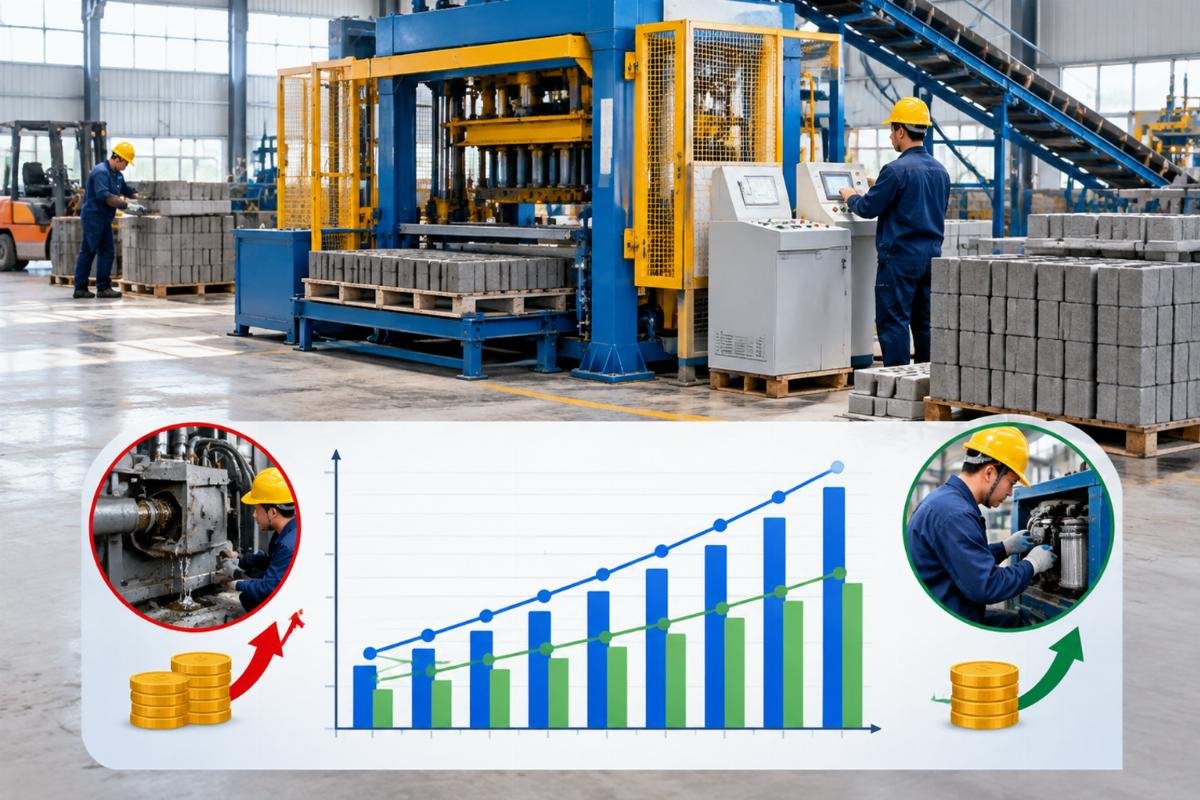
A structured AAC block line component replacement schedule prevents these hidden costs. It shifts the focus from repairing damage to preventing it. By defining clear triggers for replacement—such as specific operating hours or cubic meters of output produced—plant managers can order spare parts in advance, schedule downtime during low-demand periods, and maintain consistent product dimensions. This predictability is crucial for meeting tight delivery deadlines for government housing projects or large infrastructure contracts.
Critical Components: Cutting System Maintenance
The cutting station is the heart of the AAC shaping process. Precision here determines the final dimensional accuracy of every block and panel. The primary wear items are the cutting wires, guide wheels, and tensioning mechanisms.
Cutting wires are subject to extreme stress. They vibrate at high frequencies while slicing through semi-solid slurry. Over time, they lose tensile strength and develop micro-fractures. Relying on visual inspection alone is insufficient because these fractures are often invisible to the naked eye.
| Component | Inspection Frequency | Replacement Trigger | Risk of Delay |
|---|---|---|---|
| Cutting Wires | Every shift | Fixed operating hours or output volume | Batch rejection due to uneven cuts |
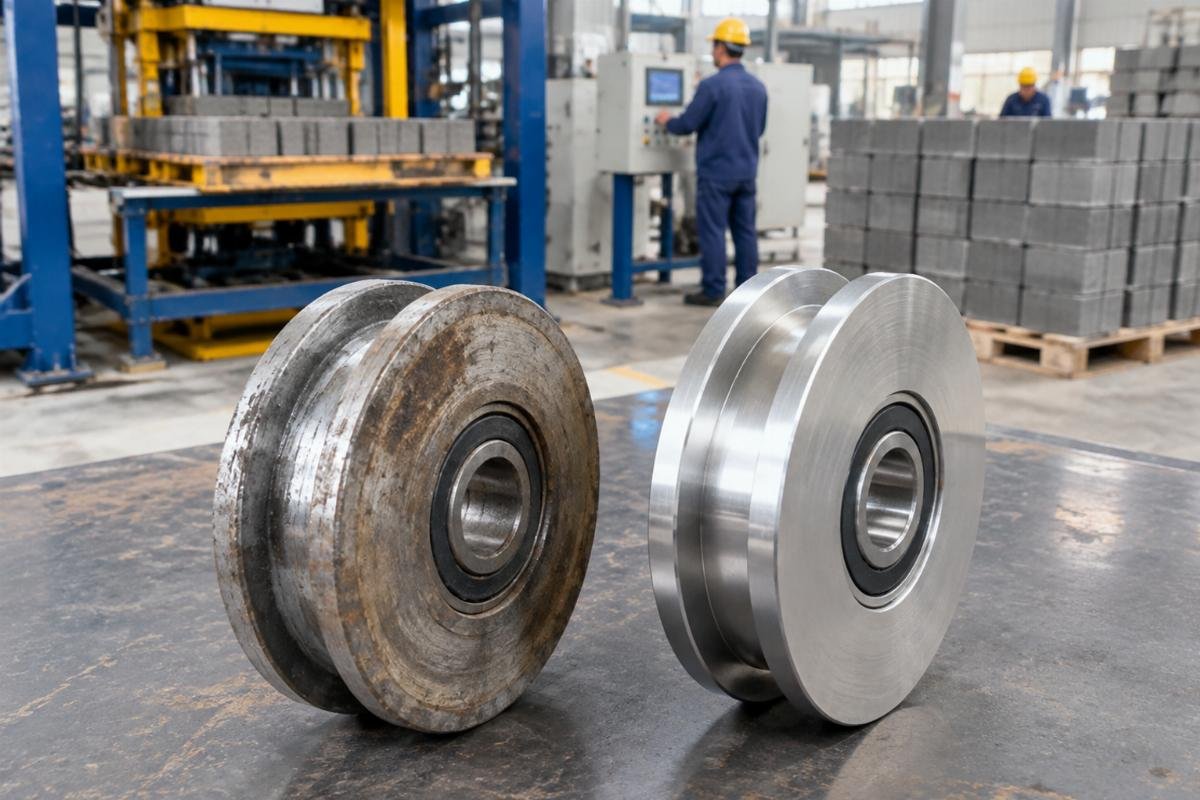
| Guide Wheels | Weekly | Visible groove depth or wobble | Wire deviation and breakage |
| Tension Springs | Monthly | Loss of tension elasticity | Inconsistent cut quality |
[NEED_CITE: mechanical wear limits for high-tension steel wires in industrial cutting applications]
A common mistake is waiting for the wire to break. A better approach is to replace wires after a predetermined number of cycles, regardless of their apparent condition. This ensures that the cutting force remains uniform, preventing the "waviness" that leads to rejected blocks. For plants using automated lines, integrating this replacement interval into the PLC control system can provide alerts before the limit is reached.
When sourcing replacements, it is vital to use wires specified for AAC slurry abrasion. Generic steel wires may seem cheaper but lack the necessary fatigue resistance, leading to more frequent changes and higher long-term costs. A reliable AAC block line component replacement schedule accounts for the specific abrasive nature of the sand and lime mixture used in your recipe.
Pressure & Sealing: Autoclave and Valve Care
Autoclaves operate under high pressure and temperature, making them critical safety and efficiency points. The integrity of the sealing system is paramount. Steam leaks not only waste energy but also cause pressure drops that compromise the curing process, leading to weak blocks.
Autoclave door seals are made from specialized rubber compounds designed to withstand high-pressure steam. However, these materials degrade over time due to heat cycling and compression set. A seal that looks fine externally may have lost its elasticity internally, failing to create a tight bond when the door closes.
Inspection should occur every few cycles, depending on usage intensity. Look for signs of hardening, cracking, or permanent deformation. If the compression loss exceeds a specific threshold, the seal must be replaced immediately. Using generic seals instead of those specified for high-pressure steam applications is a frequent error. These inferior materials degrade rapidly, leading to escalating leaks and potential safety hazards. [NEED_CITE: international standards for pressure vessel sealing materials]
Valves and pressure gauges also require regular attention. Safety valves must be tested regularly to ensure they open at the correct pressure. Pneumatic valves controlling steam flow can suffer from internal wear, leading to slow response times or incomplete closure. This affects the precision of the pressure curve inside the autoclave, which is critical for achieving the desired concrete strength.
Including these components in your AAC block line component replacement schedule ensures that the curing process remains efficient and safe. It prevents the subtle quality issues that arise from inconsistent pressure and temperature, such as uneven density or surface cracking in the final product.
Mixing & Molding: Wear Parts Management
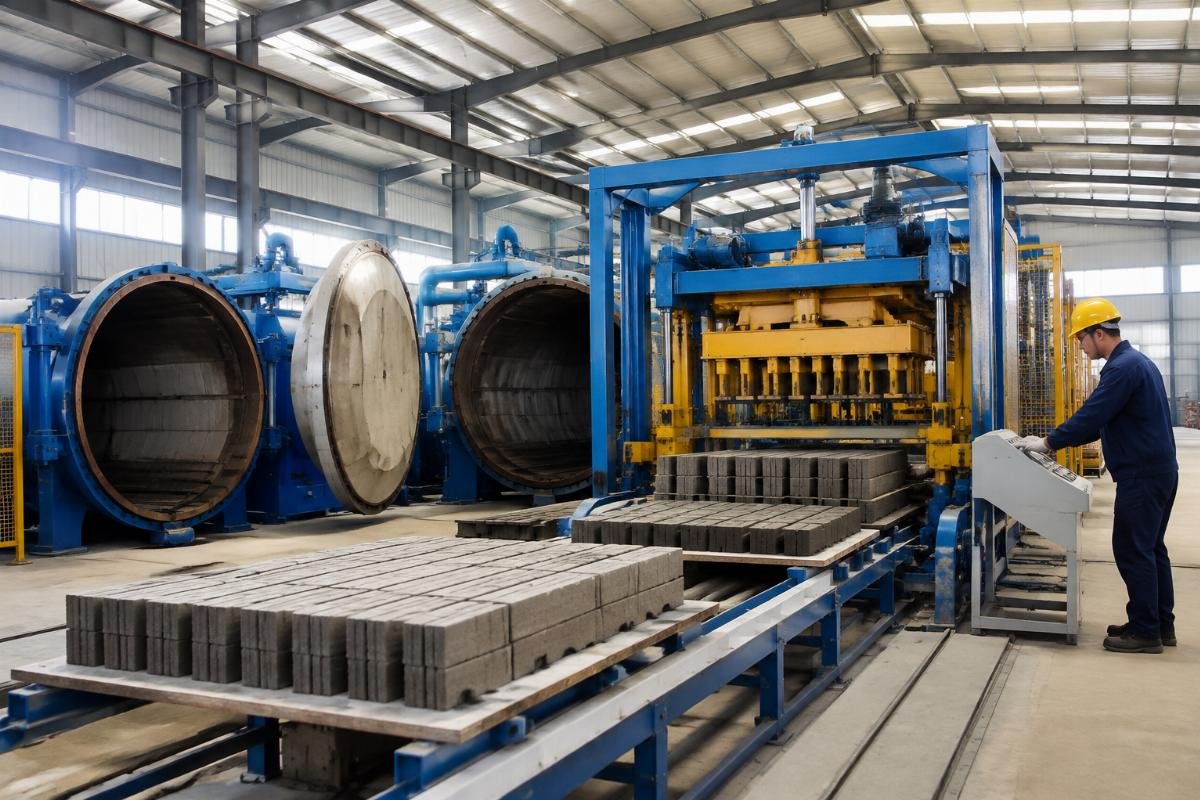
The mixing and molding stages prepare the slurry for cutting. Wear here affects the homogeneity of the mix and the dimensional stability of the green cake.
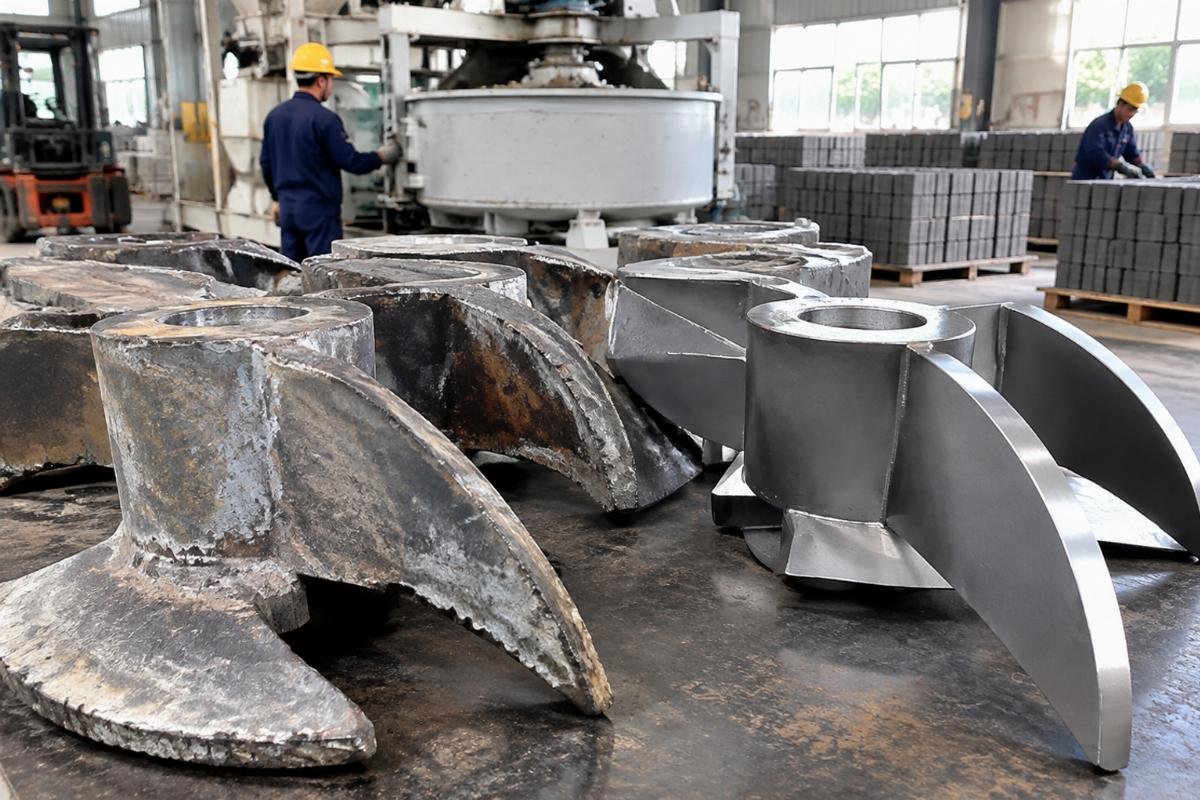
Mixer blades are constantly agitating abrasive materials. Over time, the blade edges wear down, reducing mixing efficiency. This leads to uneven distribution of air bubbles and ingredients, resulting in blocks with variable density and strength. Measuring wear depth monthly allows for timely re-welding or replacement. When tolerance exceeds factory specifications, the mixer cannot guarantee a uniform slurry.
Molds and pallets also suffer from wear. Repeated filling, vibrating, and stripping cause mechanical stress. Dents or warping in molds lead to blocks that do not meet dimensional tolerances. Pallets that are no longer flat cause uneven settling of the slurry, leading to curved or twisted blocks after cutting.
| Component | Inspection Method | Action Threshold | Impact on Product |
|---|---|---|---|
| Mixer Blades | Depth gauge measurement | Exceeds factory wear tolerance | Uneven density and strength |
| Molds | Visual and dimensional check | Dents or warping detected | Dimensional inaccuracies |
| Pallets | Flatness check | Significant deviation from flat | Curved or twisted blocks |
[NEED_CITE: guidelines for wear part management in concrete mixing equipment]
Managing these parts requires a balance between cost and quality. Re-welding mixer blades can extend their life, but there is a limit to how many times this can be done before the structural integrity is compromised. Similarly, molds may need periodic resurfacing or replacement to maintain precision.
Integrating these checks into the AAC block line component replacement schedule ensures that the input to the cutting stage is of consistent quality. This reduces the load on the cutting system and minimizes waste downstream. For plants aiming for high-quality interlocking pavers or precise wall panels, this stage is non-negotiable.
Creating Your Customized Maintenance Calendar
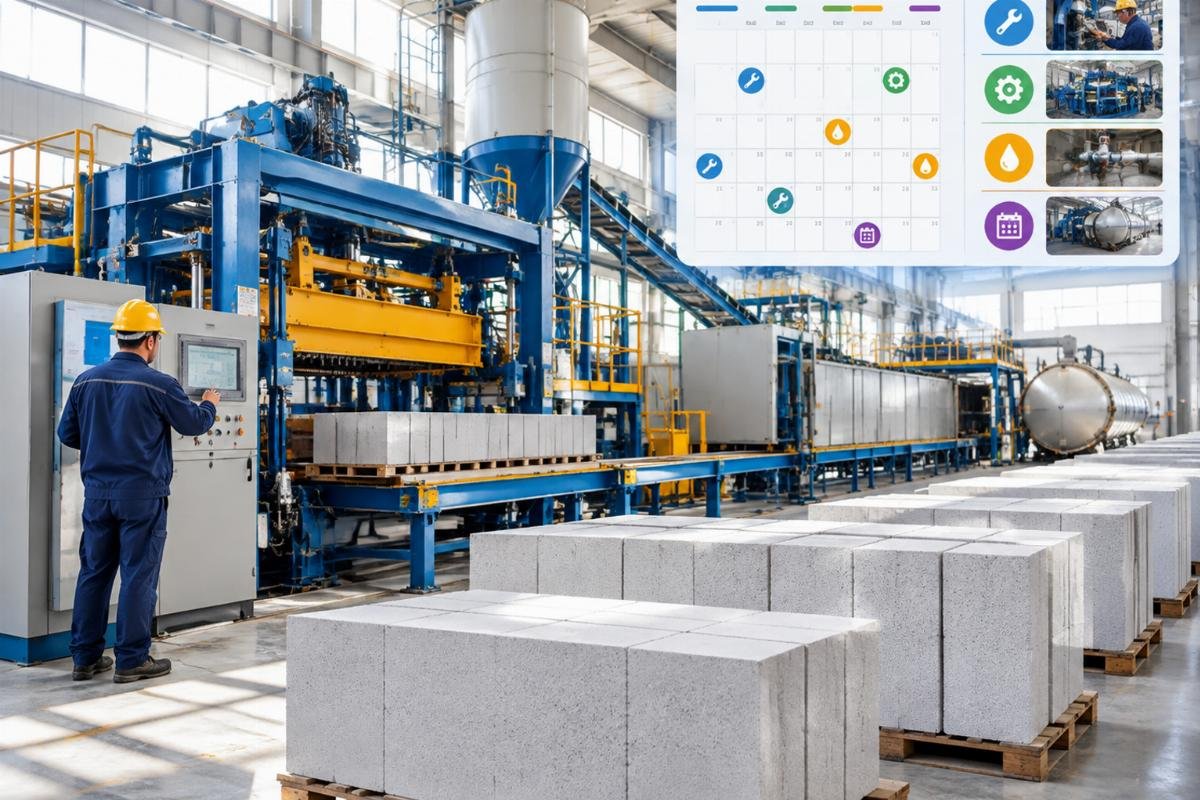
A generic schedule is a starting point, but every plant is unique. Production volume, raw material abrasiveness, and operational shifts all influence wear rates. Therefore, creating a customized AAC block line component replacement schedule is essential for optimal performance.
Start by recording the actual operating hours and output volume for each major component. Track when failures occur and compare them to the manufacturer’s recommendations. Over time, you will identify patterns specific to your operation. For instance, if your sand has a higher silica content, cutting wires may wear faster than average. Adjust the replacement interval accordingly.
Involve your maintenance team in this process. They are the ones seeing the daily wear and tear. Their observations can provide valuable insights that data alone might miss. Regular reviews of the schedule ensure it remains relevant as production conditions change.
Access to spare parts is a critical factor in maintaining this schedule. Delays in receiving replacement components can force plants to run parts beyond their safe life. Establishing a reliable supply chain for OEM spare parts minimizes lead time. Some suppliers offer express shipping options for critical items, ensuring that downtime is kept to a minimum. [NEED_CITE: best practices for spare parts inventory management in industrial manufacturing]
Training operators to recognize early signs of wear is also part of this customization. When operators understand the importance of the schedule, they are more likely to report issues promptly. This collaborative approach builds a culture of preventive maintenance rather than reactive repair.
Conclusion
Consistency in maintenance creates consistency in product quality.
Implementing a rigorous AAC block line component replacement schedule is not merely an administrative task; it is a strategic decision that protects your investment and ensures operational continuity. By proactively managing wear on cutting wires, seals, and mixing components, you avoid the high costs of batch rejection and unplanned downtime. This disciplined approach allows your plant to operate at peak efficiency, delivering high-quality AAC products reliably to your customers.
Leave a Reply