

Fully Automatic Block Machine Cleaning Guide: Shiyue Manufacturer Tips
Cleaning is not about aesthetics; it is a mechanical necessity to prevent hydraulic valve clogging and sensor failure.
To maintain a fully automatic block machine cleaning routine that ensures longevity, operators must perform a daily shutdown sequence involving dry air-blowing to remove loose dust, followed by a controlled water rinse of mold cavities to prevent concrete hardening, and concluding with the application of anti-rust spray on all exposed steel surfaces. This process prevents the accumulation of cementitious residue that leads to costly downtime and inconsistent product dimensions. [NEED_CITE: impact of concrete residue on hydraulic system integrity]
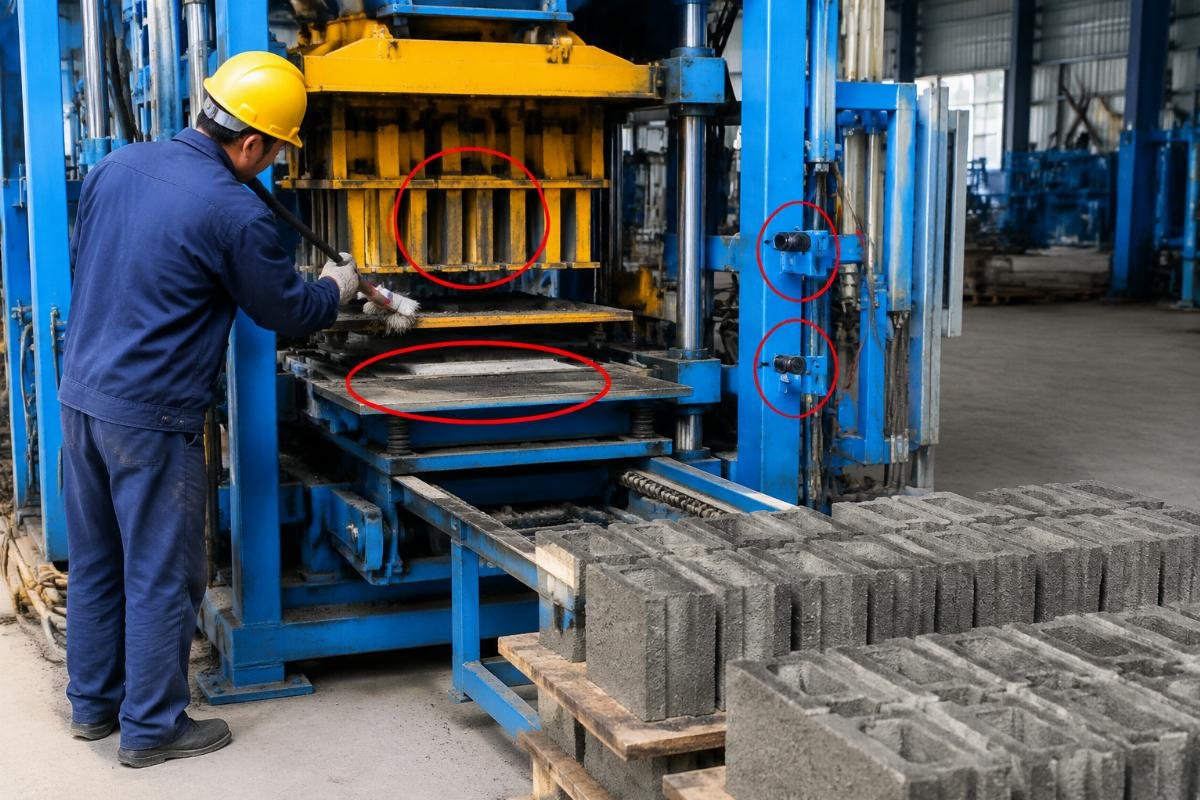
Having transitioned from quality inspection on the factory floor in Linyi to managing international client relationships, I have seen how quickly a new production line can degrade without proper care. The difference between a machine that runs for a decade and one that fails in months often lies not in the steel quality, but in the daily habits of the operating team. In high-humidity regions, neglecting these steps turns minor residue into structural damage overnight.
Why Is Daily Cleaning Critical for Automatic Block Machines?
Regular sanitization directly correlates with production efficiency and mold lifespan, rather than just facility hygiene.
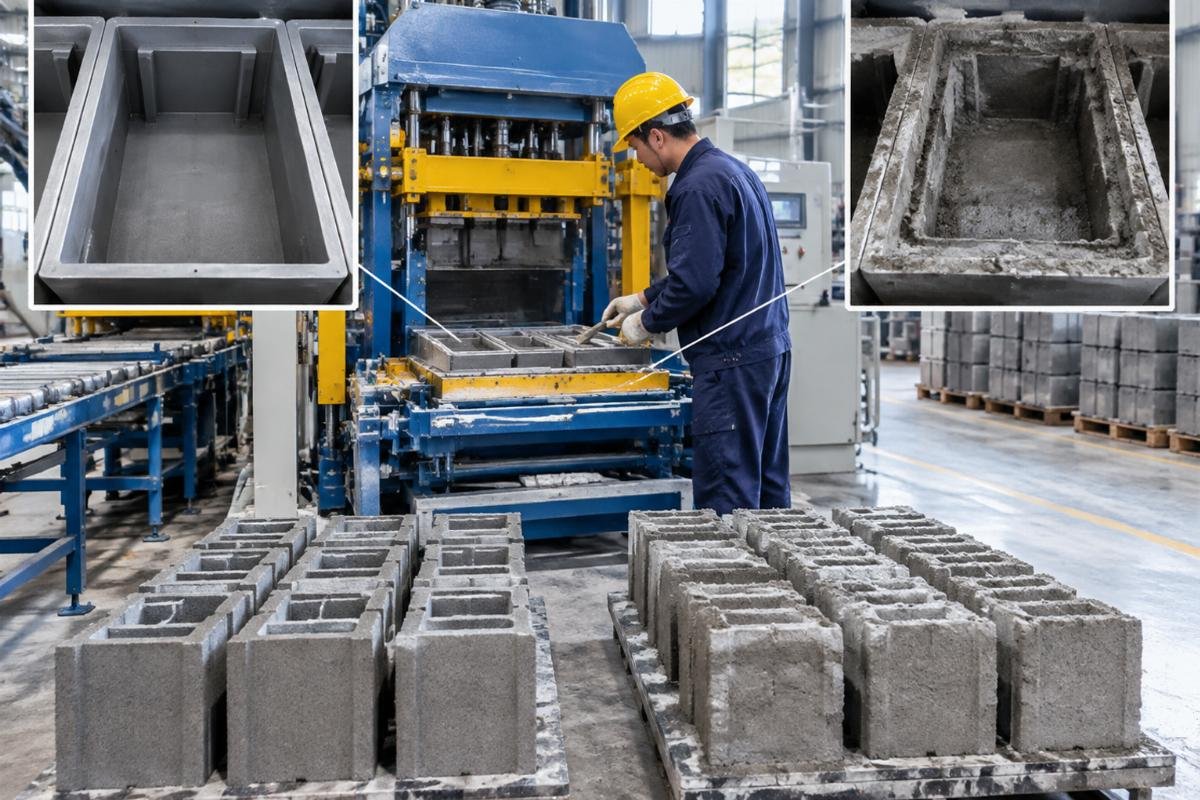
Many plant owners view cleaning as a cosmetic task performed only when visitors arrive. This misconception leads to premature wear on critical components. Concrete mix contains fine aggregates and cement that, when left moist, undergo a chemical curing process similar to the final product. If this residue remains in the mold cavities or on the vibration table, it hardens into a stone-like substance that is difficult to remove without damaging the machine’s precision surfaces.
The primary risk is not just the physical blockage, but the operational strain it causes. When mold cavities are partially blocked by hardened concrete, the ejection system must exert significantly higher pressure to release the blocks. This excess force strains the hydraulic cylinders and can lead to seal failures. Furthermore, dust accumulation on proximity sensors and photoelectric eyes causes false readings, leading to misaligned cycles or emergency stops. [NEED_CITE: common causes of sensor failure in industrial automation]
A fully automatic block machine cleaning protocol mitigates these risks by ensuring that moving parts remain free of abrasive materials. In my experience, plants that implement strict end-of-day washing routines see a noticeable reduction in unexpected downtime. Instead of spending days chiseling out hardened concrete, operators spend minutes rinsing away fresh slurry. This shift transforms maintenance from a reactive crisis into a predictable, manageable task.
What Are the Key Areas to Focus On During Sanitization?
Mold cavities, feeding hoppers, and vibration mechanisms require specific attention due to their exposure to wet concrete and high-frequency movement.
Not all parts of the machine require the same level of intervention. A targeted approach ensures that cleaning efforts are effective without wasting resources or risking damage to sensitive electronics. The following areas are the most vulnerable to buildup and corrosion.
| Component | Risk Factor | Cleaning Priority | Recommended Method |
|---|---|---|---|
| Mold Cavities | Concrete hardening, dimensional drift | High | Water rinse + soft brush |
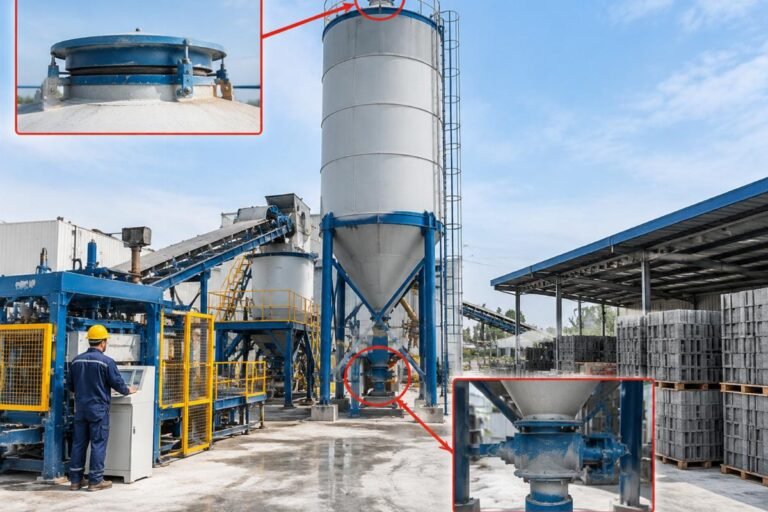
| Feeding Hoppers | Material bridging, cross-color contamination | High | Air blow + manual scraping |
| Vibration Table | Dust accumulation in gaps, bearing wear | Medium | Air blow + dry wipe |
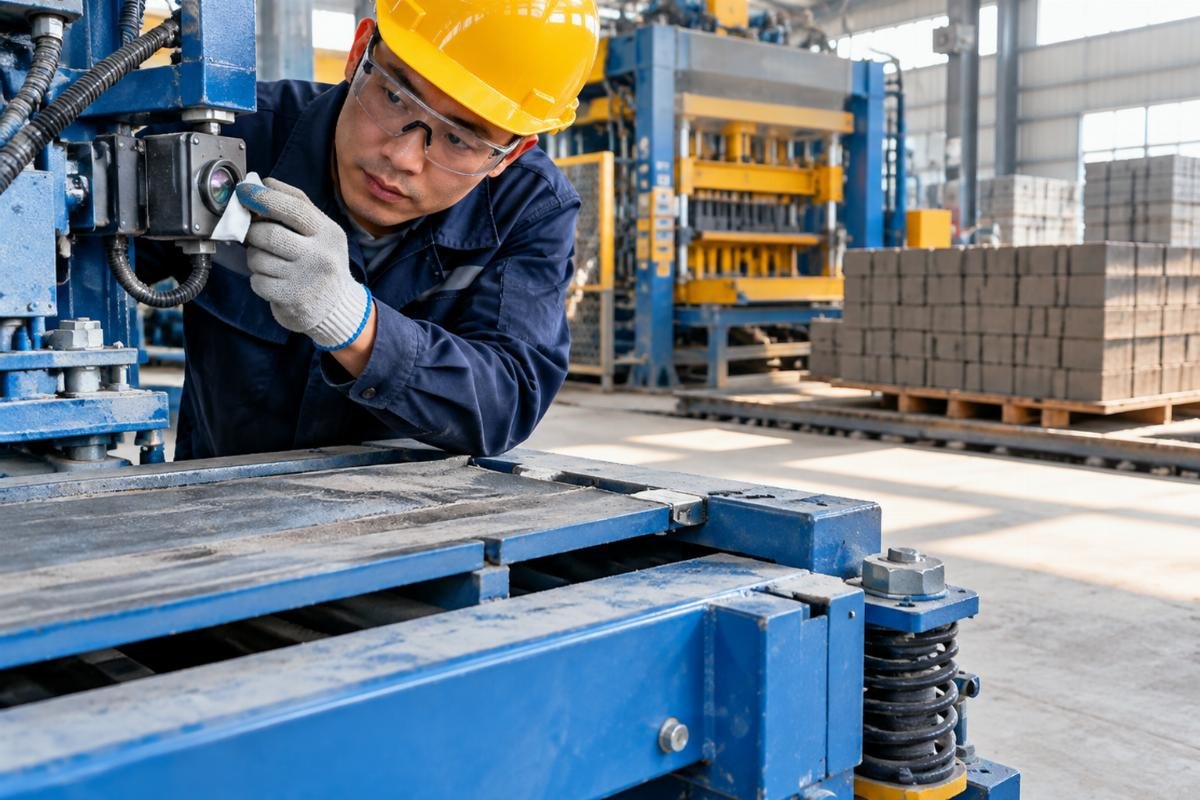
| Sensor Lenses | Signal interference, false stops | High | Dry microfiber cloth |
| Hydraulic Lines | Oil dust attraction, heat retention | Low | Dry wipe only |
For producers using color feeders for interlocking pavers, the hopper cleaning process is even more critical. Residual pigment from one batch can contaminate the next, leading to rejected products. Systematic cleaning of the hopper walls and agitators prevents this cross-color contamination, ensuring consistent aesthetic quality. [NEED_CITE: best practices for preventing material contamination in batching systems]
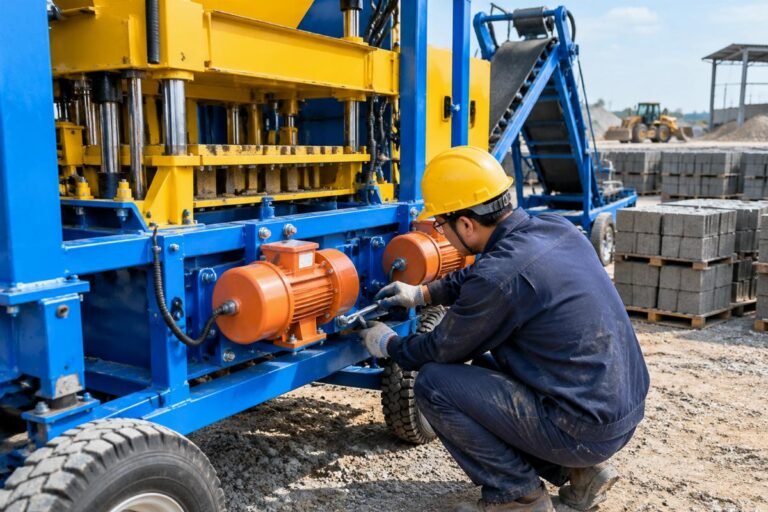
When performing a fully automatic block machine cleaning, special care must be taken around the vibration table. Concrete dust tends to settle in the gaps between the table and the frame. If left unchecked, this debris can interfere with the vibration transmission, reducing the compaction efficiency of the blocks. Regular removal of this dust ensures that the energy generated by the vibrators is fully transferred to the mold.
How to Perform a Standard End-of-Day Cleaning Routine?
A structured five-step process ensures thorough cleaning while protecting electrical and hydraulic components from water damage.
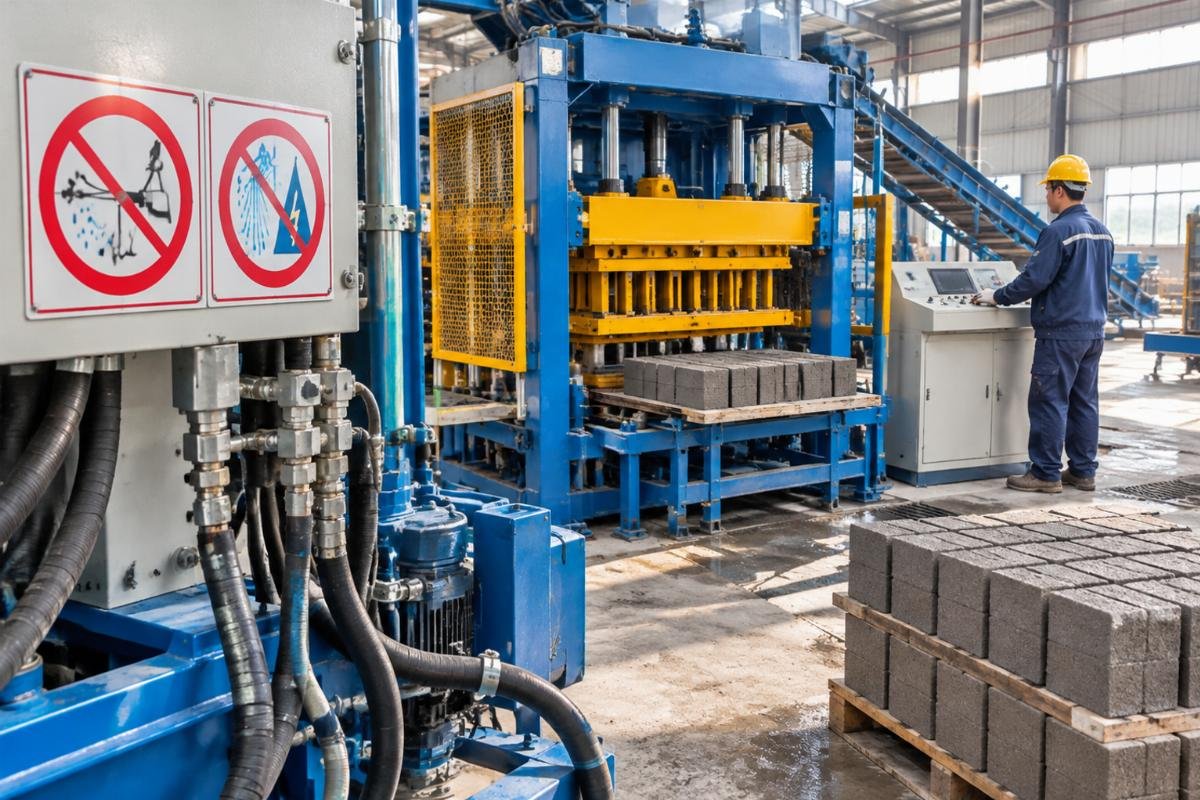
The goal of daily maintenance is to remove fresh concrete before it cures. This requires a balance between effective cleaning and equipment safety. Using excessive water or high-pressure jets near electrical panels can cause short circuits and corrosion, which is a common mistake in many plants. The following routine is designed to maximize cleanliness while minimizing risk.
- Power Down and Safety Lock: Before starting any cleaning, ensure the machine is completely powered off and locked out. This prevents accidental activation of the hydraulic system or vibration motors while personnel are working near moving parts.
- Dry Clean (Air Blowing): Use compressed air to blow away loose dust and dry concrete particles from the vibration table, conveyor belts, and sensor areas. This step removes the bulk of the abrasive material without introducing moisture, protecting electrical components. [NEED_CITE: safety standards for industrial equipment maintenance]
- Wet Clean (Controlled Rinse): Apply water to the mold cavities and feeding hopper. Use a low-pressure hose or a bucket with a soft brush to dislodge fresh concrete residue. Avoid spraying water directly onto the hydraulic power unit, electrical control box, or motor housings. For stubborn spots, use a plastic scraper instead of metal tools to prevent scratching the mold surface.
- Inspection: While the machine is clean, inspect the mold liners for signs of wear or cracking. Check the hydraulic hoses for leaks and ensure that all bolts on the vibration assembly are tight. This is the best time to spot issues because the dirt is gone.
- Protect (Anti-Rust Spray): After rinsing, wipe down exposed steel surfaces with a dry cloth to remove standing water. Apply a thin layer of anti-rust oil or spray to the mold cavities and guide rails. This creates a barrier against humidity, which is especially important in tropical climates.
In regions with limited water access, such as remote construction sites, this routine can be adapted. Operators can rely more heavily on the air-blowing step and use minimal water with specialized cleaning agents for the mold cavities only. This optimization reduces water consumption while still preventing concrete hardening.
What Common Mistakes Lead to Equipment Damage During Cleaning?
Avoiding high-pressure water on electronics and neglecting anti-rust treatment are essential to preventing costly repairs.
Even with good intentions, improper cleaning techniques can cause significant damage. One of the most frequent errors is using high-pressure washers on the entire machine. While effective for removing dirt from vehicles, high-pressure water can force its way past seals and into bearings, electrical connectors, and hydraulic valves. Once water contaminates the hydraulic oil, it can cause pump cavitation and valve sticking, leading to major system failures.
Another common mistake is ignoring the need for lubrication after cleaning. Water and cleaning agents can strip away existing lubricants from guide rails and moving joints. If these parts are not re-lubricated, they will suffer from increased friction and wear during the next startup. This is particularly true for the mold guiding columns, which require smooth movement to ensure precise block dimensions.
Operators should also avoid using acidic or highly alkaline cleaning agents unless specifically recommended by the manufacturer. These chemicals can corrode the steel surfaces of the mold and the frame, weakening the structural integrity over time. Neutral pH cleaners are generally safer for regular use. [NEED_CITE: chemical compatibility with industrial steel components]
Implementing a proper fully automatic block machine cleaning strategy means training operators to recognize these risks. It is not enough to simply tell them to "clean the machine"; they must understand why certain methods are dangerous. This knowledge empowers them to take ownership of the equipment’s health, reducing the likelihood of negligent damage.
How Does Proper Maintenance Impact Your ROI?
Reduced spare part costs and consistent production output maximize profit margins by minimizing unplanned stoppages.
The financial impact of maintenance extends beyond the cost of cleaning supplies. Unplanned downtime is one of the largest hidden costs in block production. When a machine fails due to neglected maintenance, production stops entirely. This delay can miss delivery deadlines, incur penalty clauses, and damage customer relationships. Moreover, emergency repairs often require expedited shipping for spare parts, which is significantly more expensive than standard logistics.
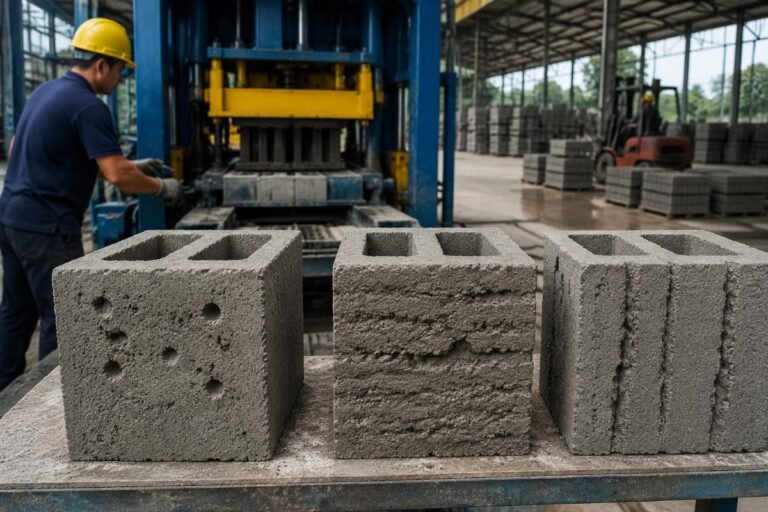
Consistent cleaning also ensures product quality. Blocks produced in dirty molds may have surface defects, incorrect dimensions, or weak spots due to poor compaction. These defective products cannot be sold at full price, reducing the overall revenue of the plant. By maintaining clean molds and vibration systems, producers ensure that every block meets the required standards, maximizing the yield from each batch of raw material.
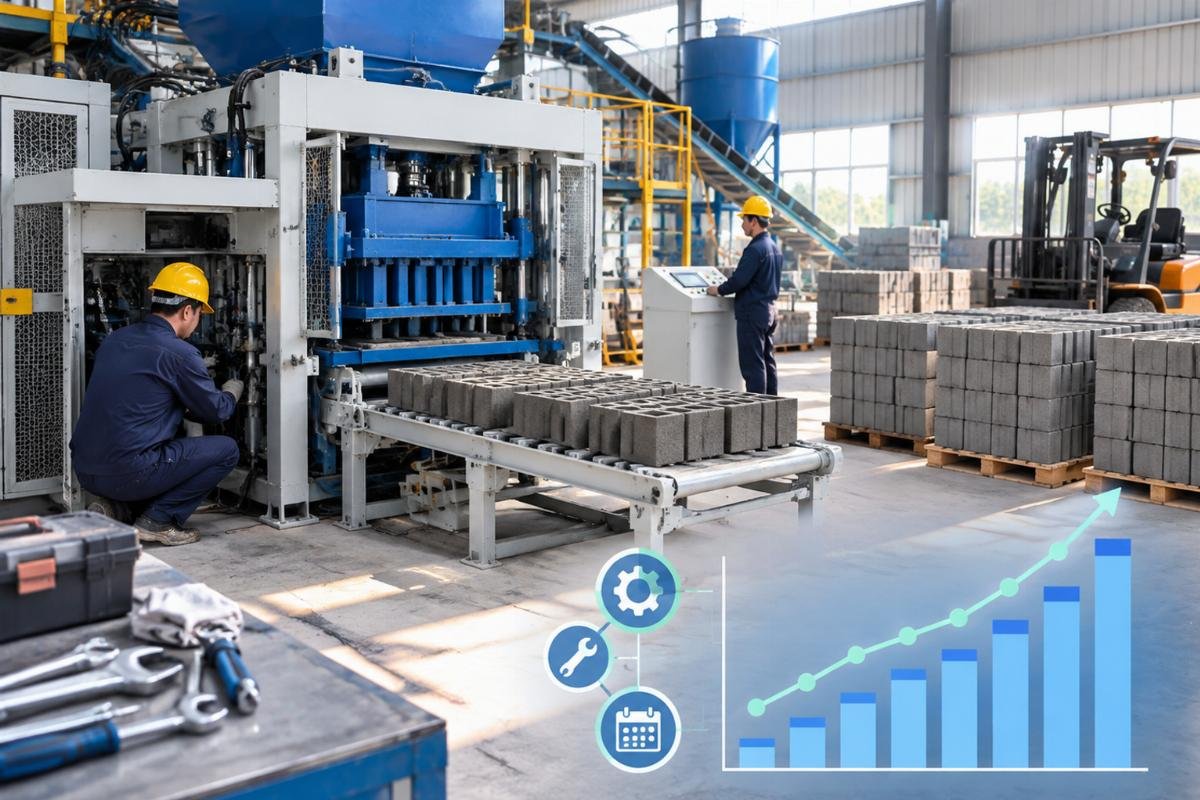
For small-scale investors, the return on investment is closely tied to equipment reliability. A well-maintained machine operates closer to its designed capacity, producing more blocks per hour with less energy waste. Over time, this efficiency translates into higher profitability. The initial effort invested in establishing a cleaning routine pays dividends through extended equipment life and reduced operational disruptions.
Conclusion
Effective maintenance is a disciplined practice that safeguards your investment and ensures consistent production quality.
Adopting a rigorous fully automatic block machine cleaning routine prevents the gradual degradation of critical components and avoids the high costs associated with emergency repairs. By focusing on key areas like mold cavities and sensors, and avoiding common pitfalls such as excessive water use, operators can extend the lifespan of their equipment. This proactive approach not only protects the machinery but also secures the operational stability needed for a successful block manufacturing business.
Leave a Reply