

cCSA Certified Belt Conveyor for Aggregates Manufacturer
Most buyers assume "heavy-duty" means thick rubber; the true differentiator is certified tensile core integrity under dynamic load.
A cCSA certified belt conveyor ensures that aggregate handling systems meet rigorous North American-style safety and performance standards, specifically validating fire resistance, anti-static properties, and tensile strength to prevent catastrophic joint failures in high-abrasion environments.
Years ago, I stood in the dust-choked air of a quarry in Nigeria, watching a production line sit idle. The belt had snapped at the splice joint, tearing through the carcass like wet paper. The plant manager pointed at the frayed edges and asked if the belt had ever been tested for such continuous heavy loads. I could not answer immediately because the documentation was vague, citing only generic manufacturing specs rather than specific safety certifications. That downtime lasted several days, costing far more than the price difference between a standard belt and a properly verified one. It became clear that aggregate工况 (operating conditions) demand more than just thickness; they require validated structural integrity. [NEED_CITE: common causes of conveyor belt failure in aggregate mining] Since then, my approach to specifying equipment has shifted from looking at physical dimensions to verifying certification documents that prove the belt can withstand the specific stresses of stone and gravel transport.
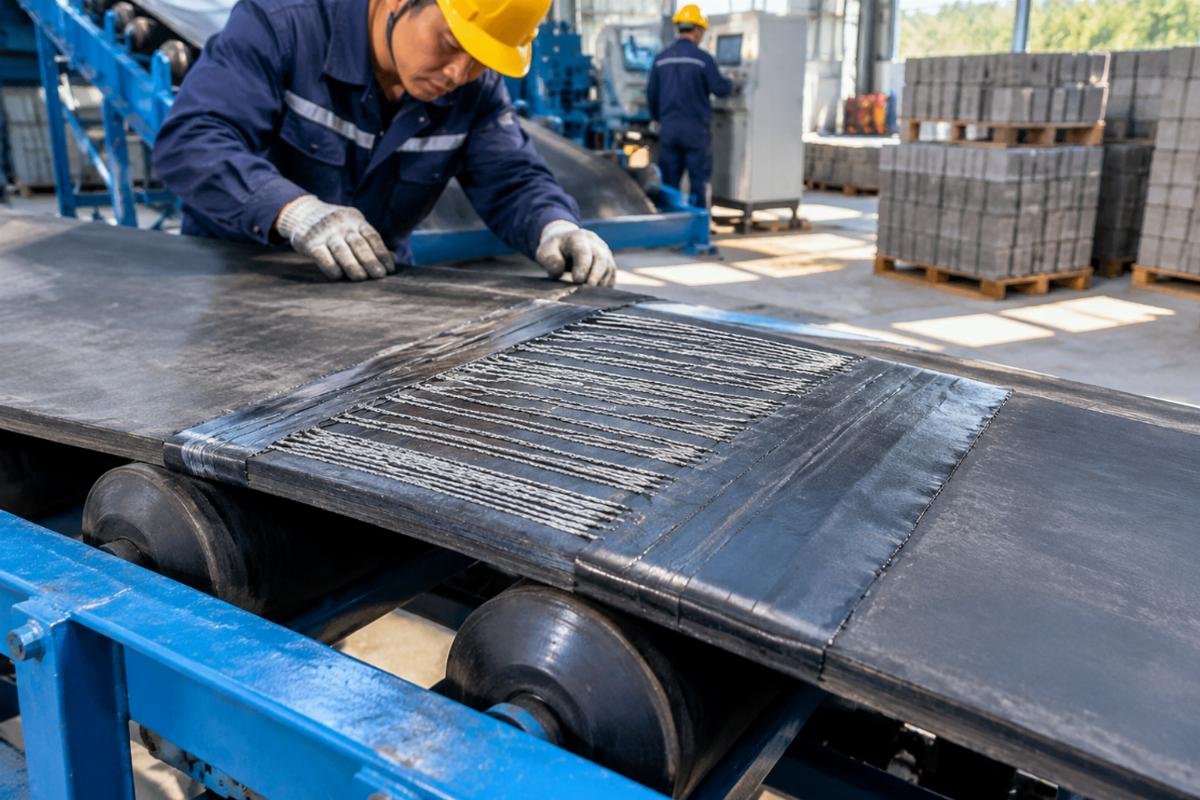
Understanding why this certification matters requires looking beyond the surface of the rubber. The cCSA certified belt conveyor is not just a label; it is a verification that the product has undergone testing for fire resistance and electrical conductivity, which are critical in dusty, enclosed transfer points where static discharge can ignite combustible dust. Many international tenders, especially in regions adopting strict safety protocols similar to North American standards, now require this specific validation to ensure operational continuity and worker safety.
What Is cCSA Certification and Why Does It Matter for Aggregates?
Certification validates safety and durability beyond basic manufacturing specifications, ensuring the belt can handle the unique abrasive and dynamic stresses of aggregate production.
In the world of bulk material handling, many suppliers claim their products are "industrial grade." However, without third-party validation, these claims often lack substantiation when faced with the reality of a stone quarry or a sand processing plant. The cCSA certified belt conveyor designation indicates that the product has been evaluated against stringent standards for fire resistance and anti-static properties. This is crucial because aggregate plants generate significant amounts of fine dust, which can become explosive under certain conditions. [NEED_CITE: safety standards for combustible dust in mining operations]
The misconception that CE marking covers all safety aspects is widespread. While CE indicates conformity with European health, safety, and environmental protection standards, it does not always address the specific fire and electrical safety rigor required by many international infrastructure projects. A cCSA certified belt conveyor fills this gap by providing assurance that the belt will not propagate flame and will dissipate static electricity effectively. This distinction is often the deciding factor in tender approvals for government-funded housing or road projects in Africa and Latin America, where safety compliance is non-negotiable.
From a procurement perspective, specifying a cCSA certified belt conveyor reduces the risk of regulatory non-compliance during site audits. I have seen projects in Southeast Asia stall because the installed conveyors failed local fire safety inspections, despite having ISO certificates. The inspectors were looking for specific test reports on fire propagation and static dissipation, which are core components of the cCSA evaluation. By choosing a system that already meets these rigorous criteria, plant managers avoid costly retrofits and legal hurdles.
Key Technical Parameters Verified Under cCSA Standards
Focus on tensile strength, fire resistance, and anti-static properties to ensure the belt survives the harsh aggregate environment.
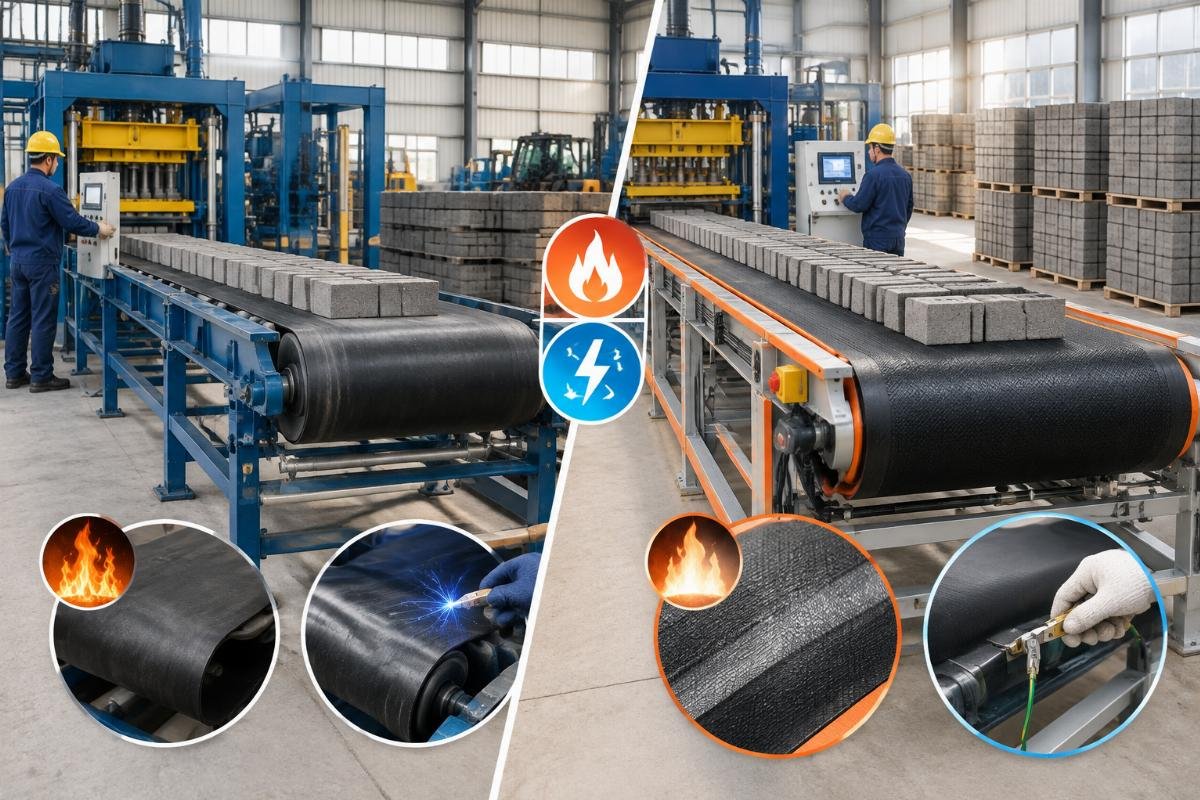
When evaluating a cCSA certified belt conveyor, three technical parameters stand out as critical indicators of performance. These are not merely marketing buzzwords but measurable traits that determine the lifespan and safety of the conveyor system.
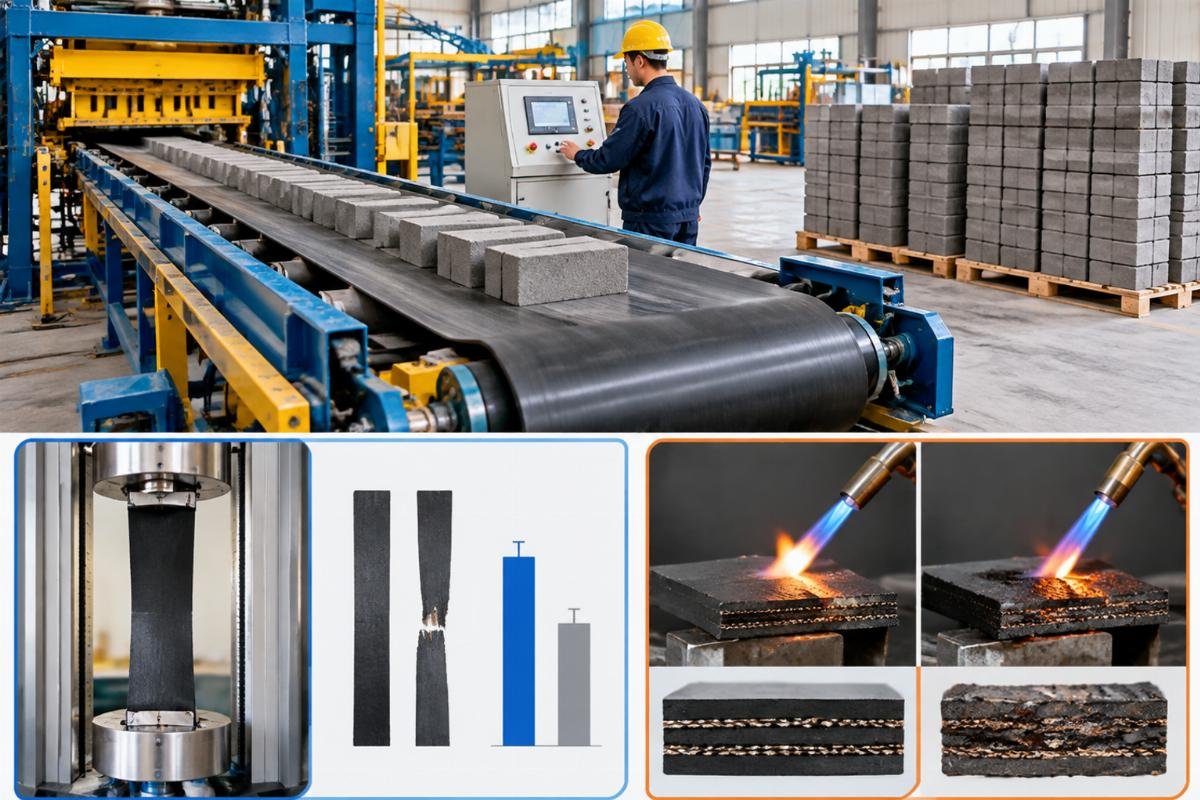
First, tensile strength ratings must align with the aggregate tonnage being moved. In aggregate handling, the belt is subjected to constant impact from sharp stones and heavy loads. A cCSA certified belt conveyor undergoes testing to verify that its tensile core—usually steel cord or high-strength fabric—maintains integrity under dynamic loading conditions. [NEED_CITE: ISO standards for conveyor belt tensile strength testing] Without this verification, belts may stretch excessively or snap at the splices, leading to unplanned downtime.
Second, fire resistance is paramount. Aggregate plants often operate in confined spaces or near other machinery where heat buildup is common. The certification process includes tests to ensure that the belt material does not sustain combustion once the ignition source is removed. This is a key differentiator from standard industrial belts, which may burn easily and contribute to fire spread.
Third, anti-static properties prevent the buildup of electrical charge. As the belt moves over rollers and through transfer points, friction generates static electricity. In a dusty environment, a static spark can be disastrous. A cCSA certified belt conveyor is tested to ensure it has low electrical resistance, allowing static charges to dissipate safely into the ground.
| Parameter | Standard Industrial Belt | cCSA Certified Belt Conveyor |
|---|---|---|
| Fire Resistance | Often untested or self-reported | Verified non-propagating flame |
| Anti-Static Properties | Variable, often high resistance | Low resistance, verified dissipation |
| Tensile Core Integrity | Basic manufacturing spec | Tested under dynamic load conditions |
| Documentation | Generic certificate | Detailed test reports per standard |
These parameters are not optional extras; they are essential for reliable operation. When sourcing a cCSA certified belt conveyor, buyers should request the original test reports that correspond to the specific batch number of the belt. This level of transparency is what separates reputable manufacturers from those who simply slap a label on a generic product.
Common Failures in Non-Certified Aggregate Conveyors
Uncertified belts risk joint tearing and fire hazards in dusty environments, leading to significant operational disruptions.
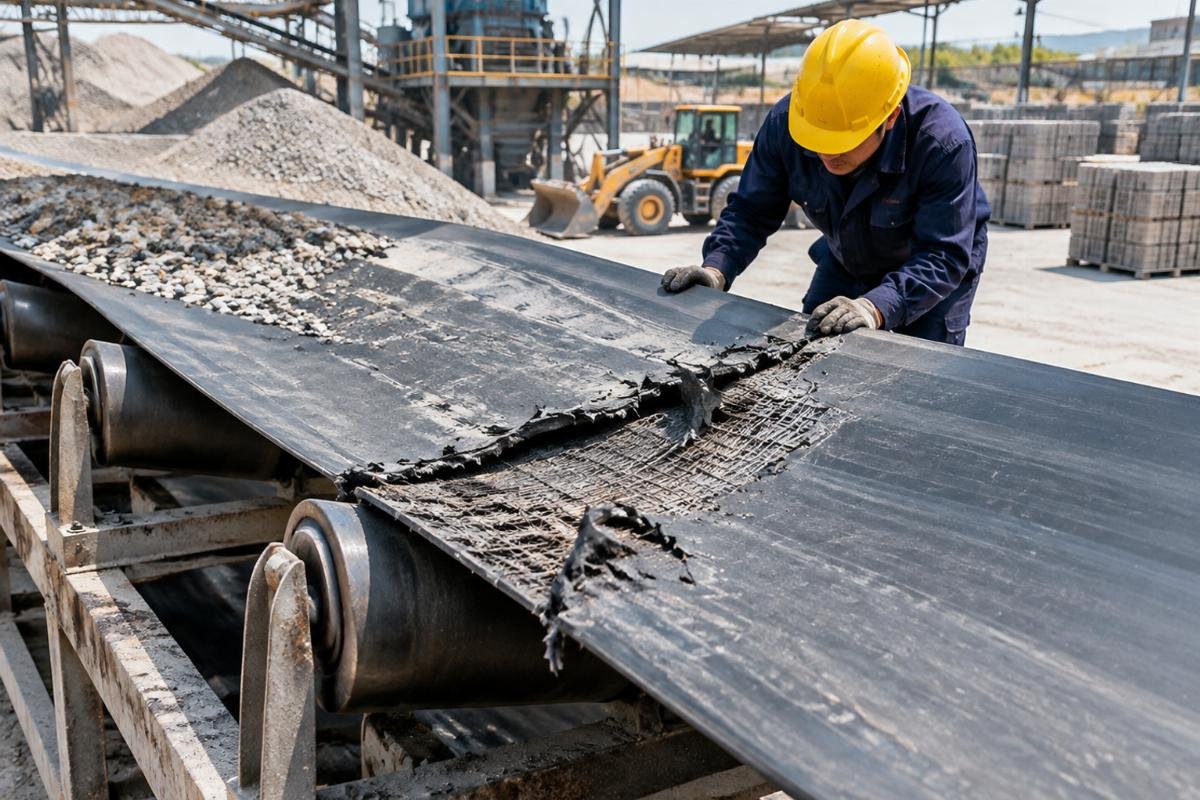
The consequences of ignoring certification requirements are often severe and costly. In one instance, a quarry in West Africa experienced a complete shutdown when a non-certified belt failed at the splice. The joint had not been designed to handle the specific impact forces of large granite stones, leading to a tear that propagated quickly along the belt length. The replacement process took several days, during which the entire production line was silent. [NEED_CITE: case studies of conveyor belt failures in mining]
Another common issue is the failure to meet local safety regulations during audits. A project in Southeast Asia faced rejection during a safety inspection because the installed conveyors lacked documented proof of fire resistance. The authorities required evidence that the belts would not contribute to a fire hazard, which the supplier could not provide. This led to a costly replacement of the entire conveyor system, delaying the project completion by months.
In Latin America, a tender for a major infrastructure project was rejected because the submitted documentation did not include the necessary certification for the conveyor belts. The client required proof that the equipment met international safety standards, including those similar to cCSA requirements. The lack of proper documentation disqualified the bid, despite the competitive pricing of the equipment.
These examples highlight that a cCSA certified belt conveyor is not just about performance; it is about risk management. Uncertified belts may seem cheaper initially, but the potential for downtime, safety violations, and replacement costs makes them a poor investment in the long run. The reliability of a cCSA certified belt conveyor ensures that the aggregate handling process remains continuous and compliant with safety regulations.
How to Verify Certification Documents for Your Project
Request original test reports and verify against batch numbers to ensure authenticity and compliance.
Verifying the authenticity of a cCSA certified belt conveyor requires a systematic approach. Buyers should not rely solely on the certificate provided by the supplier. Instead, they should request the original test reports from the certification body. These reports contain detailed information about the tests performed, including the methods used and the results obtained.
One effective method is to cross-reference the batch number on the belt with the batch number on the test report. This ensures that the specific belt being delivered has undergone the required testing. Reputable manufacturers of a cCSA certified belt conveyor will provide this level of traceability as part of their standard documentation package.
Additionally, buyers should check for the presence of specific markings on the belt itself. Certified belts often have embossed or printed marks indicating the certification status, such as the cCSA logo or a reference to the relevant standard. These markings serve as a quick visual check during installation and maintenance.
It is also advisable to consult with independent experts or third-party inspection agencies to verify the documentation. This adds an extra layer of assurance, especially for large projects where the cost of failure is high. By taking these steps, buyers can ensure that they are investing in a genuine cCSA certified belt conveyor that meets all necessary safety and performance requirements.
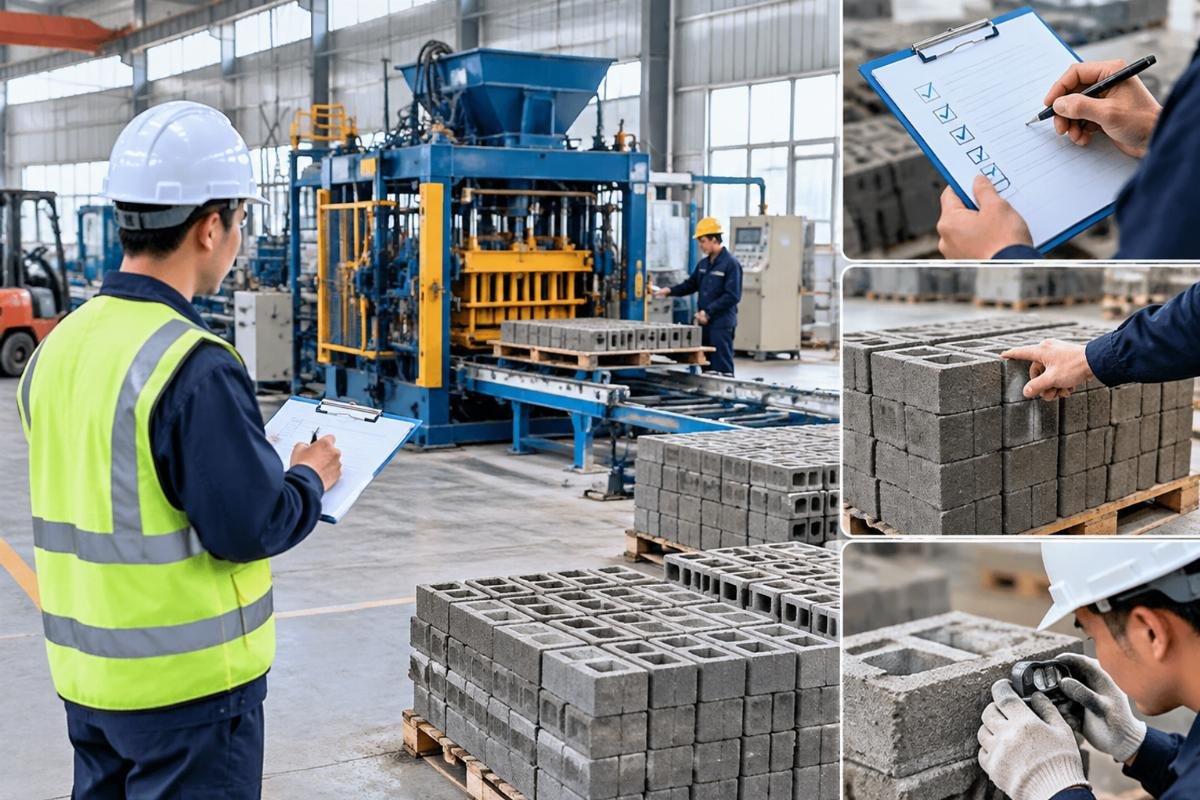
For projects requiring turnkey solutions, integrating a cCSA certified belt conveyor into the overall system design simplifies the compliance process. Manufacturers who specialize in aggregate handling equipment, such as those offering complete block and paver production lines, often include these certified components as part of their standard offering. This ensures that the entire system, from the batching plant to the final product stacking, meets the required safety and performance standards. By choosing a supplier who understands the importance of certification, buyers can avoid the pitfalls associated with uncertified equipment and ensure a smooth project execution.
Conclusion
Certification is the backbone of reliable aggregate handling, preventing costly failures and ensuring safety compliance.
A cCSA certified belt conveyor provides the necessary assurance that your equipment can withstand the rigorous demands of aggregate production. By focusing on verified tensile strength, fire resistance, and anti-static properties, plant managers can avoid the common pitfalls of uncertified belts. Always verify documentation through original test reports and batch numbers to ensure authenticity. This diligence protects your investment and ensures operational continuity in challenging environments.
Leave a Reply