

CE Certified Interlocking Block Machine Manufacturer for Sale
A printed CE logo on a brochure does not guarantee customs clearance.
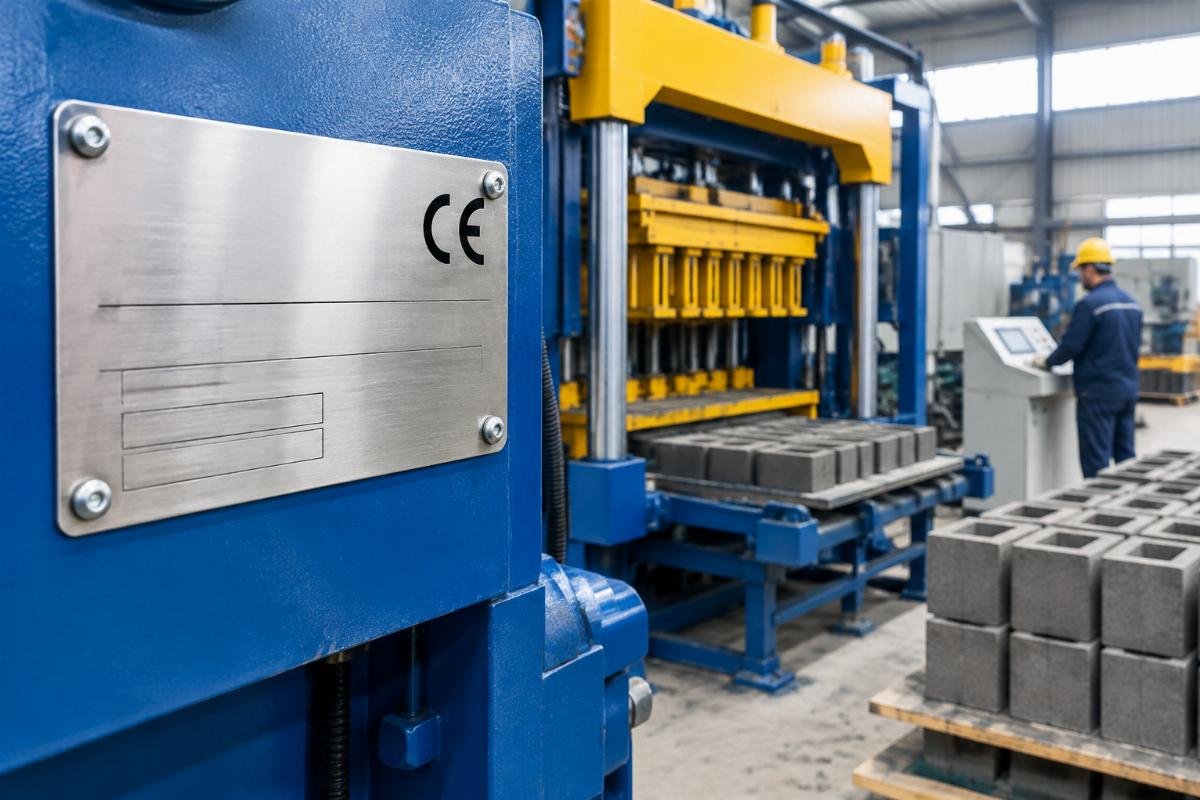
To successfully import an interlocking block machine, the CE certificate must strictly align with the Machinery Directive (2006/42/EC) and Low Voltage Directive (2014/35/EU), and the model number on the certificate must match the physical nameplate and commercial invoice character-for-character. Discrepancies in these documents are the primary cause of port detention, not the quality of the steel or hydraulics.
I still remember the humidity and the smell of diesel at the Lagos port office, watching a container sit idle while demurrage fees piled up. The issue was not that the machine lacked certification, but that the suffix on the certificate differed from the one stamped on the metal plate. That delay cost more than the profit margin on the entire order. Since then, I have learned that verifying a CE certified block making machine for sale is less about trusting a brand and more about auditing paper trails against physical reality. [NEED_CITE: common causes of customs rejection for machinery imports in Africa]
This guide breaks down how to validate compliance before you transfer funds, ensuring your equipment moves through customs without unnecessary friction.
What Does CE Certification Actually Cover for Block Machines?
CE marking is a safety declaration, not a quality award.
Many buyers assume that a CE mark implies the machine is durable or high-performance. In reality, it signifies that the manufacturer declares the product meets specific European health, safety, and environmental protection requirements. For concrete production equipment, this primarily involves the Machinery Directive and the Low Voltage Directive. [NEED_CITE: scope of EU Machinery Directive 2006/42/EC]
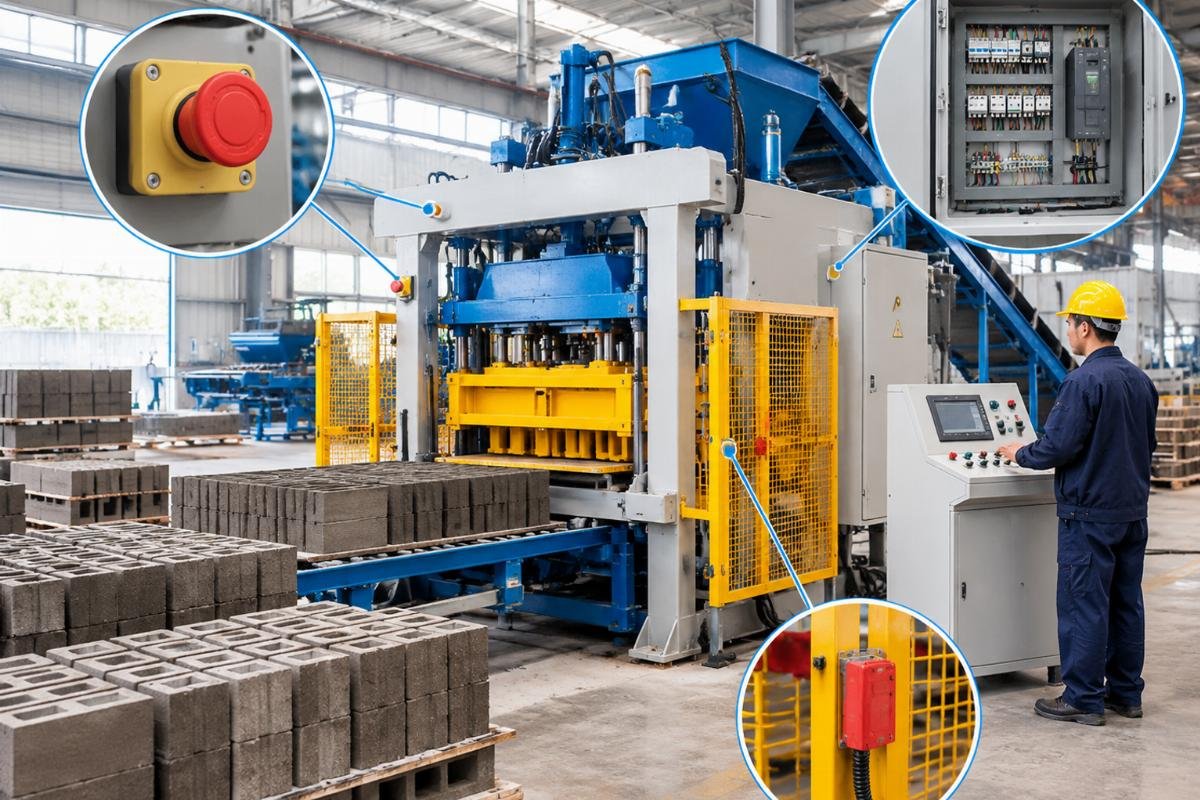
When evaluating a CE certified block making machine for sale, you must look beyond the logo. The certification covers critical safety features such as emergency stop circuits, protective guarding for moving hydraulic parts, and electrical grounding integrity. It does not certify the lifespan of the mold or the efficiency of the vibration motor.
A common misconception is that any testing agency can issue a valid CE certificate. While self-declaration is permitted for certain low-risk machinery, complex automated lines often require involvement from a notified body to hold weight in formal tenders. [NEED_CITE: difference between self-declaration and notified body certification under EU law]
Understanding this distinction helps you avoid paying premium prices for "certified quality" when you are actually paying for documented safety compliance.
Why Do Customs Reject "Valid" CE Certificates?
Minor textual discrepancies trigger major logistical failures.
Customs officers do not inspect the internal wiring of every container. They perform document checks. If the model number on the Declaration of Conformity reads "QT10-15A" but the commercial invoice lists "QT10-15", the shipment is flagged. This is not a matter of interpretation; it is a matter of data consistency.
I have seen shipments held for weeks because a single letter was missing from the model code on the packing list. The cost of storage and administrative fines often exceeds the price of the spare parts needed to fix a minor mechanical issue. When sourcing a CE certified block making machine for sale, insist that the supplier provides a pre-shipment document pack where the invoice, packing list, and certificate are cross-referenced.
| Document | Common Error | Correct Practice |
|---|---|---|
| Commercial Invoice | Model number abbreviated | Full model code matching nameplate |
| Certificate | Generic series listed | Specific serial/model range included |
| Nameplate | Sticker applied loosely | Permanently affixed metal plate |
| Packing List | Vague description | Detailed itemization matching invoice |
[NEED_CITE: importance of document consistency in international trade compliance]
This level of attention to detail separates professional manufacturers from trading companies that simply rebrand generic equipment.
How to Verify Your Supplier’s CE Documents Before Payment?
Trust the technical file, not the marketing PDF.
Before finalizing payment for a CE certified block making machine for sale, request the Declaration of Conformity (DoC). This is the legal document that matters, not the decorative certificate often displayed on websites. The DoC must list the specific directives applied and the standards used for assessment.
Check the following steps:
- Verify the Directive: Ensure it cites the Machinery Directive (2006/42/EC). If it only cites ISO standards without referencing EU directives, it may not be valid for customs purposes in regions that recognize CE.
- Match the Model: Compare the model number on the DoC with the technical datasheet. They must be identical.
- Check the Signatory: The document should be signed by an authorized representative of the manufacturing entity, not a third-party agent unless explicitly stated.
In my experience, suppliers who are transparent about their technical files are more likely to have robust after-sales support. If a supplier hesitates to share the DoC before payment, consider it a red flag. [NEED_CITE: best practices for verifying supplier documentation in machinery procurement]
Common Pitfalls in Interlocking Machine Electrical Compliance
Wiring diagrams reveal more than voltage ratings.
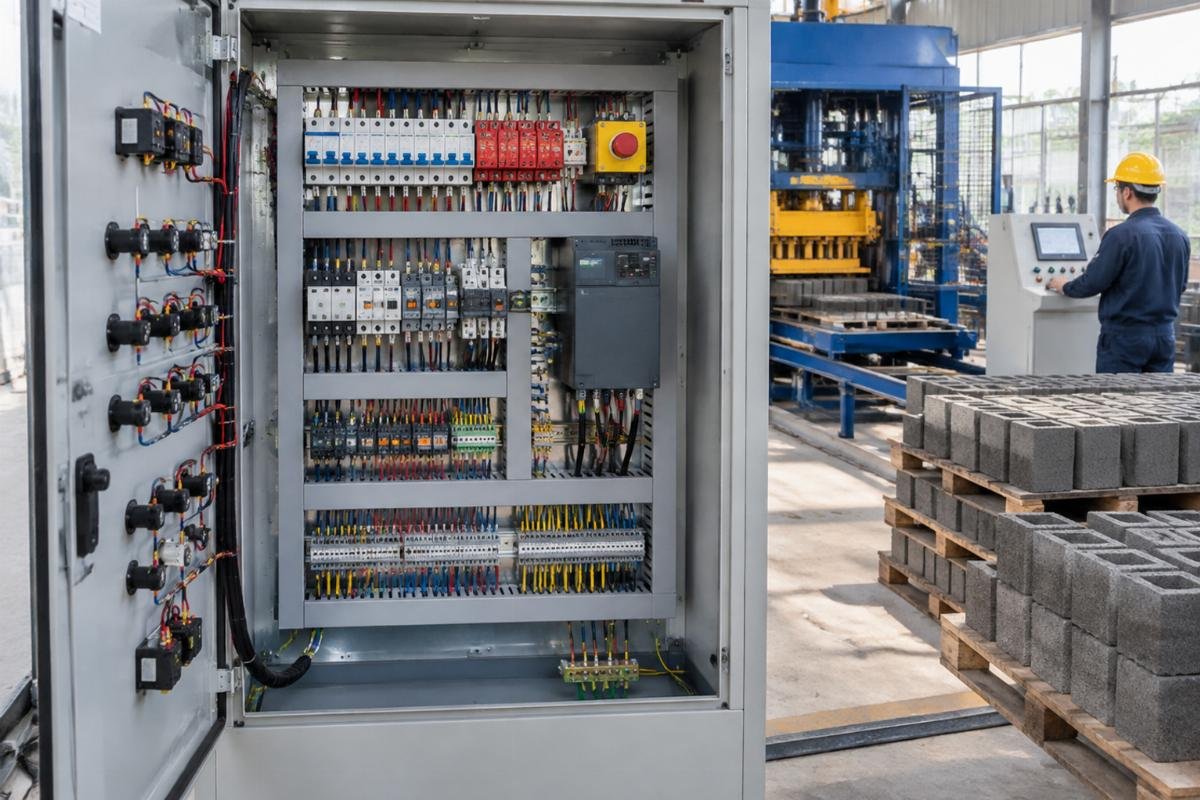
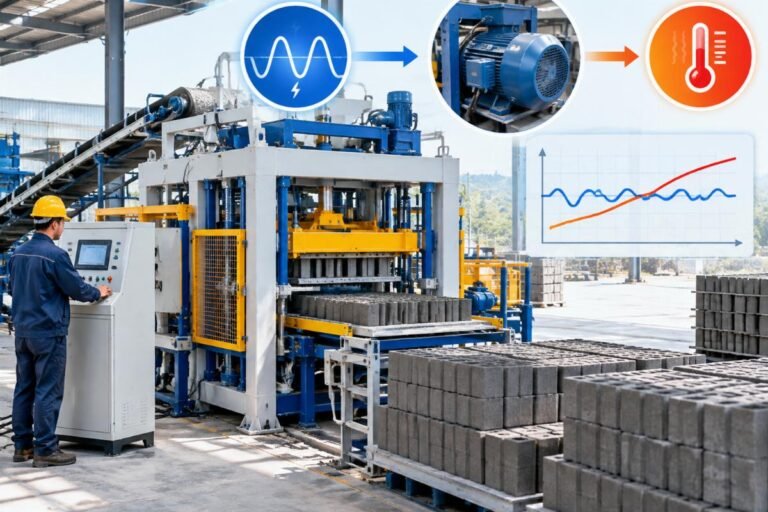
Electrical compliance is where many machines fail on-site inspections. Even if the paperwork is perfect, the physical installation may not meet the declared standards. Common issues include inadequate grounding, lack of proper insulation for high-voltage components, and missing emergency stop buttons at accessible locations.
During a site audit for a project in East Africa, an inspector rejected a machine because the emergency stop circuit was wired in parallel rather than series. This meant that pressing one button did not necessarily cut power to all hazardous movements. Such errors are not visible in photos but are critical for safety compliance. [NEED_CITE: electrical safety requirements for industrial machinery]
When purchasing a CE certified block making machine for sale, ask for the electrical schematic. A reputable manufacturer will provide clear diagrams showing the layout of relays, contactors, and safety circuits. This allows your local electrician to verify compliance before the machine is even uncrated.
Ensuring electrical integrity protects your operators and prevents costly retrofits after installation.
Conclusion
Verification is cheaper than detention.
Importing heavy machinery requires diligence beyond price comparison. By focusing on the alignment of documents, understanding the scope of safety directives, and checking electrical schematics, you mitigate the risk of customs delays and safety hazards. A true CE certified block making machine for sale comes with transparency, allowing you to verify compliance before the ship leaves the port.
Leave a Reply