

SASO Compliant Egg-Layer Block Machine Manufacturer for Sale
A CE mark is not a passport to Saudi Arabia.
To clear customs in the Kingdom of Saudi Arabia, an egg-layer block machine requires a valid IECEE CB Certificate linked to specific IEC standards, a pre-shipment inspection report, and a verified factory audit file. Basic conformity declarations are insufficient for electrical machinery like the QMY series, and missing these documents results in immediate cargo rejection at ports such as Dammam or Jeddah.
I learned this lesson the hard way on a dusty afternoon in Riyadh. A local contractor, referred by a long-term client from Mexico, was eager to deploy a new mobile production line. We had shipped similar units to Latin America with standard CE documentation without issue. Confident in our track record, we processed the order for a QMY6-25 unit using the same paperwork package. The machine arrived at Dammam Port, but it never left the terminal. The customs officers did not even open the container. They simply checked the digital registry, found no link to an IECEE CB Scheme certificate, and flagged the shipment. The daily demurrage costs began to accumulate, quickly surpassing the profit margin of the entire deal. That silence from the port office taught me that compliance is not a sticker you apply at the end of production; it is a document chain that starts the moment you sign the proforma invoice. [NEED_CITE: SASO technical regulations for electrical equipment]
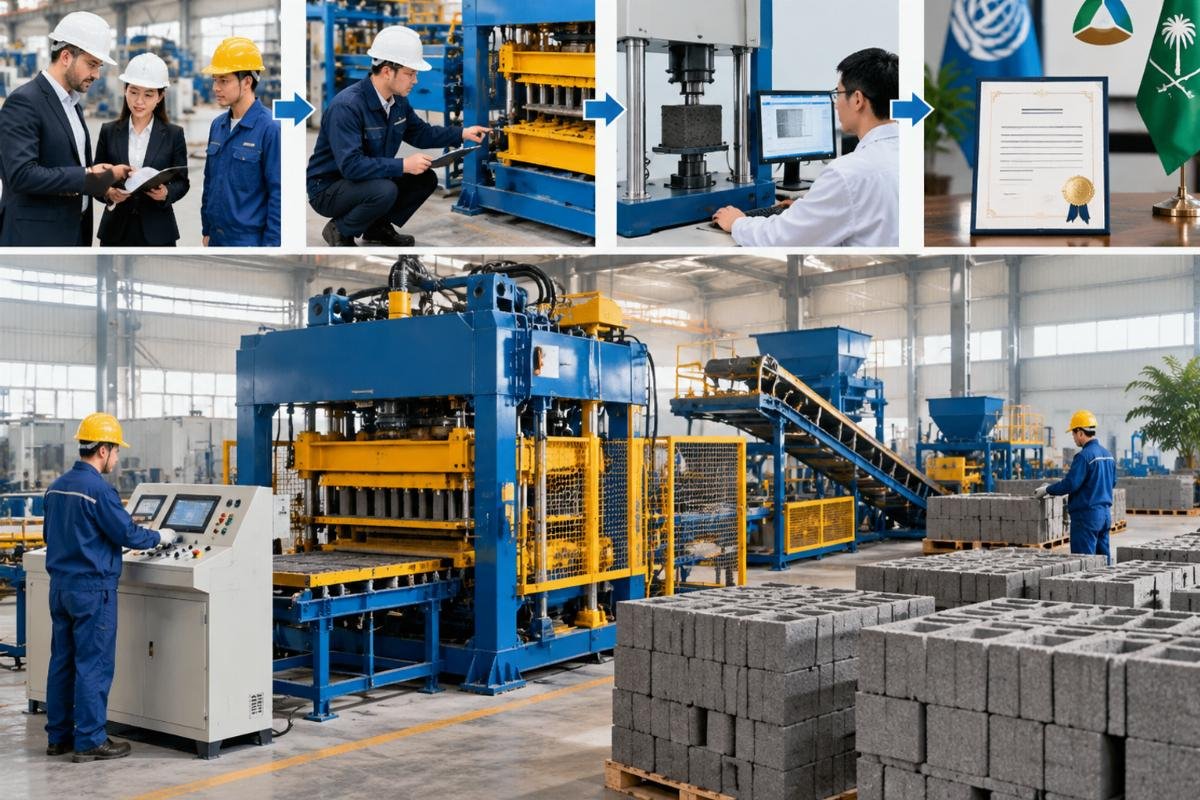
Understanding this distinction is critical for any importer looking to source a SASO compliant egg-layer block machine manufacturer for sale. The gap between European norms and Saudi requirements is narrower than many assume, yet wide enough to trap unprepared buyers.
Why Did My Block Machine Get Stuck at Dammam Port?
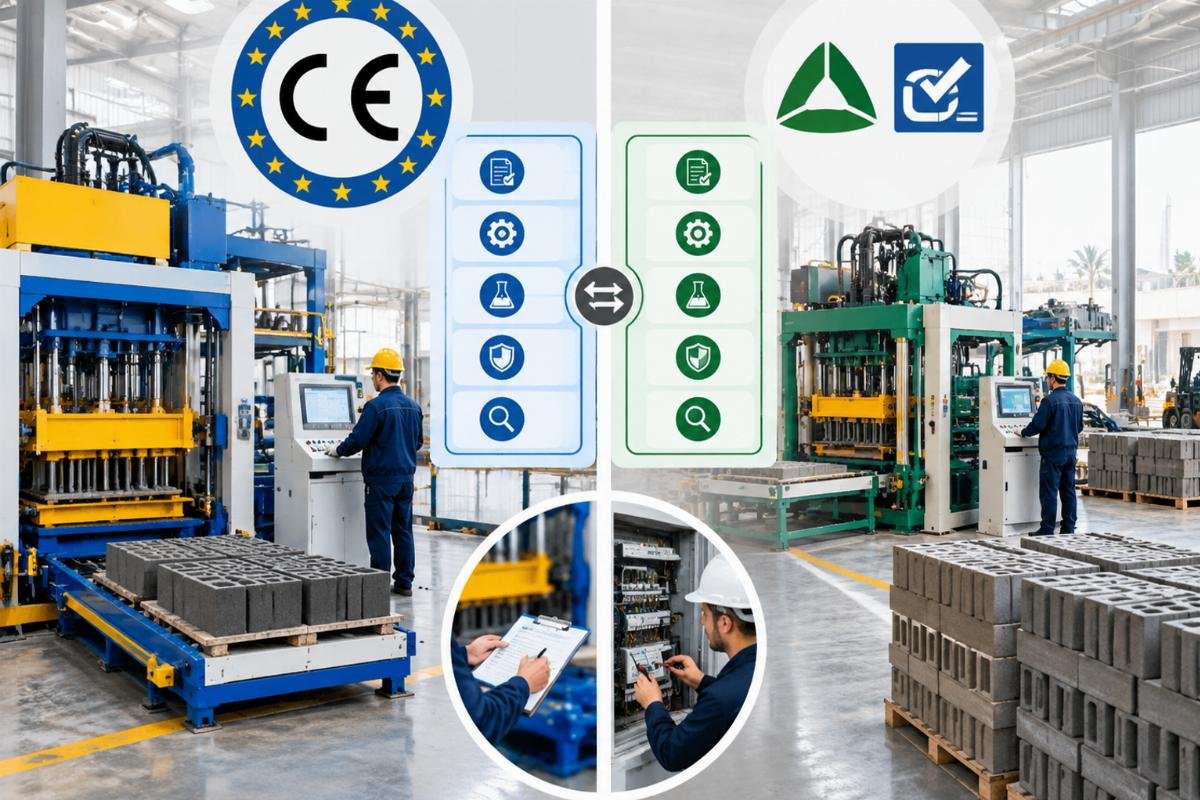
The primary reason for customs delays is the misconception that CE certification automatically satisfies Saudi Arabian Standards Organization (SASO) requirements. While both frameworks aim to ensure safety, they operate on different verification mechanisms. CE marking is often a self-declaration by the manufacturer, whereas SASO compliance for electrical machinery mandates third-party validation through the IECEE CB Scheme. [NEED_CITE: Difference between CE self-declaration and IECEE CB Scheme requirements]
For an egg-layer machine, which relies heavily on hydraulic pumps and electrical control panels, the risk is concentrated in the power components. Customs officers in Saudi Arabia do not physically test every unit upon arrival. Instead, they verify the digital footprint of the certification. If the serial number of the electrical panel or the main motor does not match the records in the IECEE database, the clearance process halts.
I recall a distributor in Jeddah who was preparing a tender for a government housing project. He assumed that because his supplier had ISO 9001 certification, the machines would pass scrutiny. However, the tender required full IECEE CB Scheme certificates for all electrical components. The supplier had to halt production to engage a certified body for testing, extending the lead time significantly. This delay was not due to manufacturing complexity but to the absence of pre-existing compliance infrastructure.
When sourcing from a SASO compliant egg-layer block machine manufacturer for sale, buyers must recognize that the "compliance" refers to this digital verifiability. It is not enough to have a paper certificate; the certificate must be active and linked to the specific model being imported. The failure to recognize this nuance leads to situations where cargo sits idle, incurring storage fees that can erode the financial viability of the project.
What Documents Actually Clear Customs for Egg-Layer Machines?
Clearing an egg-layer block machine through Saudi customs requires a specific triad of documents. Missing any one of these creates a bottleneck that cannot be resolved at the port of entry.
- IECEE CB Certificate: This is the cornerstone of electrical compliance. It confirms that the machine’s electrical system meets International Electrotechnical Commission (IEC) standards. For block machines, this typically involves IEC 60204-1 for the safety of machinery electrical equipment. [NEED_CITE: IEC 60204-1 standard application for industrial machinery]
- Test Reports: These are detailed documents generated by accredited laboratories. They provide the technical data backing the CB Certificate. For a QMY series machine, these reports must cover insulation resistance, grounding continuity, and protection against electric shock.
- Factory Audit Report: SASO requires evidence that the manufacturing facility maintains consistent quality control. This is not a one-time check but a periodic assessment of the production lines and quality management systems.
| Document Type | Verification Level | Common Pitfall |
|---|---|---|
| IECEE CB Certificate | Third-Party Verified | Using expired or non-linked certificates |
| IEC Test Reports | Laboratory Accredited | Missing specific clauses for hydraulic controls |
| Factory Audit Report | Regulatory Body Approved | Assuming ISO 9001 replaces SASO factory audit |
A startup investor in Dammam once assumed that a "Made in China" label and a basic quality certificate were sufficient. He faced a rude awakening when customs demanded the specific SASO Quality Mark for mechanical safety, which requires the above documentation trail. The cost of rectifying this oversight included not only the fees for retroactive testing but also the opportunity cost of delayed project commencement.
When evaluating a SASO compliant egg-layer block machine manufacturer for sale, request these three documents before making any payment. Verify the IECEE reference number on the official portal. If the supplier hesitates or provides vague assurances, it is a clear indicator that their compliance framework is incomplete.
How to Verify Your Supplier’s SASO Readiness Before Payment?
Verification is a proactive step that protects your investment. Many buyers wait until the bill of lading is issued to check compliance, which is too late. The verification process should be integrated into the supplier selection phase.
Start by requesting the IECEE reference number for the specific model you intend to purchase. Do not accept a generic certificate for the brand; it must be model-specific. Enter this number into the IECEE online directory. If the status is not "Valid," or if the scope does not cover the relevant IEC standards, the certificate is useless for Saudi customs. [NEED_CITE: IECEE Certification Body directory usage guide]
Next, ask for the test reports. Review them for the specific clauses related to mobile machinery. Egg-layer machines vibrate during operation, which can loosen electrical connections. The test reports should demonstrate that the machine has undergone vibration testing and that the electrical enclosures meet the required ingress protection ratings.
Finally, inquire about the factory audit status. A reputable manufacturer will have a recent audit report from a recognized body. This report ensures that the machine you receive is built to the same standards as the one tested. Without this link, there is no guarantee of consistency.
I once worked with a buyer who skipped this verification step to save time. He received a machine that looked identical to the certified model but had a different brand of circuit breakers. Customs rejected it because the component traceability did not match the test reports. The cost of replacing the electrical panel locally was substantial, and the delay disrupted his construction schedule.
Choosing a SASO compliant egg-layer block machine manufacturer for sale means choosing a partner who transparently shares these verification tools. It shifts the risk from the buyer to the manufacturer, ensuring that the compliance burden is managed before production begins.
Step-by-Step: From Quote to Clearance for QMY Series Machines
Integrating compliance into the procurement timeline ensures a smooth transition from order to operation. Here is a structured approach to managing the process for QMY series machines.
- Pre-Quote Verification: Before requesting a formal quote, confirm that the supplier holds valid IECEE certificates for the QMY model. Ask for the certificate number and verify it independently. This step filters out suppliers who are not truly compliant.
- Contractual Inclusion: Include specific compliance clauses in the proforma invoice. State that the supply is contingent upon the provision of valid IECEE CB Certificates and test reports. This legal safeguard ensures that the supplier is contractually obligated to deliver compliant documentation.
- Production Monitoring: During the manufacturing phase, request photos of the electrical panel and nameplates. Ensure that the serial numbers match those listed in the certification documents. Any deviation must be addressed before shipment. [NEED_CITE: Importance of component traceability in IEC compliance]
- Pre-Shipment Inspection: Engage a third-party inspection agency to verify the machine against the technical specifications and compliance documents. This inspection serves as a final check before the goods leave the factory.
- Digital Submission: Submit the compliance documents to the SASO online portal before the ship arrives. This pre-clearance step accelerates the physical clearance process at the port.
A common mistake is treating compliance as a shipping accessory. In reality, it is a core component of the product. For example, a Middle East contractor recently streamlined his procurement by integrating these steps into his standard operating procedure. He reduced his clearance time from weeks to days, avoiding demurrage costs entirely.
By following this method, you ensure that your SASO compliant egg-layer block machine manufacturer for sale delivers not just a machine, but a fully documented asset ready for immediate deployment. This approach minimizes risk and maximizes the return on investment for your construction projects.
Conclusion
Compliance is a prerequisite, not an afterthought.
Successfully importing an egg-layer block machine into Saudi Arabia requires more than just a reliable machine; it demands a rigorous adherence to SASO and IECEE standards. By verifying certifications early, understanding the required documentation, and integrating compliance checks into the procurement timeline, buyers can avoid costly delays and ensure smooth customs clearance. Partnering with a manufacturer who prioritizes these regulatory requirements transforms a potential logistical nightmare into a seamless operational advantage.
Leave a Reply