
Description
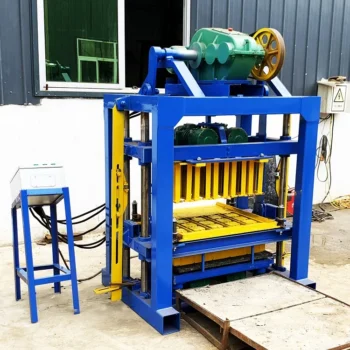
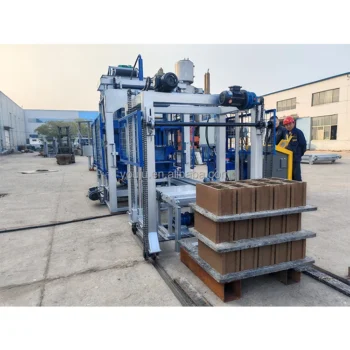
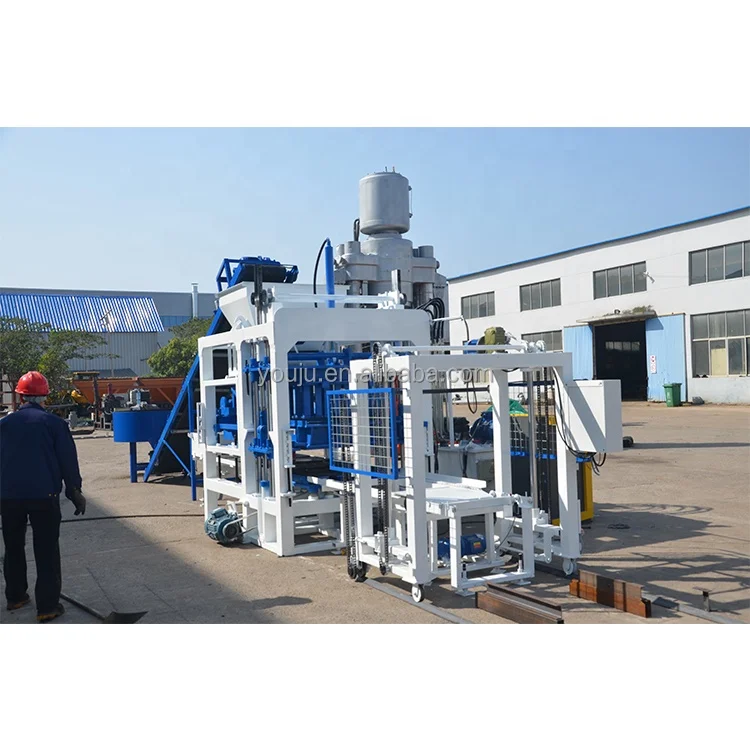
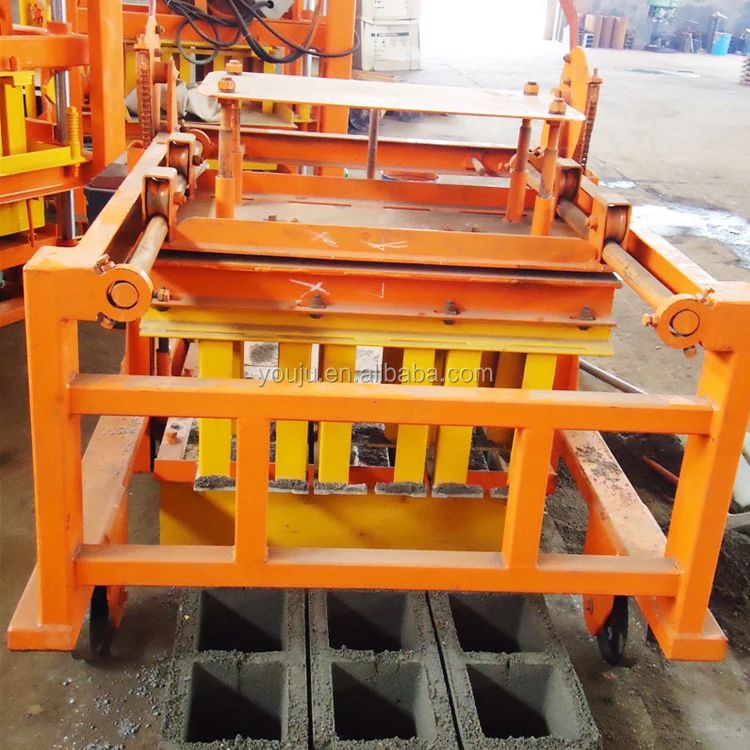
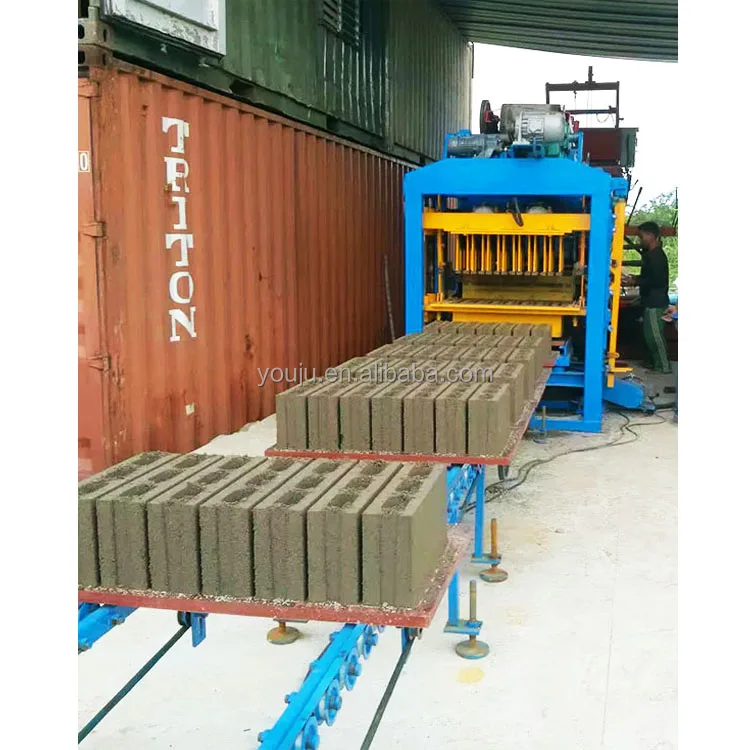
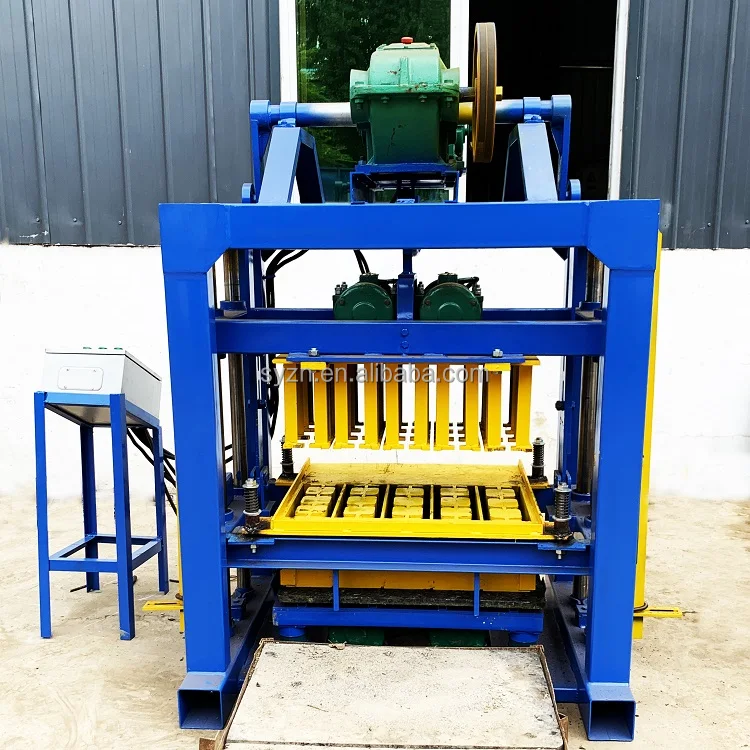
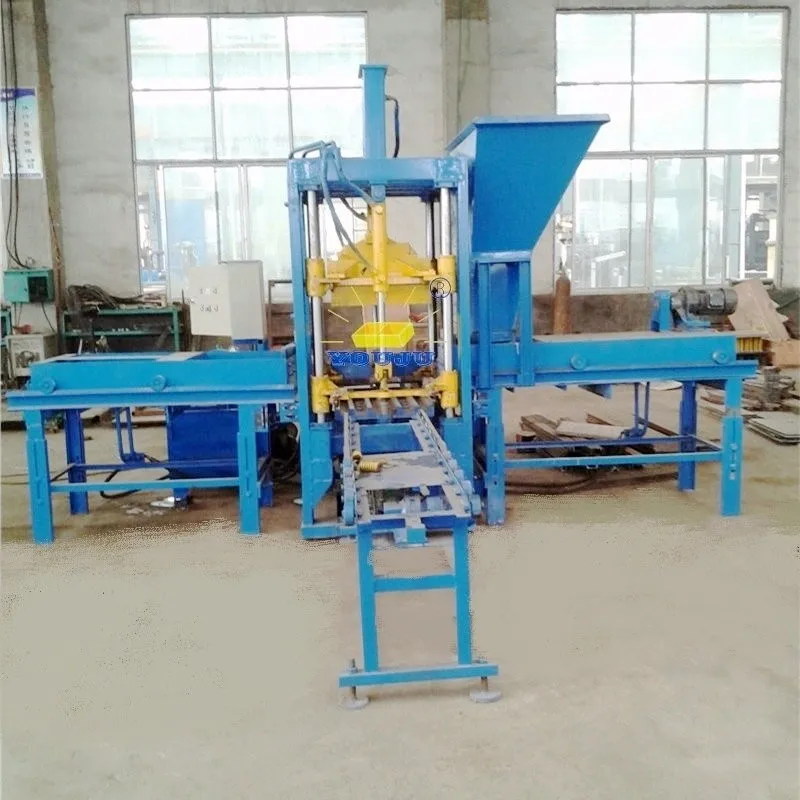
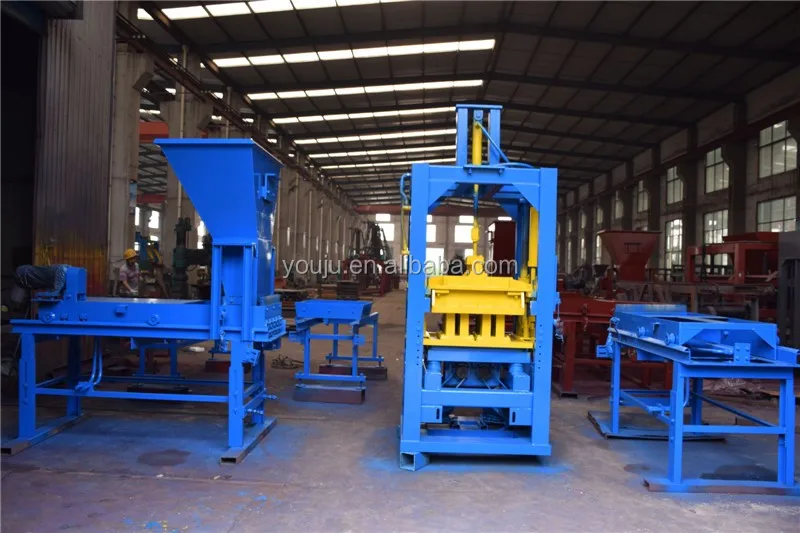
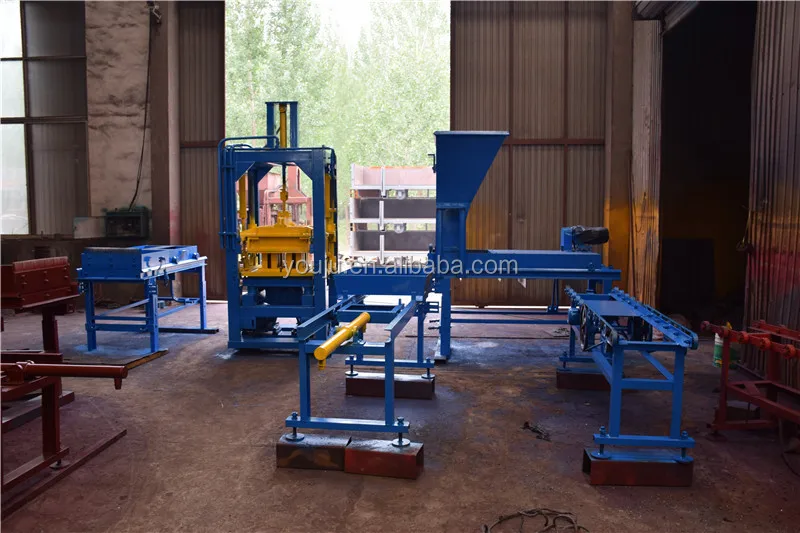
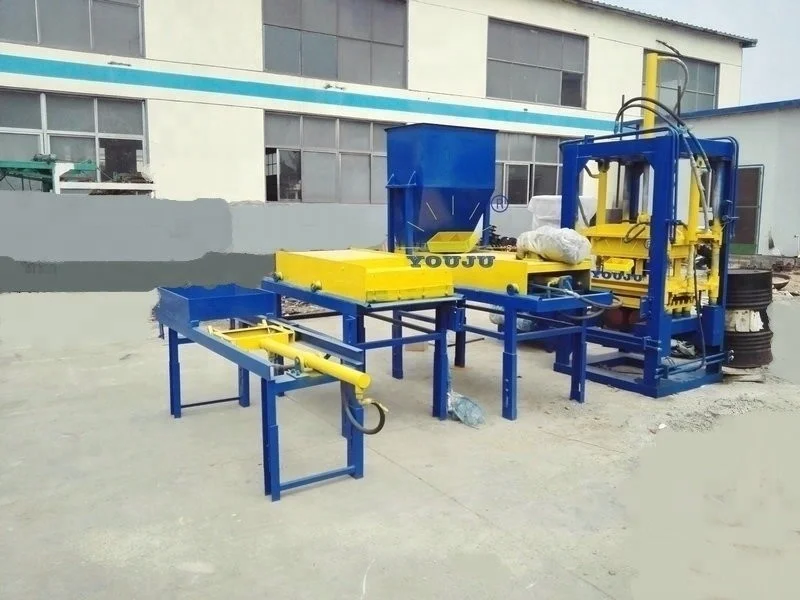
Dispatch-ready configuration — QTF3-20 block machine in stock, pallet size and hydraulic cycle verified against your raw material before container loading.
Technical Specifications
| Parameter | Value |
|---|---|
| Model | QTF3-20 |
| Product Type | Stationary Hydraulic Block Making Machine |
| Main Vibration Form | Platform vibration and pressure |
| Vibrating Frequency | 4600 rolls/minute |
| Cycle Time | 20 seconds (basis not stated in source — confirm block format / material / thickness) |
| Motors Power | 14.25 kW |
| Pallet Size | 680 × 530 mm |
| Hydraulic Drive | Compression molding |
| Raw Materials | Crushed stone, sand, cement, fly ash, cinder, slag, gangue, gravel, perlite |
| Applied Products | Hollow blocks, solid blocks, paving stones, kerbstones, interlocking blocks, grass blocks, slope blocks |
| Standards | CE, ISO 9001 |
Application Suitability
| Application | Material or Output |
|---|---|
| Urban wall block production | Crushed stone, sand, cement, fly ash blends |
| Rural masonry supply | Cinder, slag, gangue with cement binder |
| Roadway and pavement projects | Paving stones with or without face mix layer |
| Landscaping and garden products | Grass blocks, edgers, interlocking pavers |
| Slope protection works | Interlocking slope blocks from local aggregate |
| High-volume fly ash brick runs | High-mixture fly ash solid brick formulations |
What "20-Second Cycle" Actually Means for Your Project Deadline
Cycle time is only honest when tied to a specific block format, material blend, and thickness.
I have watched contractors lose weeks on-site because a quoted cycle assumed a light solid brick while they were running a 200 mm hollow block with volcanic ash aggregate. The machine physically cannot compress that mix in the same window, and the vibration curve needs retuning before the daily output matches the project schedule. When you are sourcing a QTF3-20 block machine in stock, the lead time advantage disappears if the machine arrives configured for a mix you cannot buy locally [NEED_CITE: mix design and local aggregate impact on block machine cycle time]. The stock advantage only holds when the configuration matches your actual raw material supply chain.
Stock Availability and Dispatch Lead Time
The QTF3-20 block machine in stock means the main press frame, hydraulic station, and platform vibration assembly are built and factory-tested, not sitting as sub-assemblies waiting for a buyer. This matters when your construction contract has milestone penalties tied to block delivery. A stocked unit can move from factory test to container loading within a compressed window, removing the production queue that delays made-to-order machines.
Container Loading and Arrival Estimation
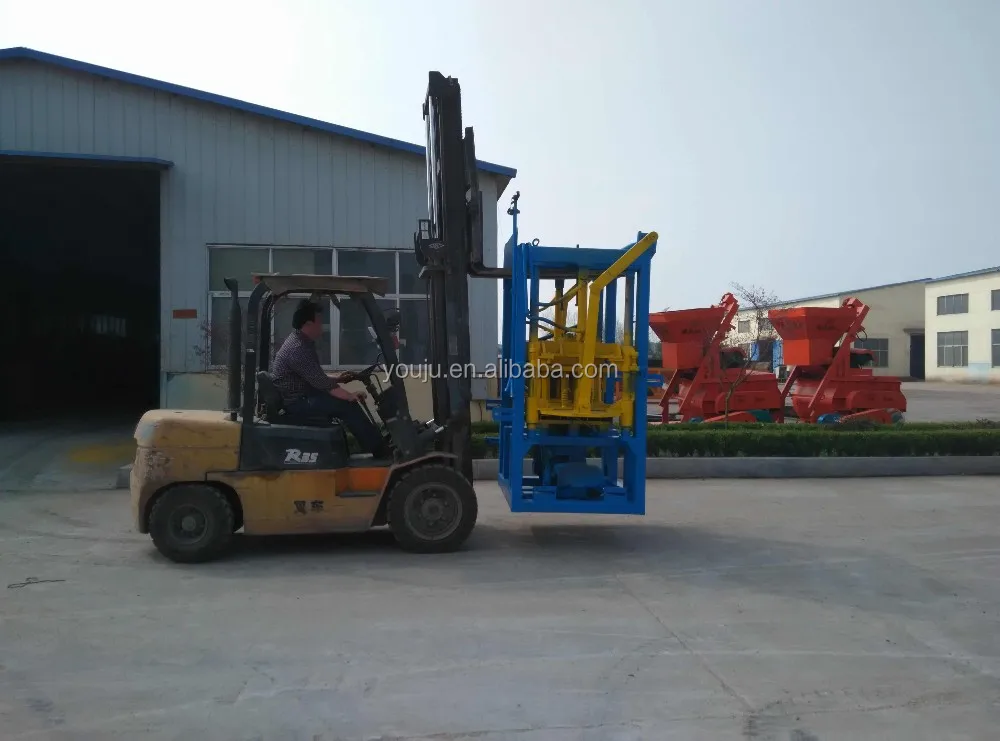
Machine dismantling for shipment follows a fixed sequence: hydraulic hoses capped, vibration platform secured, control cabinet wrapped and crated separately. A standard 40-foot container accommodates the QTF3-20 block machine in stock along with a starter set of pallets and one or two mould formats. Arrival estimates depend on destination port schedules and should be confirmed at the time of order, not assumed from generic transit tables [NEED_CITE: ocean freight transit variability for industrial machinery].
Pallet Size, Vibration Force, and Block Density
The 680 × 530 mm pallet defines the maximum mould footprint and directly determines how many blocks you produce per cycle. Platform vibration at 4600 rolls/minute works in combination with hydraulic compression molding to consolidate the mix. If the vibration frequency is too low for a fine aggregate like fly ash, the block surface will be porous and edges will crumble. If hydraulic pressure is excessive for a lightweight cinder mix, you crush the aggregate structure instead of compacting it. The 14.25 kW motor package drives both the vibration platform and the hydraulic pump, meaning the two forces must be balanced against each other rather than independently maximized [NEED_CITE: hydraulic and vibration balance in concrete block molding].
The Cost of Ordering Without Confirming Your Local Mix
Buyers who order a stocked machine without disclosing their aggregate source often discover the problem during commissioning, not during production. A machine set for river sand and Portland cement will underperform when fed crushed coral or volcanic scoria, producing blocks that fail compressive strength tests. Retuning the vibration curve and hydraulic pressure on-site takes days of trial pressing, and every failed batch is wasted cement. The stock advantage is lost when the machine arrives misconfigured for local materials [NEED_CITE: aggregate variability and block compressive strength standards].
Why Procurement Through This Channel Works for Tight Schedules
Block machinery remains the single operational focus, so the QTF3-20 block machine in stock is specified as a matched system — press, mould, pallet, and handling — rather than assembled from unrelated suppliers. Dispatch lead time is quoted upfront with the container loading plan, so you know the arrival window before payment. Factory test records and packing photographs are provided before the machine leaves the floor. The configuration conversation happens before shipment, covering your voltage, frequency, and control language requirements so commissioning does not stall on arrival.
Documentation & Verification
- Factory test record showing cycle time on your specified block format
- Pallet specification sheet matching your curing area and forklift dimensions
- Voltage and control language confirmation signed before dispatch
- Container loading plan with dismantling and reassembly instructions
- CE declaration and ISO 9001 compliance documentation for customs
- Operation and maintenance manual with wear parts and mould list
Installation, Commissioning & Support
- Foundation slab must support 14.25 kW vibration loads without resonance transfer
- Hydraulic station requires dedicated circuit matching confirmed voltage and frequency
- Platform vibration assembly re-secured after transit before first production run
- Mould change procedure demonstrated on your ordered format during commissioning
- Pallet feeding and handling workflow mapped to your 680 × 530 mm pallet stock
- Wear parts list provided with first replacement intervals for hydraulic seals and vibration mounts
What We Need to Confirm Before Dispatch
To ensure the stocked QTF3-20 ships configured for your site, provide your target block format with dimensions, the raw materials you source locally including aggregate type and maximum particle size, your available voltage and frequency, and the curing area layout you have planned. If you already own forklifts or pallet racks, share those specifications so the pallet size and handling workflow align with your existing equipment.
Frequently Asked Questions
Q: What is the current stock status and fastest delivery timeline?
A: The QTF3-20 is held as a complete, factory-tested unit. Dispatch lead time depends on container availability and destination port schedule. Once your block format and material are confirmed, the loading plan is finalized and shipment follows within the quoted window. Exact dates are provided at order confirmation based on current shipping routes.
Q: How is the machine packed and loaded into the container?
A: The hydraulic station, vibration platform, and control cabinet are dismantled into secured sections. Each component is wrapped and braced to prevent transit damage. A standard 40-foot container holds the main press, a starter set of pallets, and one or two moulds. Packing photographs are sent before the container is sealed.
Q: What arrival time should I expect at my destination port?
A: Transit duration varies by port and shipping line schedule. An arrival estimate is quoted at order placement based on the selected sailing. We recommend confirming inland transport from the port in advance so the machine moves to your site without storage delays once customs clearance is complete.
Q: Can I order additional moulds and pallets together with fast delivery?
A: Yes. Standard mould formats and matching 680 × 530 mm pallets are included in the stock program and can ship in the same container. Custom mould designs require a separate lead time for engineering and fabrication, which is confirmed during the inquiry stage before the main machine dispatches.
Q: What documentation is included for customs clearance?
A: Each shipment includes the CE declaration where applicable, ISO 9001 compliance records, commercial invoice, packing list, and bill of lading. The factory test record and machine specification sheet accompany the documentation package. Additional certificates required by specific import markets are arranged upon request before dispatch.