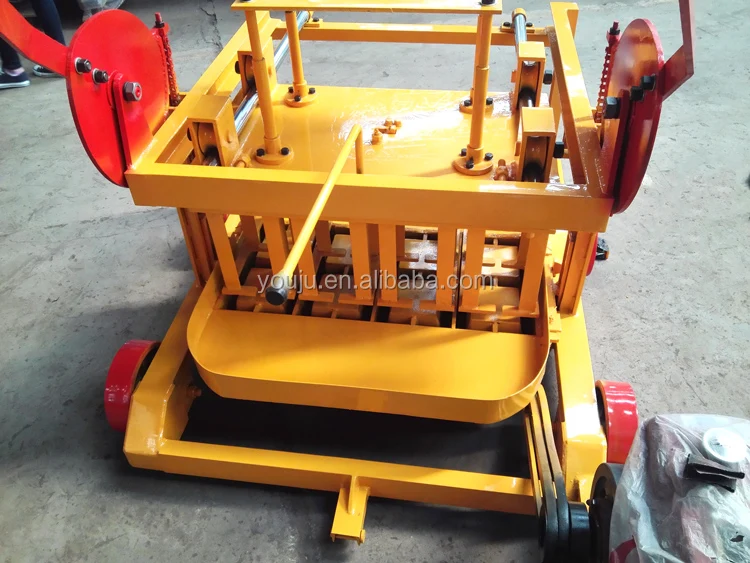
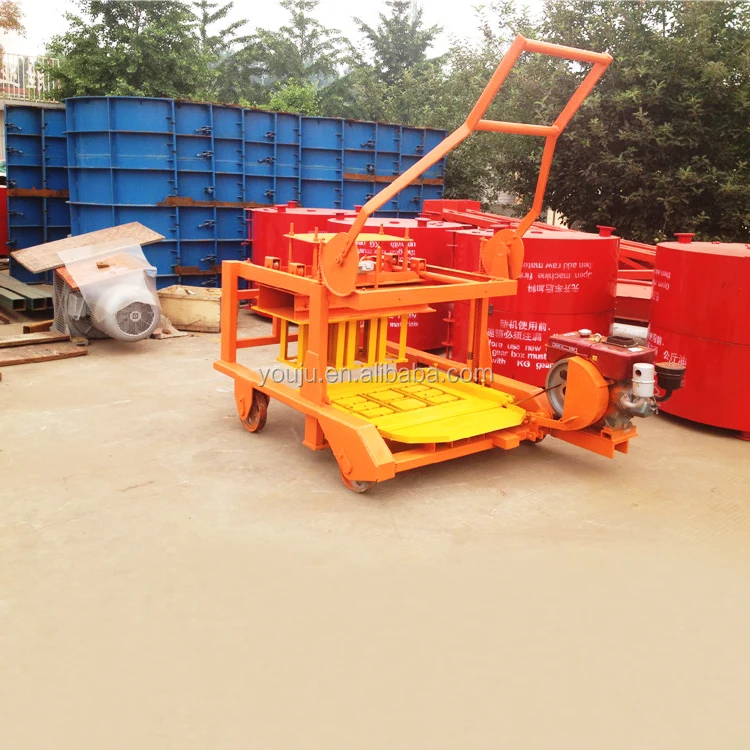
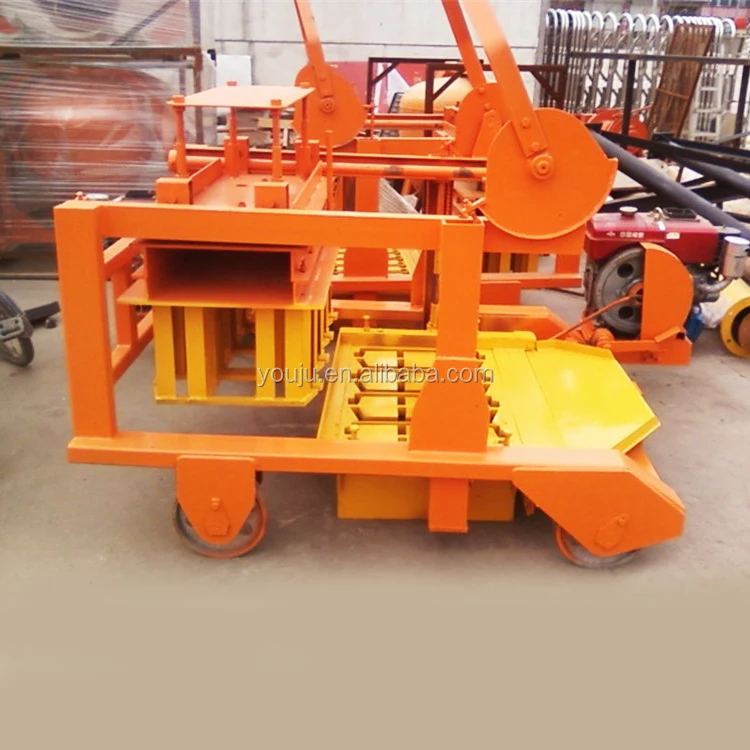
Description
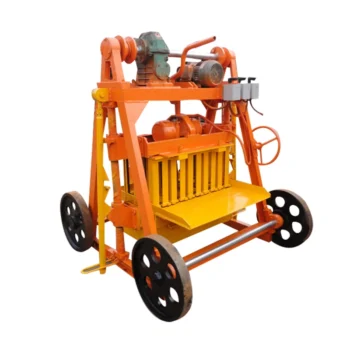
Ready for immediate dispatch — the QMR4-45 mobile block machine leaves our Linyi warehouse fully assembled, tested on your specific raw material sample, and container-loaded within days rather than months.
Technical Specifications
| Parameter | Value |
|---|---|
| Model | QMR4-45 |
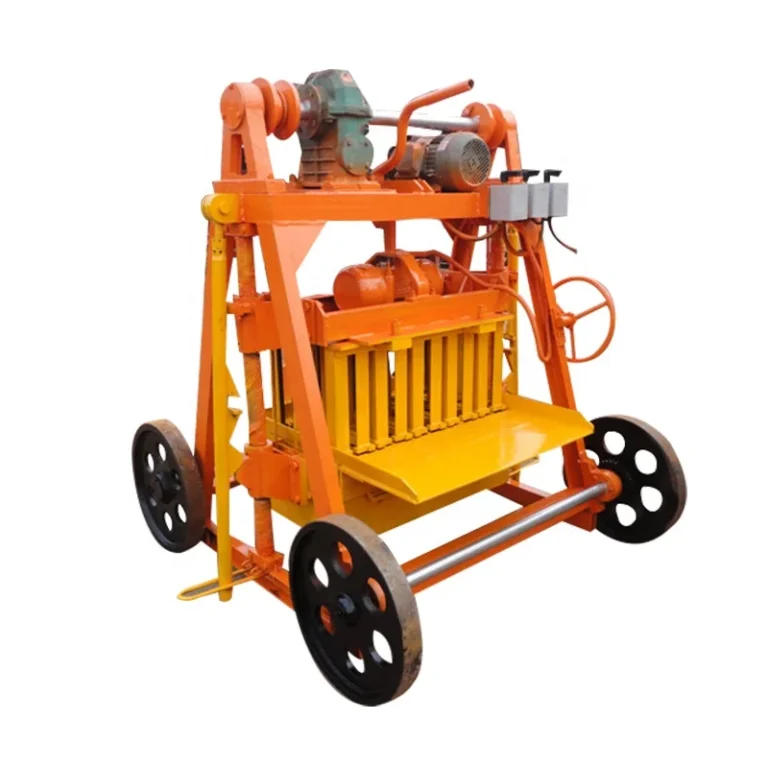
| Product Type | Mobile Egg-Laying Block Making Machine |
| Overall Dimensions (L×W×H) | 2420×1320×1650mm |
| Net Weight | 810kg |
| Moulding Cycle | 40-45s |
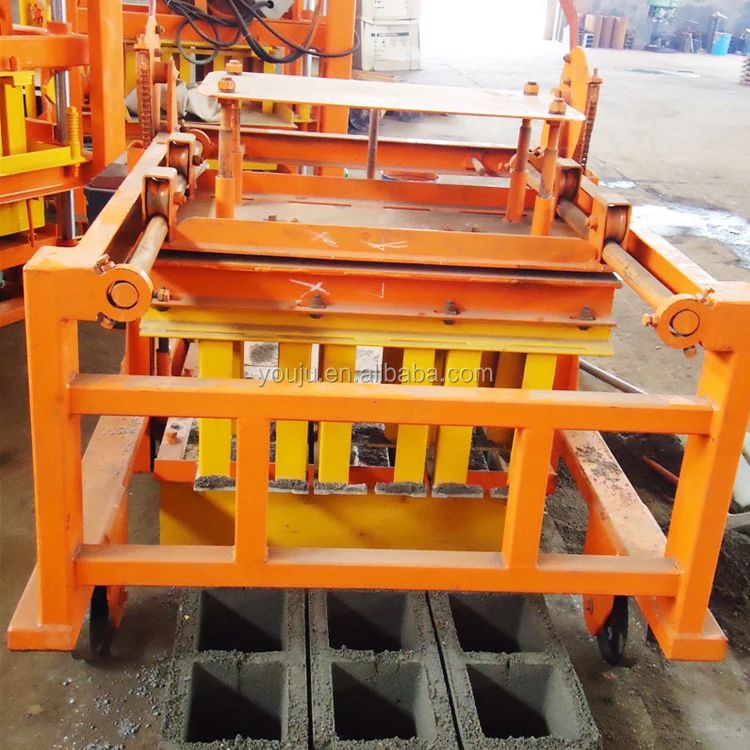
| Pallet System | No pallet required (egg-laying) |
| Rated Power | 6kW |
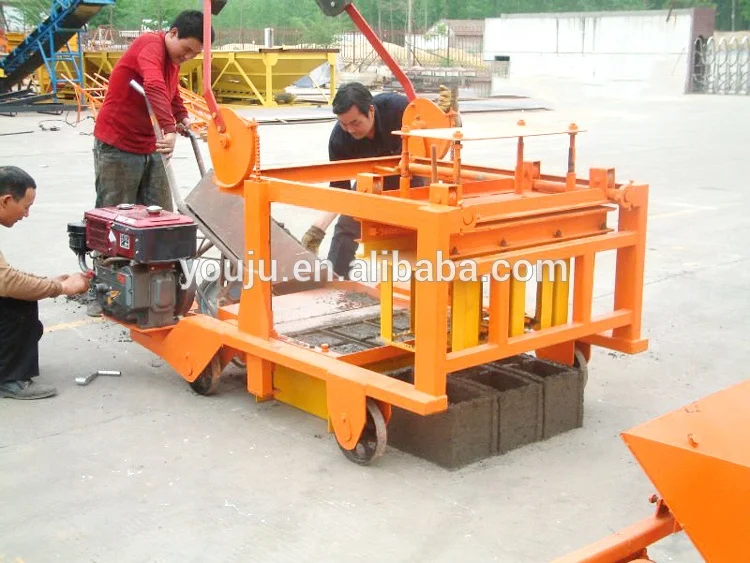
| Power Source Option | Electric motor or 6-8HP diesel engine |
| Voltage & Frequency | 220V / 380V or configured to site supply |
| Output Capacity | 3000 pcs/day based on 400×200×200mm hollow block, 4 pcs/mould, 8-hour shift |
| Output Capacity | 3500 pcs/day based on 400×150×200mm hollow block, 5 pcs/mould, 8-hour shift |
| Output Capacity | 4500 pcs/day based on 400×120×200mm hollow block, 6 pcs/mould, 8-hour shift |
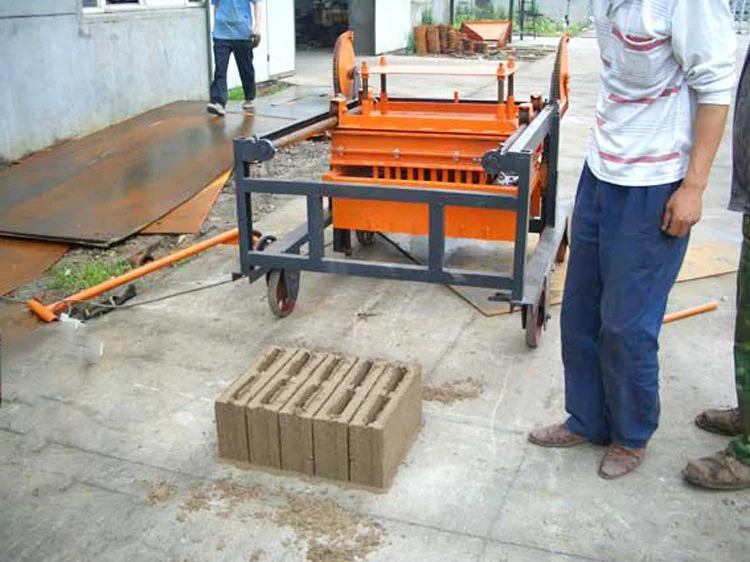
| Standard Mould Formats | 400×200×200mm, 400×150×200mm, 400×120×200mm hollow blocks |
| Hydraulic Pressure System | Diesel engine driven |
| Automation Level | Manual operation, mobile egg-laying type |
| Assembly State | Fully assembled, mobile unit |
| Warranty | One year guarantee for the whole machine |
Application Suitability
| Application | Material or Output |
|---|---|
| On-site hollow block production at building sites | Crushed stone, sand, cement, water mix laid directly on compacted ground |
| Remote construction projects without grid power | Diesel-powered operation producing structural hollow blocks off-grid |
| Small-scale block manufacturing startups | Hollow blocks in three standard formats without pallet or curing rack investment |
| Housing development contractors producing locally | Daily hollow block output matched to masonry crew consumption rates |
| Rural infrastructure projects | Mobile deployment to multiple sites as the project footprint expands |
What "3000 Blocks Per Day" Actually Means on a Real Job Site
Capacity numbers only hold when the block format, raw material, and shift hours match the stated basis.
I remember an African buyer who ordered a small mobile machine after reading a brochure capacity figure. When it arrived, the local stone dust had a high clay content that his supplier never mentioned. The machine pressed, but the blocks crumbled before curing. He called us frustrated, saying output was half of what was promised. The problem was never the machine — it was the mismatch between the mix and the pressure available. [NEED_CITE: effect of clay content in aggregate on concrete block compressive strength] That is why every mobile block machine in stock here ships only after we receive and test your actual raw material sample.
Dispatch Timing That Matches Your Project Schedule
When a contractor has masonry crews arriving on site in three weeks, waiting two months for a custom-built machine is not an option. The QMR4-45 mobile block machine in stock status means the unit is assembled, hydraulically tested, and sitting in our warehouse — not on a production schedule. We confirm stock availability at the inquiry stage and quote a dispatch lead time measured in days, not months. Diesel and electric power configurations are both held in inventory, so a buyer working in an off-grid location does not wait for engine procurement.
Container Loading and Arrival Predictability
A mobile block machine in stock is only useful if it arrives before your crews need it. We provide a container loading plan at the quotation stage, showing how the 810kg unit and its mould set fit into a standard container alongside spare wear parts. Dismantling is minimal — the machine ships fully assembled, and only the hopper and handle may be folded for clearance. Arrival estimates are quoted upfront based on the destination port, so the buyer can plan site preparation around a known delivery window rather than a vague shipment promise. [NEED_CITE: typical ocean freight transit times from Qingdao port to major destinations]
How Power Source and Cycle Time Shape Daily Output
The QMR4-45 offers two power paths: a 6kW electric motor for sites with stable grid supply, or a 6-8HP diesel engine for locations where electricity is unreliable or absent. The diesel option means production does not stop when the local grid fails — a common reality on development sites in emerging markets. The moulding cycle of 40-45 seconds sets the pace, but real daily throughput depends on operator rhythm, material feeding speed, and how quickly the machine moves between lay positions. The three stated output figures (3000, 3500, and 4500 pieces per day) each correspond to a specific hollow block format and mould cavity count, not a single blanket number.
When Buyers Overlook Site Ground Conditions
An egg-laying machine deposits blocks directly on the ground, which sounds simple until the ground itself becomes the problem. Soft soil, uneven grading, or standing water after rain turns a production area into a liability. Blocks laid on unprepared ground crack under their own weight before the cement sets. I have seen contractors lose entire day’s output because nobody checked the site compaction before the machine arrived. [NEED_CITE: ground preparation requirements for mobile egg-laying block machines] The QMR4-45 requires no concrete foundation or pallet system, but the ground it travels across must be firm and level — a detail we confirm with buyers before dispatch.
Why Source the Machine, Moulds, and Spares Together
The QMR4-45 is a single-focus product in our range: the machine, its three standard hollow block moulds, and the hydraulic wear parts are specified as one matched set. This avoids the situation where a buyer sources the press from one supplier and moulds from another, only to discover the bolt pattern or cavity dimensions do not align. Mould design stays in-house, so replacement moulds or additional formats can be fabricated to the same drawings years later. Our warehouse stocks the common wear items — hydraulic seals, vibration motor brushes, and die springs — so a first replacement order does not require a six-week fabrication wait. [NEED_CITE: hydraulic seal replacement intervals in small block making machines] Stocked machines leave with a factory test record confirming cycle time and block dimensions for each mould in the set, so the buyer receives verified output data rather than a catalogue claim.
Documentation & Verification
- Factory test record showing cycle time and block dimensions for each of the three hollow block moulds
- Machine specification sheet with dimensional drawings for transport and site access planning
- Voltage and frequency confirmation document matching destination country electrical standards
- Packing photographs and container loading plan provided before shipment leaves warehouse
- Operation and maintenance manual covering diesel and electric power configurations
Installation, Commissioning & Support
- Arrives fully assembled; only hopper folding and handle attachment required on site
- No concrete foundation needed — operates on compacted, level ground directly
- 6kW electric or 6-8HP diesel power source confirmed before dispatch to match site supply
- Three mould formats included; mould change requires manual swap with basic hand tools
- Operator training covers cycle rhythm, mix consistency, and machine travel technique
- One-year warranty covers the complete machine including hydraulic and vibration systems
What We Need Before Quoting Your Machine
To match the right QMR4-45 configuration to your site, we need the block format your market actually sells, the daily volume your masonry crews consume, and whether your site has reliable grid power or requires the diesel option. Share a sample or lab analysis of your local aggregate so we can confirm the mix will hold under the machine’s pressure before it ships.
Frequently Asked Questions
Q: What is the actual dispatch lead time from order confirmation to shipment?
A: The QMR4-45 is held in stock as a fully assembled unit. Once voltage, power source, and mould format are confirmed and payment clears, the machine typically moves to container loading within a short period. We quote the exact dispatch date and estimated port arrival at the proposal stage so you can schedule site preparation accordingly.
Q: Which block formats are in stock versus requiring mould fabrication?
A: The three standard hollow block formats — 400×200×200mm, 400×150×200mm, and 400×120×200mm — ship with the machine from stock. If your market requires a different format such as interlocking pavers or solid blocks, the mould is fabricated to your drawing and added to the shipment, which extends lead time by the mould fabrication period.
Q: How is the machine secured and protected during container transport?
A: The 810kg unit is braced inside the container with timber chocking and steel wire lashing to prevent movement during ocean transit. Hydraulic lines are drained or capped, exposed surfaces are wrapped, and packing photographs are sent to you before the container is sealed so you can verify condition prior to departure.
Q: What electrical voltage options are available from stock?
A: Both 220V and 380V electric motor configurations are held in inventory, and the diesel engine option requires no electrical connection at all. We confirm your site voltage and frequency before selecting the unit from stock to avoid commissioning delays on arrival.
Q: Can the machine be dismantled for easier site access after arrival?
A: The QMR4-45 ships fully assembled, but the hopper and handle sections can be detached if your site entrance or doorway restricts clearance. Reassembly requires basic hand tools and takes a short period. We include reassembly instructions in the operation manual provided with the machine.