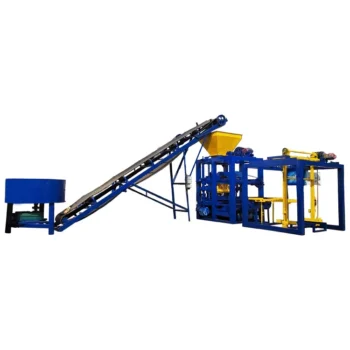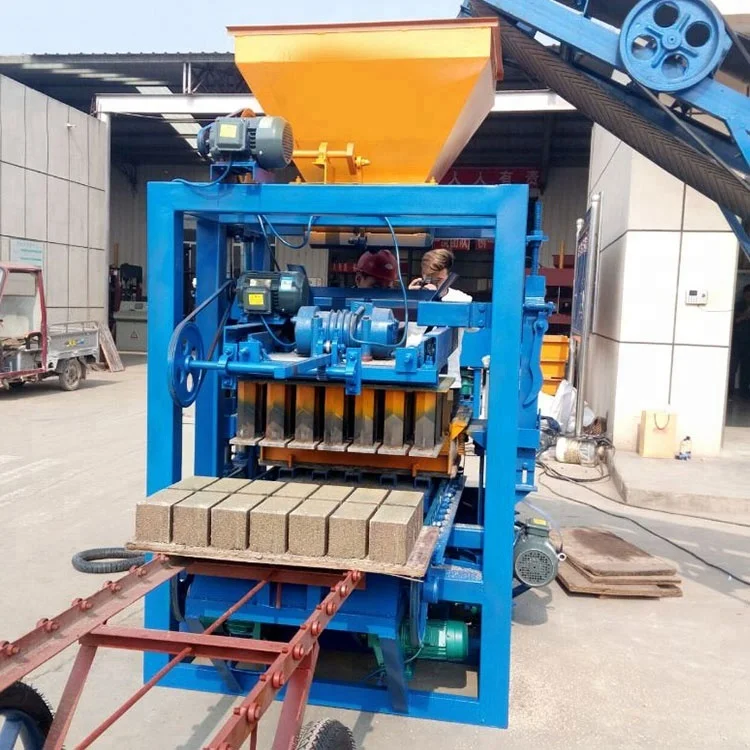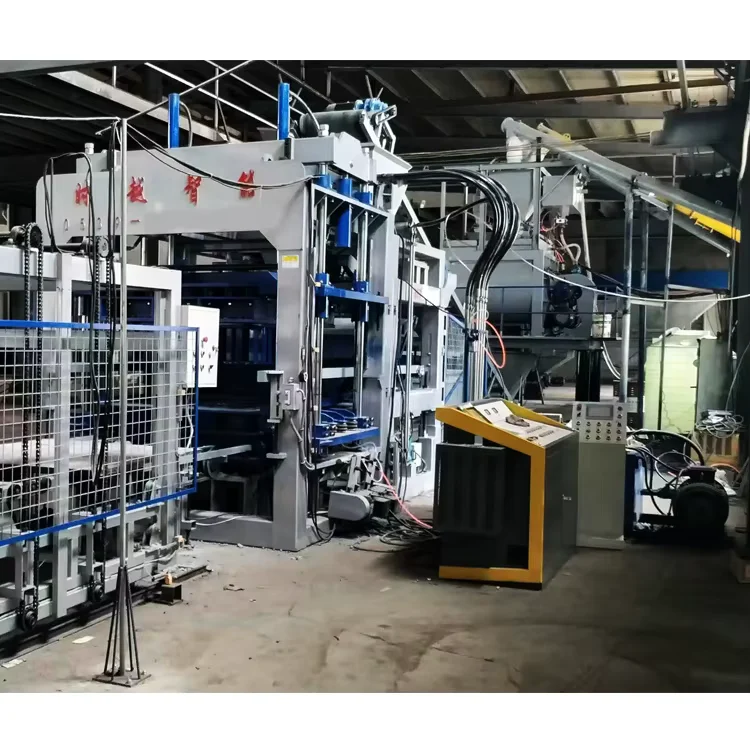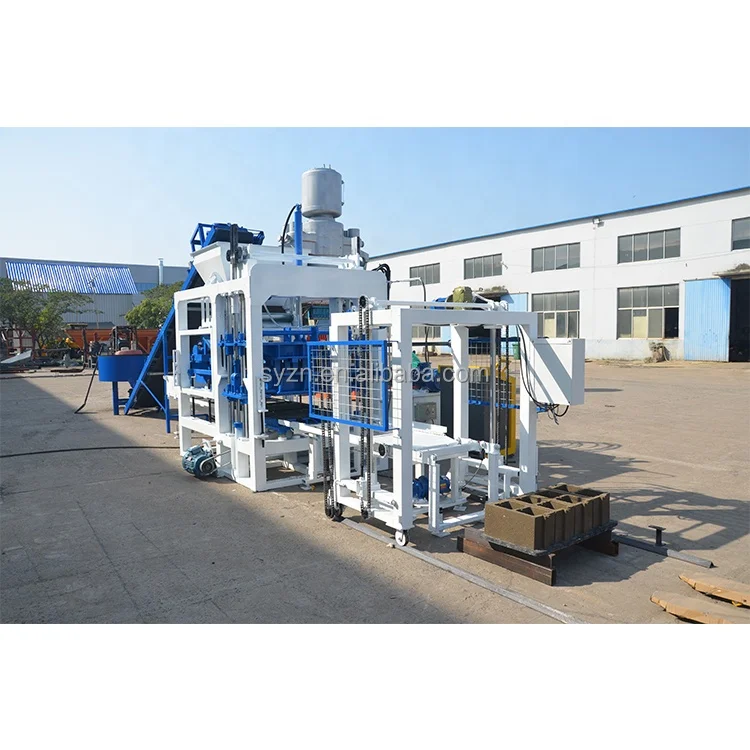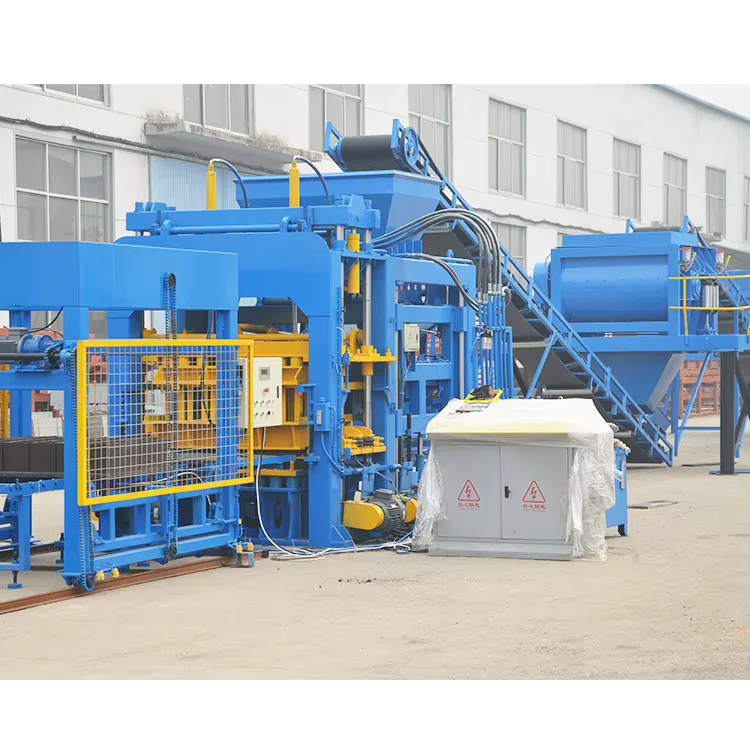
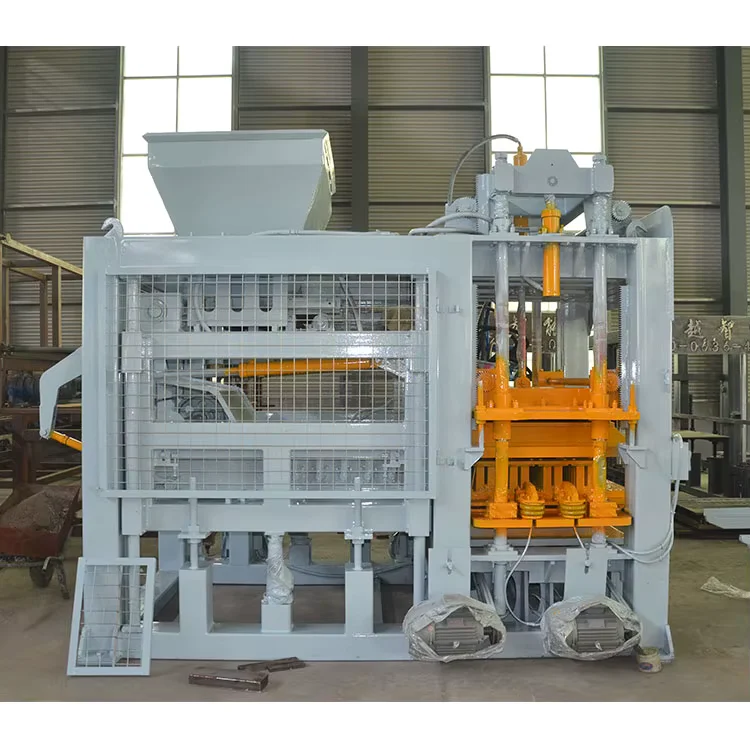
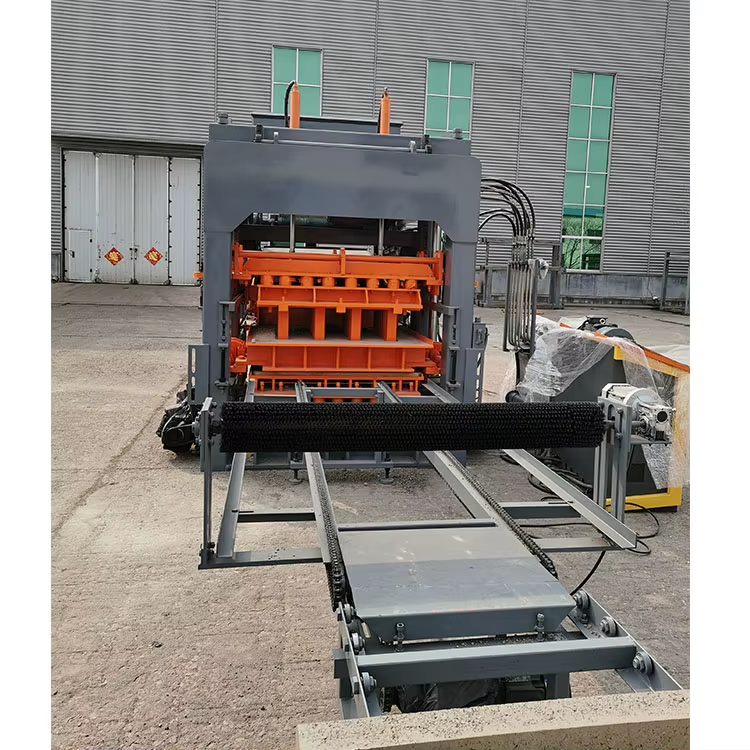
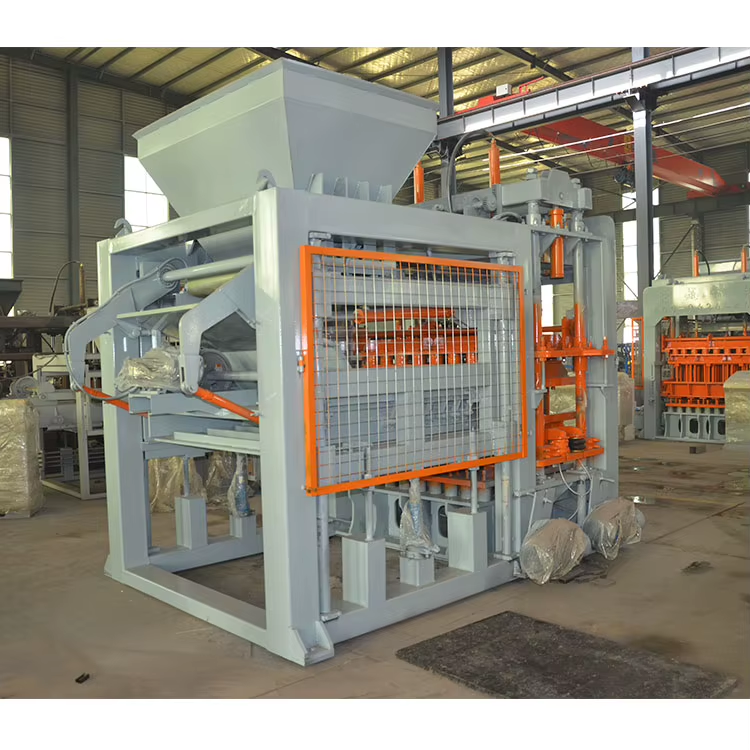
Description
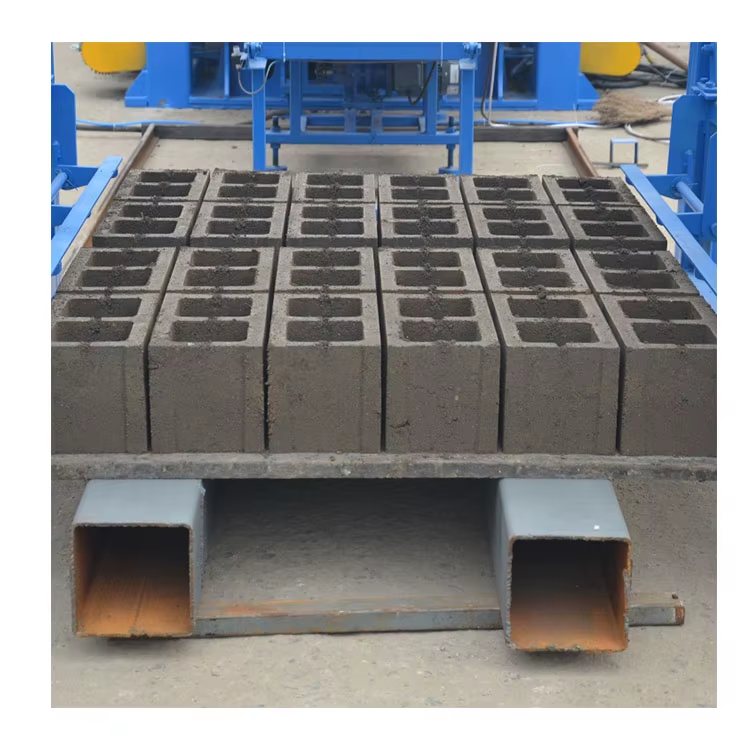
Standard Moulds Ready to Load — Standard block formats are pre-matched and packed alongside the press, eliminating weeks of custom fabrication before dispatch.
Technical Specifications
| Parameter | Value |
|---|---|
| Model | QT12-15 |
| Product Type | Fully Automatic Concrete Block Making Machine |
| Forming Method | Hydraulic pressure |
| Overall Dimensions (L×W×H) | 9400x3060x2980mm |
| Net Weight | 10500 kg |
| Core Components | Motor, Pump |
| Mould Format / Brick Size | 400100200 mm, 400120200 mm, 20010060 mm, 400200200 mm, and others |
| Cycle Time | Varies by format (basis to be confirmed) |
| Color Options | Customized to customer’s demand |
| Warranty | More Than 5 Years |
| After Warranty Service | Video technical support |
| Standards | Machinery Test Report Provided, Video outgoing-inspection Provided |
Application Suitability
| Application | Material or Output |
|---|---|
| Building construction | Hollow blocks and solid blocks from cement and crushed stone |
| Paving and landscaping | Paving blocks and interlock blocks from concrete and sand |
| Infrastructure projects | Curbstones formed using heavy concrete mixes |
Why the Voltage Question Must Precede the Dispatch Date
Confirming local power standards prevents a multi-week delay at the destination port.
I once oversaw the arrival of a fully automatic line in West Africa that sat dead on the foundation for three weeks. The local frequency and phase did not match the factory default, and the site had to source step-down transformers while the project deadline slipped away. Securing a QT12-15 concrete block making machine in stock means nothing if the electrical cabinet cannot communicate with the local grid upon arrival [NEED_CITE: voltage and frequency standards by export market]. Verifying these parameters before the container doors close ensures the main motor and hydraulic pump start on the first day.
Dispatch Timelines and Container Loading Protocols
Securing a QT12-15 concrete block making machine in stock is only the first step in meeting a rigid construction schedule. The physical loading process requires precise dismantling of the 9400x3060x2980mm frame to fit standard ocean freight containers without compromising structural integrity. We map out the exact placement of the heavy hydraulic station and the main press to balance the container weight. This upfront planning prevents port delays and ensures the equipment arrives exactly when the foundation is ready.
Navigating Customs and Arrival Estimates
A fast dispatch means little if the paperwork halts the cargo at the destination border. We provide the exact arrival estimate based on the confirmed sailing schedule and the specific port of discharge. Every shipment includes comprehensive customs documentation support, ensuring the machinery test reports and video outgoing-inspection records align with local import requirements [NEED_CITE: CE machinery directive requirements for industrial equipment]. This clarity allows your clearing agent to process the release while the vessel is still at sea.
Interpreting the Physical and Hydraulic Footprint
The 10500 kg net weight and substantial physical dimensions of this equipment dictate strict foundation requirements before the machine arrives. The hydraulic pressure forming method relies on a massive, stable base to absorb the intense vibration and pressing forces without shifting over time. Because the standard mould formats range from small paving units to large 400200200 mm hollow blocks, the physical layout must accommodate the specific pallet sizes required for each format. Planning the curing area and forklift routes around these confirmed dimensions prevents costly site modifications after the containers are unloaded.
The Hidden Cost of Overlooking Shipment Preparation
Failing to verify the dismantling plan and packing photographs before dispatch often leads to damaged components upon arrival. When heavy core parts like the main motor or hydraulic pump shift inside the container during transit, the resulting downtime erases any time saved by buying from inventory. Furthermore, neglecting to confirm the exact dispatch lead time can leave a construction crew standing idle on a prepared site [NEED_CITE: typical construction delay costs due to equipment arrival]. Proper preparation ensures the machine is ready to run, not ready to be repaired.
Why Procure From This Inventory
We treat block machinery as a single focus, meaning the press, pallets, and handling equipment are specified as one matched system ready for immediate loading. Our stock configurations are set against common market requirements rather than obscure catalogue defaults, speeding up the selection process. We supply standard moulds for the formats your market actually sells, allowing you to start production without waiting for custom tooling. The automation level is selectable, letting you secure the base machine now and plan future upgrades. Finally, our installation support ensures your team knows how to operate the specific unit that arrived on their site.
Documentation & Verification
- Machinery test record confirming hydraulic pressure performance before dispatch
- Video outgoing-inspection showing the exact unit loaded into the container
- Complete packing photographs detailing the dismantling and securing process
- Customs documentation package aligned with your specific port of entry
Installation, Commissioning & Support
- Foundation must support the 10500 kg net weight and dynamic hydraulic forces
- Electrical team must verify local voltage matches the motor and pump requirements
- Dismantled frame requires heavy lifting equipment for rapid on-site reassembly
- Initial commissioning includes testing all stocked mould formats for proper ejection
- Operator training covers daily maintenance of the core hydraulic and motor components
Project Alignment and Inquiry Details
To ensure the selected inventory matches your site conditions, please provide your target block formats and the required daily output volume. We also need your local voltage and frequency specifications to verify the electrical cabinet before loading. Finally, share your available workshop footprint and curing area dimensions so we can confirm the layout fits your existing infrastructure.
Frequently Asked Questions
Q: What is the exact dispatch lead time and arrival estimate for this equipment?
A: Because we maintain inventory, the dispatch lead time is limited to the days required for final inspection, dismantling, and container loading. We provide an upfront arrival estimate based on your specific destination port and current shipping schedules, ensuring your construction timeline remains intact.
Q: Are standard moulds and the main press currently available for immediate loading?
A: Yes, the primary press and standard mould formats for common construction blocks are kept in inventory. This allows us to consolidate the entire matched system into containers quickly, avoiding the multi-week fabrication delays associated with custom-built orders.
Q: How is the equipment dismantled and loaded into containers for fast shipment?
A: The 9400x3060x2980mm frame is systematically dismantled to optimize container space while protecting the heavy hydraulic pump and motor. We secure all components to prevent transit damage and provide packing photographs so your team knows exactly how to unpack and reassemble the line.
Q: What electrical confirmations are needed before quick dispatch?
A: We must verify your site’s local voltage, phase, and frequency to ensure the main motor and control systems operate correctly upon arrival. Confirming these details before the container is sealed prevents the equipment from sitting idle while waiting for external transformers.
Q: How do you handle customs documentation to speed up delivery?
A: We supply a complete documentation package, including machinery test reports and inspection videos, tailored to your destination country’s import regulations. This preparation allows your customs broker to clear the cargo efficiently, minimizing port storage fees and delays.