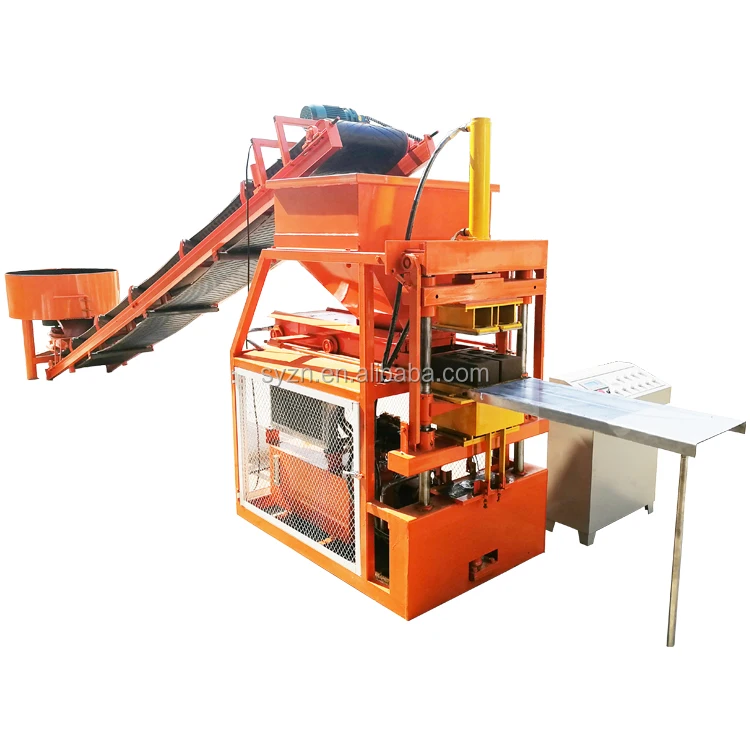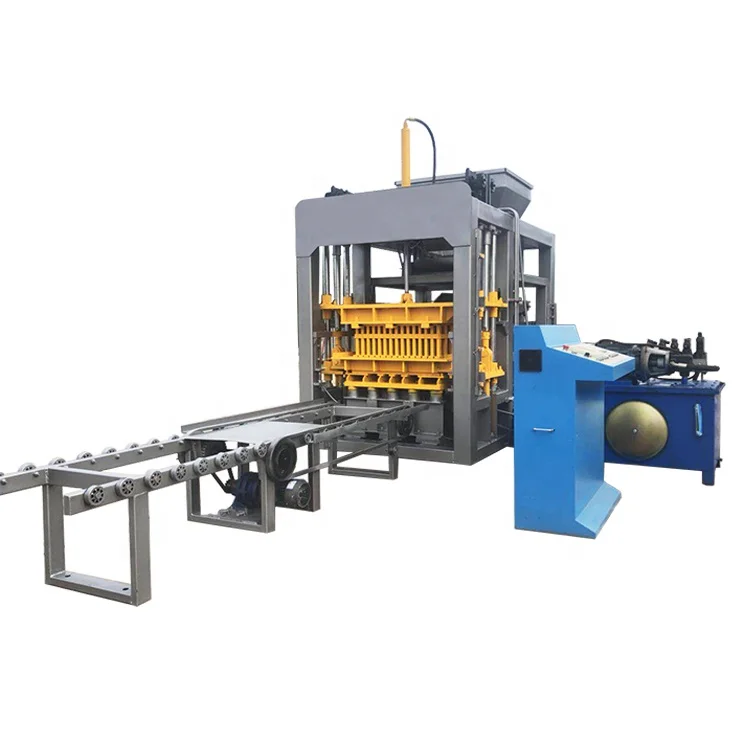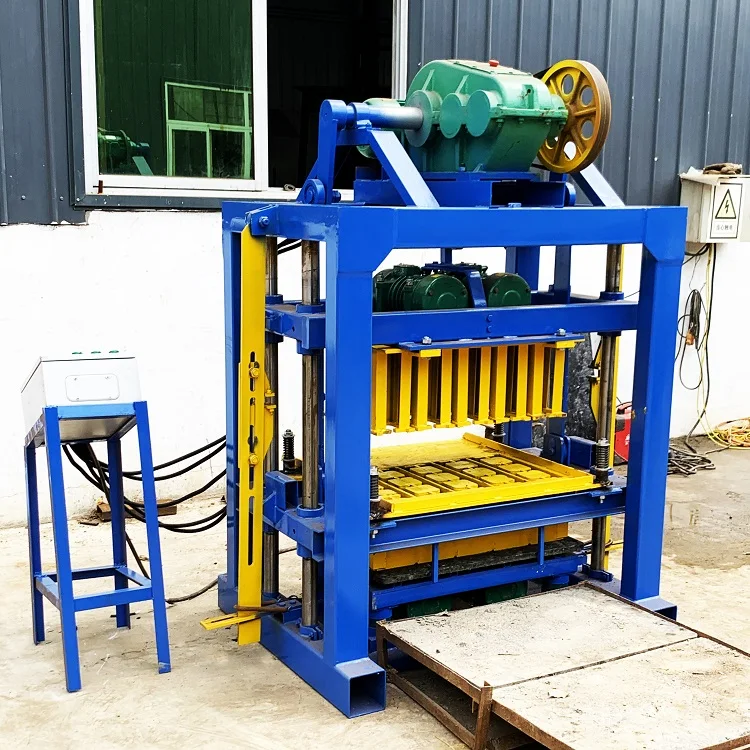
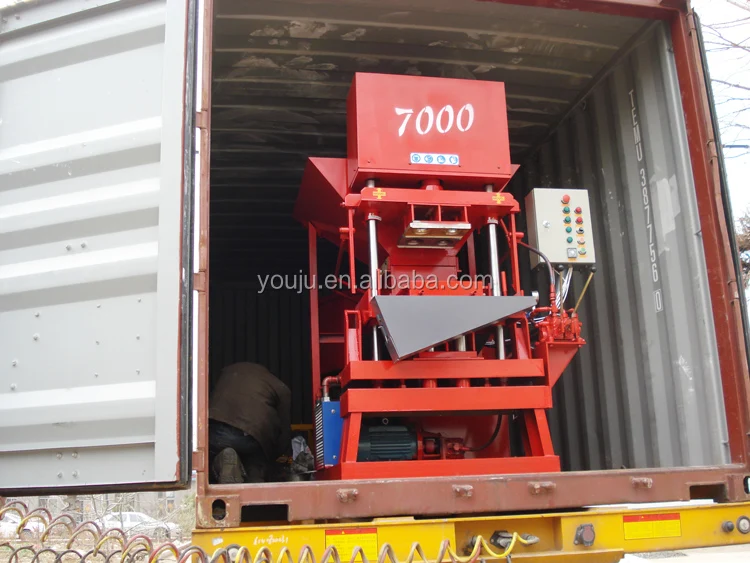
Description
Dispatch-Ready Earth Block Machines — we confirm stock status, container loading plan, and arrival estimate in writing before you commit, keeping your project timeline intact.
Technical Specifications
| Parameter | Value |
|---|---|
| Product Type | Compressed Earth Block Making Machine |
| Power Source | Electric |
| Block Material | Compressed Earth / Clay |
| Automation Level | Automatic cycle operation |
| Application Focus | Ecological brick production using local soil |
| Voltage & Frequency | Configurable per destination country (basis to be confirmed) |
| Control Language | Selectable based on operator requirement |
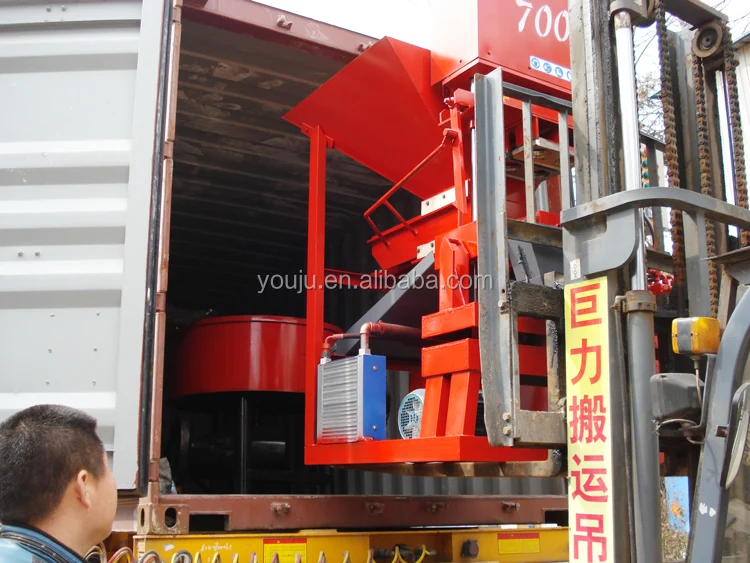
| Assembly State | Dismantled for container loading |
Application Suitability
| Application | Material or Output |
|---|---|
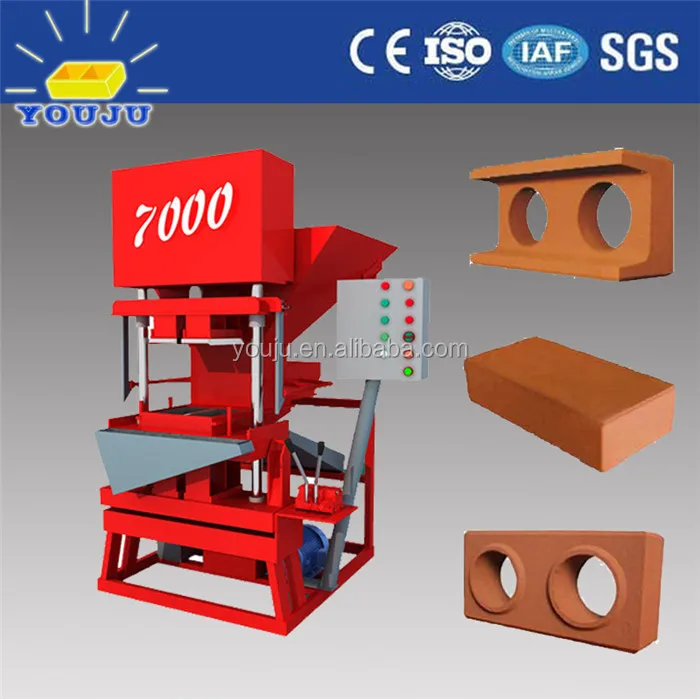
| Sustainable housing projects | Compressed earth bricks from site-excavated clay |
| Low-cost building initiatives | Interlocking ecological blocks from local soil |
| Regional block distribution | Clay-based pavers and solid bricks for resale |
| First-time earth block plant | Stabilised earth formats for local construction market |
Why the Voltage Question Must Come Before the Ship Date
A machine that cannot be powered on arrival delays every tradesman waiting behind it.
I once watched a housing contractor lose an entire curing cycle because the block press arrived with a control panel wired for 380 V / 50 Hz while the site transformer only delivered 440 V / 60 Hz. The compressed earth block making machine in stock sat under a tarp for three weeks while a step-down transformer was freighted in. That idle window cascaded into delayed block curing, postponed wall laying, and penalty claims from the developer [NEED_CITE: voltage and frequency standards by export market]. Confirming electrical compatibility before dispatch is a five-minute conversation that protects a multi-week construction schedule.
Stock Status You Can Plan Around
When your site foreman is counting days until the next foundation pour, a vague "soon" from a supplier is useless. We quote the dispatch lead time and container loading plan against the actual compressed earth block making machine in stock at the time of your enquiry. If the unit is already on the warehouse floor, you receive a packing schedule with photographs before the container doors close.
Arrival Estimates Quoted Before You Commit
Ocean transit windows shift with carrier rotation, yet buyers still receive arrival guesses based on optimistic sailing days. We build the estimated arrival date from current vessel schedules, port congestion patterns at your destination, and the inland haul distance to your site [NEED_CITE: typical ocean freight transit variability for project cargo]. That figure appears on the quotation so your project scheduler can place the machine on the Gantt chart before the purchase order is signed.
What the Spec Sheet Means on a Compressed Earth Site
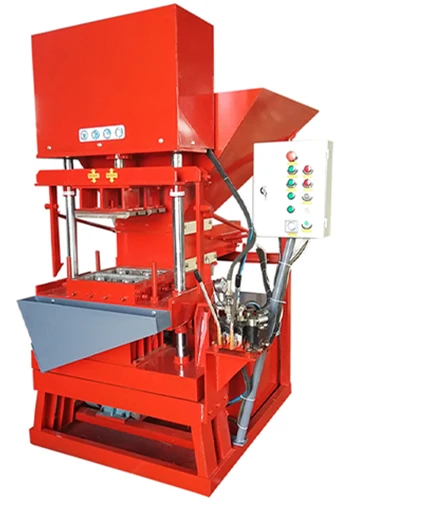
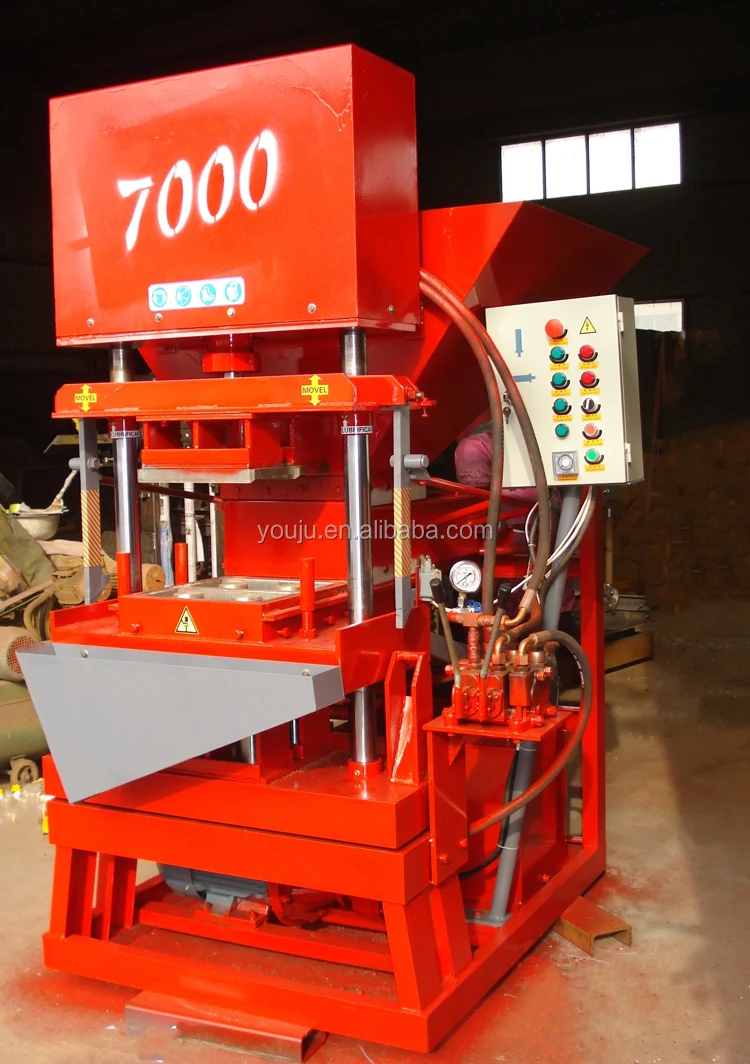
Electric-powered operation assumes a stable grid or a generator sized above the rated draw; running the ECO 7000 on an undersized genset leads to voltage sag during the compression stroke and inconsistent brick density. Automatic cycle operation removes the manual lever pull between each brick, giving repeatable compression time across a full shift. Because compressed earth relies on soil moisture rather than cement hydration, the control system must allow the operator to adjust dwell time as ambient humidity changes through the day. Pallet and stacking configuration is confirmed at order so the output format matches the curing racks and forklift you already own.
The Real Cost of Skipping the Pre-Shipment Checklist
Rushing a compressed earth block making machine in stock onto a vessel without verifying electrical and control parameters turns a fast delivery into a slow liability. A mismatched PLC language forces the operator to guess alarm messages, increasing the chance of a mis-set compression cycle that cracks the bricks. Unconfirmed pallet dimensions mean the freshly pressed earth blocks are stacked by hand while the site team improvises curing racks, introducing uneven moisture loss and variable brick strength [NEED_CITE: effect of curing conditions on compressed earth block durability]. The contractor absorbs rework costs that a single pre-dispatch checklist would have prevented.
Why Buyers Source This Machine Through Us
We keep block machinery as a single focus, so the ECO 7000 ships as a matched system of press, mould, pallet, and handling rather than a collection of separate purchases. Dispatch lead time and container loading details are confirmed in writing at quotation stage, not discovered after the deposit clears. Voltage, frequency, and PLC display language are validated against your site electrical survey before the machine leaves the factory. Packing photographs and customs documentation support accompany every shipment so your clearing agent has the paperwork on day one. Our sales process mirrors the project-deadline buyer’s workflow: fast confirmation, transparent loading, and predictable arrival.
Documentation & Verification
- Written stock status and dispatch lead time confirmed at quotation stage
- Container loading plan with machine dismantling sequence for the ECO 7000
- Voltage, frequency, and control language verification sheet signed before crating
- Factory test record demonstrating automatic cycle operation on compressed earth
- Packing photographs taken at container stuffing for your records
- Customs documentation package supporting clearance at destination port
Installation, Commissioning & Support
- Foundation plan matched to the ECO 7000 footprint and compression load
- Dedicated circuit specification confirming voltage and amperage at the main breaker
- Reassembly guidance after container transit with torque sequence for the press frame
- First-run parameter setting for compressed earth moisture content and dwell time
- Operator training covering mould change and daily maintenance checkpoints
- Wear parts list with reorder codes for the compression head and mould liner
What We Need to Confirm Your Slot
Tell us the destination port and the electrical supply available at your site so we can lock the correct motor winding and transformer ratio. Share the block format your market sells and the daily output you need to hit your project milestones. If you already own curing racks or a specific forklift, send the pallet dimensions so the stacking configuration is decided before the machine is crated.
Frequently Asked Questions
Q: Is the ECO 7000 in stock or built to order, and what is the real dispatch lead time?
A: We confirm stock status in writing at the quotation stage. If the compressed earth block making machine in stock is available, the dispatch lead time is measured in days for crating and customs export clearance. If the unit must be configured to a specific voltage or control language, a short preparation window applies before loading, and that window is stated on your quotation.
Q: How is the machine dismantled and loaded for container shipment?
A: The ECO 7000 is broken down into major sub-assemblies that fit a standard container without cutting the frame. A dismantling and loading sequence document is provided so your site team can reverse the process on arrival. Lashing points and bracing positions are marked to prevent movement during ocean transit.
Q: What arrival estimate can I expect once the vessel departs?
A: The estimated arrival date is built from the carrier’s published sailing schedule, current port rotation, and inland haul distance to your site. That date appears on the quotation so your project scheduler can plan curing and laying activities around a known delivery window rather than a hopeful guess.
Q: Can I confirm voltage and control language before the machine leaves the factory?
A: Yes. Voltage, frequency, and PLC display language are validated against your site electrical survey and operator preference before dispatch. A verification sheet is signed by both parties and included in the shipping documentation to prevent on-site commissioning delays.
Q: What documentation is provided for customs clearance at destination?
A: The shipment includes a commercial invoice, packing list, bill of lading, and certificate of origin where applicable. Machine specification sheets and factory test records are also supplied so your clearing agent can complete classification and duty assessment without requesting additional paperwork from the factory.