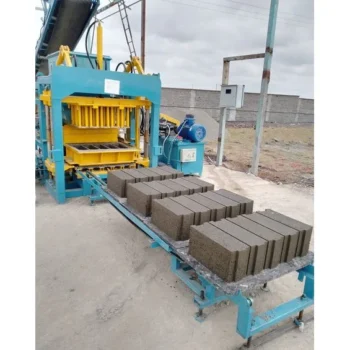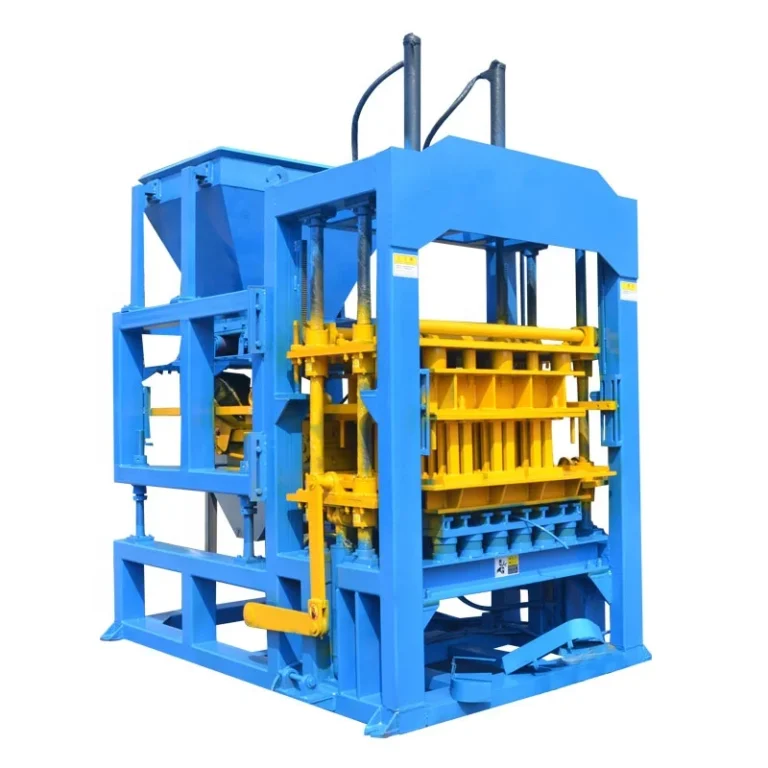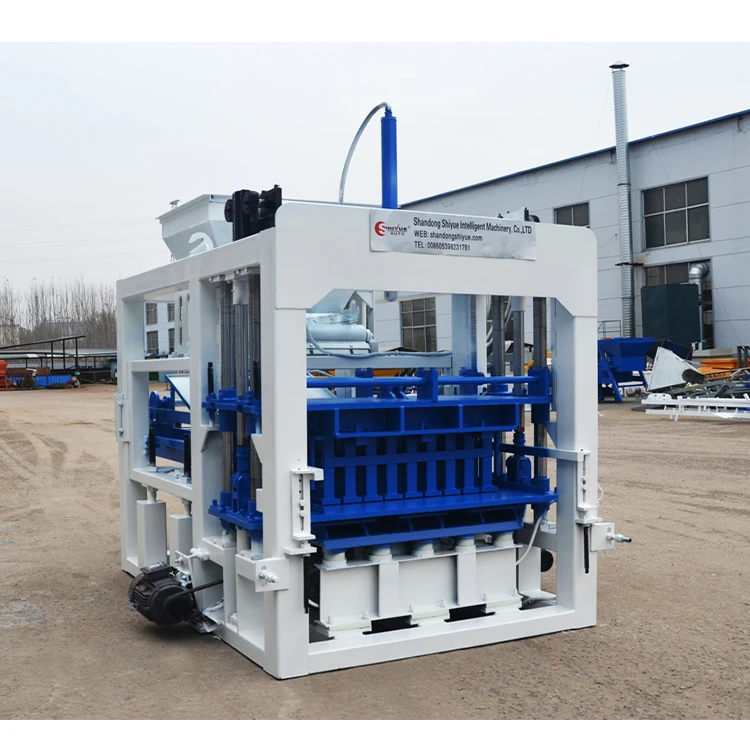
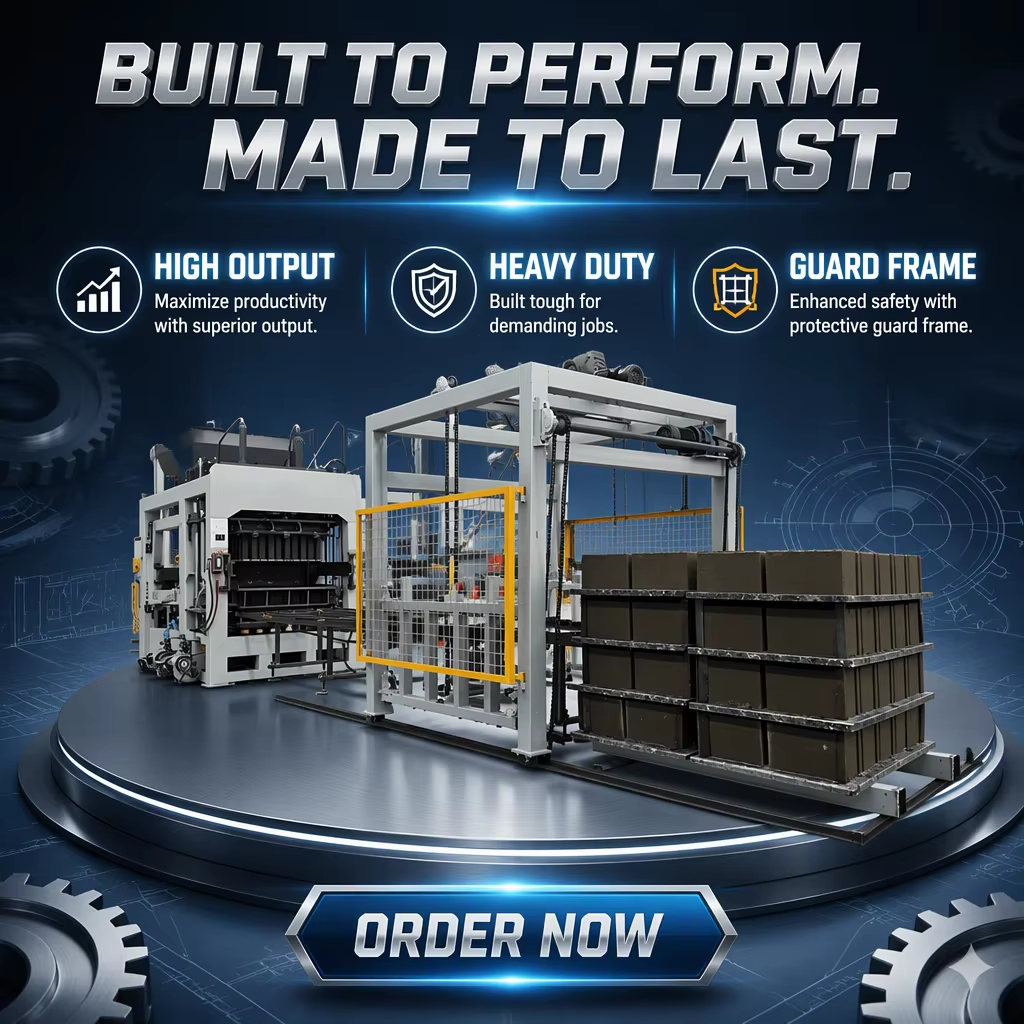
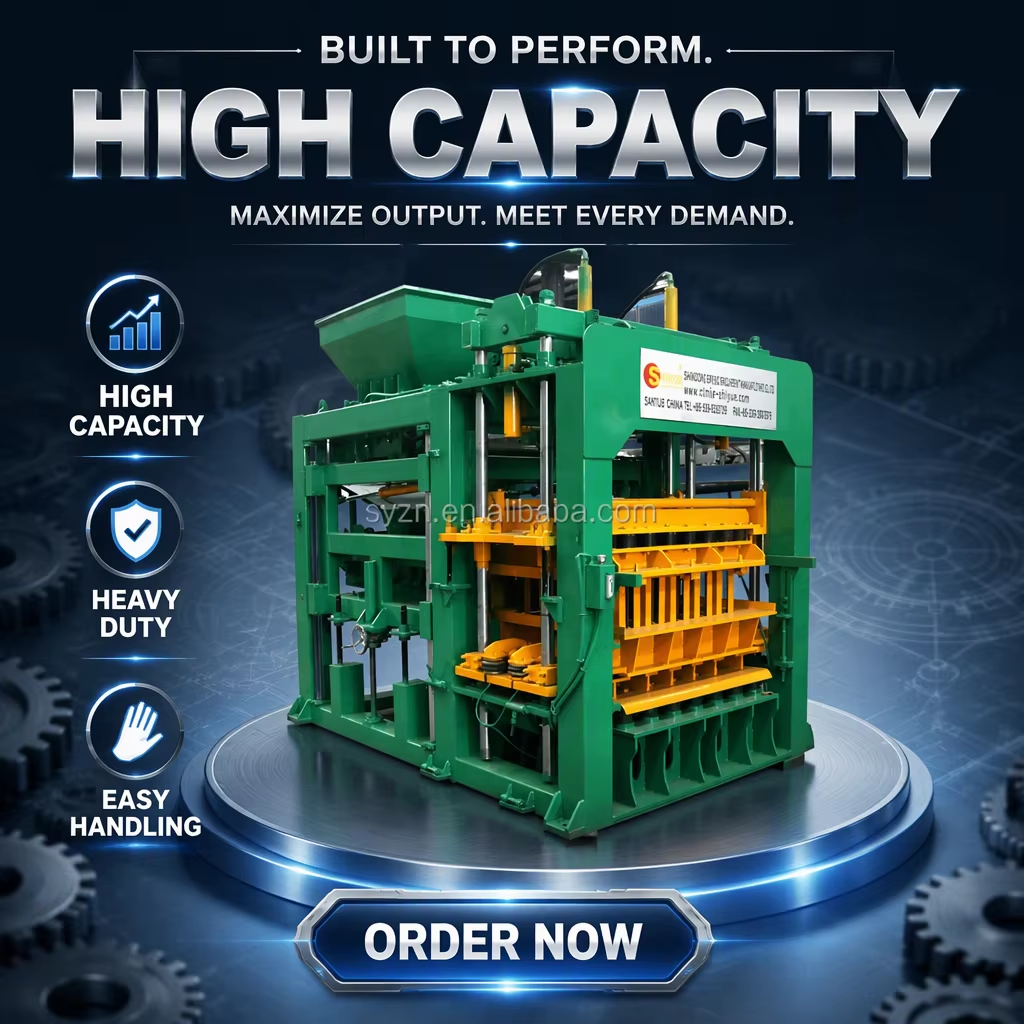
Description
Rapid Dispatch Readiness — Standard moulds and the main press are kept ready for immediate container loading, ensuring your project timeline is never compromised by extended manufacturing waits.
Technical Specifications
| Parameter | Value |
|---|---|
| Model | QT10-15 |
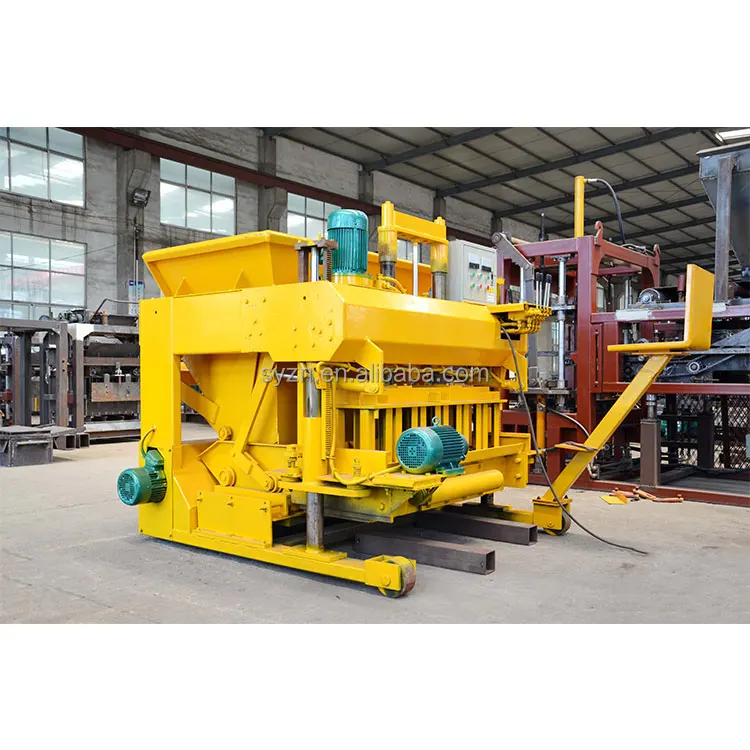
| Product Type | Fully Automatic Hydraulic Concrete Block Making Machine |
| Overall Dimensions (L×W×H) | 380023002800 mm |
| Net Weight | 9700 kg |
| Voltage Options | 380 V, 220 V |
| Control System | PLC |
| Pallet Size | 1100*900 mm |
| Mould Formats | 400100200 mm, 400120200 mm, 400150200 mm, 400200200 mm |
| Output per Cycle | 10 Pcs (based on 400200200 mm format) |
| Molding Cycle | 15-25s |
| Mixer Configuration | JS500/JS750 Concrete Mixer |
| Core Components | PLC, Pressure Vessel, Gear, Engine, Motor, Pump, Bearing |
| Color Options | White, Yellow, Green, Black, Blue |
| Standards | CE, ISO9001 |
Application Suitability
| Application | Material or Output |
|---|---|
| Hollow Block Production | Fly ash, cement, sand, and concrete |
| Solid Block Manufacturing | Crushed stone, cement, and sand mixtures |
| Paving Block Output | Concrete and aggregate blends |
| Curbstone Forming | High-density concrete mixes |
| Interlock Block Creation | Sand, cement, and fine aggregates |
Why the Voltage Question Must Precede the Dispatch Date
Confirming local grid compatibility before loading prevents multi-week site delays.
When a fully automatic line arrives at a remote project site, discovering a voltage mismatch means the entire crew stands idle while waiting for a step-down transformer. I have personally seen a 380 V unit sit in a Middle Eastern yard for three weeks because the local site only had 220 V infrastructure ready. Securing a QT10-15 block machine in stock is only the first step; verifying the exact frequency and phase requirements ensures the equipment powers up the moment it is unloaded [NEED_CITE: voltage and frequency standards by export market].
Container Loading and Dismantling Strategy
Getting a heavy press onto a vessel requires precise dismantling to maximize space and protect sensitive components. The QT10-15 block machine in stock is broken down into logical sub-assemblies, with the hydraulic station and PLC cabinet secured in dedicated crates to prevent transit damage. This systematic approach to container loading ensures that the 9700 kg net weight is distributed evenly across the flat rack or high-cube container floor.
Upfront Arrival Estimates and Dispatch Timelines
Project contractors cannot afford vague shipping windows when masonry crews are scheduled to arrive. We provide clear dispatch lead times and realistic arrival estimates before the order is finalized. By maintaining standard mould formats ready for immediate dispatch, we eliminate the typical production backlog. This transparency allows site managers to coordinate crane rentals and foundation curing schedules with absolute confidence.
Matching Pallet Dimensions to Existing Site Logistics
The 1100*900 mm pallet size dictates how the wet blocks move from the press to the curing zone. If this dimension does not align with the buyer’s existing forklift tines or curing rack spacing, manual handling bottlenecks immediately form [NEED_CITE: material handling efficiency in block plants]. We verify these physical site constraints during the inquiry phase so the dispatched equipment integrates smoothly into the current yard layout without requiring custom forklift modifications.
The Hidden Costs of Rushed Electrical Verification
Skipping the electrical verification phase to save a few days at the factory often results in severe financial penalties at the destination. If the PLC display language or motor wiring does not match the local electrician’s standards, commissioning halts completely. These arrival delays burn through project contingencies and frustrate local contractors who are already working against strict handover deadlines [NEED_CITE: CE machinery directive requirements for industrial equipment].
Why Procure This Equipment Through Our Dispatch Channel
We maintain a focused inventory of block machinery, meaning the main press and standard moulds are sourced as a single matched system rather than assembled from scattered suppliers. Our shipping documentation and packing photographs are exhaustive, providing complete visibility into the container loading process. Every unit undergoes a strict factory test record verification before dispatch, ensuring no dead-on-arrival surprises. We confirm voltage and control language upfront, eliminating the most common commissioning roadblocks.
Documentation & Verification
- Factory test record verifying cycle times before container loading
- Voltage and PLC language confirmation sheet signed prior to dispatch
- Complete packing photographs showing secure dismantling and crating
- Customs documentation support for smooth port clearance
Installation, Commissioning & Support
- Foundation curing requirements based on the 380023002800 mm footprint
- Dedicated circuit setup for the selected 380 V or 220 V power supply
- Reassembly guidance for the dismantled hydraulic and PLC components
- Parameter setting for the 15-25s molding cycle on local aggregates
- Operator training focused on the JS500/JS750 mixer and pallet feeding
Preparing Your Site for Immediate Integration
To ensure the dispatched equipment aligns with your project deadlines, please provide your target daily output and the specific block formats required. We also need your exact local voltage, frequency, and preferred PLC display language to pre-configure the electrical cabinets. Finally, share your available curing area dimensions so we can verify the 1100*900 mm pallet compatibility.
Frequently Asked Questions
Q: What is the exact dispatch lead time for the QT10-15 and its standard moulds?
A: Because we maintain standard mould formats and the main press ready for rapid dispatch, the lead time is significantly shorter than custom-built orders. Once the voltage and control language are confirmed, the equipment is quickly dismantled, packed, and moved to the port. We provide a precise departure date and an upfront arrival estimate before you finalize the order.
Q: How is the machine dismantled and loaded into containers for fast shipment?
A: The 9700 kg machine is systematically broken down into manageable sub-assemblies to optimize container space and protect sensitive parts. The PLC cabinet and hydraulic components are crated separately. We provide detailed packing photographs showing exactly how the QT10-15 block machine in stock is secured for ocean freight, ensuring a smooth unloading and reassembly process at your site.
Q: Are voltage and PLC display language pre-configured before dispatch?
A: Yes, verifying the local grid and operator language is a mandatory step before loading. Having experienced the costly delays caused by mismatched electrical standards on past Middle Eastern projects, we strictly confirm whether you need 380 V or 220 V, along with the correct frequency. This prevents your local electricians from facing unexpected wiring challenges upon arrival.
Q: What upfront arrival estimates and shipping documentation are provided?
A: We supply realistic arrival estimates based on current shipping routes and port congestion, allowing you to schedule your masonry crews accurately. Along with the equipment, we provide comprehensive customs documentation support, detailed packing lists, and factory test records. This ensures the clearance process is swift and the equipment reaches your project site without administrative hold-ups.