

Description
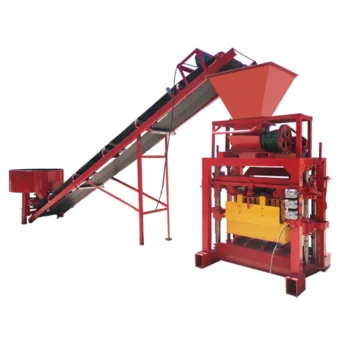
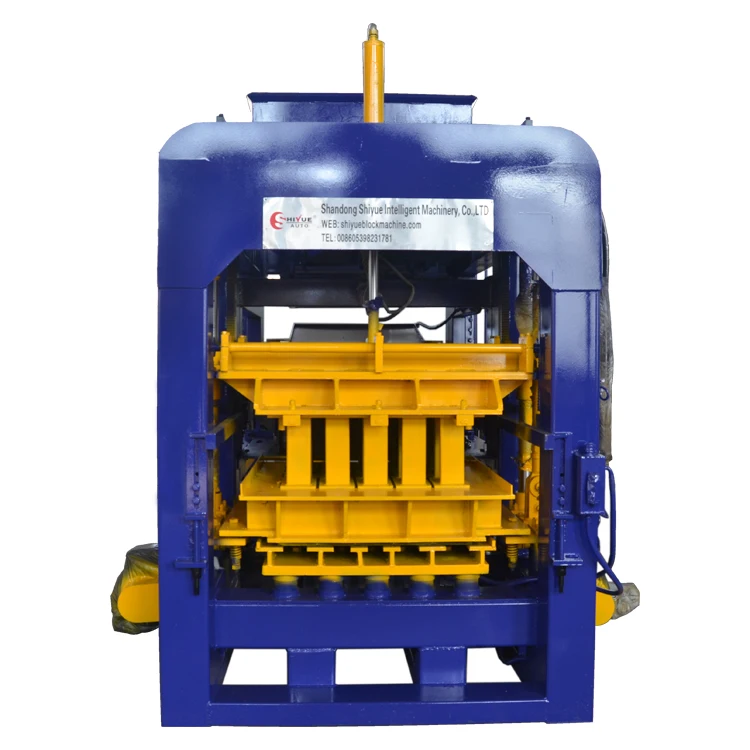
Stock-ready dispatch — every LY2-10 clay block making machine is built, tested, and held on our Linyi factory floor so a buyer working against a project deadline can lock in a container loading date before payment clears.
Technical Specifications
| Parameter | Value |
|---|---|
| Product Type | Clay Block Making Machine |
| Rated Power | 7.5 kW |
| Overall Dimensions | 1300 × 1800 × 2400 mm |
| Molding Cycle | 10 s (basis not stated in source — confirm block format / material / thickness) |
| Output Capacity | 750 pcs/h based on 300×150×100mm, 250×125×75mm, or 230×220×115mm interlocking block, 1 pc/mould |
| Output (8-hour shift) | 6,000 pcs based on above interlocking block formats |
| Raw Materials | Clay, soil, earth, mud, concrete, cement, fly ash |
| Automation Level | Semi-automatic |
| Mould Formats | Interlocking brick — 300×150×100 mm, 250×125×75 mm, 230×220×115 mm |
| Pcs per Mould | 1 |
| Standards | CE (where applicable) |
Application Suitability
| Application | Material or Output |
|---|---|
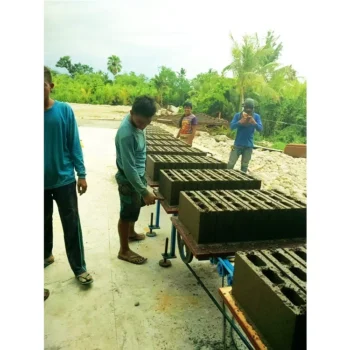
| On-site housing and development projects | Interlocking clay and soil bricks produced directly at the build location |
| First-plant brick startups | Low-capital cement and fly ash interlocking blocks for local sale |
| Building material distributors adding formats | Clay interlocking brick added to an existing product range |
| Rural and peri-urban construction | Earth and mud bricks using locally dug soil with minimal processing |
What "Ready for Shipment" Actually Means for a Block Machine
A machine sitting on the factory floor is not the same as a machine ready to run on yours.
I once watched a buyer fly in to inspect a clay block making machine in stock fast delivery only to discover the electrical panel was wired for a voltage his site could not supply. The machine was physically ready; electrically it was weeks away from being useful. Stock availability matters only when the unit has been configured — voltage, frequency, control language, mould format — to match the buyer’s actual conditions [NEED_CITE: voltage and frequency standards by export market]. Without that confirmation step, "fast dispatch" just means you receive the wrong machine faster.
Stock Positioning and Dispatch Lead Time
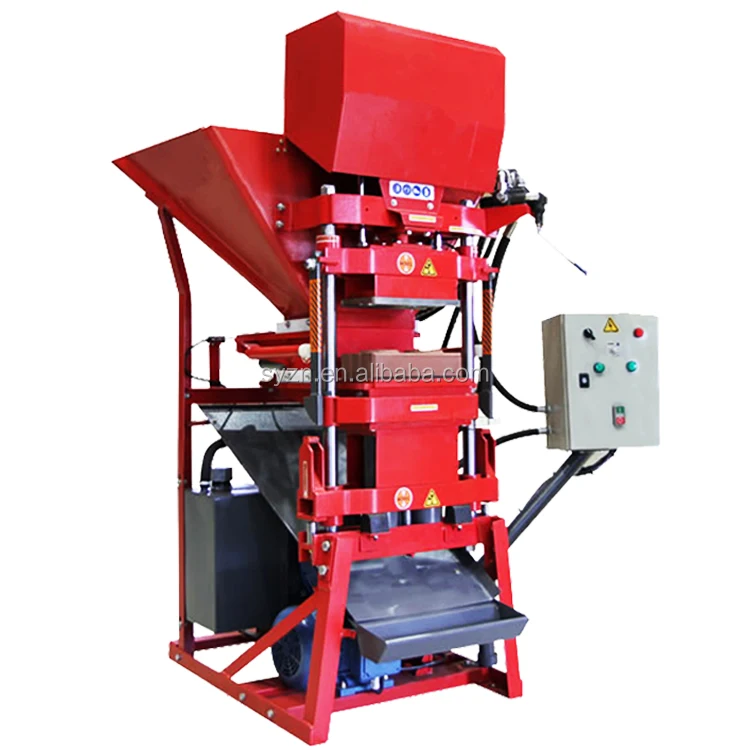
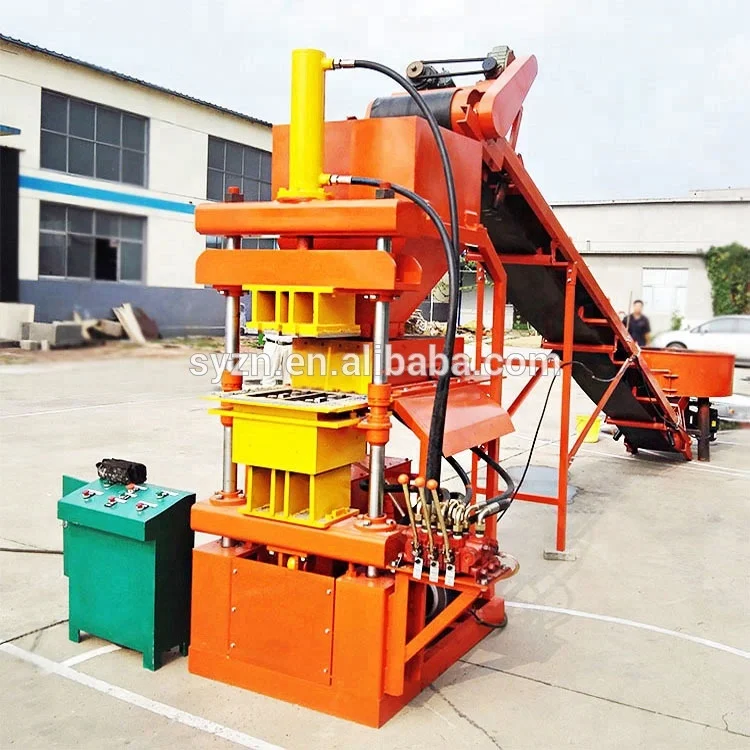
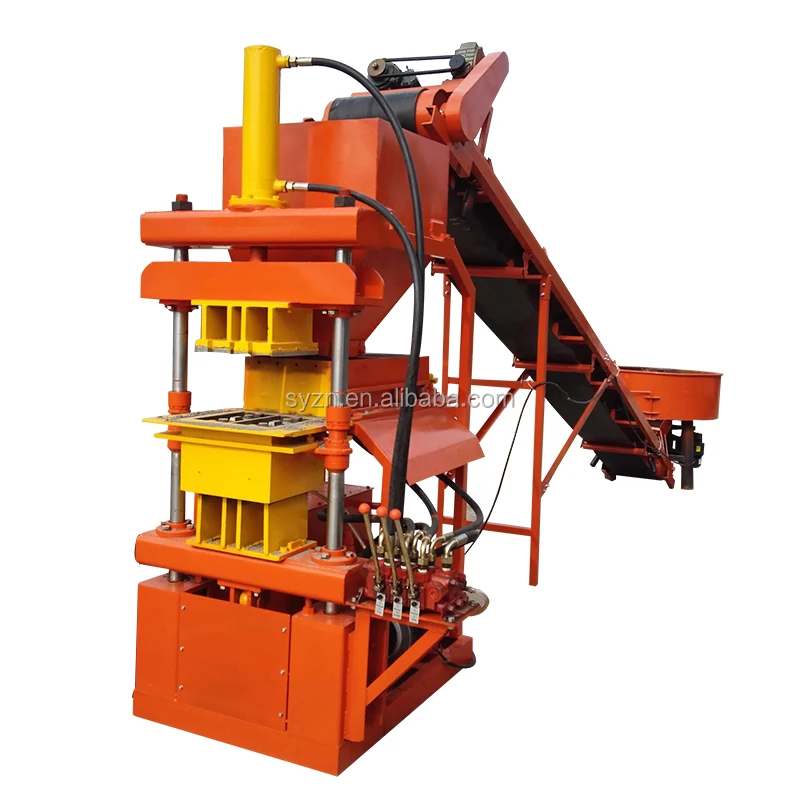
When we list a clay block making machine in stock fast delivery, the unit has completed its factory test cycle and is sitting in the dispatch area with protective wrapping applied. The LY2-10 is compact enough at 1300 × 1800 × 2400 mm to load into a standard container without partial dismantling, which removes one variable from the shipping timeline. Buyers with a project start date can receive a container loading plan and an estimated arrival window before transferring payment.
Mould Availability and Custom Format Lead Times
The three standard interlocking mould sizes — 300×150×100 mm, 250×125×75 mm, and 230×220×115 mm — ship with the machine from stock. If your local market runs a different interlocking profile, a custom mould can be machined from your drawings, but that adds lead time to the dispatch. Confirming the block format your customers actually buy is the first conversation we have, because a machine that ships tomorrow with the wrong mould is no help at all [NEED_CITE: interlocking block format preferences by regional market].
Reading the Spec Sheet Against Real Site Conditions
The 7.5 kW rated power means the LY2-10 can run from a mid-range diesel generator on a remote build site without requiring a dedicated transformer connection. The semi-automatic control layout keeps operator training short — one experienced block maker can train a small crew during the first production day. The 10-second molding cycle is quoted across the three standard interlocking formats, but actual cycle pace depends on your mix consistency, how quickly the operator feeds material, and the moisture content of the clay or soil being pressed.
When the Wrong Configuration Turns a Fast Delivery Into a Slow Problem
A machine that arrives quickly but cannot produce sellable blocks is a liability, not an asset. I have seen contractors rush a clay block making machine in stock fast delivery to site, only to find the local clay had a moisture content that made the interlocking bricks crack during curing. Two weeks of mix adjustment followed — time that erased any advantage from the quick shipping. Matching the machine to the raw material available at the buyer’s site is not optional; it is the step that determines whether the first production run yields bricks or scrap [NEED_CITE: effect of clay moisture content on interlocking brick strength].
Why Buyers Source This Machine Here
Block machinery is our single focus, so the LY2-10 arrives as a matched system — machine, mould, and pallet specified together rather than assembled from separate suppliers. Configuration is checked against the buyer’s local aggregate and target block format, not left at a catalogue default. Installation and commissioning support includes operator training so the crew can produce from day one. Dispatch timelines are quoted with a container loading plan and estimated port arrival so project schedules stay intact.
Documentation & Verification
- Factory test record on your target interlocking block format before dispatch
- Voltage and frequency confirmation sheet matched to destination country
- Mould drawing and format list for each interlocking profile shipped
- Machine packing photographs showing wrapping and securing before container loading
- Operation and maintenance manual in the buyer’s requested language
Installation, Commissioning & Support
- The 7.5 kW motor requires a dedicated circuit with proper grounding at the site
- Overall footprint of 1300 × 1800 × 2400 mm allows placement on a leveled concrete pad
- Machine arrives assembled; only utility connections and mould fitting needed on site
- First-run commissioning includes mix adjustment to local clay or soil conditions
- Operator training covers mould change procedure across all three interlocking formats
- Wear parts list provided with recommended reorder quantities for the first year
Before You Request a Quote
Send us the block format your market buys, the clay or soil type available at your site, and your destination port. We will confirm stock status for the matching mould, quote a container loading date, and provide an estimated arrival so you can plan your project start without guessing.
Frequently Asked Questions
Q: What is the current stock status and fastest dispatch time for the LY2-10?
A: Units are held on the factory floor in Linyi after completing a factory test cycle. Once voltage, frequency, and mould format are confirmed to match your site, the machine is wrapped and staged for the next available container sailing. Dispatch lead time depends on current bookings and your port of destination.
Q: Which block formats and moulds ship with the machine from stock?
A: Three interlocking brick moulds — 300×150×100 mm, 250×125×75 mm, and 230×220×115 mm — are standard stock items. If your market requires a different interlocking profile, custom moulds can be machined from your drawings, which adds lead time beyond the standard dispatch window.
Q: How is the machine packed and secured for sea freight?
A: The LY2-10 is wrapped in protective plastic film and secured with reinforcement rings inside the container. Packing photographs are provided before the container is sealed so the buyer can verify condition. Container loading plans account for the machine’s dimensions to avoid partial dismantling.
Q: What voltage and frequency options are available, and is this confirmed before shipment?
A: Voltage and frequency are configurable to match the buyer’s destination country. This is confirmed in writing before the machine leaves the factory. Shipping a unit with the wrong electrical specification causes commissioning delays that no amount of stock availability can fix.
Q: What raw materials can the LY2-10 process at my project site?
A: The machine accepts clay, soil, earth, mud, concrete, cement, and fly ash. Before shipment we ask for details on your local material so the mix can be validated. A machine configured for material you cannot source locally will sit idle regardless of how fast it arrived.