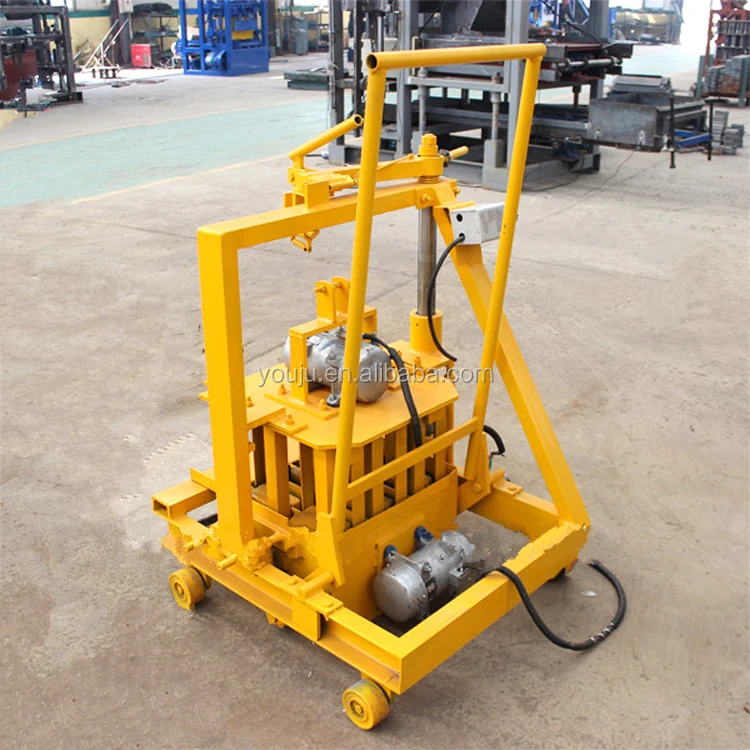
Description
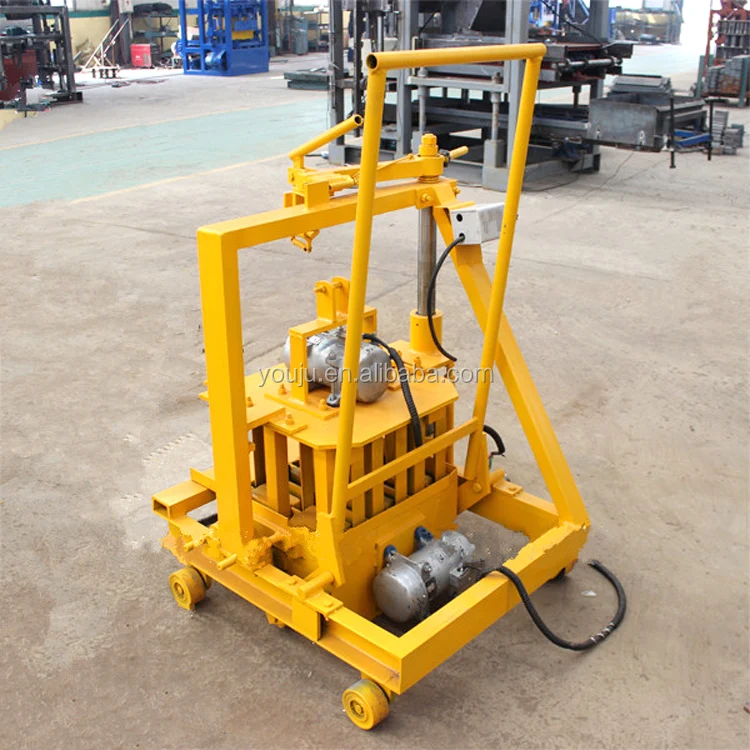
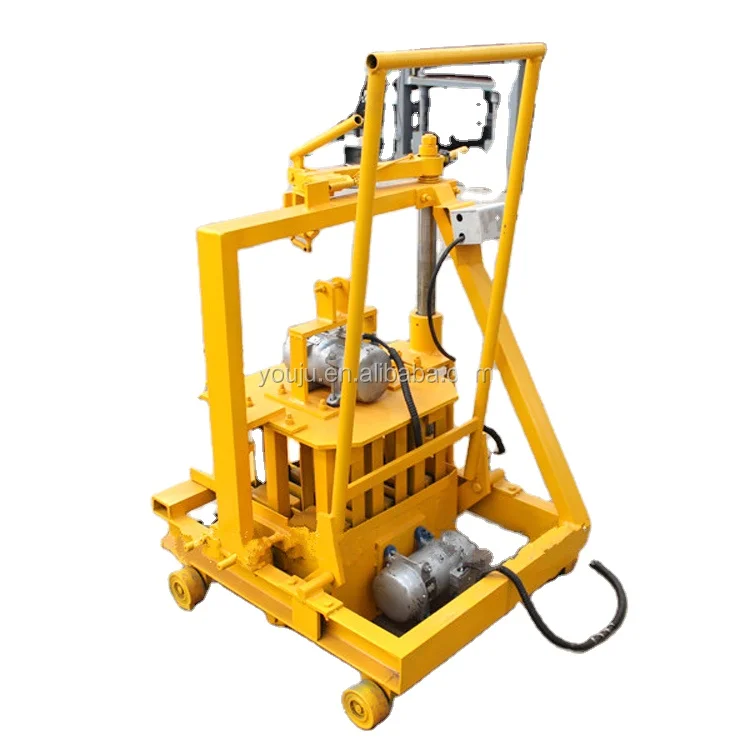
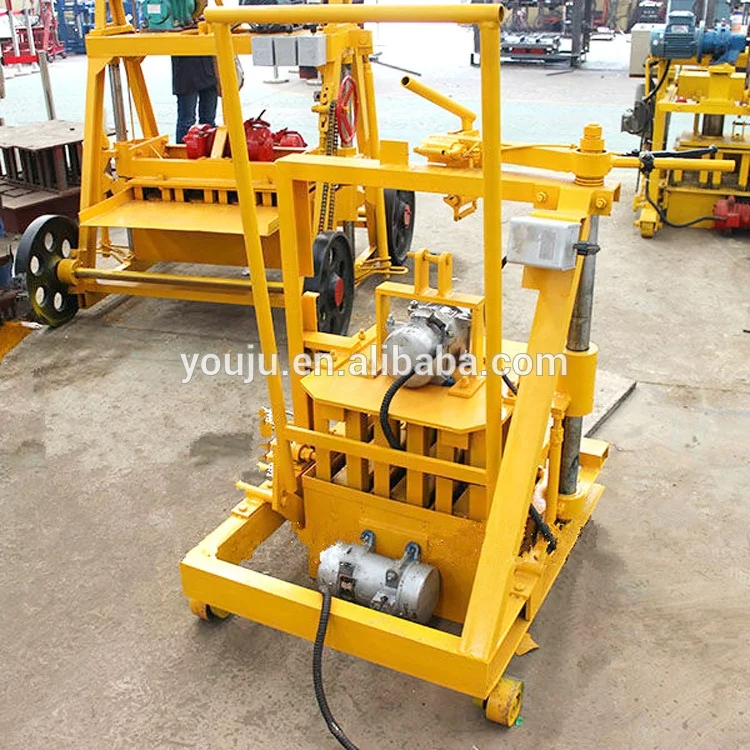
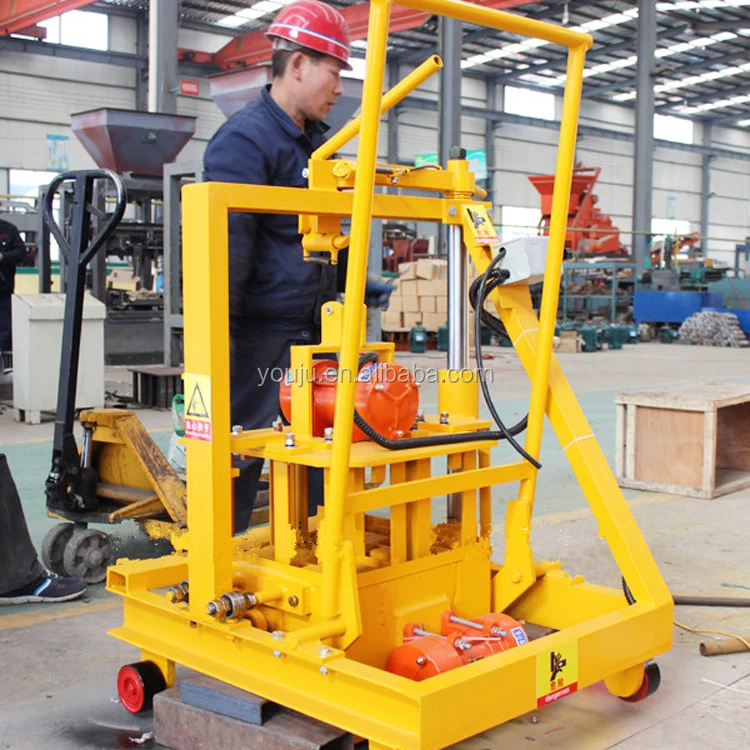
Stocked QMJ2-45 ready for container loading — a mobile egg-laying block machine dispatched from Linyi with standard hollow brick moulds, wear parts kit loaded in the same container, and arrival timing stated before you pay.
Technical Specifications
| Parameter | Value |
|---|---|
| Model | QMJ2-45 |
| Product Type | Mobile Concrete Block Making Machine |
| Machine Type | Mobile / egg-laying |
| Automation Level | Manual operation |
| Power Source | Electric motor |
| Pallet Requirement | None required |
| Labor Requirement | 1 to 3 workers |
| Mould Formats | 400×200×200 mm, 400×150×200 mm, 400×100×200 mm hollow brick |
| Capacity (400×200×200 mm) | 2 pcs/mould, 25–30 s cycle, 160 pcs/h, 1280 pcs/8 hr |
| Capacity (400×150×200 mm) | 3 pcs/mould, 25–30 s cycle, 240 pcs/h, 4800 pcs/8 hr (basis to be confirmed) |
| Capacity (400×100×200 mm) | 4 pcs/mould, 25–30 s cycle, 320 pcs/h, 2560 pcs/8 hr |
| Key Features | No-pallet egg-laying design, manual mould change, electric drive |
| Certification | ISO 9001:2000, CE |
Application Suitability
| Application | Material or Output |
|---|---|
| On-site hollow block production | Crushed stone, sand, cement, water |
| Housing project block supply | 400×200×200 mm and 400×150×200 mm hollow blocks |
| Small-scale entrepreneur block plant | 400×100×200 mm hollow partition blocks |
| Remote construction site production | Standard concrete mix without pallet logistics |
What "Fast Delivery" Actually Means When the Container Arrives
A mobile block machine in stock ships within days, not months — but speed only matters if the voltage matches your grid and the wear parts ride in the same box.
I spent years in after-sales before moving into order fulfillment, and the pattern is always the same: a contractor in Latin America orders a machine against a project deadline, the container crosses the ocean on schedule, and then the machine sits on the dock for weeks because the local voltage was never confirmed or the first hydraulic seal failed with no spare on site [NEED_CITE: common commissioning delays from unconfirmed electrical specifications]. The mobile block machine in stock promise only holds if every supporting detail ships with it.
Stock Availability and Dispatch Lead Time
The QMJ2-45 is held in our Linyi yard as a complete unit with standard hollow brick moulds, which means the typical multi-week production wait is removed entirely. Once voltage and frequency are confirmed against your local grid, the machine is dismantled for container loading and dispatched. A mobile block machine in stock eliminates the production queue, but the dispatch window still depends on how quickly you return the electrical confirmation.
Container Loading and Arrival Estimate
The QMJ2-45 is compact enough for partial container loading, though most buyers consolidate standard moulds, a wear parts kit, and basic tooling into the same shipment. Machine dismantling is done at the yard to maximize space and protect hydraulic and electrical components during transit. Arrival timing is quoted upfront based on your destination port, so you can align the machine with your project schedule rather than guessing at ocean freight windows [NEED_CITE: typical ocean freight transit times from Chinese ports to Latin America].
Understanding the Capacity Numbers by Format
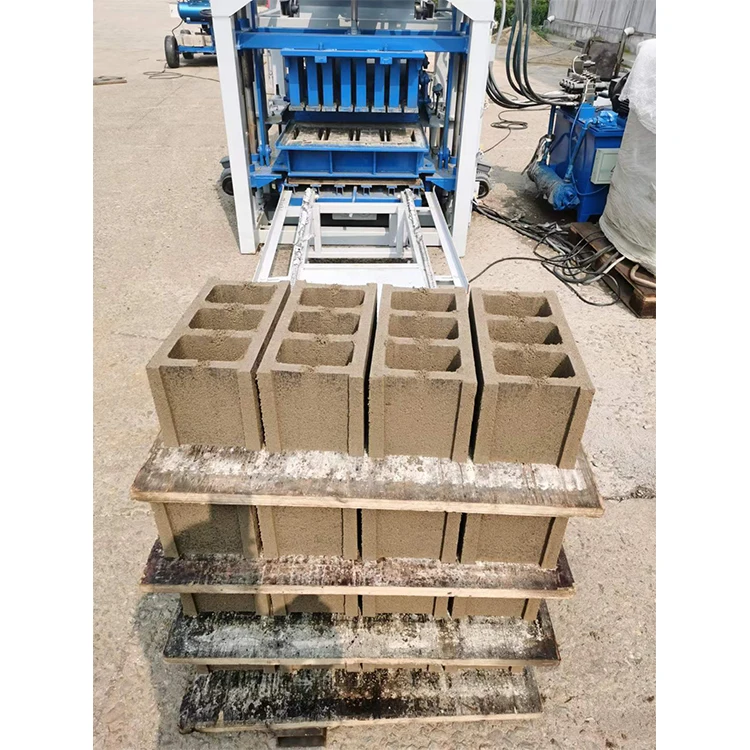
The 25–30 second cycle time applies across all three hollow brick formats, but the pieces per mould changes the hourly output significantly. At 400×200×200 mm you get 2 pieces per cycle, which translates to roughly 160 pieces per hour under continuous operation. The 400×100×200 mm format produces 4 pieces per cycle, doubling the hourly figure to 320. The 400×150×200 mm capacity of 240 pieces per hour at 3 pieces per mould does not align cleanly with the stated cycle time and should be verified against the manufacturer test record before you base your project material order on it. The egg-laying design means the machine moves forward after each cycle, laying blocks directly on the ground — no pallet investment, no pallet return loop, no curing-area pallet logistics to manage.
When the Wrong Voltage Reaches the Job Site
I have watched a mobile egg-laying machine of this class sit idle for over a month because the motor was wound for 380V/50Hz and the buyer’s grid ran 220V/60Hz. The contractor had a crew waiting, aggregate stockpiled, and a foundation curing schedule that did not pause for electrical corrections [NEED_CITE: motor rewinding lead times in remote construction markets]. Voltage and frequency must be locked in before the machine leaves the yard, not discovered when the electrician opens the control panel on site.
Why This Source Ships Differently
Block machinery is the only thing we build, so the machine, mould, and handling are specified as a matched system rather than assembled from unrelated suppliers. Every QMJ2-45 that leaves the yard carries a wear parts kit in the same container — hydraulic seals, vibration springs, and mould wear inserts — because I learned early that a machine without spares is a machine waiting. Voltage and control language are confirmed before production, not after. The factory test runs your target hollow brick format with your confirmed mix ratio, and the test record ships with the documentation package.
Documentation & Verification
- Factory test record on your confirmed hollow brick format before dispatch
- Voltage and frequency confirmation sheet matched to your local grid
- Mould drawing and format list for each hollow brick size ordered
- Operation and maintenance manual with wear parts replacement intervals
- CE declaration included where applicable to your import market
Installation, Commissioning & Support
- Compact footprint requires only a level concrete slab, no fixed plant foundation
- Electric motor connection must match confirmed voltage and dedicated circuit rating
- Machine arrives dismantled; reassembly covers frame, motor, and mould mounting
- First-cycle commissioning includes mould alignment and cycle timing verification
- Operator training covers mould change procedure and daily vibration assembly inspection
- Wear parts kit ships in the same container for immediate first-replacement coverage
What We Need to Move Forward
Share your destination port, local voltage and frequency, and which hollow brick formats your market moves fastest. If you have an existing concrete mix ratio or local aggregate source, include that so the factory test matches your actual conditions. Confirm whether you need additional mould formats beyond the standard three, and we will quote the container loading plan and arrival estimate together.
Frequently Asked Questions
Q: Is the QMJ2-45 currently in stock, and what is the dispatch lead time?
A: The QMJ2-45 is held as a stocked unit in our Linyi yard alongside standard hollow brick moulds. Once you confirm voltage, frequency, and destination port, the machine is dismantled and loaded for dispatch. The lead time from confirmation to container gate-out is measured in days, not production weeks.
Q: What standard hollow brick moulds ship with the machine from stock?
A: Stock moulds cover 400×200×200 mm, 400×150×200 mm, and 400×100×200 mm hollow brick formats. Each mould is matched to the QMJ2-45 vibration and cycle parameters. If your market requires a different hollow format, custom mould production is available with a separate lead time.
Q: How is the machine packed and loaded for container shipment?
A: The QMJ2-45 is dismantled at the yard to fit efficiently into container space, with hydraulic and electrical components protected against moisture and impact. Standard moulds and the wear parts kit are loaded in the same container so everything arrives together at your port.
Q: What voltage and frequency options are available, and can they be confirmed before dispatch?
A: The electric motor can be configured for various voltage and frequency combinations to match your local grid. This must be confirmed before the machine leaves the yard, as correcting a wound motor after arrival causes extended idle time on your project site.
Q: What is the estimated arrival time at my destination port?
A: Arrival timing depends on your specific destination port and current shipping schedules. We quote the estimated arrival date upfront alongside the dispatch confirmation, so you can plan site preparation and crew scheduling around a known delivery window rather than an uncertain one.