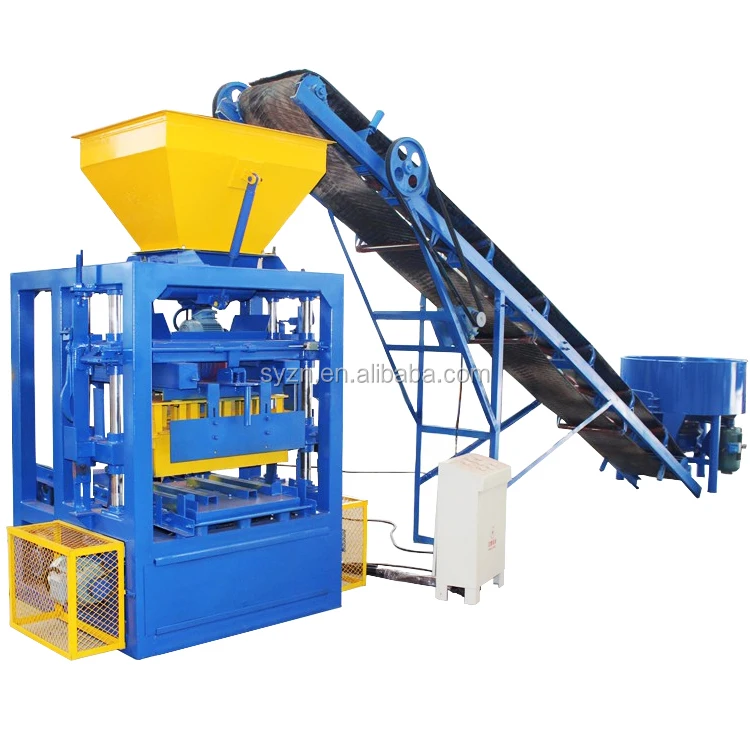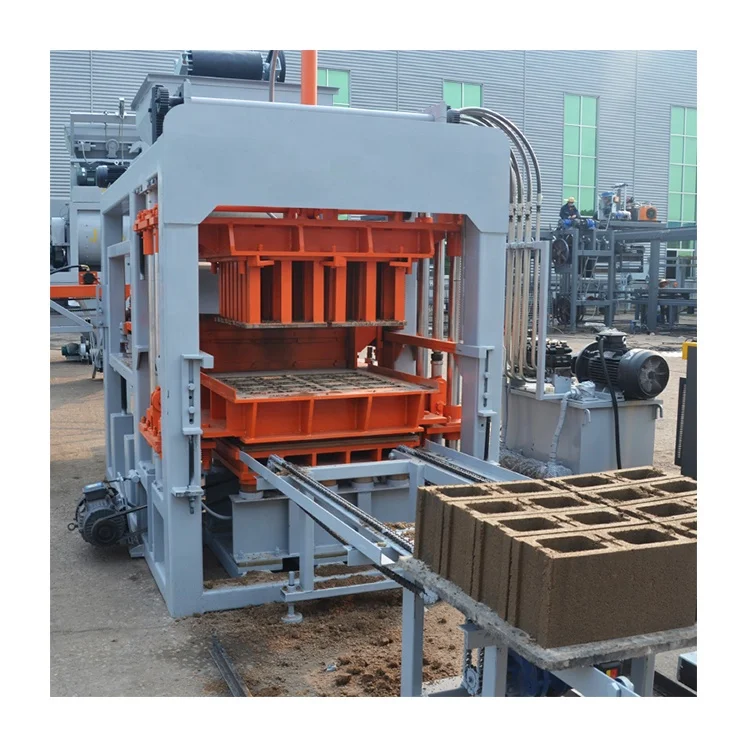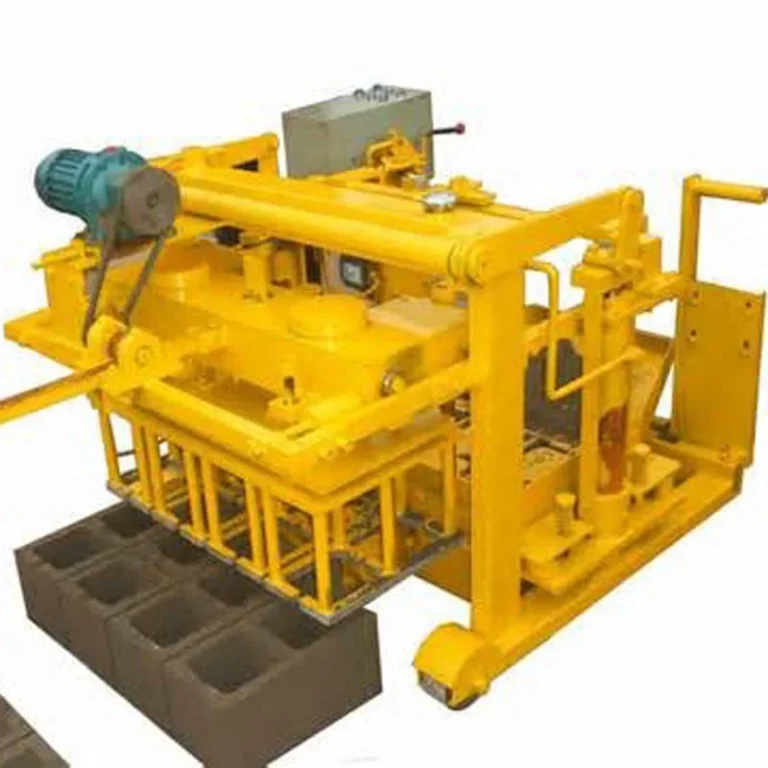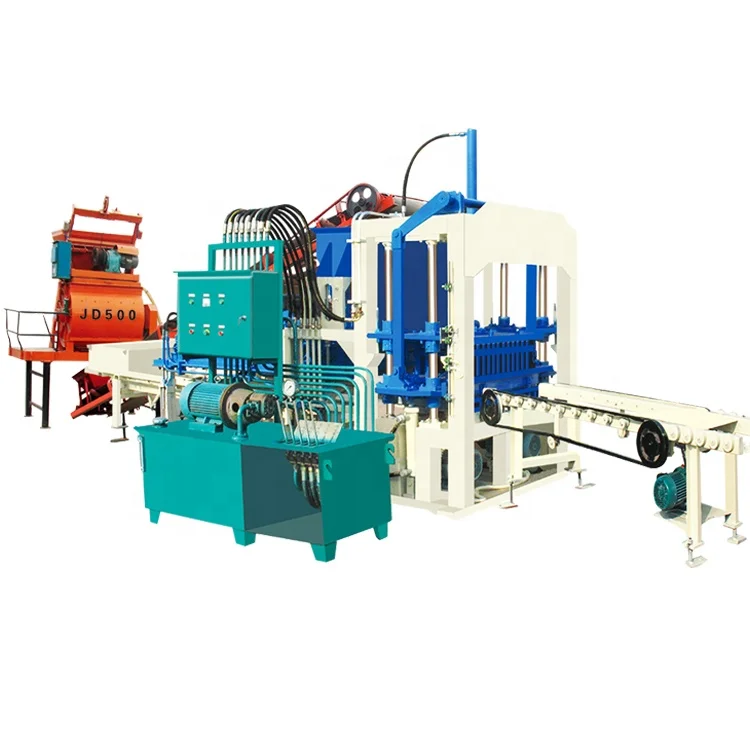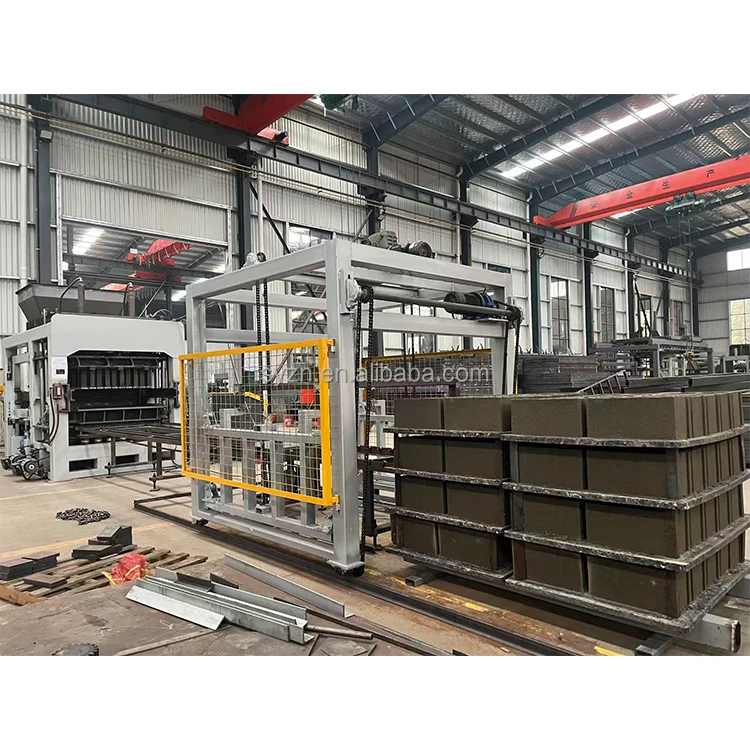
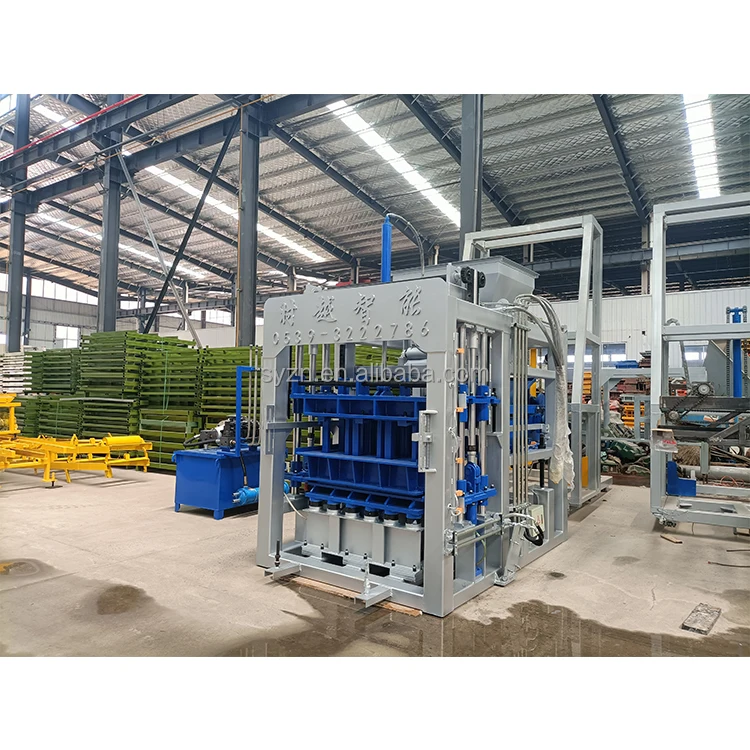
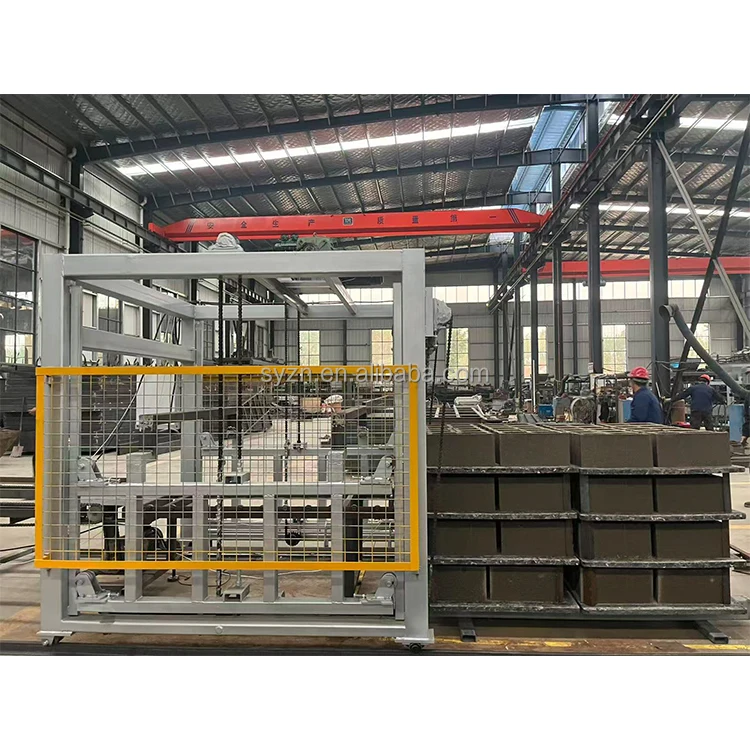

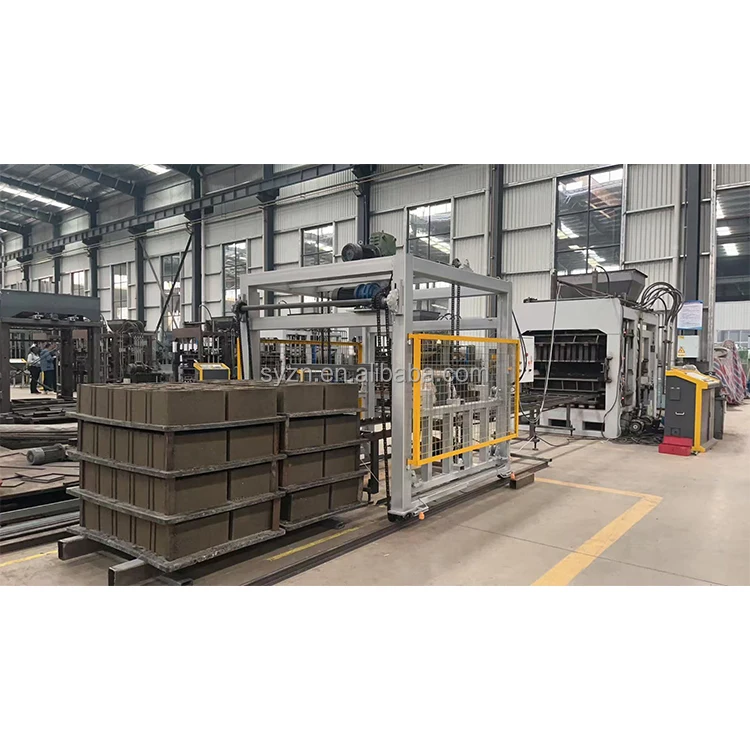
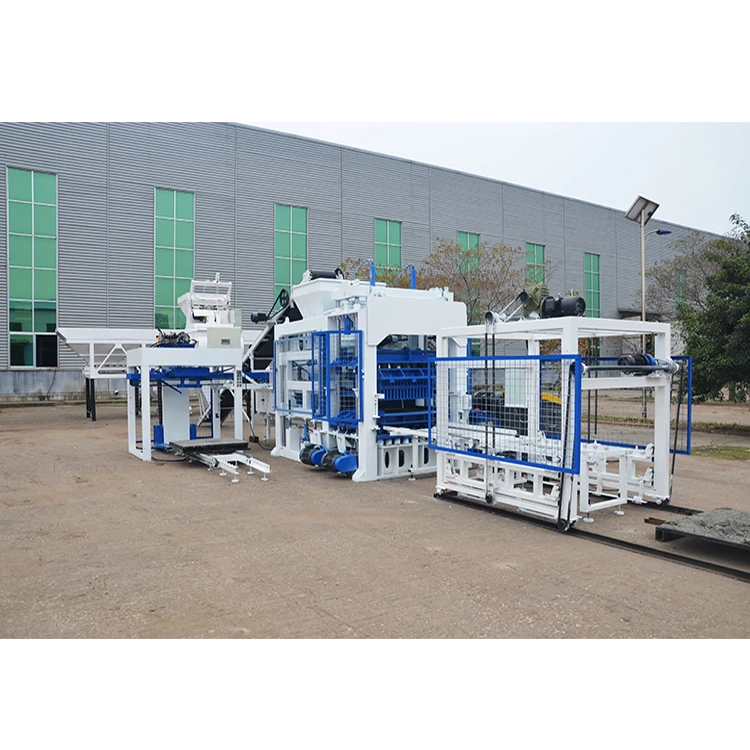
Description
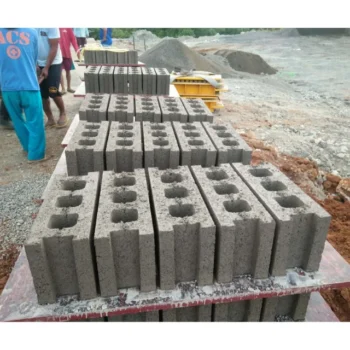
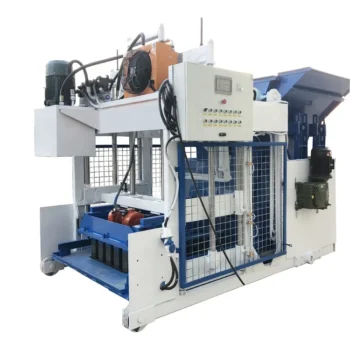
Configuration set against the buyer’s actual mix design, local aggregate and target block format, not a catalogue default — the QT10-15 interlocking block machine in stock fast delivery is dispatched with moulds, pallets and line components matched to the buyer’s confirmed block format and site conditions.
Technical Specifications
| Parameter | Value |
|---|---|
| Model | QT10-15 |
| Product Type | Interlocking Concrete Block Making Machine |
| Control System | PLC control cabinet |
| Hydraulic System | Independent integrated hydraulic station |
| Vibration Mode | Vertical station mode resonance with automatic FM-AM |
| Mould Change | Simple mould replacement for multi-format production |
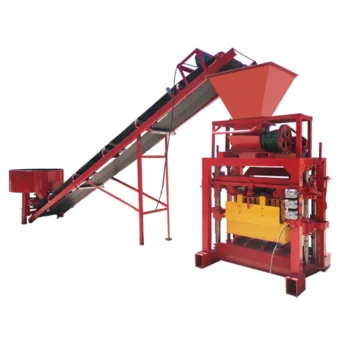
| Line Components | Pallet feed machine, block making machine, storage hopper, conveyor, hydraulic unit, PLC control cabinet |
| Cycle Time (400×200×200mm hollow block) | 15–20s |
| Output Capacity (400×200×200mm hollow block, 10 pcs/mould) | 1800–2400 pcs/hour, 14400–19200 pcs/8hr |
| Cycle Time (400×150×200mm block) | 15–20s |
| Output Capacity (400×150×200mm block, 12 pcs/mould) | 2160–2880 pcs/hour, 17280–23040 pcs/8hr |
| Cycle Time (240×115×53mm solid brick) | 15–20s |
| Output Capacity (240×115×53mm solid brick, 62 pcs/mould) | 8928–11160 pcs/hour, 71424–89280 pcs/8hr |
| Cycle Time (200×100×60mm paving block) | 20–25s |
| Output Capacity (200×100×60mm paving block, 27 pcs/mould) | 5184–6480 pcs/hour, 41472–51840 pcs/8hr |
| Cycle Time (225×112.5×60mm interlocking block) | 20–25s |
| Output Capacity (225×112.5×60mm interlocking block, 24 pcs/mould) | 4032–5040 pcs/hour, 32256–40320 pcs/8hr |
| Warranty | 1 year for whole machine (excluding spare parts) |
| Voltage & Frequency | (basis not stated in source — confirm with supplier) |
| Automation Level | PLC controlled with pallet feed (full automation tier to confirm) |
Application Suitability
| Application | Material or Output |
|---|---|
| Interlocking brick production | Crushed stone, cement, sand and aggregate mix for 225×112.5×60mm interlocking pavers |
| Hollow block production | Cement, sand and gravel blend for 400×200×200mm structural hollow blocks |
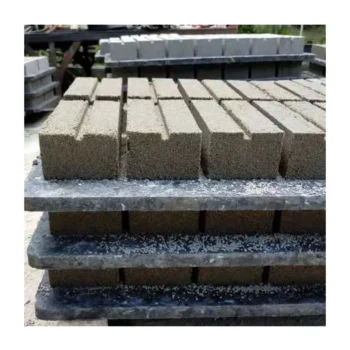
| Solid brick production | Fine aggregate and cement for 240×115×53mm standard solid bricks |
| Paving block production | Coarse aggregate and cement for 200×100×60mm interlocking paving units |
| On-site contractor production | Local aggregate and cement for construction-site block manufacturing |
Why the Voltage Question Must Be Settled Before Dispatch
Buyers who confirm voltage after the machine is built face weeks of idle time at port or on site while a transformer is sourced. The QT10-15 interlocking block machine in stock fast delivery is available for rapid dispatch, but electrical parameters must be locked to the buyer’s site supply before the container is sealed.
I once watched a contractor in Dubai receive a block machine wired for 380V/50Hz while the site generator produced 440V/60Hz. The machine sat unopened for three weeks while a step-down transformer was flown in, pushing the entire masonry schedule back. That delay cost more than the transformer itself because every trade downstream — plasterers, plumbers, electricians — had their bookings rescheduled [NEED_CITE: voltage and frequency standards by export market]. The lesson is straightforward: a stocked machine only saves time if the electrical specification matches the destination from the first hour of operation.
Stocked Machines and the Dispatch Timeline
When a project deadline is approaching, the difference between a machine in stock and one built to order is measured in weeks. The QT10-15 interlocking block machine in stock fast delivery programme keeps completed units and standard moulds on the yard so that once the buyer confirms block format, voltage and pallet size, the packing and container loading plan can be drawn up within days rather than months.
Container Loading and Dismantling for Transit
A complete QT10-15 line includes the block making machine, pallet feed unit, storage hopper, conveyor, hydraulic station and PLC cabinet. Each component is dismantled and secured inside standard shipping containers to prevent movement during ocean transit. Packing photographs are shared with the buyer before the container doors are closed, and customs documentation is prepared in parallel so that port clearance at destination does not become a second bottleneck [NEED_CITE: container loading practice for heavy industrial machinery].
Reading the Output Figures Against Block Format
The capacity table above lists five different block formats, each with its own cycle time and mould cavity count. A buyer planning to run 400×200×200mm hollow blocks will see 1800–2400 pieces per hour, while the same machine running 225×112.5×60mm interlocking blocks will produce 4032–5040 pieces per hour because the interlocking mould holds 24 cavities and the cycle is only marginally longer. Quoting a single hourly figure without naming the format leads to daily output expectations that the machine cannot meet. The vibration mode — vertical station resonance with automatic frequency and amplitude modulation — adjusts to the mix density required by each format, so switching from hollow blocks to solid bricks does not require manual re-tuning of the vibration table. The independent hydraulic station sits away from the main vibration zone, which keeps hydraulic oil temperature and seal wear within predictable ranges even when the press is cycling continuously through an eight-hour shift.
The Cost of Skipping Electrical Confirmation
A buyer who assumes standard voltage without checking the site supply risks arriving at commissioning with a motor that will not start or a PLC that displays fault codes on the first power-up. Re-winding motors, replacing contactors and reprogramming drives after the machine is in-country adds weeks to the schedule and introduces doubts about whether the rest of the electrical system was specified correctly [NEED_CITE: CE machinery directive requirements for industrial equipment]. Confirming voltage, frequency and control language before the machine leaves the factory costs nothing; correcting it after arrival costs far more.
Why Procurement Through This Channel Works
Block machinery is the sole focus, so the QT10-15 is supplied as a matched line — press, pallet feed, hopper, conveyor, hydraulic unit and PLC cabinet — rather than a collection of separate purchases that the buyer must integrate on site. Dispatch lead time is stated in the quotation, not left to assumption, and container loading plans show exactly how each component is positioned for transit. Mould inventory covers the five standard formats listed above, and custom moulds can be produced to buyer drawings when the local market demands a non-standard dimension. Factory test records are generated with the buyer’s target block format before packing, so output and cycle time are verified on the specific cavity count that will run in production. Customs documentation is assembled alongside the packing list, reducing the chance that a missing certificate holds the container at the destination port.
Documentation & Verification
- Factory test record on the buyer’s confirmed block format and mould cavity count
- Machine specification sheet listing hydraulic, vibration and PLC parameters
- Voltage and control language confirmation signed off before dispatch
- Packing photographs showing dismantling and container securing detail
- Customs documentation package matched to destination-country requirements
- Operation and maintenance manual with wear parts and mould list
Installation, Commissioning & Support
- Foundation plan matched to the QT10-15 footprint and vibration load distribution
- Power supply specification confirming voltage, frequency and dedicated circuit rating for the hydraulic station
- Dismantled component checklist verified against packing photographs at container opening
- PLC parameter upload and cycle-time calibration on the buyer’s local aggregate mix
- Operator training covering mould change procedure and daily vibration-table inspection
- Wear parts list identifying hydraulic seals, vibration springs and pallet guide rollers for first reorder
What We Need to Move Your Order Forward
To give a firm dispatch date, the inquiry should include the target block format, required daily output and the voltage and frequency available at the site. Photos of the existing curing area and any forklift already on site help us match pallet size and material so that the delivered pallets fit the buyer’s handling equipment. Where a project milestone is driving the timeline, sharing that date upfront allows the container loading plan to be sequenced around the available sailing schedule.
Frequently Asked Questions
Q: Is the QT10-15 currently in stock, and what is the dispatch lead time?
A: Stock status is confirmed at the time of inquiry. When a QT10-15 unit and the requested standard mould are on the yard, dispatch lead time covers packing, customs paperwork and container booking — typically a matter of days once electrical parameters are confirmed. Built-to-order configurations follow a longer production schedule quoted at inquiry stage.
Q: How is the machine dismantled and loaded into containers for shipment?
A: The block making machine, pallet feed unit, hydraulic station and PLC cabinet are separated, secured and loaded into standard containers. Packing photographs are shared before the container is sealed so the buyer can verify component placement and bracing before the shipment leaves the factory.
Q: What standard moulds are available from stock for immediate shipment?
A: Standard stocked moulds cover 400×200×200mm hollow block, 400×150×200mm block, 240×115×53mm solid brick, 200×100×60mm paving block and 225×112.5×60mm interlocking block. Availability of each mould is confirmed at inquiry alongside the machine stock status.
Q: When can I expect arrival at my port after dispatch?
A: Ocean transit time depends on destination port and the next available sailing from the loading port. An arrival estimate is provided at quotation stage based on current shipping schedules, and the estimate is updated once the container is booked on a confirmed vessel.
Q: Do you provide customs documentation and packing details for smooth clearance?
A: Yes. A full customs documentation package is prepared in parallel with packing, including the commercial invoice, packing list, certificate of origin where required and CE declaration where applicable. The package is matched to the destination country’s import requirements to support efficient port clearance.