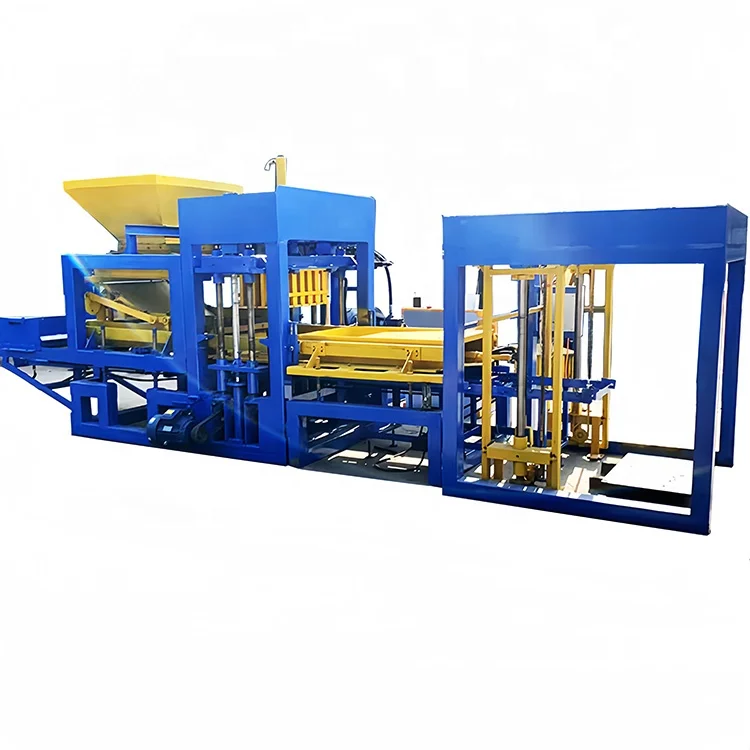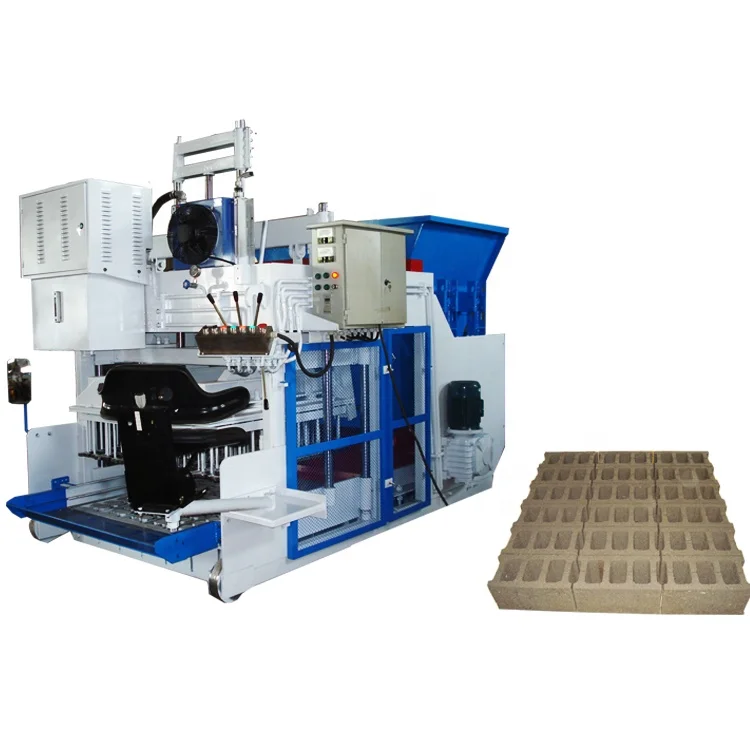
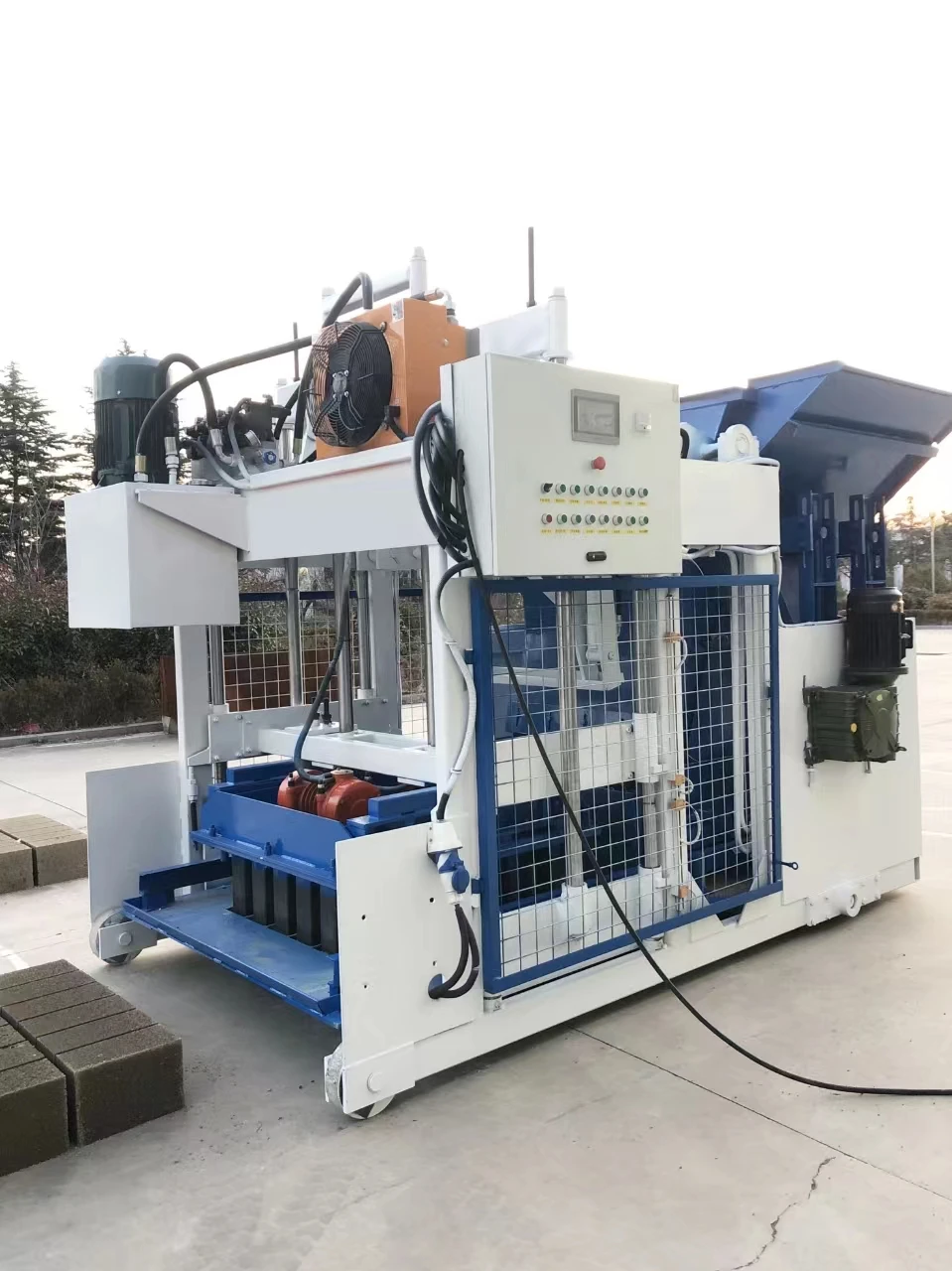
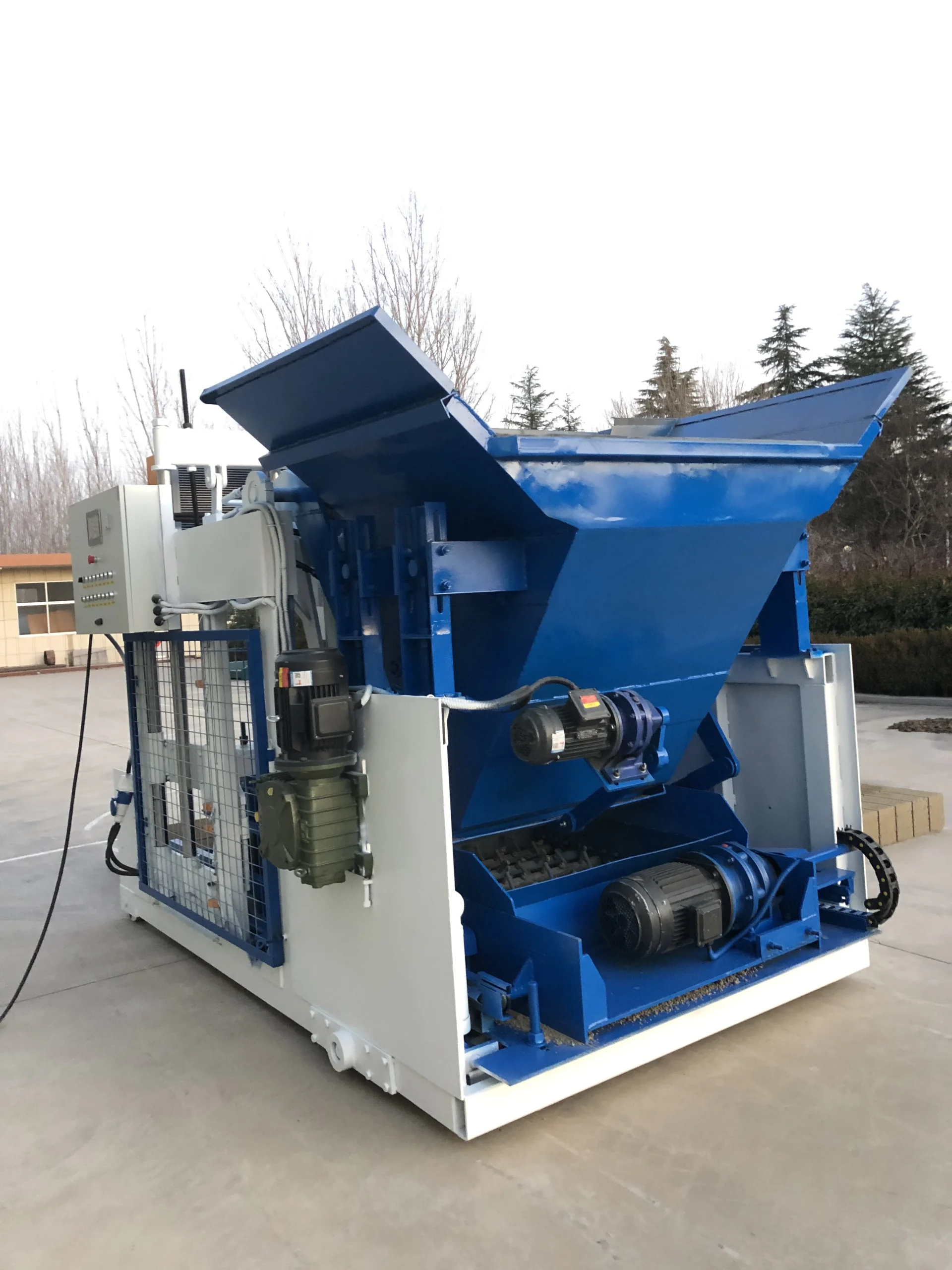
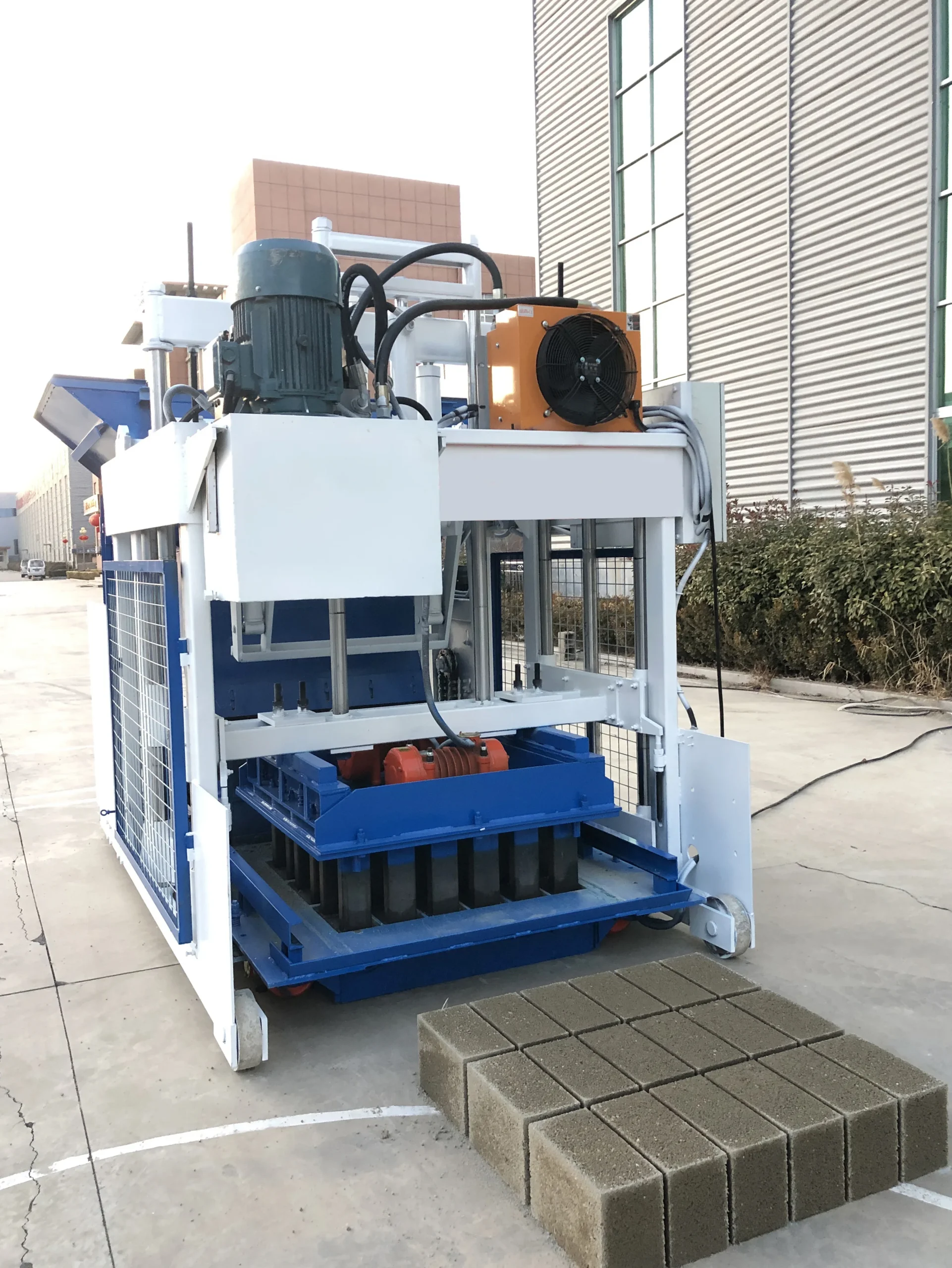
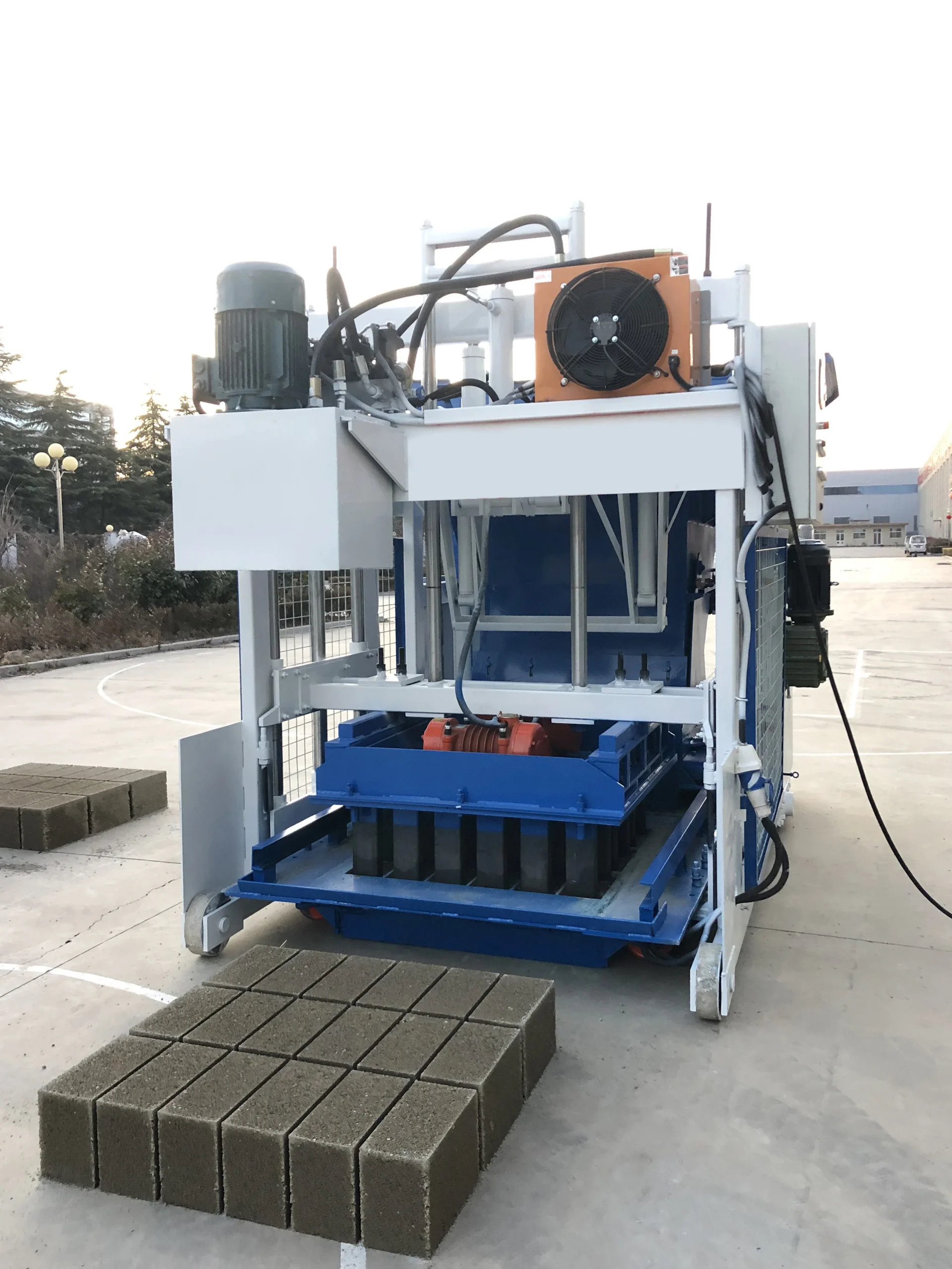
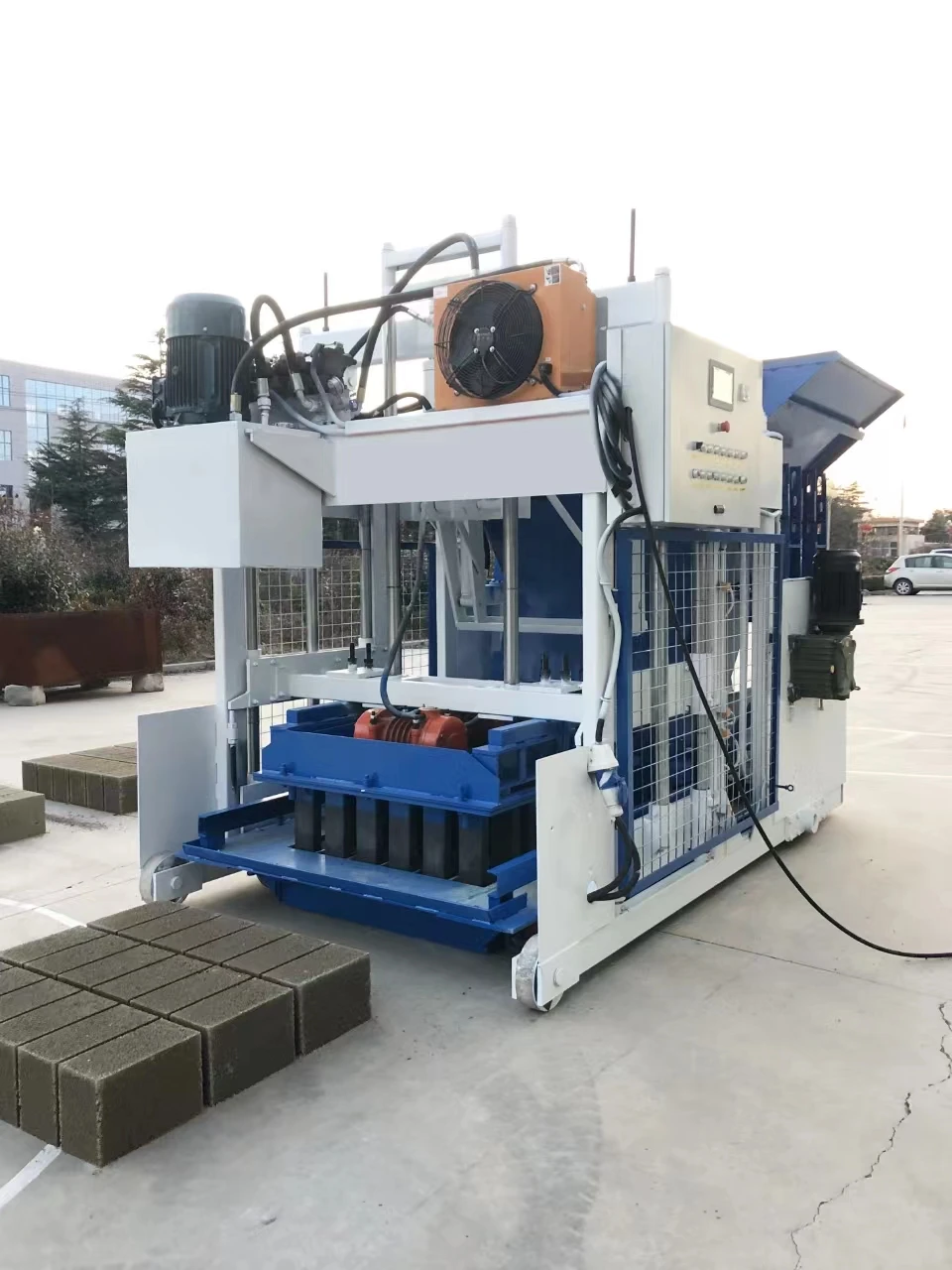
Description
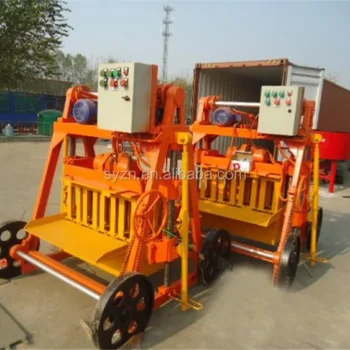
Dispatch Ready — Stocked QMY18-15 mobile block machines configured with confirmed voltage and frequency before container loading, eliminating the commissioning delays that stall project sites.
Technical Specifications
| Parameter | Value |
|---|---|
| Model | QMY18-15 |
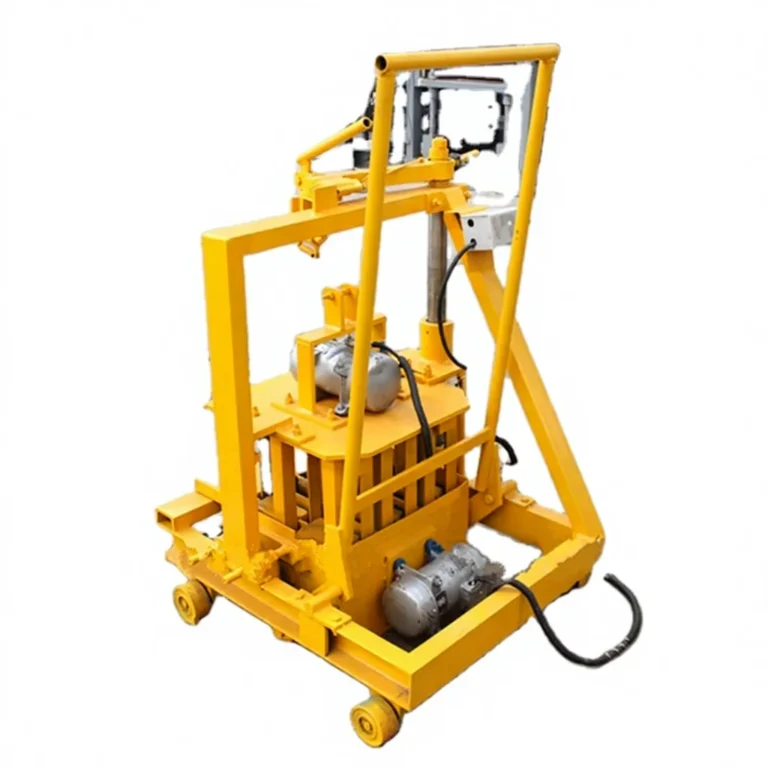
| Product Type | Mobile Cement Block Making Machine |
| Working Method | Hydraulic pressure with vibration |
| Rated Power | 24 kW |
| Voltage & Frequency | Customized to local industrial supply (confirm exact V/Hz before order) |
| Control System | PLC-assisted operation |
| Automation Level | Semi-automatic |
| Output Capacity | Approx. 34,000 pcs per shift (basis: 400×200×200 mm hollow block — confirm shift length and actual cycle time) |
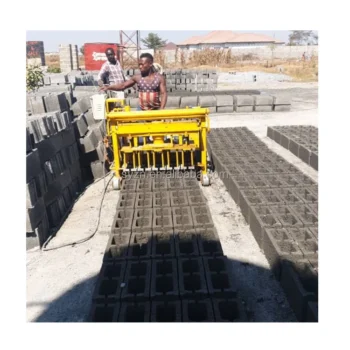
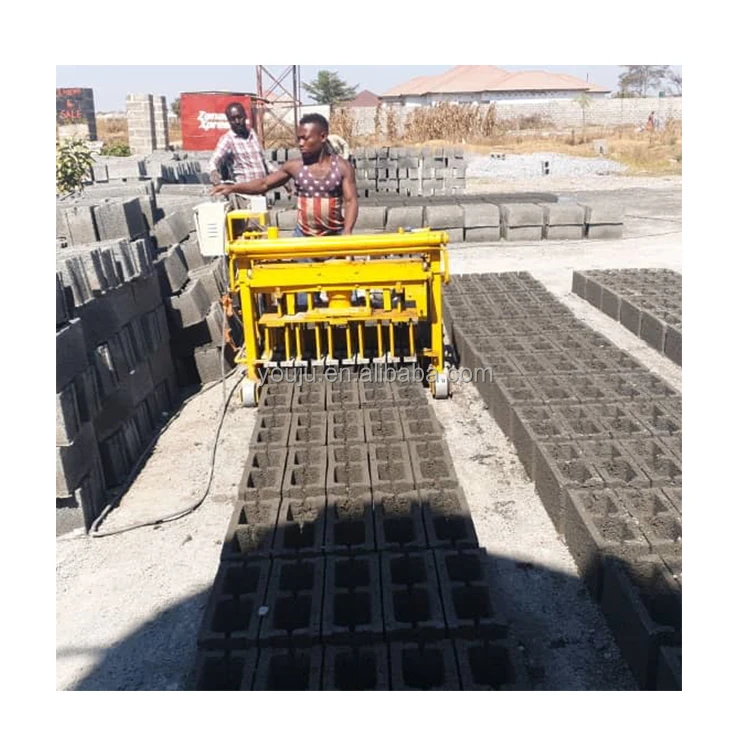
| Pallet Requirement | None — blocks laid directly on ground |
| Block Types | Hollow block, solid block, and other cement formats depending on mould configuration |
Application Suitability
| Application | Material or Output |
|---|---|
| On-site hollow block production for building contractors | Crushed stone, sand, cement, and water mix laid on compacted ground |
| Housing development projects in remote areas | Standard hollow and solid blocks produced without a fixed batching plant |
| First block plant for entrepreneurs entering the market | Entry-level cement block formats with minimal infrastructure investment |
| Project sites requiring immediate block supply | Direct ground-laying production eliminating pallet inventory and curing racks |
Why the Voltage Question Must Come Before the Container Booking
A mobile block machine in stock means nothing if the electrical cabinet cannot match the local grid when it arrives.
I once watched a construction crew stand around a freshly delivered mobile block machine because the local supply was 220V/60Hz and the cabinet had been wired for 380V/50Hz. The project manager had confirmed the order, paid the deposit, and tracked the container — but nobody had checked the voltage at the site. That machine sat idle for two weeks while replacement contactors and a transformer were air-freighted in. A mobile block machine in stock is only useful if it is electrically ready for the destination. [NEED_CITE: voltage and frequency standards by export market]
Pallet-Free Operation and What It Removes From Your Site
The QMY18-15 lays blocks directly on the ground as it moves forward, which means no pallet purchasing, no pallet storage area, and no curing rack handling system to set up. For a contractor producing blocks at a building site, this removes an entire layer of logistics that fixed-plant machines require. The trade-off is that the ground surface must be level and firm enough to accept freshly formed blocks without deformation, so site preparation still matters.
Container Loading and Dispatch Lead Time
When a buyer is working against a project deadline, the question is not just whether the machine exists but how fast it can be dismantled, loaded, and on a vessel. The QMY18-15 mobile block machine is designed to break down into components that fit standard container dimensions, with the main frame, hydraulic station, and electrical cabinet packed separately to prevent transit damage. Dispatch lead time depends on current stock status and the destination port, so confirming availability before placing the order avoids scheduling gaps. [NEED_CITE: typical container loading practices for mobile block machines]
Reading the Power and Control Specs for On-Site Reality
The 24 kW rated power drives both the hydraulic pump and the vibration motor simultaneously, which is the realistic load profile when the machine is forming a dense hollow block. On a remote project site where power may come from a diesel generator rather than a stable grid, that 24 kW figure tells the buyer the minimum generator capacity needed — undersizing the generator causes voltage drops during the vibration cycle, producing weak blocks. The PLC control system allows semi-automatic operation, meaning the operator manages material feeding and machine movement while the PLC handles the pressing cycle timing. This reduces the skill level required on-site, which matters when the crew is a general construction team rather than dedicated block plant operators.
What Happens When Voltage and Frequency Are Assumed Instead of Confirmed
The most common commissioning failure on exported block machines is an electrical mismatch, and it is entirely preventable. When the voltage is wrong, contactors chatter, motors overheat within minutes, and the PLC throws faults that the operator cannot diagnose. When the frequency is wrong — say 60Hz instead of the 50Hz the motor was wound for — the vibration motor runs at a different speed, changing the compaction force and producing blocks that do not meet the strength the buyer expected. Fixing this on-site means sourcing replacement electrical components in a market that may not stock them, turning a delivery into a multi-week delay. [NEED_CITE: electrical mismatch failures in exported industrial machinery]
Why Buyers Source This Machine Through a Stock-and-Dispatch Workflow
Block machinery is the single product focus here, so the QMY18-15 is specified as a complete system — machine, mould, and electrical cabinet matched to the buyer’s site conditions rather than assembled from separate suppliers. Configuration is set against the buyer’s local voltage, frequency, and PLC display language before production begins, not adjusted after arrival. Standard moulds for common hollow and solid block formats are held alongside the machine, so a mobile block machine in stock can ship with the moulds the buyer actually needs. Factory test records and packing photographs are provided before the container is sealed, so the buyer can verify condition without visiting the factory.
Documentation & Verification
- Capacity calculation sheet stating the block format and shift length behind the output figure
- Voltage, frequency, and PLC language confirmation record signed before production
- Factory test record showing hydraulic pressure and cycle timing on the configured mould
- Packing photographs of dismantled components before container loading
- Electrical schematic matching the as-built cabinet for on-site troubleshooting
Installation, Commissioning & Support
- Ground surface must be level and compacted before the QMY18-15 begins its first production run
- 24 kW power supply requires a dedicated circuit with correct breaker rating for the hydraulic pump start-up surge
- Machine arrives dismantled; hydraulic hoses and electrical connections are reassembled on-site per the schematic
- First-run commissioning includes cycle time verification on the buyer’s actual block format and mix
- PLC display language is confirmed before shipment so operators can read fault codes immediately
- Mould wear parts list supplied with recommended replacement intervals based on aggregate abrasiveness
What to Include in Your Inquiry
To move from a stock check to a confirmed dispatch, provide the exact block format you need to produce, your local industrial voltage and frequency, and the project start date you are working toward. If you have an existing diesel generator on-site, share its rated capacity so the electrical cabinet can be matched accordingly.
Frequently Asked Questions
Q: What is the real daily output and which block format is it based on?
A: The quoted figure of approximately 34,000 pieces per shift is based on 400×200×200 mm hollow blocks. Actual output depends on your shift length, mix design, and operator pace. Request a capacity calculation sheet that states the assumed format and cycle time for the specific block you intend to produce.
Q: Is the QMY18-15 currently in stock and what is the dispatch lead time?
A: Stock status changes with orders in progress. Confirm availability at the time of inquiry and provide your destination port so an arrival estimate can be quoted. Standard configurations dispatch faster than machines requiring custom voltage or mould modifications.
Q: How is the machine dismantled and loaded into a container?
A: The main frame, hydraulic station, mould, and electrical cabinet are separated for container loading to prevent transit damage. Packing photographs are provided before the container is sealed so you can verify component condition and loading arrangement.
Q: Can the voltage, frequency, and PLC language be set before shipping?
A: Yes, and this confirmation is mandatory before production begins. Provide your local industrial voltage, frequency, and preferred PLC display language so the electrical cabinet is built to match and operators can read the interface on arrival.
Q: What moulds are in stock and how fast can custom moulds be produced?
A: Standard hollow and solid block moulds for common formats are typically held in stock alongside the machine. Custom moulds require drawings and a production lead time that is quoted at the time of order, with the option to ship them together in the same container.