
Description
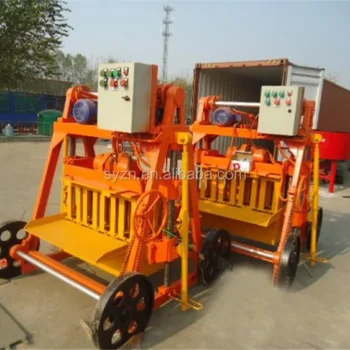
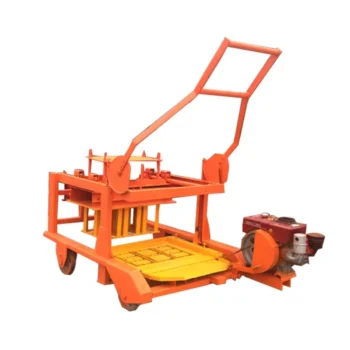
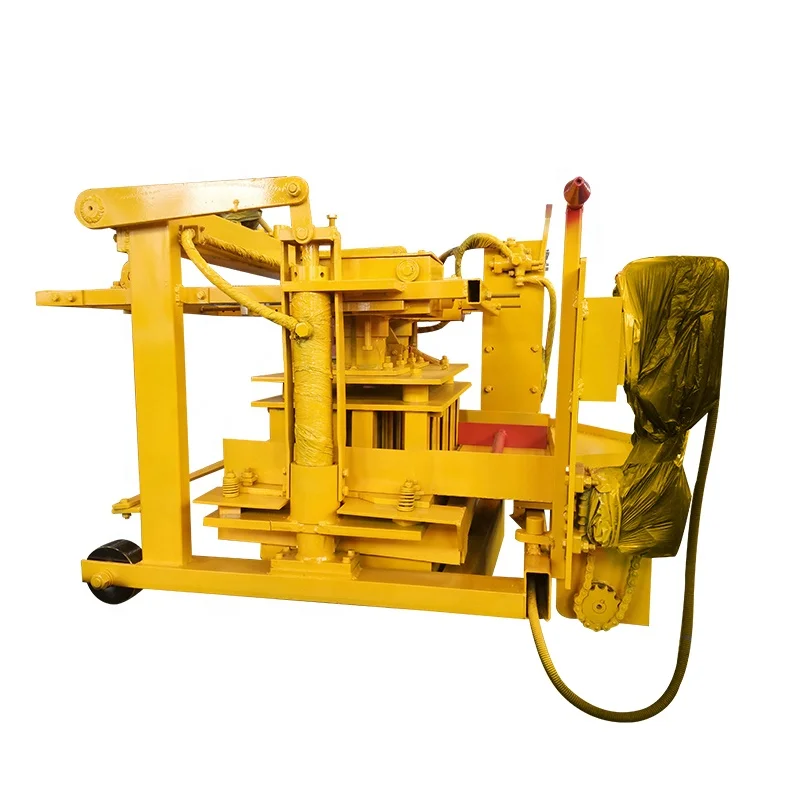
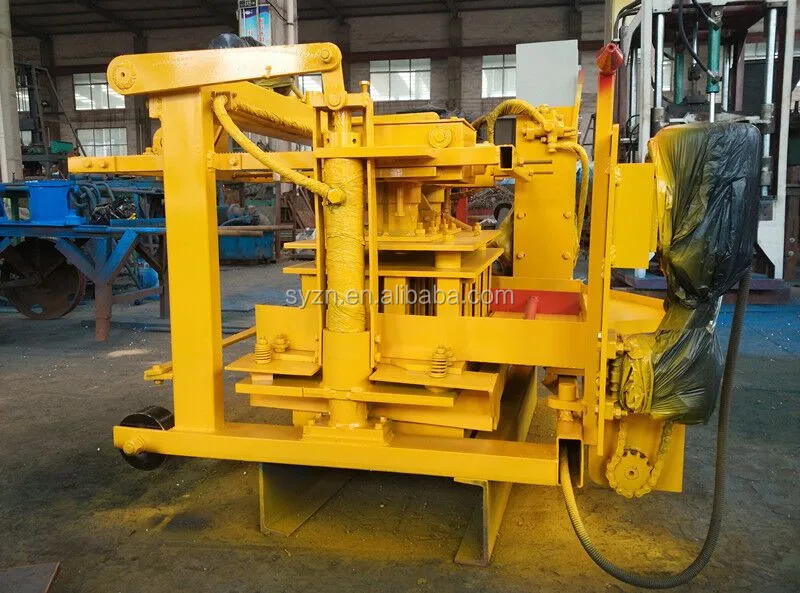
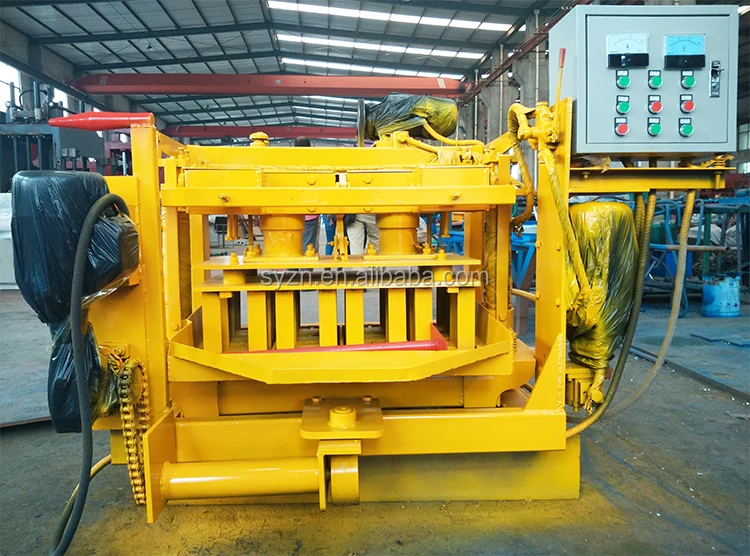
Matched as a Complete System — the QMY4-30 mobile block machine ships with moulds, power unit and hydraulic demoulding configured together against your target block format, so the line arrives ready to produce rather than waiting for missing pallets or mismatched components.
Technical Specifications
| Parameter | Value |
|---|---|
| Model | QMY4-30 |
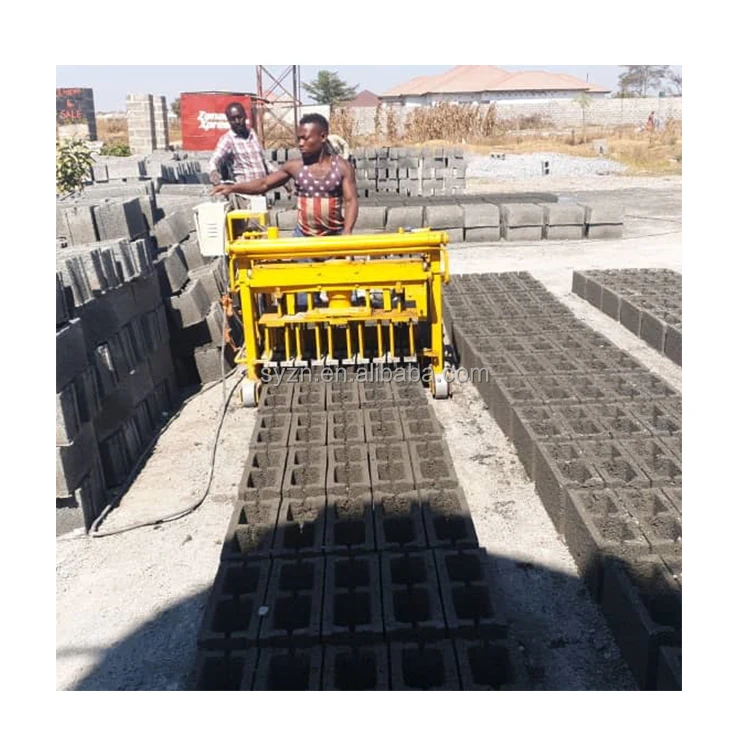
| Product Type | Mobile Egg-Laying Block Making Machine |
| Machine Operation | Pallet-less, egg-laying on ground |
| Hydraulic Method | Mould vibration |
| Demould Method | Hydraulic |
| Molding Cycle | 25–30 s (basis: 400 mm series hollow block, material to be confirmed) |
| Total Power | 5.95 kW |
| Voltage & Frequency | Configurable — confirm destination standard before order |
| Control System | Manual / semi-automatic (operator-guided movement) |
| Productivity — 400×200×200 mm | 4 pcs/mould, 480 pcs/h, 3,840 pcs per 8 hr shift |
| Productivity — 400×150×200 mm | 5 pcs/mould, 600 pcs/h, 4,800 pcs per 8 hr shift |
| Productivity — 400×100×200 mm | 7 pcs/mould, 840 pcs/h, 6,720 pcs per 8 hr shift |
| Pallet Requirement | N/A |
| Applicable Terrain | Mountainous, hilly, desert, coastal, industrial and mining sites |
| Standards | ISO 9001:2000, CE (verify certificate scope for destination market) |
Application Suitability
| Application | Material or Output |
|---|---|
| On-site hollow block production for building contractors | Crushed stone, sand, cement, water |
| Remote housing and infrastructure projects | Local aggregate with cement binder, no fixed plant required |
| Mining and industrial camp construction | Lightweight or standard aggregate mixes, ground-laid curing |
| First-stage block plant for small entrepreneurs | Standard masonry sand and cement at low capital entry |
| Hillside or uneven-terrain job sites | Pallet-less egg-laying directly on prepared ground |
What "Fast Delivery" Actually Means for Your Project Schedule
Stocked QMY4-30 units are dispatched on a confirmed lead time, with container loading and dismantling plans quoted before payment.
When a project deadline is tight, the difference between a machine that ships from inventory and one built to order can decide whether your crew is laying block or standing idle. Buyers working to a construction milestone often discover that a quoted lead time does not account for customs documentation, voltage confirmation or control language alignment — all of which delay commissioning after the container arrives. A mobile block machine in stock should mean the unit is tested, crated and matched to your destination electrical standard, not merely sitting in a warehouse waiting for configuration decisions. [NEED_CITE: typical lead time variables for export-ready construction machinery]
Dispatch Timing You Can Plan Around
A mobile block machine in stock is only useful if the stock unit matches your voltage, frequency and control language requirements. Before confirming dispatch, the electrical specification and PLC display language — where fitted — must align with your destination country. Units held in inventory are factory-tested on standard mixes, so if your local aggregate differs significantly from test sand, a brief material trial is needed before crating. This step adds a few days but prevents on-site density failures that would cost far more in rework.
Container Loading and Dismantling Clarity
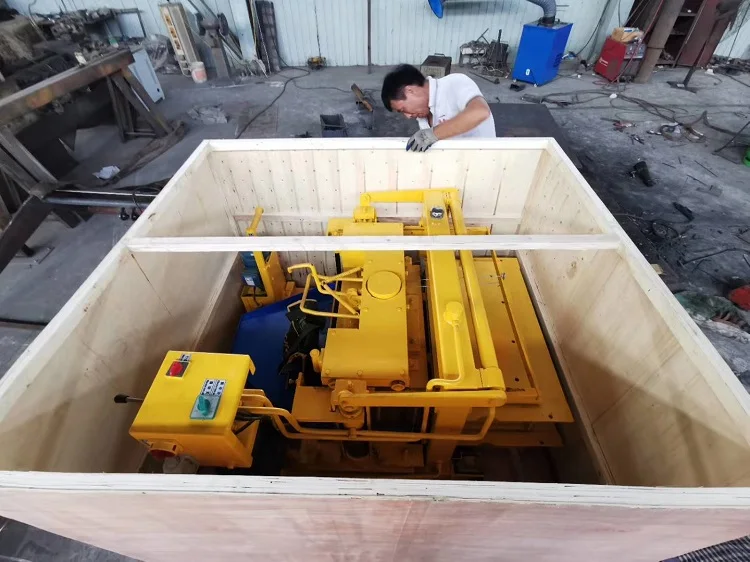
The QMY4-30 is a compact, pallet-less unit, which simplifies loading compared with full automatic lines. However, the exact dismantling procedure — whether the hydraulic power pack travels separately, how the mould is secured, and which components require re-assembly on site — must be documented in the quotation. Buyers have reported receiving machines where loose hydraulic hoses and unmarked wiring turned a simple reconnection into a multi-day puzzle. [NEED_CITE: container loading best practices for medium-size construction equipment]
Arrival Estimate Quoted Upfront
The gap between dispatch date and port arrival depends on shipping lane, transshipment points and destination customs processing. A realistic arrival estimate accounts for these variables and is communicated before the purchase order is signed, so your site preparation crew can schedule ground leveling and power connection to match the machine’s actual arrival window rather than a hopeful guess.
Reading the Cycle Time Against Your Block Format
The 25–30 second molding cycle is recorded on 400 mm series hollow blocks, but cycle duration shifts with block height, wall thickness and mix workability. A 100 mm wall block demoulds faster than a 200 mm wall because less concrete mass must consolidate under vibration. If your primary product is a non-standard format, the cycle — and therefore the 8-hour shift output — should be recalculated on your actual mould drawing before capacity is committed to a project bid.
Power Demand and Remote Site Reality
At 5.95 kW total power, the QMY4-30 can run from a small diesel generator, making it viable for sites without grid connection. This matters for hillside housing developments or desert infrastructure camps where utility supply is unreliable. Low power draw also reduces generator fuel consumption across a shift, keeping operating costs contained on projects where every litre of diesel is trucked in. The trade-off is that vibration force is proportional to motor output, so mix designs must stay within the machine’s consolidation capacity — very stiff or low-slump mixes may require longer cycles to achieve target block density.
The Hidden Cost of Skipping Material Confirmation
Arriving on site to find your local volcanic ash or recycled aggregate does not compact properly under the machine’s vibration setting is a costly discovery. Block density drops, wall strength fails inspection, and the crew stands idle while parameters are adjusted — sometimes requiring a specialist visit. [NEED_CITE: aggregate variability effects on concrete block compressive strength] Confirming your actual material list before dispatch allows the factory to match vibration frequency and hydraulic pressure to your mix, even if it delays shipment by a few days.
Why Buyers Choose This Source
The QMY4-30 is supplied as a matched unit — machine, mould and hydraulic system specified together rather than assembled from separate vendors. Stocked units are available for fast dispatch with container loading plans provided before payment. Machine, mould and handling configuration is set against the buyer’s local aggregate and target block format, not a catalogue default. Mould design covers the formats your market actually sells, with custom drawings available for non-standard profiles. Installation support includes on-site commissioning and operator training so the crew is productive from the first shift.
Documentation & Verification
- Factory test record run on your specified block format before crating
- Machine specification sheet confirming voltage, frequency and control language
- Mould drawing and format list matching your order configuration
- Hydraulic and electrical schematic for on-site maintenance reference
- CE declaration with scope matching your destination market requirements
- Packing photographs and customs documentation support for smooth clearance
Installation, Commissioning & Support
- Ground must be leveled and compacted; the QMY4-30 lays blocks directly on prepared earth without pallets
- Confirm generator or grid supply matches the 5.95 kW demand and destination voltage before first start
- Machine ships partially dismantled; hydraulic power pack and mould are reconnected on site per schematic
- Commissioning includes vibration and pressure adjustment to match your local aggregate mix design
- Operator training covers mould change procedure, cycle timing and daily hydraulic fluid inspection
- Wear parts list supplied with the machine identifies mould liners and vibration mounts for reorder planning
What We Need to Confirm Your Unit
Send us your target block format with wall thickness, the aggregate and cement type available locally, and your site’s voltage and frequency standard. Include your project start date so we can align the dispatch window of a mobile block machine in stock against your construction timeline. If your ground conditions are uneven or sloped, note the terrain so we can advise on preparation before the unit arrives.
Frequently Asked Questions
Q: How quickly can the QMY4-30 be dispatched from stock to my port?
A: Stocked units ship once voltage, frequency and control language are confirmed against your destination standard. Factory testing on your block format is completed before crating. A confirmed dispatch date and arrival estimate are provided before payment so you can align site preparation with the actual delivery window.
Q: Is the machine shipped assembled or dismantled, and how many containers does it need?
A: The QMY4-30 is compact enough for efficient container loading but ships partially dismantled to protect hydraulic and mould components during transit. The quotation includes a dismantling diagram and re-assembly sequence so your crew can reconnect the power pack and mould on site without specialist tools.
Q: Do I need any pallets, curing racks, or forklift to run this machine on site?
A: No. The QMY4-30 is a pallet-less egg-laying machine that deposits blocks directly on prepared ground. This eliminates pallet investment, curing rack infrastructure and forklift requirements — a significant advantage for remote or uneven-terrain sites where logistics support is limited.
Q: What block formats are covered by the standard moulds included in the stock unit?
A: Standard stock units cover 400×200×200 mm, 400×150×200 mm and 400×100×200 mm hollow blocks. If your market requires different formats, custom moulds can be manufactured to your drawings. Confirm your required formats before dispatch so the correct mould is installed and tested at the factory.