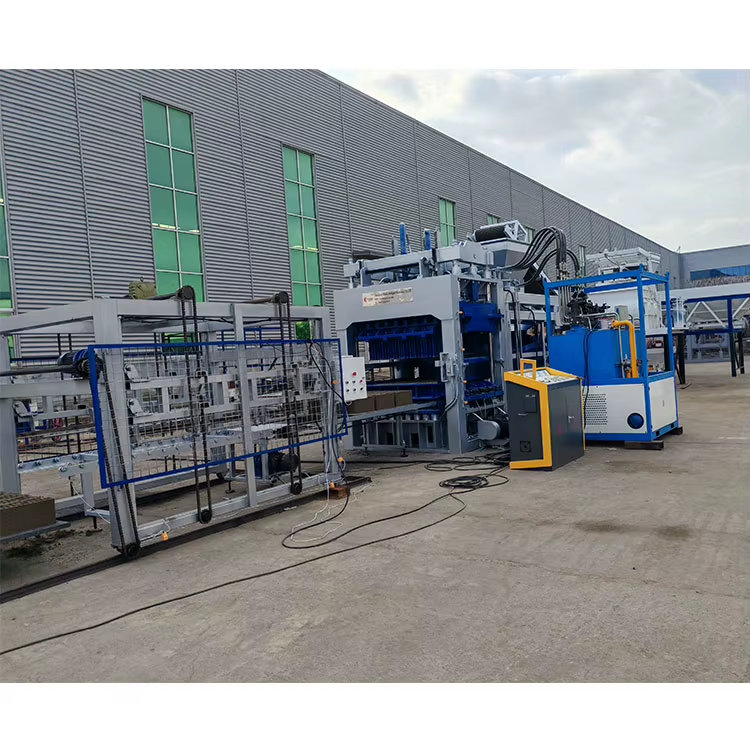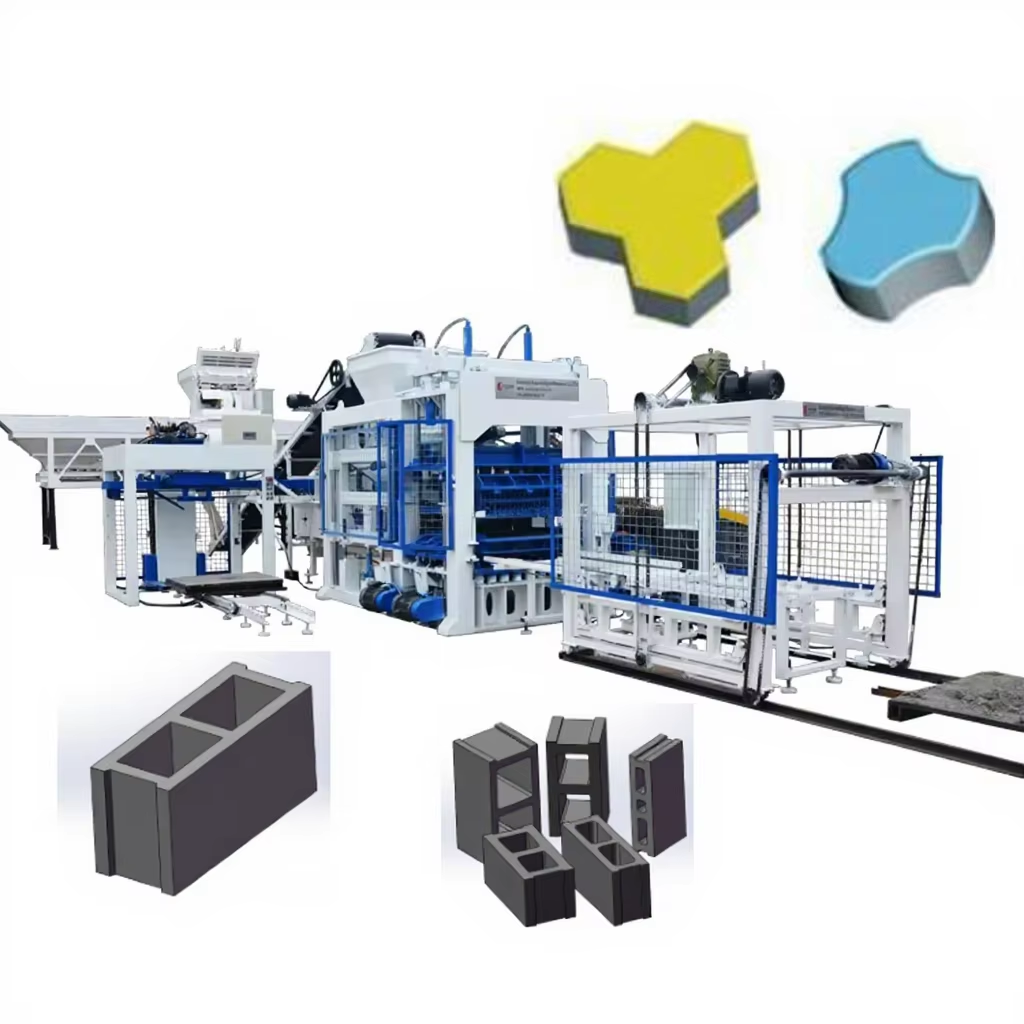
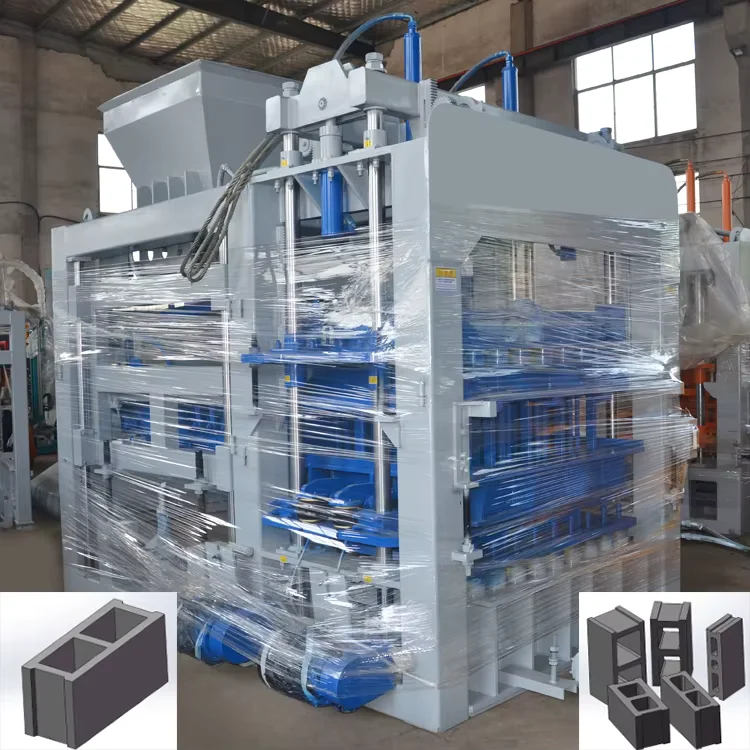
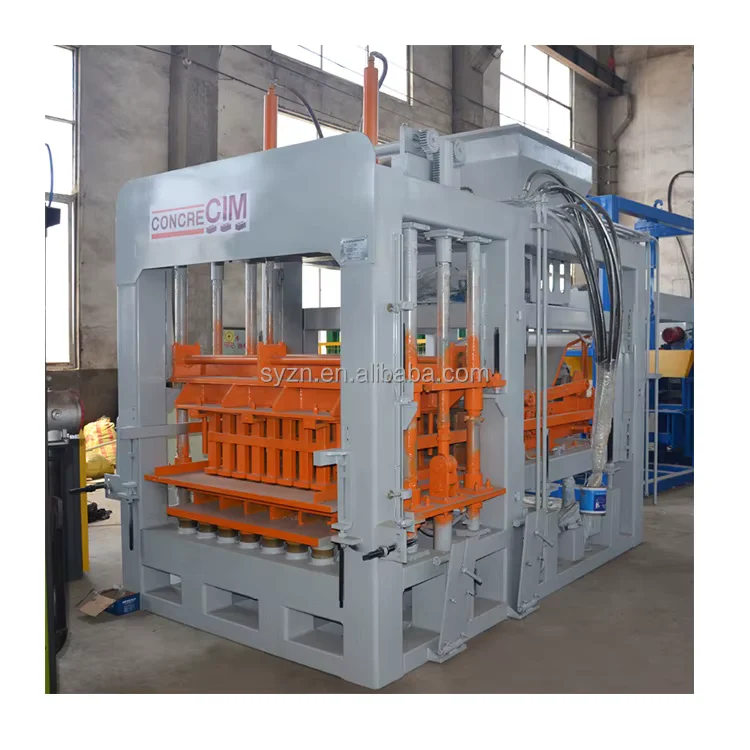
Description
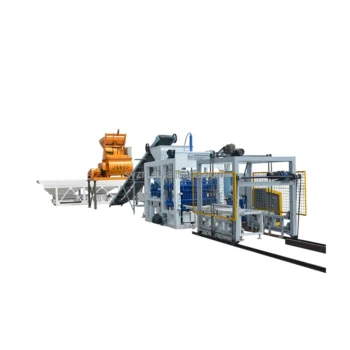
Stocked Line Readiness — Dispatching a fully matched block production setup directly from inventory prevents the delays caused by sourcing separate components from multiple suppliers.
Technical Specifications
| Parameter | Value |
|---|---|
| Model | QT10-15 |
| Product Type | Automatic Concrete Block Making Machine |
| Forming Method | Hydraulic pressure |
| Overall Dimensions (L×W×H) | 9350×2320×2950 mm |
| Net Weight | 10000 kg |
| Shaping Cycle | 15-20s (basis to be confirmed) |
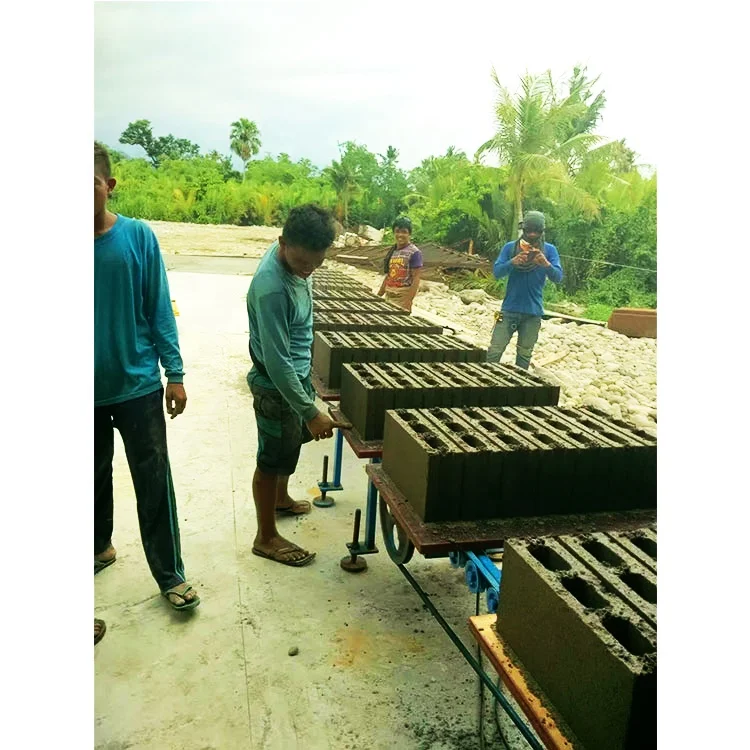
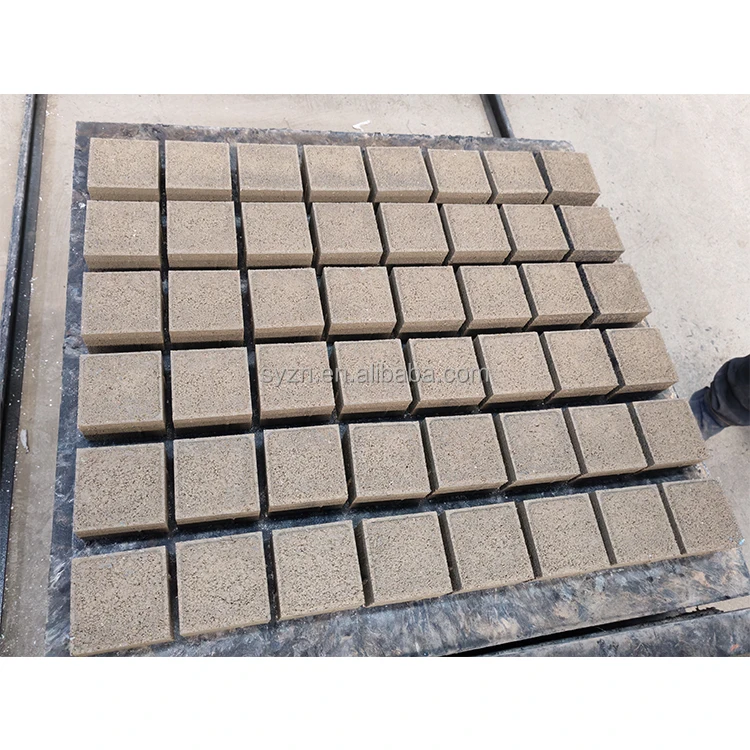
| Compatible Block Formats | 400×200×200 mm, 400×150×200 mm, 200×100×60 mm, and others |
| Core Components | Motor, Pump |
| Power Source | Electric motor |
| Labor Requirement | 1-3 people |
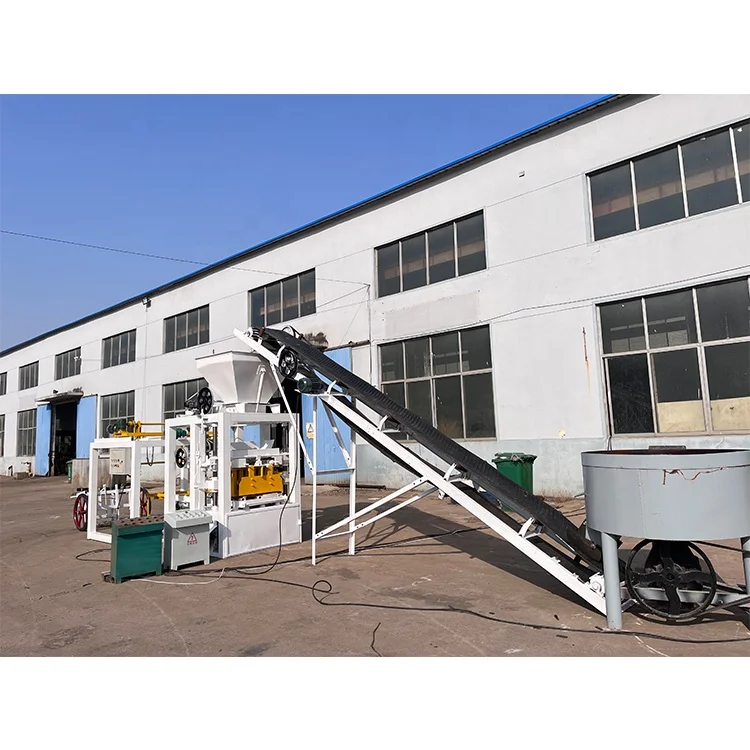
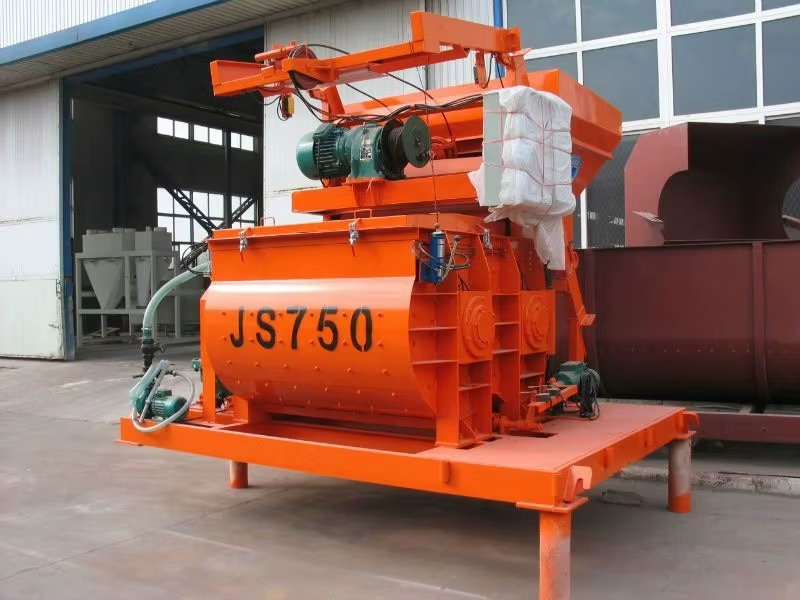
| Concrete Mixer | Optional |
| Warranty | 1 Year (including core components) |
| Voltage | Local Voltage (source value — verify against manufacturer catalog) |
Application Suitability
| Application | Material or Output |
|---|---|
| Hollow Block Production | Crushed stone, sand, cement, and gravel |
| Paving Block Manufacturing | Coal fly ash, cinder, slag, and cement |
| Interlock Block Forming | Clay, dust, and standard aggregates |
| Curbstone Block Pressing | Heavy aggregate mixes and cement |
Why "Ready to Ship" Must Include Site Dimensions
Securing a QT10-15 block machine in stock solves the supply delay, but ignoring facility clearances turns a fast delivery into a stalled project.
I once expedited a fully automatic block machine to a Middle East project site, only to find the buyer’s facility roof was too low for the automatic stacking unit. The crew spent weeks cutting through the concrete roof while the equipment sat idle. A rapid dispatch means nothing if the physical footprint and height clearances do not match the receiving warehouse [NEED_CITE: industrial facility clearance standards for heavy machinery installation]. Verifying the 9350×2320×2950 mm dimensions against your site layout before loading the container is the only way to guarantee immediate deployment upon arrival.
Container Loading and Dismantling Strategy
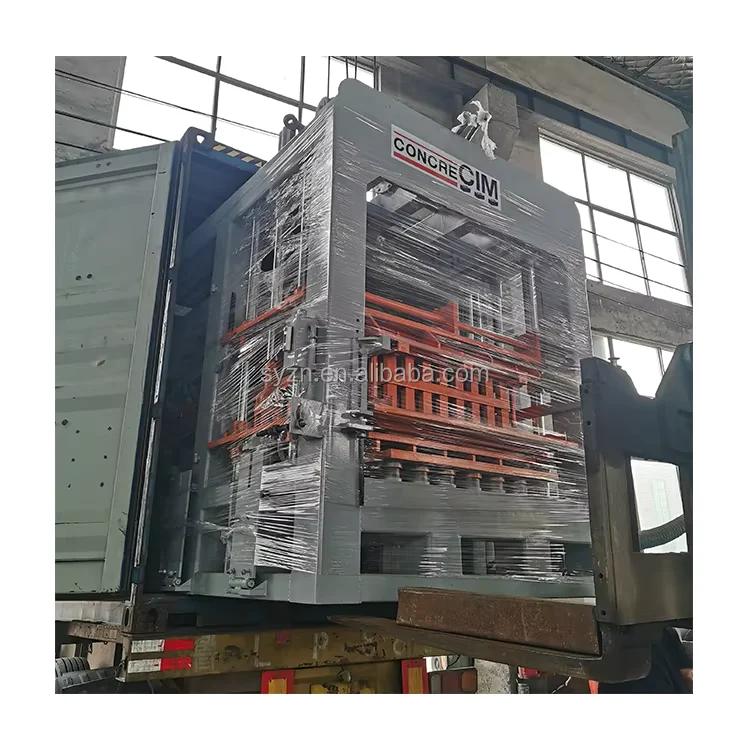
Shipping a 10,000 kg hydraulic press requires precise dismantling to fit standard ocean freight containers without damaging sensitive components. The main frame, hydraulic pump station, and control cabinets are separated and secured with heavy-duty steel bracing. This approach ensures the automatic hollow block machine fast delivery schedule remains intact while protecting the core motor and pump from transit vibration.
Upfront Arrival Estimates and Dispatch Lead Times
Buyers working against strict construction deadlines need exact timelines, not vague estimates. Once the container is sealed, we provide the bill of lading and tracking details immediately. Confirming the destination port logistics and local customs clearance requirements upfront prevents the shipment from sitting in a holding yard, ensuring the equipment reaches your site exactly when your foundation work is completed [NEED_CITE: international ocean freight transit and customs clearance protocols].
Interpreting the Physical and Operational Specs
The 9350×2320×2950 mm footprint dictates your factory floor plan and curing area layout. The hydraulic pressure method relies on the main pump and motor to deliver consistent force, which is critical when pressing dense materials like slag or crushed stone. While the shaping cycle is listed as 15-20s, the actual speed depends on the specific block format and material thickness you choose to run. Operating this heavy machinery safely requires a dedicated crew of 1-3 people to manage the raw material feeding and monitor the hydraulic system during continuous shifts.
The Hidden Costs of Overlooking Auxiliary Equipment
Ordering the main press without confirming the pallet handling and stacking equipment leaves your crew moving heavy wet blocks manually. This bottleneck completely cancels out the speed of the hydraulic press and leads to severe labor fatigue. Furthermore, failing to verify the local voltage and frequency before dispatch results in burned-out motors and weeks of downtime while waiting for replacement electrical components to arrive from overseas [NEED_CITE: electrical grid compatibility and motor failure rates in exported machinery].
Why Procure This Unit Through Our Inventory
We maintain stocked machine models and standard moulds specifically to eliminate the typical multi-week manufacturing wait. Every dispatch includes a clear container loading plan and machine dismantling procedure tailored for swift, safe transit. Our team verifies your site dimensions and auxiliary equipment needs before the truck leaves our yard, preventing clearance disasters. We provide upfront arrival estimates so you can schedule your installation crew with confidence. This focus on speed and simplicity of ordering ensures your project stays on track.
Documentation & Verification
- Machinery test report validating hydraulic pressure performance before dispatch.
- Video outgoing-inspection showing the dismantling and container loading process.
- Voltage and control language confirmation sheet matched to your local grid.
- Packing photographs documenting the steel bracing and securing of heavy components.
- Customs documentation support to accelerate port clearance upon arrival.
Installation, Commissioning & Support
- Verify facility roof height exceeds 2950 mm to accommodate the main press frame.
- Ensure the local power grid supports the specific electric motor voltage and frequency.
- Follow the provided dismantling sequence to safely reassemble the 10,000 kg unit.
- Calibrate the hydraulic pump pressure during the first test run with your local aggregates.
- Train the 1-3 person crew on emergency stops and daily hydraulic fluid checks.
- Review the wear parts list to stock essential seals for the main hydraulic cylinders.
Preparing Your Site for Immediate Deployment
To ensure the equipment is ready to run the moment it arrives, please provide your facility’s exact ceiling height and floor load capacity. Confirm your local voltage, phase, and frequency so we can verify the motor configuration before loading. Finally, share your target block formats so we can ensure the standard moulds in the container match your immediate production needs.
Frequently Asked Questions
Q: Which standard moulds are currently available for immediate dispatch with this model?
A: We keep a wide range of standard moulds in our warehouse, including formats for 400×200×200 mm hollow blocks and 200×100×60 mm paving blocks. When you confirm your target product, we check our inventory and include the matching moulds in the container, avoiding the long lead times associated with custom manufacturing.
Q: How is the machine dismantled to ensure it fits into standard shipping containers?
A: The 9350 mm long main frame and heavy hydraulic stations are carefully separated and secured with custom steel bracing. This dismantling procedure is designed specifically for ocean freight, ensuring the equipment arrives safely while maximizing container space to keep your shipping costs predictable and manageable.
Q: Can I review the machinery test report and video inspection before the ship departs?
A: Yes, we conduct a full operational test and record a video outgoing-inspection before dismantling. You will receive the machinery test report and the video files for your approval, giving you complete visibility into the equipment’s condition and the loading process before the container is sealed.
Q: What happens if my local voltage differs from the standard configuration?
A: We require your exact local voltage and frequency before finalizing the dispatch. If your grid requires a specific configuration, we verify the electric motor and control panel compatibility upfront, preventing costly electrical failures and commissioning delays once the machine reaches your facility.