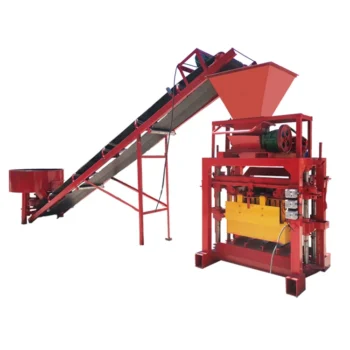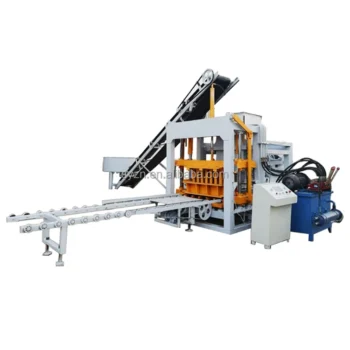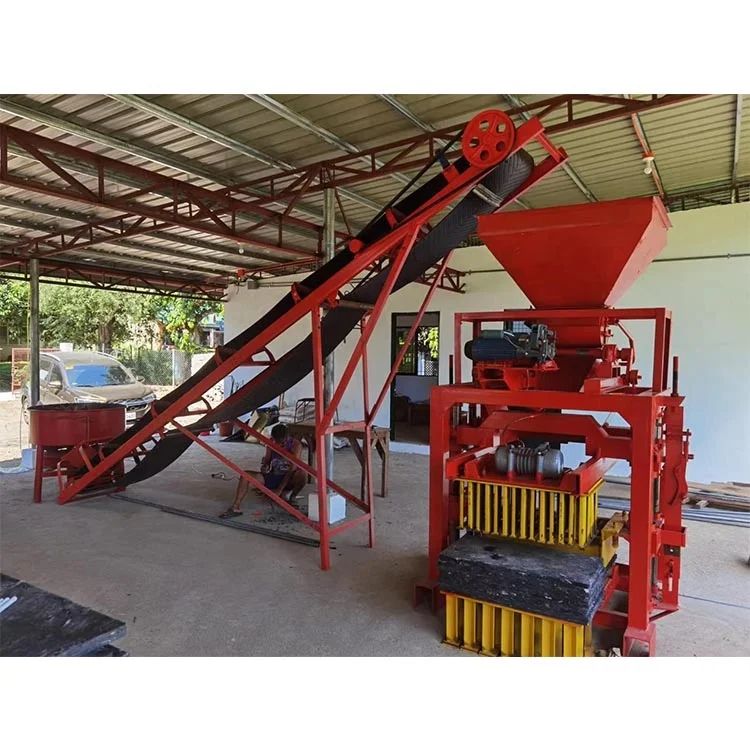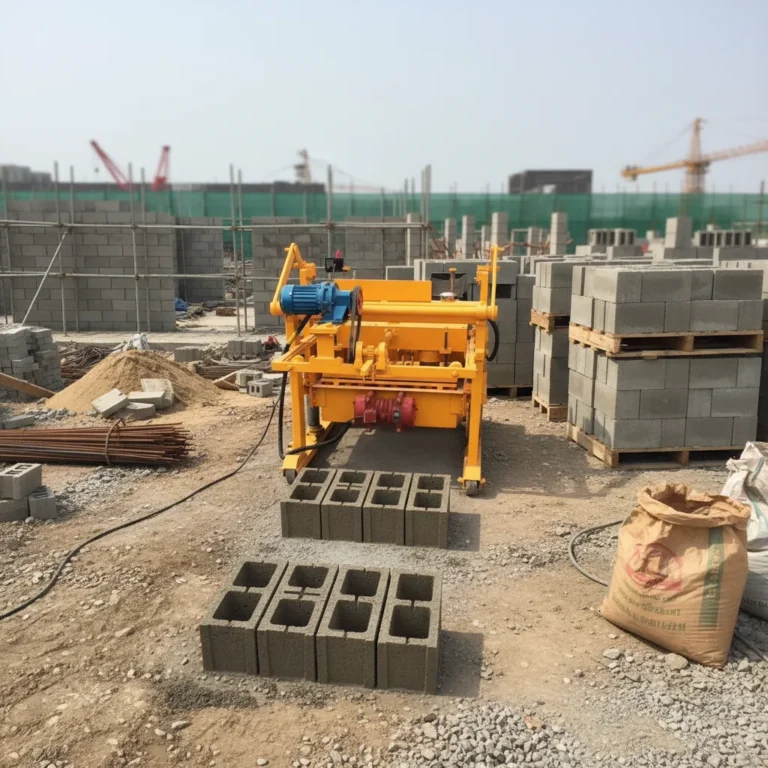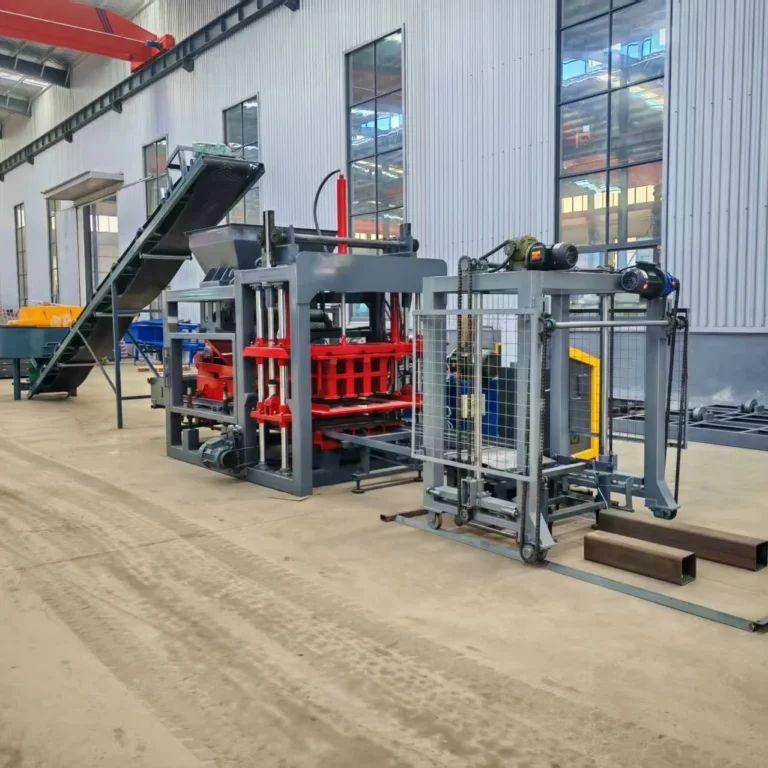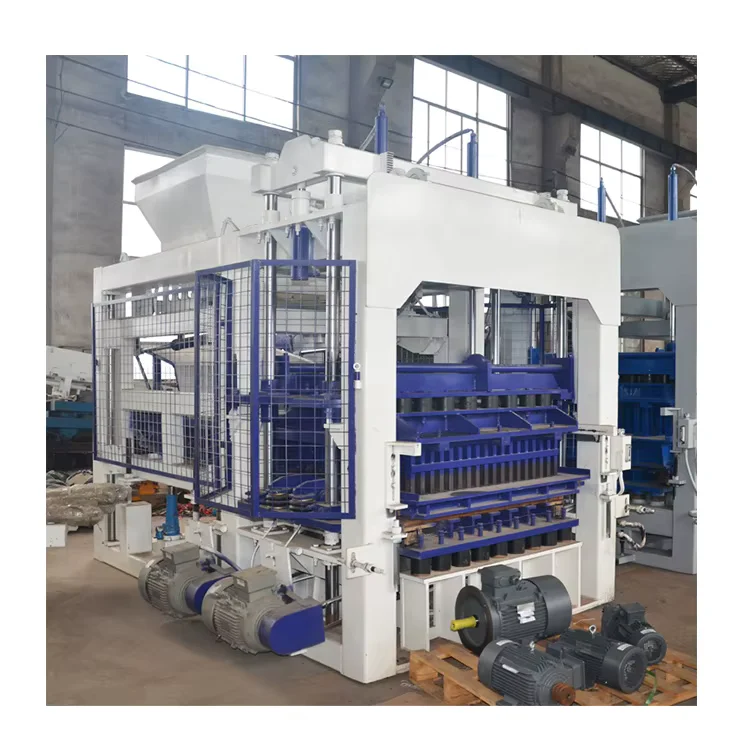
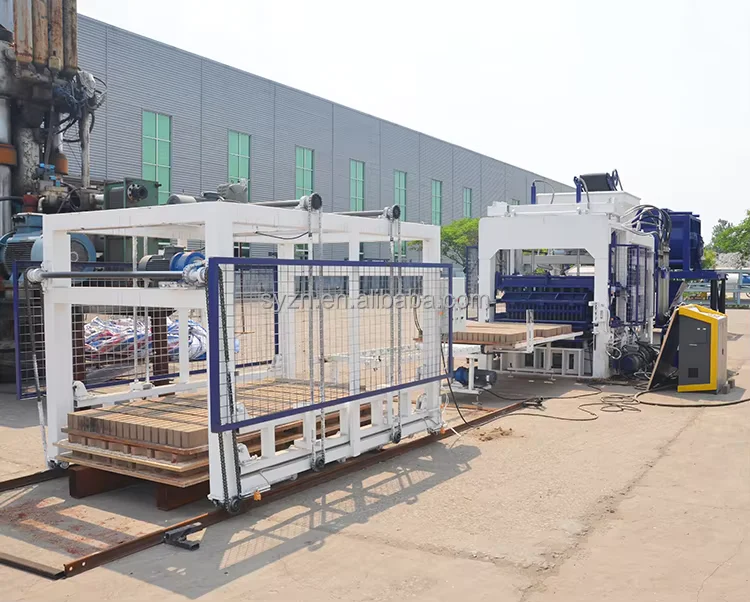


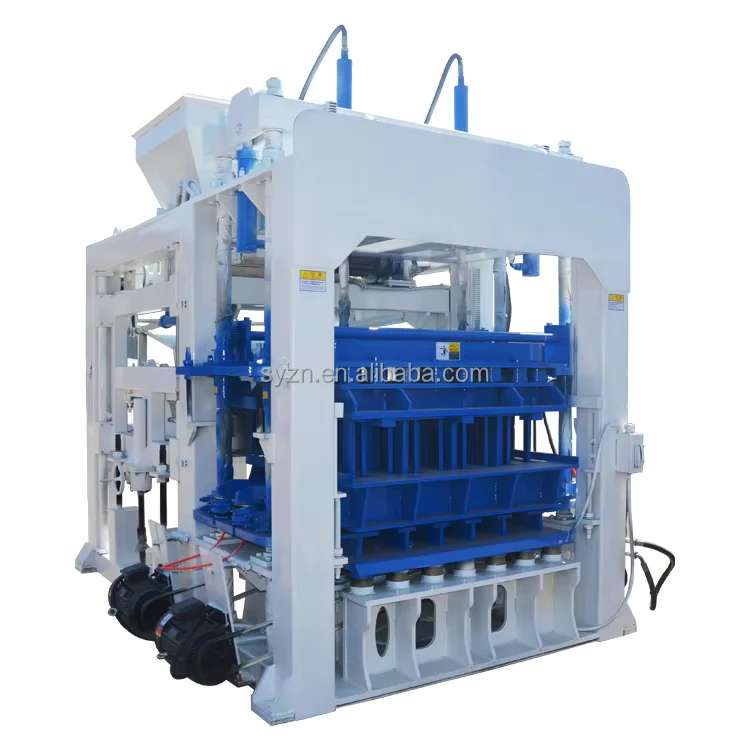

Description
Dispatch-Ready Inventory — The QT12-15 mainframe and standard block moulds are prepared for immediate container loading, bypassing standard manufacturing queues to keep tight construction schedules on track.
Technical Specifications
| Parameter | Value |
|---|---|
| Model | QT12-15 |
| Product Type | Fully Automatic Block Production Line |
| Forming Method | Hydraulic pressure |
| Overall Dimensions (L×W×H) | 5870×2220×2850 mm |
| Net Weight | 12000 kg |
| Voltage Options | 110 V, 220 V, 240 V, 330 V, 380 V, 400 V, 415 V, 440 V |
| Supported Brick Sizes | 400×100×200 mm, 400×120×200 mm, 390×190×190 mm, 200×100×60 mm, 300×150×100 mm |
| Block Type | Hollow, Solid, Paver, Curbstone, Interlocking |
| Core Components | PLC, Pressure Vessel, Engine, Gear |
| Warranty | 1 Year |
Application Suitability
| Application | Material or Output |
|---|---|
| Housing project block production | Concrete hollow and solid blocks |
| Site paving and landscaping | Concrete pavers and interlocking bricks |
| Infrastructure development | Concrete curbstones and heavy-duty blocks |
Why Dispatch Timing Matters More Than Catalog Promises
When a project deadline is looming, waiting months for a custom-built line is not an option. Securing a QT12-15 automatic block machine in stock ensures your construction milestones are met without waiting on factory production slots.
I once shipped a QT12-15 line to a site in Latin America without verifying the facility dimensions. The mainframe arrived, but it could not fit through the bay doors, forcing the contractor to remove part of the roof. That delay cost them weeks. Now, before any fast-track order leaves the yard, I cross-check the 5870×2220×2850 mm footprint and the 12000 kg weight against the buyer’s site drawings and unloading equipment. Rushing a shipment only helps if the machine can actually be installed upon arrival [NEED_CITE: standard site preparation requirements for heavy block machinery].
Container Loading and Dismantling Protocols
Moving a 12000 kg mainframe requires a precise dismantling strategy to maximize container space and protect critical components. The hydraulic pressure vessels and PLC panels are secured separately from the heavy structural frame to prevent transit damage. Having the QT12-15 automatic block machine in stock means the dismantling sequence is already planned, allowing the loading crew to execute the stuffing process without pausing for engineering adjustments.
Upfront Arrival Estimates and Transit Planning
Buyers working on tight schedules need to know exactly when the equipment will reach the port. By dispatching from current inventory, we eliminate the variable manufacturing lead time, leaving only the ocean freight and customs clearance variables. We provide an upfront arrival estimate based on the booking confirmation, ensuring your foundation and curing areas are ready the moment the containers are unsealed [NEED_CITE: international freight transit variables and port congestion factors].
Matching Voltage and Dimensions to the Site
A machine sitting in the yard is useless if it cannot be powered or placed. The available voltage options range from 110 V to 440 V, but the exact configuration must match your local grid before the container doors are closed. Confirming the 5870×2220×2850 mm clearance path from the port to the final installation pad prevents the kind of site modifications that derail fast-tracked projects.
The Hidden Costs of Rushing Without Verification
Skipping the site verification step to save a few days on dispatch often results in massive on-site expenses. If the local forklift cannot handle the 12000 kg net weight, you will need to hire heavy-duty cranes at a premium. If the power grid frequency does not align with the installed engine and gear motors, the PLC will not initialize, leaving your crew standing idle while transformers are sourced locally [NEED_CITE: electrical grid compatibility issues in emerging construction markets].
Why Source This Line From Our Stock Inventory
We maintain a dedicated inventory of mainframes and standard moulds specifically to serve buyers facing strict project deadlines. The QT12-15 is kept as a complete, matched system rather than assembled from separate suppliers upon order. We verify the exact dispatch lead time and container loading plans before you commit. Every unit is accompanied by a machinery test report and outgoing video inspection, proving the hydraulic pressure and gear alignment are correct before it enters the shipping container. Our focus remains entirely on getting the right configuration to your site as fast as logistics allow.
Documentation & Verification
- Factory test record confirming hydraulic pressure vessel integrity before dispatch
- Outgoing video inspection showing gear and engine operation prior to container stuffing
- Dismantling and container loading plan tailored to the 5870×2220×2850 mm footprint
- Voltage and frequency confirmation sheet matching your specific site grid
Installation, Commissioning & Support
- Verify the 12000 kg weight limit against your local forklift or crane capacity
- Ensure the 5870×2220×2850 mm footprint fits within your prepared foundation area
- Confirm the selected voltage option matches the dedicated circuit at your site
- Review the dismantling sequence to streamline on-site reassembly of the mainframe
- Schedule overseas machinery service for initial PLC parameter setting upon arrival
Next Steps for Fast-Track Procurement
To proceed with an immediate dispatch evaluation, provide your required block formats from the supported sizes, your site’s exact voltage and frequency, and the dimensions of your installation bay. We will cross-reference this against current inventory and return a container loading plan with an upfront arrival estimate.
Frequently Asked Questions
Q: What is the exact dispatch lead time for the QT12-15 automatic block machine in stock?
A: Because the mainframe and standard moulds are already built and held in inventory, the dispatch lead time is limited to the days required for final outgoing inspection, container booking, and yard loading. We provide a precise timeline once your voltage and site dimensions are verified against the current stock.
Q: How is the 12000 kg machine dismantled for container shipment?
A: The mainframe is separated from the hydraulic pressure vessels, PLC panels, and ancillary gear to fit standard shipping containers. This dismantling procedure is documented in the loading plan we provide upfront, ensuring your local crew knows exactly how to reassemble the 5870×2220×2850 mm footprint upon arrival.
Q: Are standard moulds for my required block formats ready to ship?
A: We keep standard moulds for hollow, solid, paver, curbstone, and interlocking blocks in stock alongside the mainframes. When you confirm your required sizes from our supported list, we verify immediate availability and include them in the same container loading plan to prevent delayed shipments.
Q: Can the voltage be matched to my site before immediate dispatch?
A: Yes. The inventory supports voltage options ranging from 110 V to 440 V. Before the machine is loaded into the container, we confirm your exact local voltage and frequency requirements to ensure the engine and PLC are configured correctly, preventing commissioning delays at your site.
Q: What is the estimated arrival timeline once the equipment leaves the factory?
A: Once the container is sealed and leaves our yard, the arrival timeline depends strictly on ocean freight schedules and port clearance. By eliminating the manufacturing wait, we provide a highly accurate upfront arrival estimate based on the confirmed vessel booking, keeping your construction schedule intact.