Description
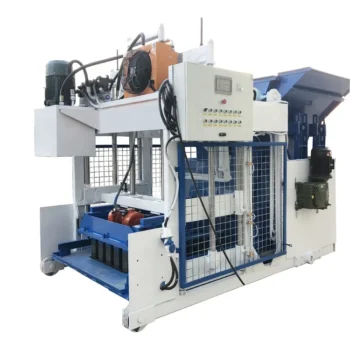
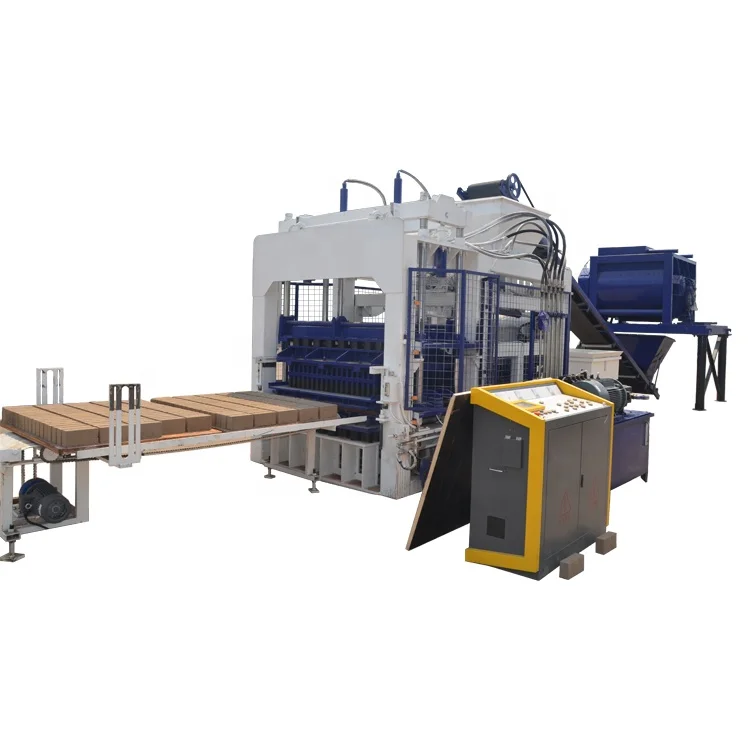
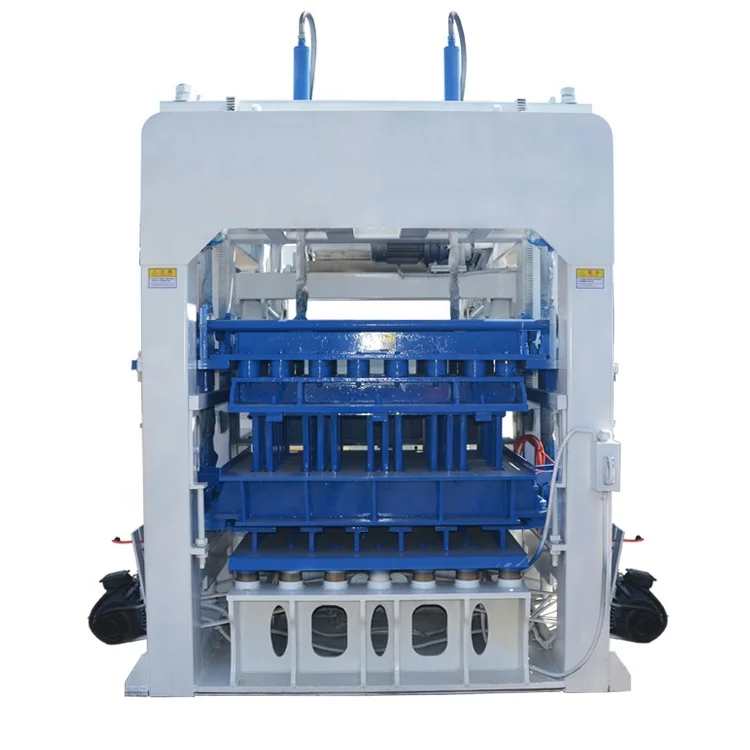
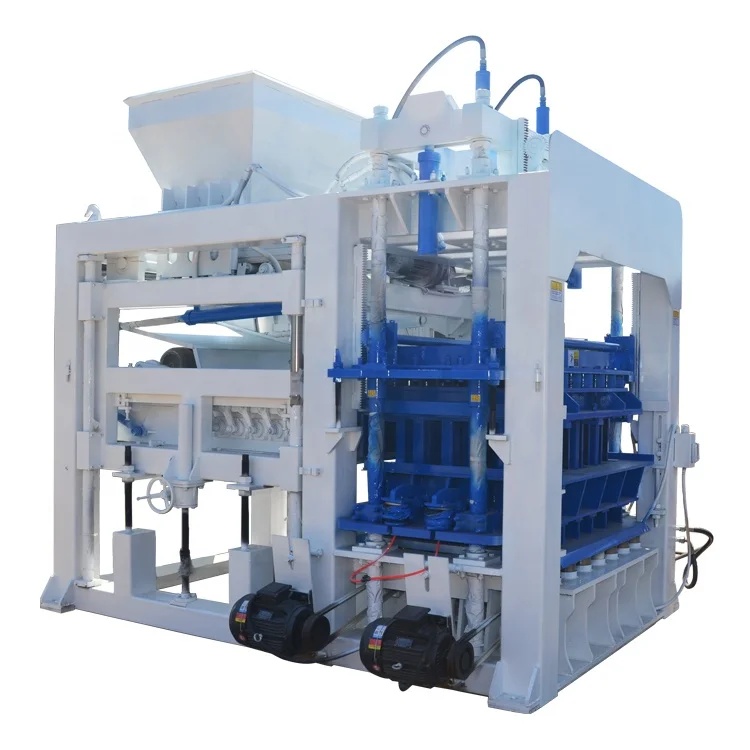
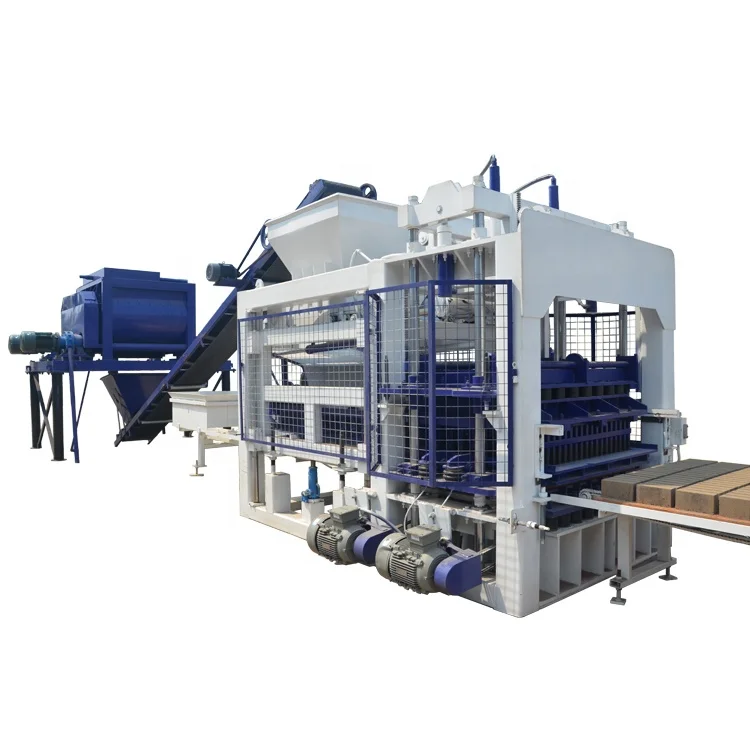
Stocked configuration — a QT12-15 fully automatic block machine leaving the yard with voltage, frequency, and control language already locked to your site, so the panel powers up on day one instead of waiting weeks for a transformer swap.
Technical Specifications
| Parameter | Value |
|---|---|
| Model | QT12-15 |
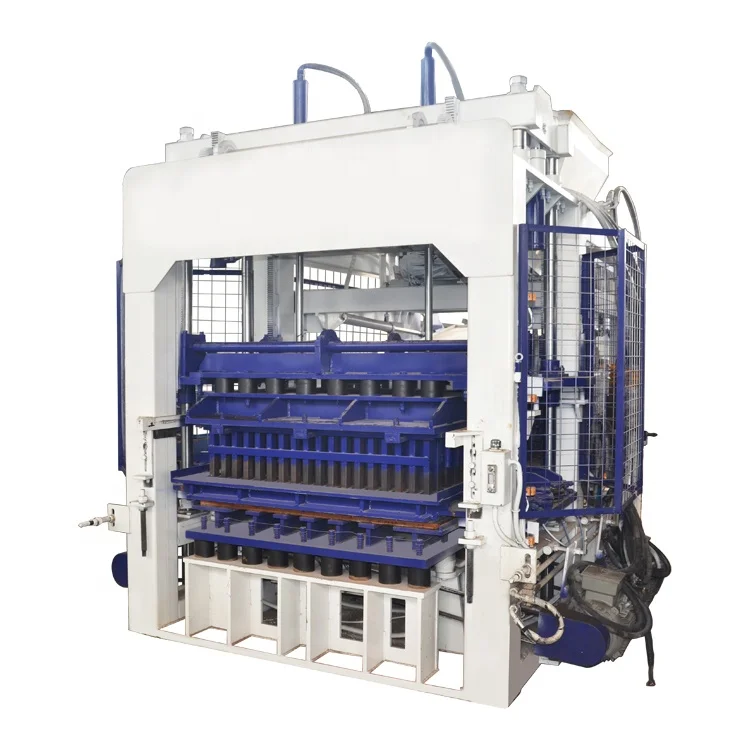
| Product Type | Fully Automatic Hydraulic Block Making Machine |
| Total Power | 62 kW |
| Pallet Size | 1300 × 900 mm |
| Moulding Cycle | 15–30 seconds (basis not stated in source — confirm block format, material, and thickness) |
| Vibration Type | Table vibration (dynamic + static table) |
| Vibration Technology | Four-axis vibration with frequency conversion, up to 20g acceleration (source claim — verify) |
| Feeding System | 360° rotating press-in arch breaker |
| Control System | PLC (brand and model to be confirmed) |
| Voltage | Customized according to local industrial voltage and frequency |
| Noise Reduction | Flexible vibration reduction on pressure head, adjustable air bag in mould box |
| Wear Parts | Replaceable cloth platform wear-resistant plate |
| Mould Configuration | Customized to buyer’s block format |
| CE Declaration | Available where applicable |
Application Suitability
| Application | Material or Output |
|---|---|
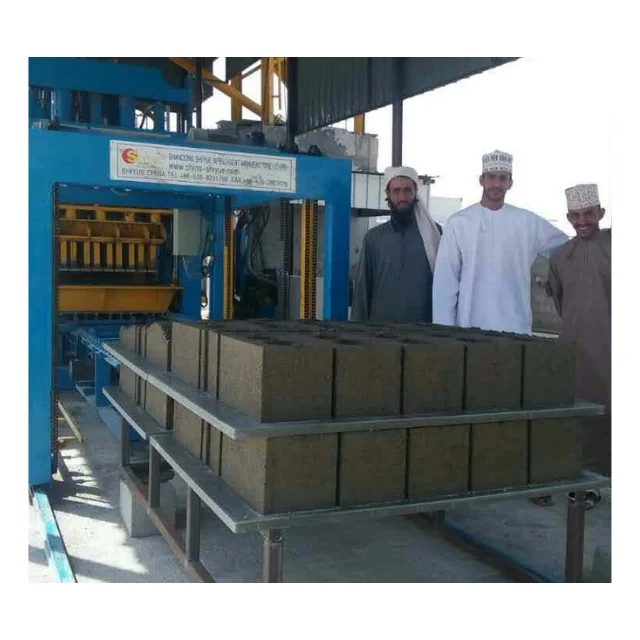
| Hollow block production for commercial and residential walls | Fly ash, aggregate, cement, and sand mixes |
| Solid block manufacturing for load-bearing structures | Crushed stone and cement blends |
| Paving block and interlocking brick for roads and walkways | High-strength aggregate and cement |
| Kerbstone and slope protection brick for infrastructure | Dense aggregate mixes with cement binder |
| Porous brick for permeable surface applications | Graded aggregate with controlled cement content |
Why the Voltage Question Should Come Before the Price
A QT12-15 block machine in stock means nothing if the control panel will not light up on the first day.
I spent years wrenching on block machines across Latin America, and the most expensive delay I ever saw had nothing to do with the press itself. A QT12-15 fully automatic line shipped to Colombia on schedule, then sat dead on the floor for three weeks because nobody confirmed the 60Hz grid. The site was wired for 60Hz, the machine was built for 50Hz, and an electrician had to fly in just to swap the transformer. That is a delay no stock list can fix. When buyers focus entirely on lead time and price, the electrical specification slips to the bottom of the checklist [NEED_CITE: voltage and frequency standards by export market]. By the time the container arrives, the machine is already late before it is even uncrated. Locking voltage, frequency, and PLC display language before the crate gets nailed shut is the single step that protects your arrival date.
What Fast Dispatch Actually Requires
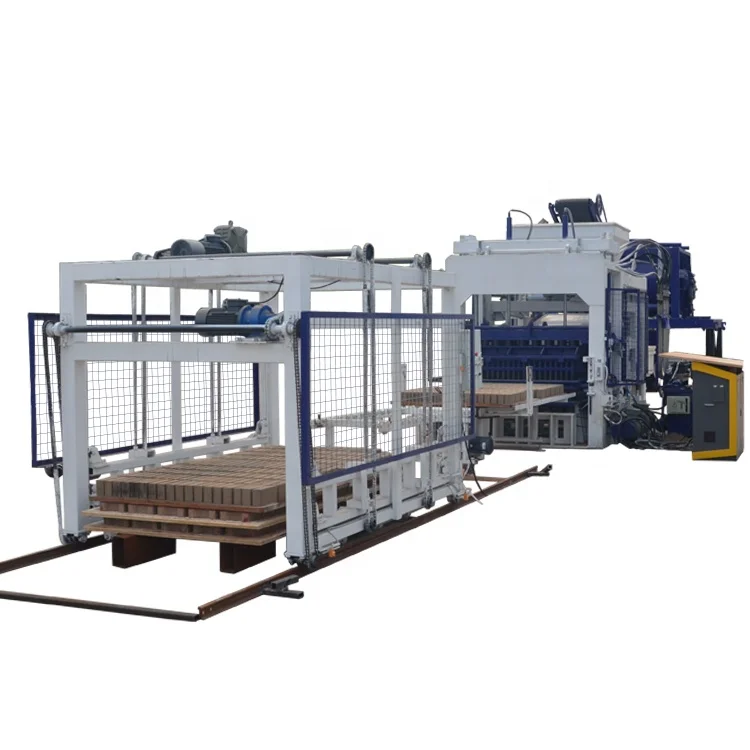
Having a QT12-15 block machine in stock shortens the production wait, but the machine still needs its moulds matched to the formats your market actually sells. A stocked press paired with the wrong pallet size or an incompatible curing rack means your forklift cannot move the output, and workers end up stacking by hand. Dispatch speed only matters when the full line — press, pallets, moulds, and handling equipment — leaves as one matched system.
Container Loading and Arrival Timing
A high-output press like this does not ship assembled. The frame, hydraulic station, and control cabinet are dismantled and loaded across one or more containers depending on the pallet size and the stacking system included. [NEED_CITE: typical container loading plans for large-format block machines]. Confirming the dismantling plan, the container count, and the port-to-port transit estimate before production starts is what turns a quoted lead time into a date you can actually plan around.
Reading the Specs That Matter on Site
The 1300 × 900 mm pallet size is the dimension that must match your existing curing racks and forklift capacity — if your racks are built for a smaller pallet, the entire curing area becomes a bottleneck. The 62 kW total power draw tells your electrician whether a dedicated circuit and a specific transformer rating are needed before the machine arrives. The four-axis vibration system with frequency conversion is designed to keep block height consistent across different formats, but the actual cycle time of 15–30 seconds depends entirely on the block format, mix design, and thickness you run, so daily output should be confirmed per format rather than taken as a single number. The 360° rotating press-in arch breaker handles sticky fly ash and fine aggregate mixes that tend to bridge in standard hoppers, which matters if your local material is high in fines.
The Cost of Skipping the Electrical Confirmation
When voltage and frequency are left to assumption, the consequences show up at commissioning. A 50Hz motor running on a 60Hz grid overspeeds and overheats, burning out within weeks. A PLC programmed in a language the operator cannot read turns every mould change into a guessing game, and a wrong voltage supply can destroy the control board before the first cycle completes. [NEED_CITE: common commissioning failures caused by electrical mismatch]. These are not warranty issues — they are specification failures, and they fall on whoever signed off on the order without asking the question.
Why Source This Machine Here
Block machinery is the single focus of this operation, which means the QT12-15 is specified as part of a matched system with moulds, pallets, and handling equipment rather than assembled from separate suppliers. Configuration is set against your actual mix design, local aggregate, and target block format — not a catalogue default. Mould design covers the formats your market sells, including custom drawings for non-standard sizes. Automation level is selectable, so you can start with the configuration that fits your current labour and upgrade later. Stock availability and short lead times are backed by a factory test record and packing photographs provided before the container is sealed.
Documentation & Verification
- Factory test record on your specific block format before dispatch
- Machine specification sheet with confirmed voltage and frequency
- Mould drawing and format list matching your market requirements
- Hydraulic and electrical schematic for your site’s supply rating
- Voltage, frequency, and PLC display language written confirmation
- Packing photographs and container loading plan before shipment
Installation, Commissioning & Support
- Foundation plan based on the 1300 × 900 mm pallet footprint and press weight
- Dedicated power circuit rated for 62 kW total draw at your confirmed voltage and frequency
- Dismantled shipment with reassembly guidance for the hydraulic station and control cabinet
- First-cycle parameter setting for your local aggregate and mix design
- Operator training on PLC controls in your confirmed display language
- Wear parts list including the replaceable cloth platform plate and mould wear items
What We Need to Quote Your Line
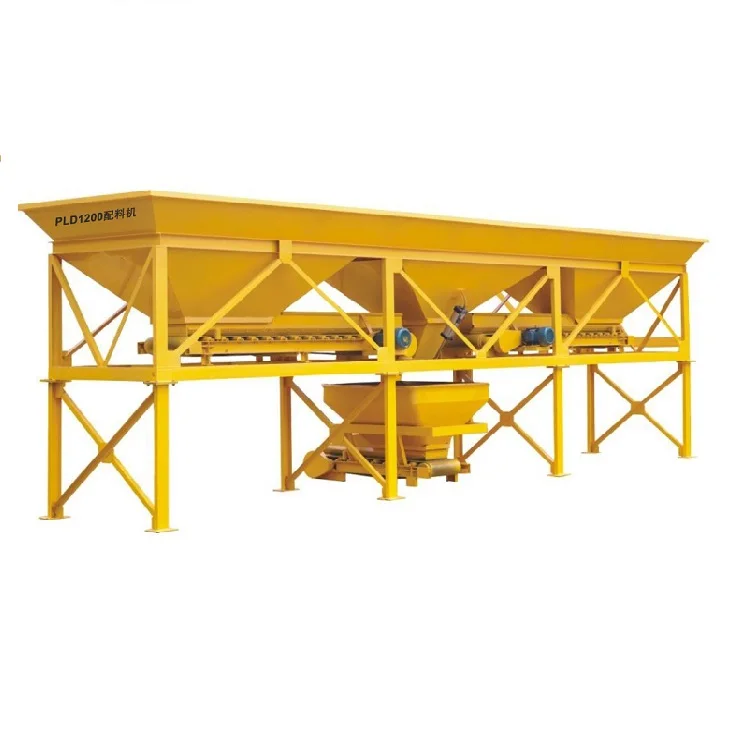
To size a QT12-15 block machine in stock configuration for your project, share the block formats you sell today, the daily output you need per format, and your local raw material source. Tell us your site voltage, frequency, and preferred PLC language, along with the pallet size your curing racks and forklifts already handle. If you have an existing batching or stacking system, let us know so the line connects without gaps.
Frequently Asked Questions
Q: How is output capacity stated for the QT12-15, and which block format does it assume?
A: Quoted cycle times of 15–30 seconds depend on block format, material, and thickness. We provide a per-format capacity table showing realistic daily output for each mould you order, so you know exactly what to expect before the machine ships.
Q: What is the dispatch lead time for stocked QT12-15 configurations?
A: Stocked models leave the yard faster than built-to-order lines, but lead time also depends on mould customization and pallet matching. We confirm dispatch date and container loading plan once voltage, frequency, and mould formats are locked.
Q: How is the machine dismantled and loaded into containers?
A: The press frame, hydraulic station, and control cabinet are broken down for container loading. We provide a loading plan showing which components go in each container and an arrival estimate based on your destination port before shipment.
Q: Is voltage, frequency, and control language confirmed before the QT12-15 ships?
A: Yes. We lock your site voltage, grid frequency, and PLC display language in writing before production finalizes. This step prevents the kind of commissioning delay that leaves a machine sitting dead on the floor for weeks.
Q: Are pallets, stacking, and curing handling included in the quotation?
A: Pallets, stacking systems, and curing rack handling are specified as part of the line, not left as separate purchases. We confirm pallet size against your existing curing area and forklift so the full system works together on day one.