
Description
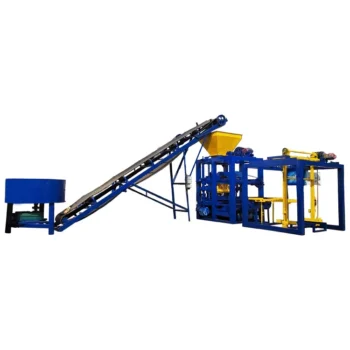
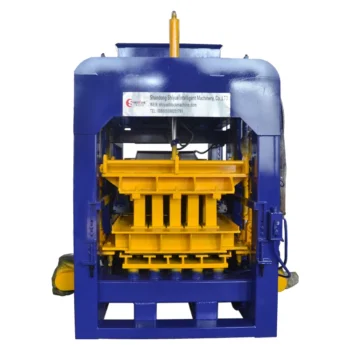
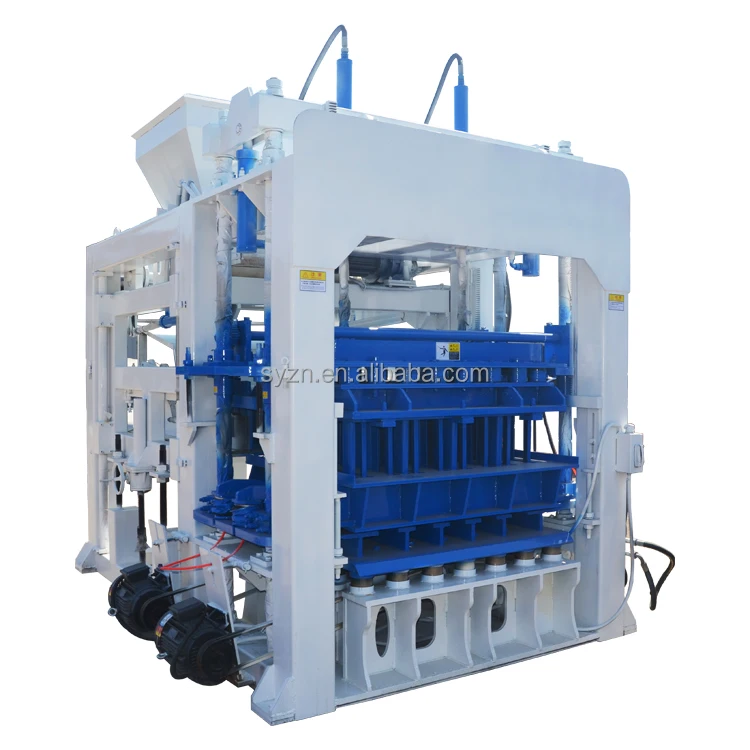
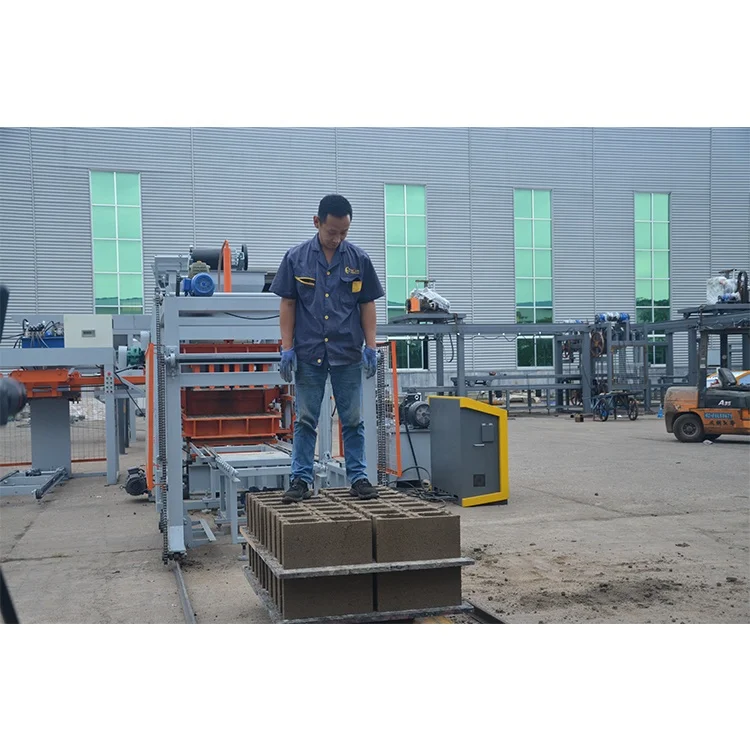
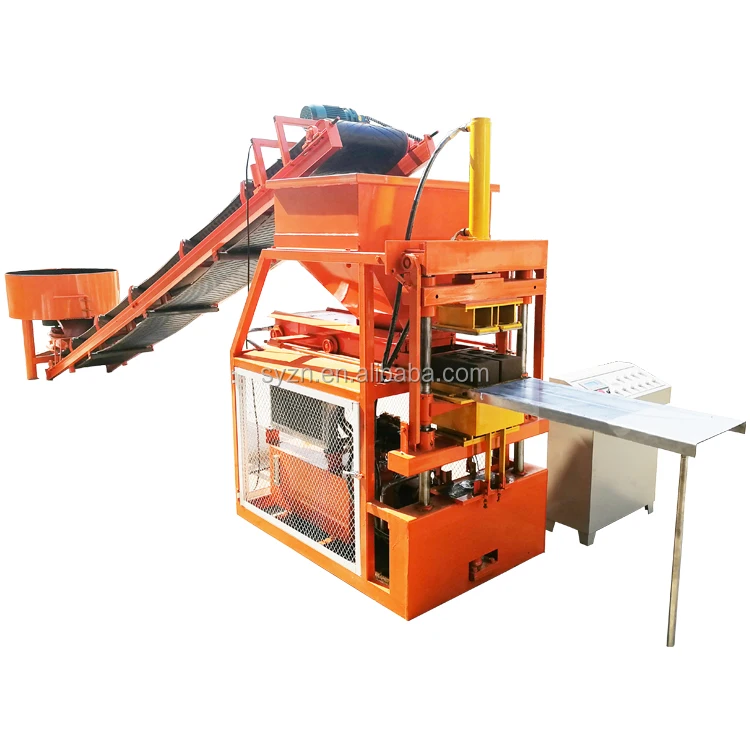
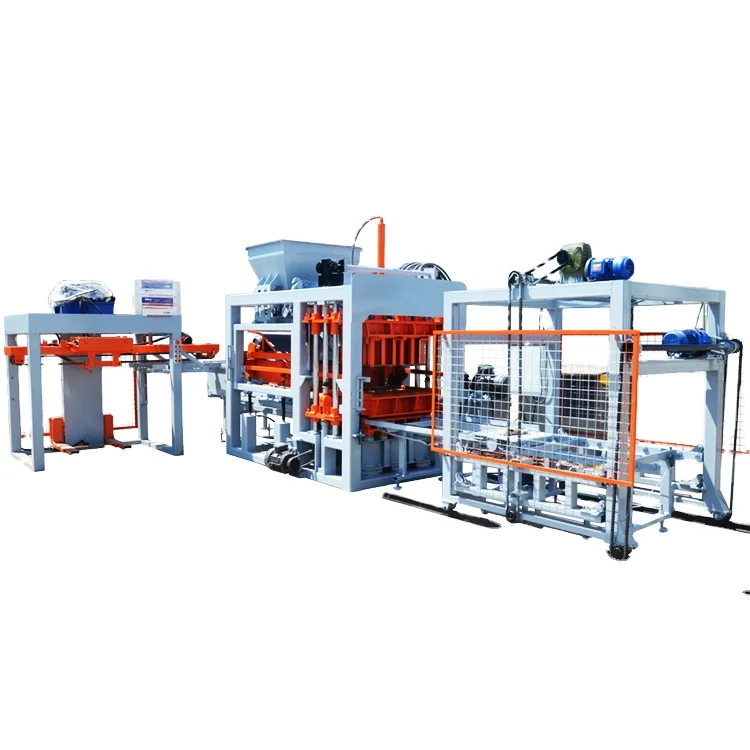
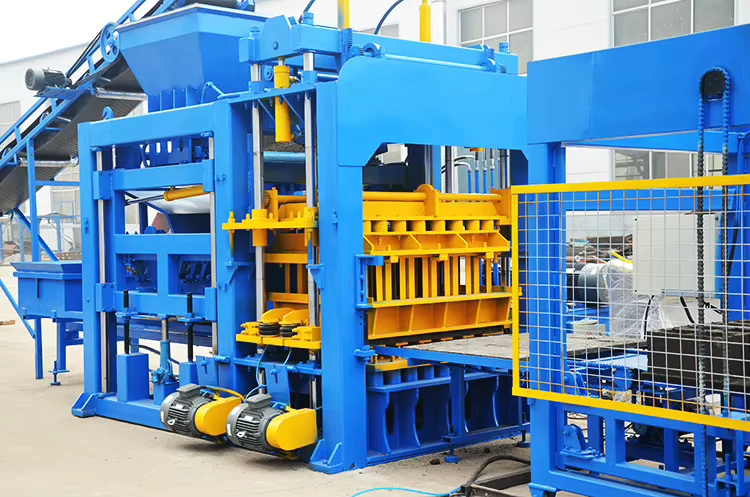
Rapid Dispatch Readiness — The QT12-15 concrete block making machine in stock is prepared for immediate container loading with standard moulds, eliminating manufacturing delays for tight project schedules.
Technical Specifications
| Parameter | Value |
|---|---|
| Model | QT12-15 |
| Product Type | Fully Automatic Concrete Block Making Machine |
| Automation Level | Full Automatic |
| Forming Method | Hydraulic pressure |
| Control System | PLC |
| Voltage Options | 110 V, 220 V, 240 V, 330 V, 380 V, 400 V, 415 V, 440 V |
| Overall Dimensions (L×W×H) | 5870×2220×2850 mm |
| Net Weight | 12000 kg |
| Brick Raw Material | Concrete |
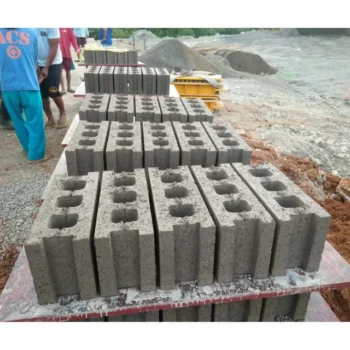
| Block Types | Hollow, Solid, Paver, Curbstone, Interlocking |
| Standard Brick Sizes | 400×100×200 mm, 400×120×200 mm, 390×190×190 mm, 200×100×60 mm, 300×150×100 mm |
| Core Components | PLC, Pressure Vessel, Engine, Gear |
| Color Options | Blue, Black, Green, Yellow, White, Customer’s Request |
| Certification | CE |
| Output Capacity | basis to be confirmed |
| Cycle Time per Format | basis to be confirmed |
Application Suitability
| Application Scenario | Material and Output Focus |
|---|---|
| Housing project contractor sites | Concrete hollow and solid blocks for immediate structural wall construction |
| Building material distributor yards | Concrete pavers and curbstones for rapid inventory replenishment |
| On-site development projects | Interlocking bricks for fast perimeter and landscaping execution |
Why Dispatch Timing Matters More Than Catalog Promises
When a construction handover date is fixed, waiting on unclear manufacturing schedules is not an option. Securing a QT12-15 concrete block making machine in stock ensures the equipment arrives while the foundation is still being prepared.
I have watched project timelines collapse because equipment was ordered without confirming actual dispatch readiness. A machine sitting in a factory bay is useless if it takes weeks to dismantle for shipping. Buyers working against strict deadlines need upfront arrival estimates and confirmed container loading plans, not vague production promises [NEED_CITE: impact of equipment delays on construction project penalties].
Verified Stock and Container Loading Plans
Sourcing a QT12-15 concrete block making machine in stock removes the uncertainty of custom build lead times. The physical footprint and dismantling requirements are already calculated for standard shipping containers. This means the loading plan is finalized before the order is confirmed, preventing last-minute delays at the port.
Upfront Arrival Estimates for Project Scheduling
Knowing exactly when the equipment will reach the site allows contractors to schedule foundation pouring and utility connections accurately. We provide realistic transit timelines based on current shipping routes. This transparency prevents the costly idle time that occurs when crews are waiting for machinery to arrive [NEED_CITE: standard maritime transit times for heavy industrial machinery].
Matching Voltage and Control Language Before Dispatch
A machine cannot operate if the local power grid does not match its electrical configuration. The QT12-15 supports multiple voltage configurations, but the exact requirement must be locked in before loading. Confirming the PLC display language and electrical specs upfront ensures the unit is ready for immediate connection upon arrival.
The Reality of Dismantling and Reassembly
Heavy machinery must be partially dismantled to fit into standard freight containers. The 5870×2220×2850 mm frame and 12000 kg weight require specific rigging and securing procedures. Our dispatch process includes detailed dismantling documentation, ensuring the reassembly team at the destination knows exactly how the components were packed and secured for the voyage.
The Hidden Costs of Incomplete Line Dispatch
Ordering just the main press without verifying the availability of supporting equipment leads to severe bottlenecks. I once saw a site where the main press was producing continuously, but without the matching pallet handling and curing rack systems, the wet blocks piled up and ruined the entire batch. Ensuring all necessary line components are dispatched together prevents this chaotic scenario [NEED_CITE: material handling bottlenecks in concrete production].
Why Procurement Speed Requires System Verification
Our focus on block machinery means the main press and supporting stations are verified as a matched system before dispatch. We confirm the exact dispatch lead time and current stock status of the requested standard moulds. The machinery test report and video outgoing-inspection are provided before the container is sealed. This systematic verification ensures that what arrives on site is exactly what was tested in the factory, supporting seamless integration into your project timeline.
Documentation & Verification
- Factory test record verifying hydraulic pressure and PLC function before dispatch
- Video outgoing-inspection showing the specific unit being loaded into the container
- Machinery test report confirming CE compliance for the exact shipped model
- Customs documentation support detailing the 12000 kg net weight and dimensions
- Dismantling and packing photographs for destination reassembly reference
Installation, Commissioning & Support
- Foundation must support the 12000 kg net weight and dynamic hydraulic pressure loads
- Dedicated power circuit required matching the confirmed 110 V to 440 V configuration
- Reassembly guided by pre-dispatch dismantling photographs and packing lists
- PLC control system language and parameters verified during initial power-up
- Operator training focused on rapid mould changes for the included standard formats
- Service machinery overseas support available for on-site commissioning guidance
Preparing Your Site for Immediate Integration
To ensure the equipment integrates smoothly into your operation upon arrival, please provide your local voltage and frequency standards. We also need to know your available laydown area for container unloading and the specific block formats you intend to run first. This information allows us to finalize the loading plan and ensure the correct standard moulds are included in the dispatch.
Frequently Asked Questions
Q: What is the exact dispatch lead time for the QT12-15?
A: The dispatch lead time depends on current stock availability and the specific standard moulds requested. Once the configuration and voltage are confirmed, we provide a precise dispatch date and an upfront arrival estimate based on current maritime shipping schedules to your destination port.
Q: How is the machine dismantled for container shipment?
A: The 5870×2220×2850 mm frame is partially dismantled to optimize container space and ensure safe transit. We provide detailed packing photographs and dismantling documentation so your local team can accurately reassemble the 12000 kg unit and reconnect the hydraulic and PLC systems upon arrival.
Q: Which standard moulds are included in the ready-to-ship package?
A: The ready-to-ship package includes standard moulds for hollow, solid, paver, curbstone, and interlocking blocks in sizes like 400×100×200 mm and 390×190×190 mm. Exact inclusion depends on your selection during the ordering process to ensure immediate production capability.
Q: Can the voltage and PLC language be confirmed before dispatch?
A: Yes, confirming the exact voltage requirement from our 110 V to 440 V range and the preferred PLC display language is a mandatory step before loading. This ensures the electrical systems and control interfaces are fully matched to your site’s infrastructure and operator needs.
Q: What is the realistic arrival estimate from order to site delivery?
A: The arrival estimate combines our confirmed dispatch lead time with standard maritime transit durations to your specific port. We quote this upfront so you can accurately schedule your foundation work, utility connections, and raw material deliveries for the exact date the equipment clears customs.