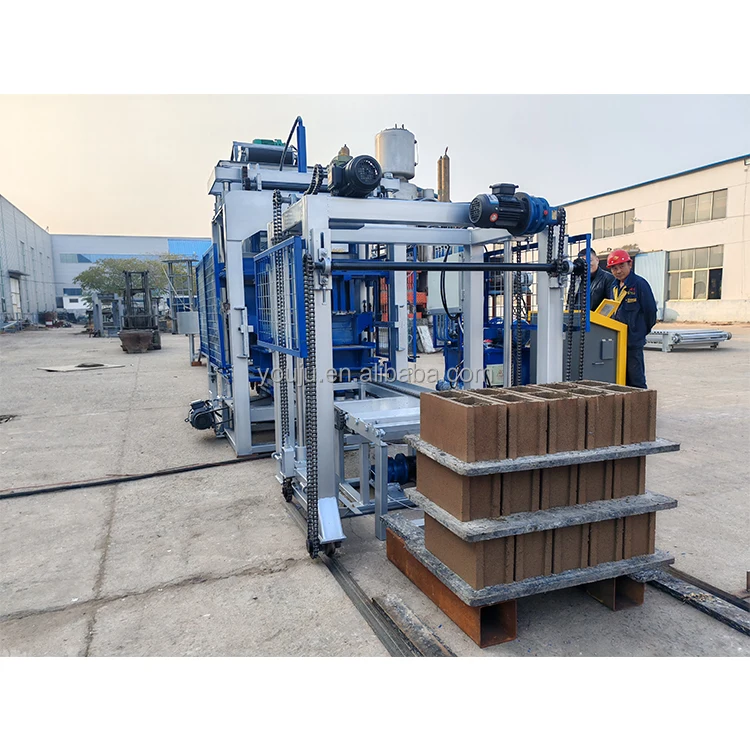
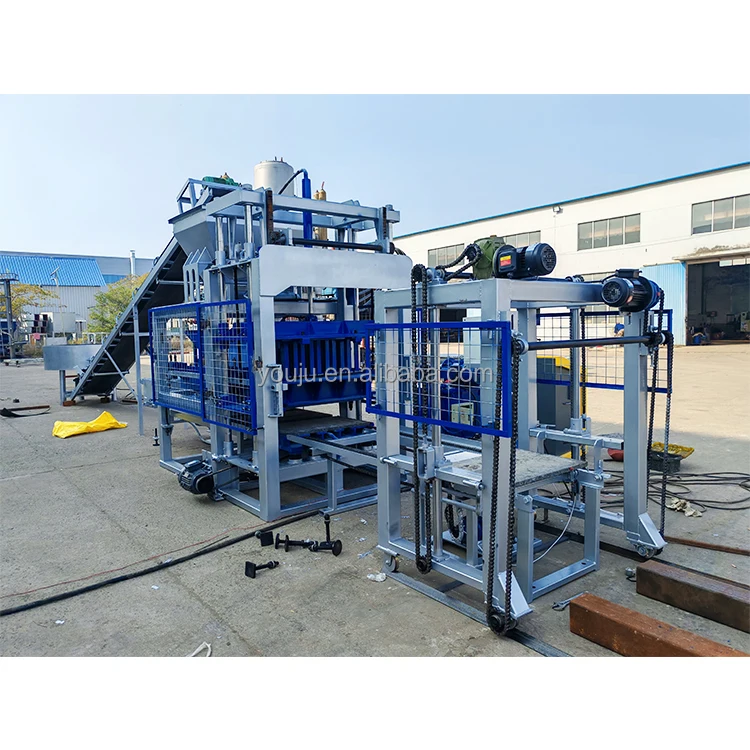
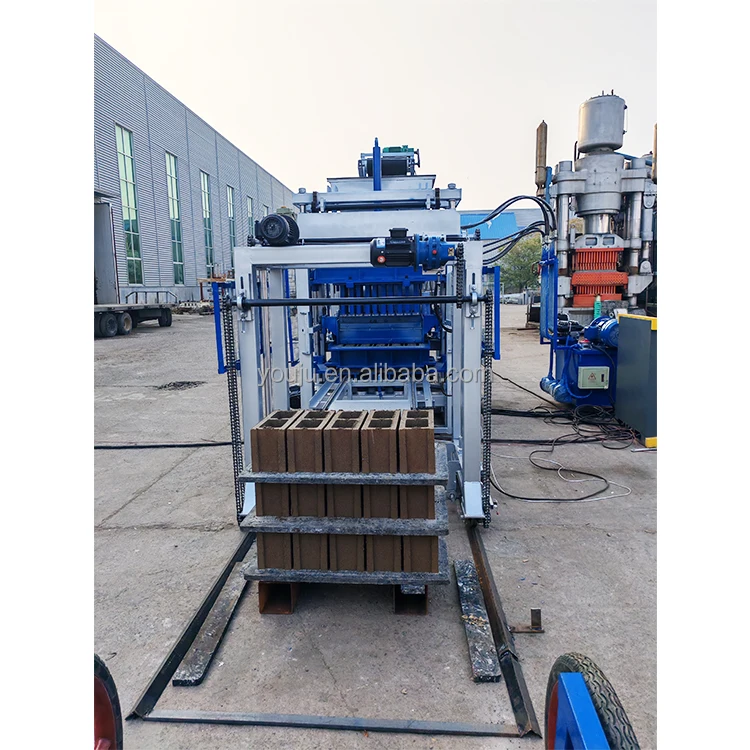
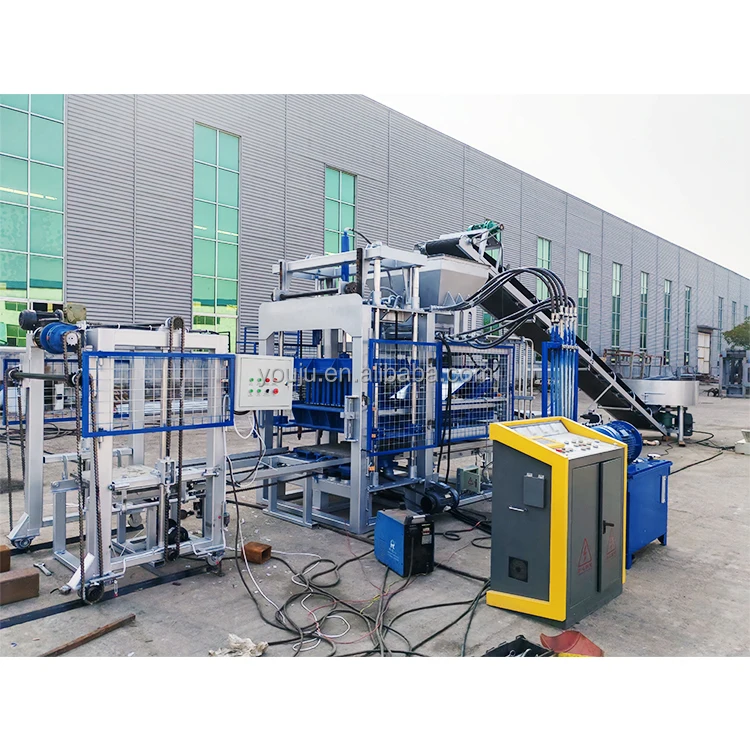
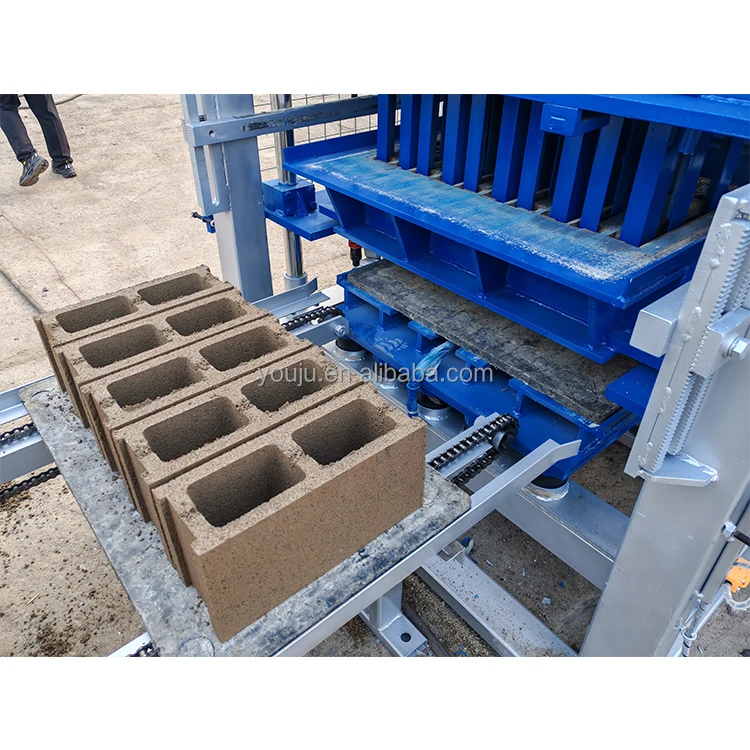
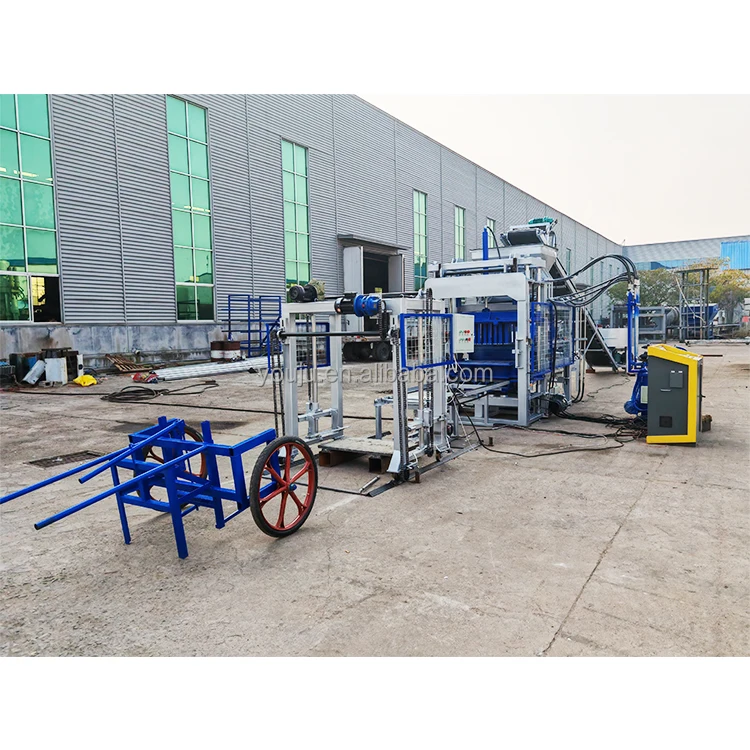
Description
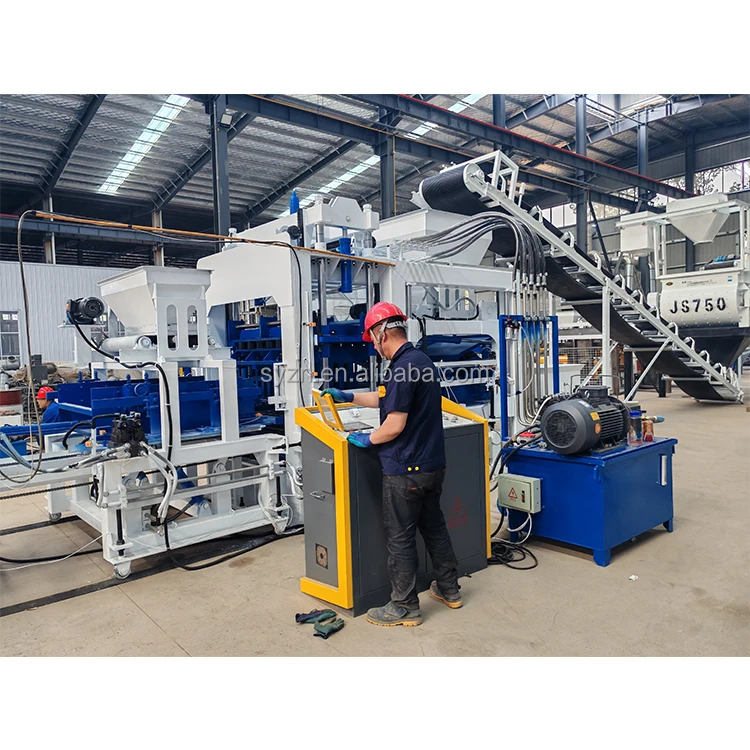
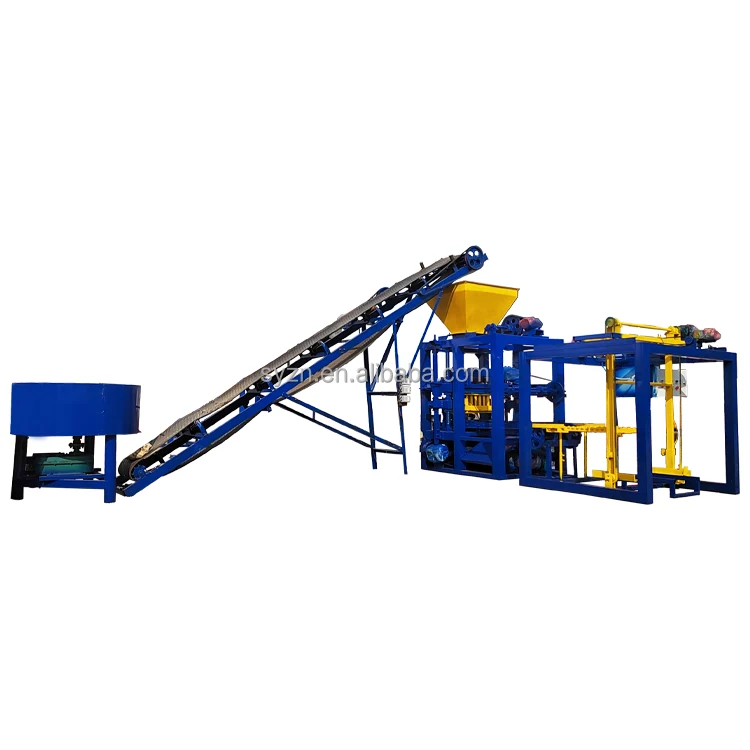
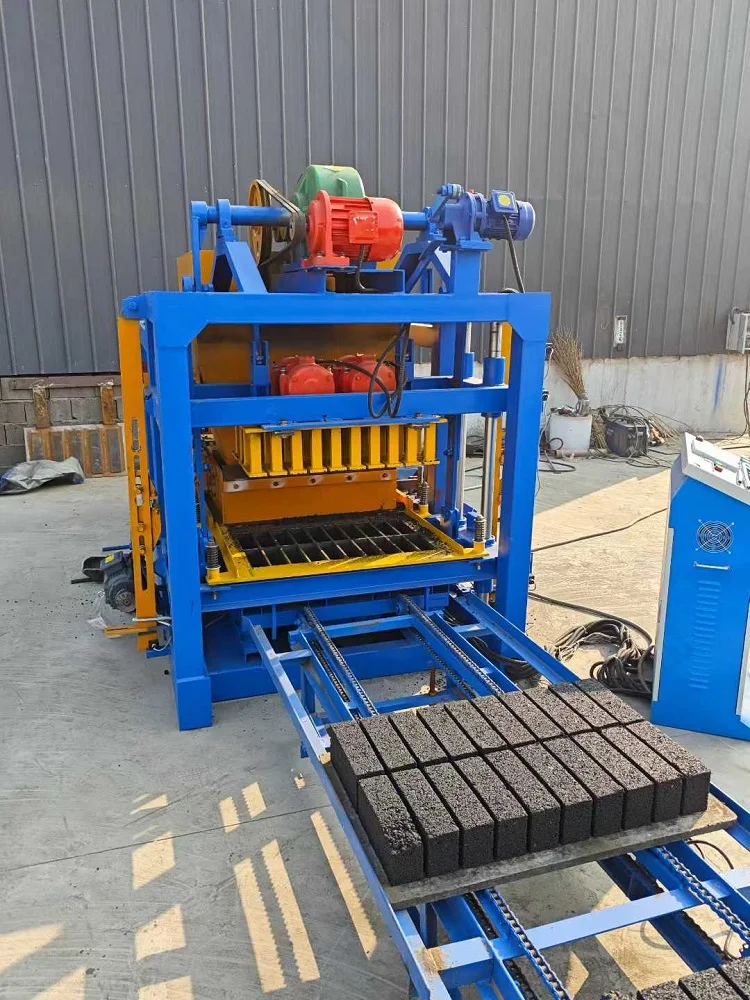
Ready Stock, Ready Load — the QT4-15 concrete block making machine in stock ships dismantled for container loading within days, not weeks, so your project deadline holds.
Technical Specifications
| Parameter | Value |
|---|---|
| Model | QT4-15 |
| Product Type | Stationary Concrete Block Making Machine |
| Control System | PLC |
| Automation Level | Automatic |
| Molding Cycle | 15-30 seconds |
| Vibration Type | Platform vibration |
| Vibration Frequency | 50-70 Hz |
| Pallet Size | 900 x 500 mm |
| Product Height Range | 50-220 mm |
| Demolding Method | Hydraulic |
| Overall Power | 24.5 kW |
| Output Capacity (Hollow Block 400x200x200mm) | 900-1,200 pcs/hour (basis: stated block format) |
| Output Capacity (Hollow Block 400x150x200mm) | 1,080-1,440 pcs/hour (basis: stated block format) |
| Output Capacity (Hollow Block 400x100x200mm) | 1,440-1,920 pcs/hour (basis: stated block format) |
| Output Capacity (Paver 200x100x60mm) | 2,880-3,840 pcs/hour (basis: stated block format) |
| Output Capacity (Solid Brick 240x115x53mm) | 5,930-6,720 pcs/hour (basis: stated block format) |
| Voltage & Frequency | (basis not stated in source — confirm before dispatch) |
| Hydraulic Pressure | (basis not stated in source — confirm with supplier) |
Application Suitability
| Application | Material or Output |
|---|---|
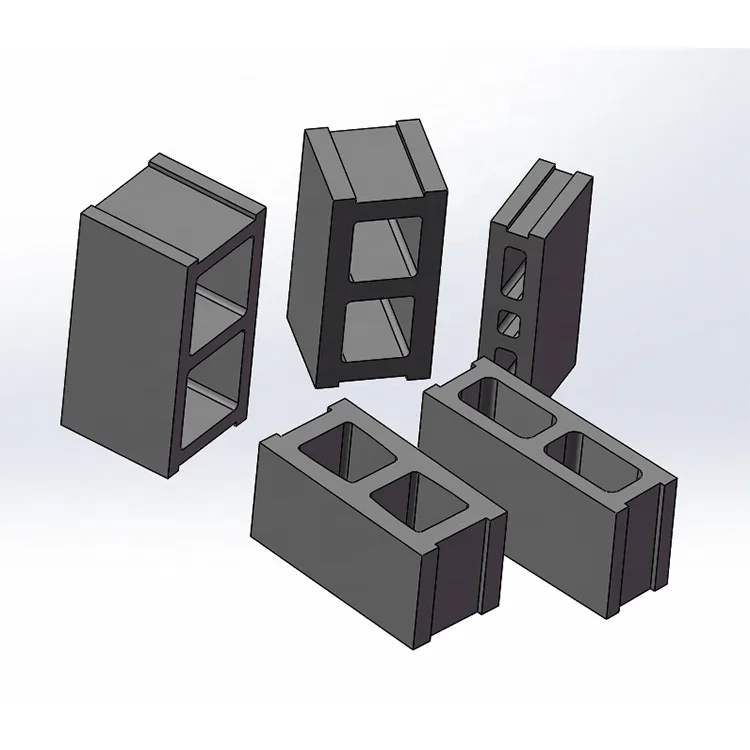
| Hollow block production | Fly ash, slag, gangue, sand, crushed stone, cement |
| Solid brick production | Sand, crushed stone, cement blends |
| Paving block production | Crushed stone and cement mixes |
| On-site contractor production | Locally sourced aggregate and cement |
| Small to medium block plant operation | Multi-format output from a single press line |
What "In Stock" Actually Means When You Need It by Next Month
A stocked machine is only useful if it clears the factory gate and reaches your port before your project window closes.
Buyers who have watched a six-week production lead time stretch into nine weeks because a hydraulic valve was back-ordered know the real cost of "made to order." I once had a contractor in West Africa lose an entire curing cycle because the machine he was promised sat in a workshop waiting for a PLC module. The QT4-15 concrete block making machine in stock is not a catalogue placeholder — it is a physical press, tested, dismantled, and staged for container loading. That means the lead time is measured in dispatch days, not production weeks [NEED_CITE: typical container transit windows by destination region].
Dispatch Timeline and What It Covers
When we confirm a QT4-15 concrete block making machine in stock is allocated to your order, the clock starts on dismantling, packing, and customs paperwork — not on fabrication. The press frame, hydraulic station, and control cabinet are separated for loading, which lets a standard 40-foot container carry the complete machine along with standard moulds and pallets. Buyers working against a housing project handover date or a distributor replenishment window need this sequence to be predictable, and a stocked unit removes the largest variable from it.
Container Loading and Machine Dismantling
The way a block press is broken down for shipment determines whether it arrives ready to reassemble or whether your crew spends days sorting unlabeled parts. The QT4-15 is dismantled at defined separation points: the mould assembly lifts off, the hydraulic station unbolts from the frame, and the pallet feeder detaches as a single sub-assembly. Each component is secured against movement during ocean transit, and packing photographs are shared before the container door closes. This level of loading discipline matters because a damaged hydraulic line at arrival can set commissioning back by weeks while replacement parts cross the same ocean your machine just did [NEED_CITE: container loading standards for heavy industrial machinery].
Reading the Numbers That Matter
The 900 x 500 mm pallet size is not arbitrary — it determines how many blocks each cycle produces and whether your existing curing racks and forklift can handle the output without modification. The 50-70 Hz platform vibration frequency range works with the hydraulic demolding system to compact the mix at a rate the material can actually consolidate; pushing vibration higher without matching pressure tends to fracture green blocks rather than strengthen them. The 15-30 second molding cycle window reflects the range across different block formats — a 400x200x200mm hollow block sits at the longer end of that range, while a solid brick format cycles faster because the mould cavity volume is smaller. The 24.5 kW overall power draw tells your electrician what dedicated circuit the press needs, which is information that must be confirmed against your site’s voltage and frequency before the machine leaves the factory.
The Hidden Cost of Shipping Without Confirming the Basics
I learned the hard way that a machine built for 380V/50Hz is useless on a 415V/50Hz site — the motor runs hot, the PLC throws faults, and the local electrician has no idea why a brand-new press will not start. That three-week delay on a West African job site cost the contractor more than any price negotiation ever saved. When you are ordering a QT4-15 concrete block making machine in stock for fast dispatch, the urgency that makes stock attractive is the same urgency that tempts a buyer to skip voltage confirmation. Do not skip it. Confirm voltage, frequency, and PLC display language before the container is booked, because reconfiguring a control cabinet on a job site in a country where the nearest compatible component is two borders away is not a problem you want to solve under deadline pressure [NEED_CITE: voltage and frequency standards by export market].
Why Source a Stocked Press from Here
Block machinery is our single focus, which means the press, mould, pallet, and handling equipment are specified and dispatched as a matched set rather than assembled from unrelated suppliers. Stocked QT4-15 units have been factory tested before staging, so the test record you receive reflects the actual machine being shipped to you, not a sister unit from six months ago. Standard moulds for hollow blocks, pavers, and solid bricks are available for immediate inclusion in the same container, eliminating a second shipment. Dispatch lead time and an estimated arrival date are quoted at order confirmation, not revised after production has already started. Packing photographs, customs documentation, and a machine-specific maintenance manual ship with every unit [NEED_CITE: CE machinery directive requirements for industrial equipment].
Documentation & Verification
- Factory test record run on the specific QT4-15 unit allocated to your order
- Container loading plan with component breakdown and securing method
- Pallet specification sheet matched to the 900 x 500 mm platform size
- Voltage and frequency confirmation document signed before dispatch
- Packing photographs taken at container loading stage
- Customs documentation package prepared for your destination port
Installation, Commissioning & Support
- Foundation plan referencing the QT4-15 frame footprint and anchor bolt layout
- Dedicated power circuit specification based on the 24.5 kW overall power rating
- Reassembly sequence for the dismantled press, hydraulic station, and pallet feeder
- First-run commissioning with molding cycle verification across your chosen block format
- Operator training covering PLC interface navigation and mould changeover procedure
- Wear parts list identifying hydraulic seals and vibration platform components by part number
Before You Request a Quote
Tell us your destination port and the voltage and frequency at your site so we can confirm the control cabinet matches before the container is booked. Specify which block formats you need produced — hollow block dimensions, paver size, or solid brick — so the correct moulds are loaded alongside the press. Let us know your project deadline so we can quote a realistic arrival estimate based on current shipping schedules.
Frequently Asked Questions
Q: Which QT4-15 configurations and moulds are currently in stock?
A: Stocked units include the standard QT4-15 press with PLC control, hydraulic demolding, and the 900 x 500 mm pallet system. Standard moulds for 400x200x200mm hollow blocks, 200x100x60mm pavers, and 240x115x53mm solid bricks are available for immediate dispatch. Custom mould formats require a production lead time and are not part of the stock dispatch window.
Q: What is the dispatch lead time from order confirmation to port?
A: Once voltage, frequency, and PLC language are confirmed and the order is placed, the machine moves through dismantling, packing, and customs staging. This process is measured in days rather than weeks because fabrication is already complete. The exact timeline depends on container availability at the loading port at the time of your order.
Q: How is the QT4-15 dismantled and loaded into the container?
A: The press is separated at defined points — the mould assembly, hydraulic station, and pallet feeder are detached as individual sub-assemblies. Each component is secured against transit movement inside a standard container. Packing photographs document the loading configuration before the container is sealed.
Q: Can I get an arrival estimate for my destination port before ordering?
A: Yes. Once your destination port is confirmed, we provide an estimated arrival window based on current shipping routes and transit schedules. This estimate is quoted upfront alongside the dispatch timeline so you can plan site preparation and commissioning around a known date range.
Q: What customs documentation is included with the shipment?
A: The shipment includes commercial invoice, packing list, bill of lading, and certificate of origin where applicable. Documentation is prepared to match the destination country’s import requirements. Any additional certificates needed for customs clearance at your port should be requested before dispatch so they can be included in the document package.