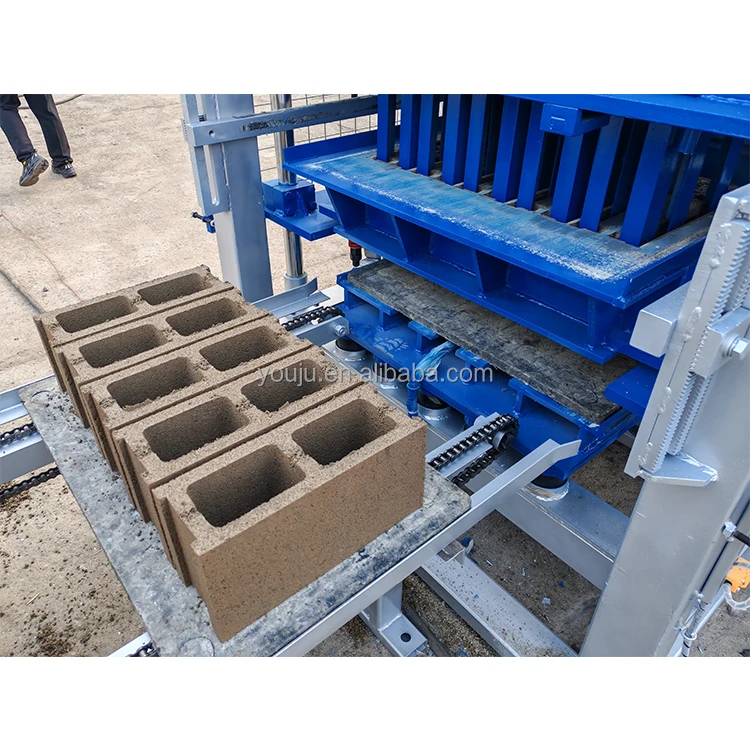

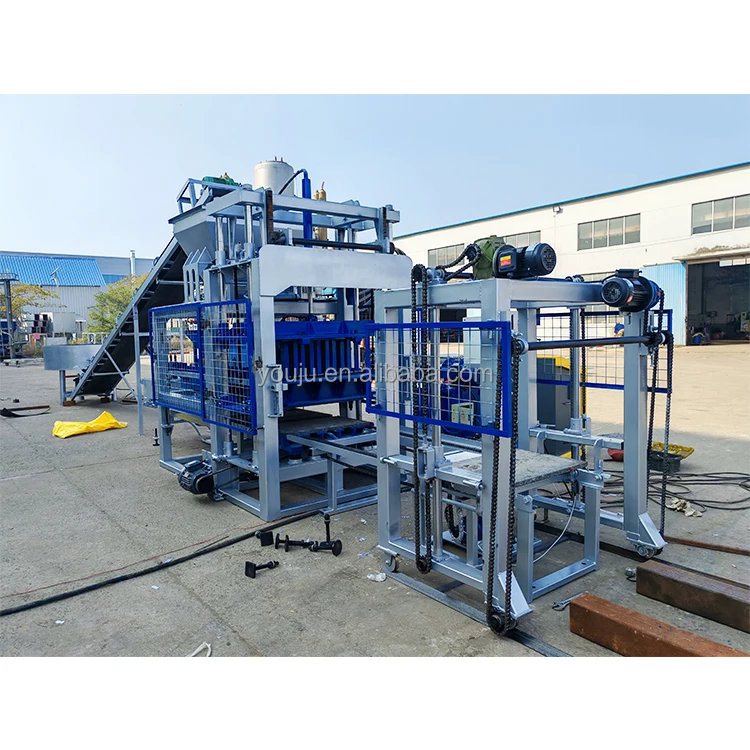
Description
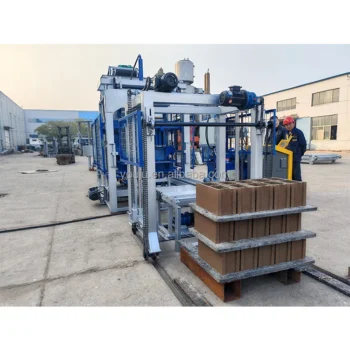
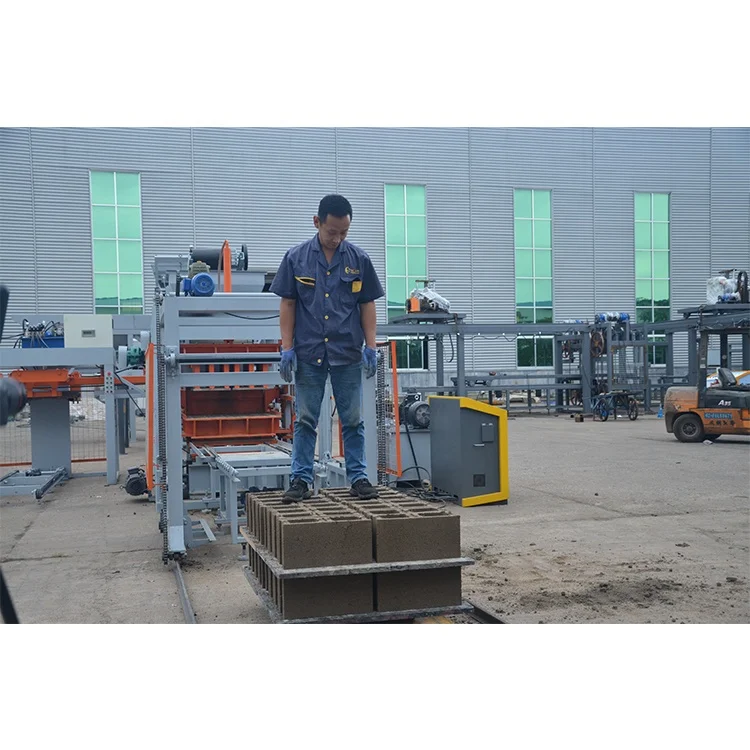
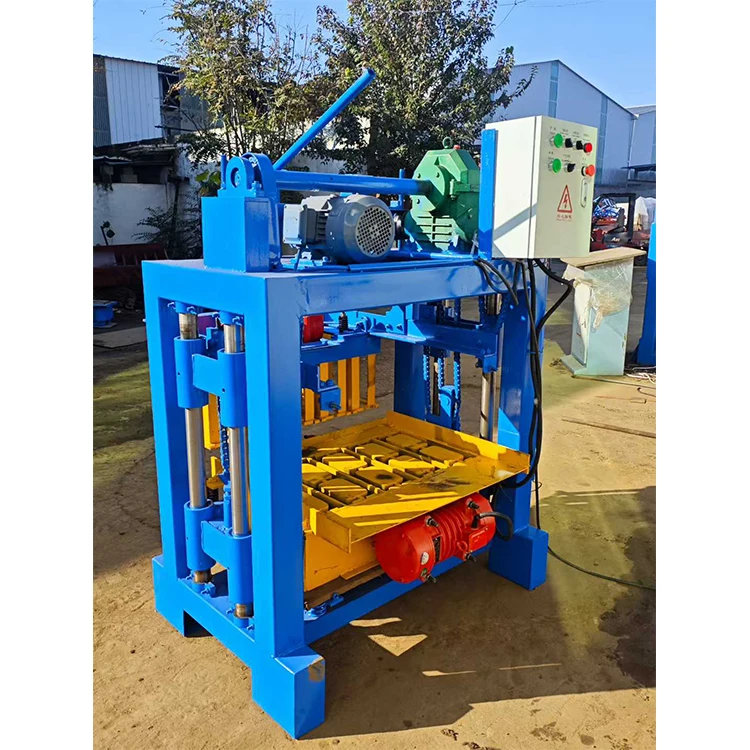
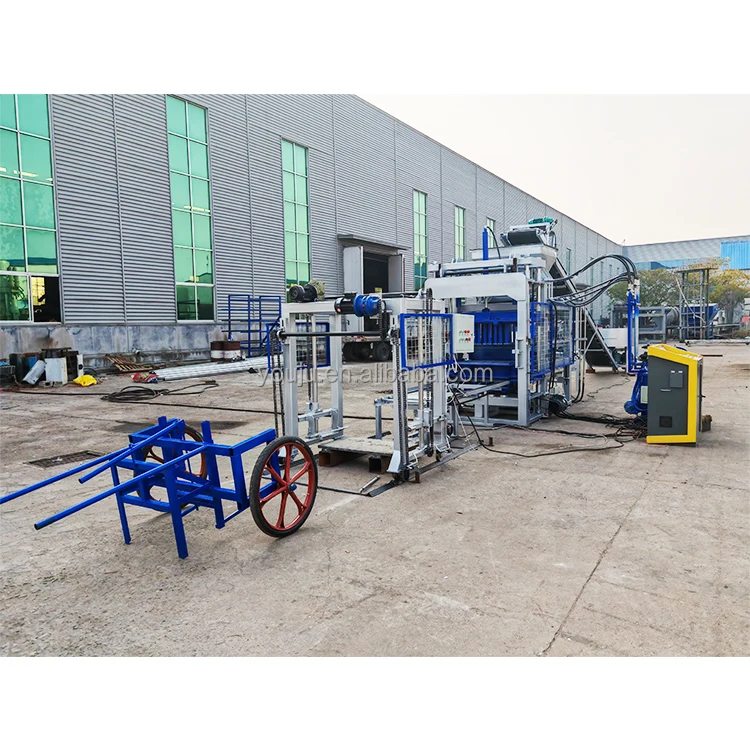
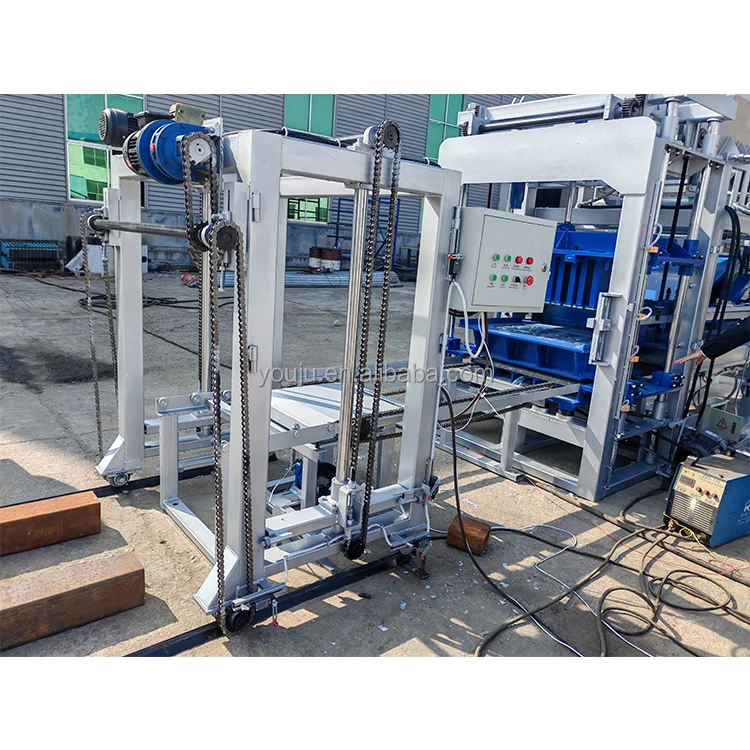
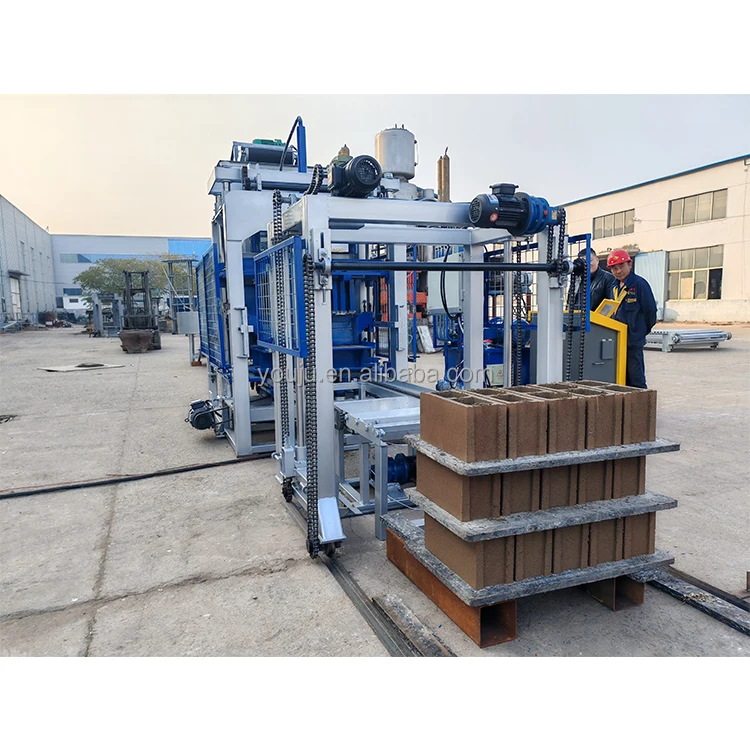
Stock-First Fulfillment — every QT4-15 unit ships from inventory with a container loading plan confirmed before dispatch, so your project deadline is never held up by a production queue.
Technical Specifications
| Parameter | Value |
|---|---|
| Model | QT4-15 |
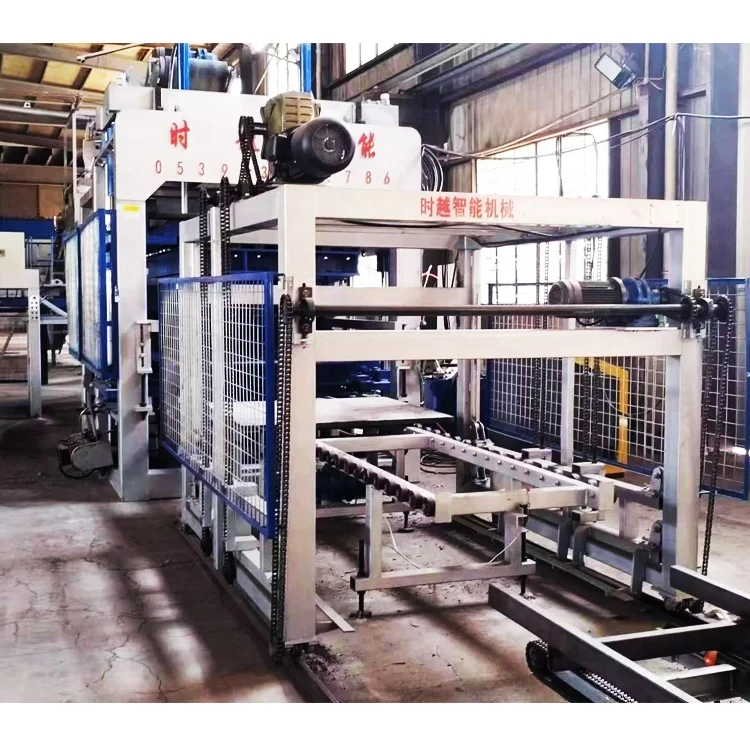
| Product Type | Hydraulic Block Making Machine |
| Overall Power | 24.5 kW |
| Control System | PLC controlled |
| Molding Cycle | 15–30 s depending on format |
| Pallet Size | 900 × 500 mm |
| Vibration Type | Platform vibration |
| Vibration Frequency | 50–70 Hz |
| Product Height Range | 50–220 mm |
| Demolding Method | Hydraulic |
| Automation Level | Automatic (PLC + hydraulic system) |
| Output (400×200×200 mm hollow block) | 900–1,200 pcs/h (basis: 4 pcs/mould, 15–20 s cycle) |
| Output (400×150×200 mm hollow block) | 1,080–1,440 pcs/h (basis: 5 pcs/mould, 15–20 s cycle) |
| Output (400×100×200 mm hollow block) | 1,440–1,920 pcs/h (basis: 8 pcs/mould, 15–20 s cycle) |
| Output (200×100×60 mm paver) | 2,880–3,840 pcs/h (basis: 16 pcs/mould, 15–20 s cycle) |
| Output (240×115×53 mm solid brick) | 5,930–6,720 pcs/h (basis: 28 pcs/mould, 15–20 s cycle) |
| 8-Hour Output (400×200×200 mm hollow block) | 7,200–9,600 pcs |
| Block Compressive Strength | ≥ 15 MPa |
| Raw Materials | Fly ash, slag, gangue, sand, crushed stone, cement, water |
| Mould Change | Supported (hollow block, paver, solid brick) |
Application Suitability
| Application | Material or Output |
|---|---|
| Hollow block production for building walls | Fly ash, slag, crushed stone with cement binder |
| Interlocking paver production for walkways and yards | Sand and fine aggregate with cement |
| Solid brick production for masonry structures | Gangue, shale, or sand with cement |
| Mid-scale block plant replacing manual operations | Multi-format output from a single press |
| On-site production for housing developments | Local aggregate and industrial residues |
What "In Stock" Actually Means for Your QT4-15 Block Machine in Stock Order
Stock means the machine is physically on our factory floor — not scheduled for production next quarter.
When a contractor has a housing handover date looming, a sixty-day build cycle is not an option. I have watched project managers lose weeks because a quoted lead time turned out to be a production slot, not a dispatch date. With the QT4-15 block machine in stock, we confirm the exact serial unit, the moulds sitting beside it, and the container loading scheme before any payment changes hands. [NEED_CITE: typical lead time expectations for stationary block presses in export markets]
Dispatch Lead Time You Can Put on a Gantt Chart
The moment you confirm voltage and PLC language, we lock a vessel booking window. Every QT4-15 block machine in stock is dismantled into labelled sub-assemblies with a loading diagram that matches container dimensions. The dispatch lead time is quoted in calendar days — not business weeks — and includes factory test completion, packing, and inland haulage to port.
Container Loading Without Surprises
I once loaded a QT4-15 where the buyer’s clearing agent assumed the hydraulic power pack travelled in the same container as the main frame. It did not, and the mismatch cost three days at the destination port. Now every loading plan lists each sub-assembly by container, with photographs taken at the point of sealing.
Voltage, Frequency, and PLC Language Before the Crate Closes
Shipping a QT4-15 block machine in stock to a 60 Hz market without rewiring the motor is a commissioning nightmare [NEED_CITE: voltage and frequency standards by export market]. We confirm supply voltage, frequency, and the operator-interface language against your site electrical drawing before the machine leaves Shandong. No adapter plates, no transformer workarounds on arrival.
How Vibration Force and Hydraulic Pressure Shape Block Density
Platform vibration at 50–70 Hz works together with hydraulic pressure to compact the mix into the mould cavity. Higher frequency suits fine sand blends; coarser crushed stone needs stronger hydraulic squeeze to close voids. The PLC cycle adjusts vibration duration per format, so a 400×200×200 mm hollow block and a 200×100×60 mm paver each receive the energy profile that matches their geometry. Pallet size at 900 × 500 mm must align with your curing-rack spacing and forklift tine width — a mismatch here stalls the line after the press.
The Cost of Skipping the Loading Plan
Buyers who treat container loading as an afterthought often find pallets arrive in one container and the mould crate in another, with the vessel schedule separating them by a week. The press sits idle on the foundation while the team waits for the second container. [NEED_CITE: container demurrage costs at major import ports] That idle time erodes whatever advantage fast dispatch was supposed to deliver.
Why Buyers Source This Model Through Our Stock Channel
We keep QT4-15 units and standard moulds on the factory floor, not on a spreadsheet promise. Every machine and mould set is specified as a matched system — press, pallet, and handling — so nothing arrives orphaned. We confirm container loading against your port’s crane capacity and the buyer’s warehouse door height. Installation support begins with the loading photograph, not after arrival. The documentation package travels with the shipment, including the factory test record run on your target block format.
Documentation & Verification
- Factory test record showing cycle time on your chosen hollow block format
- Container loading photograph set with seal numbers logged
- Voltage and frequency confirmation sheet signed before crating
- Hydraulic and electrical schematic matching the shipped configuration
- Operation manual in your confirmed PLC display language
- Packing list cross-referenced to each container number
Installation, Commissioning & Support
- Foundation drawing matched to the 24.5 kW total power draw and vibration isolation needs
- Dedicated circuit requirement at your confirmed voltage before the press is energised
- Sub-assembly reconnection sequence following the labelled loading plan
- First-run parameter tuning on your local aggregate and target block format
- Operator walkthrough covering mould change, pallet feed, and PLC fault screens
- Wear parts and spare mould list shipped in the same container as the press
What to Include in Your Inquiry
Send your target block format, daily output requirement, and the aggregate blend available locally. Confirm site voltage, frequency, and preferred PLC language. If you have an existing curing area, share rack dimensions and forklift specs so pallet compatibility is checked before dispatch.
Frequently Asked Questions
Q: Which QT4-15 machines and moulds are physically in stock right now?
A: We confirm the exact serial unit and the standard moulds sitting beside it at the time of your inquiry. Stock status is communicated in real time, not against a future production schedule, so you know the machine exists before committing.
Q: How is the QT4-15 dismantled and loaded for container shipment?
A: The press is split into labelled sub-assemblies — main frame, hydraulic pack, mould set, and pallet stack — each mapped to a specific container. A loading diagram with photographs is shared before sealing so your team knows the arrival sequence.
Q: Can voltage, frequency, and PLC language be confirmed before dispatch?
A: Yes. We match these to your site electrical drawing and operator preference before the machine leaves the factory. This avoids transformer workarounds or reprogramming on arrival that would delay commissioning.
Q: What is the realistic arrival estimate from order to my destination port?
A: Once vessel booking is confirmed, we quote a projected arrival date based on the sailing schedule and inland haulage time. Tracking updates are shared at dispatch, port loading, and estimated arrival milestones.
Q: Which spare parts ship with the machine so I avoid waiting for first replacements?
A: Hydraulic seals, vibration springs, and a wear parts list matched to your mould configuration ship in the same container. This covers the typical first maintenance interval without requiring a separate parts order.