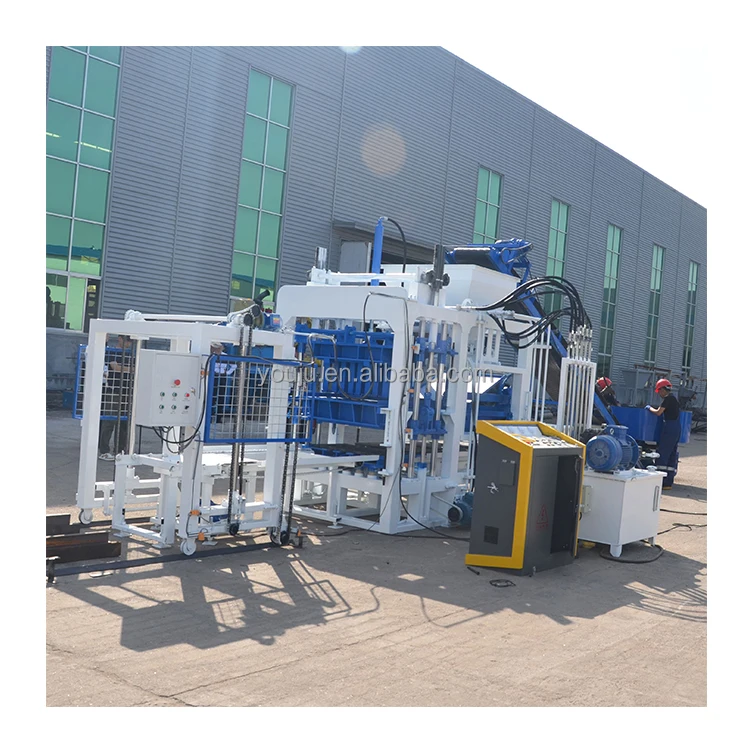
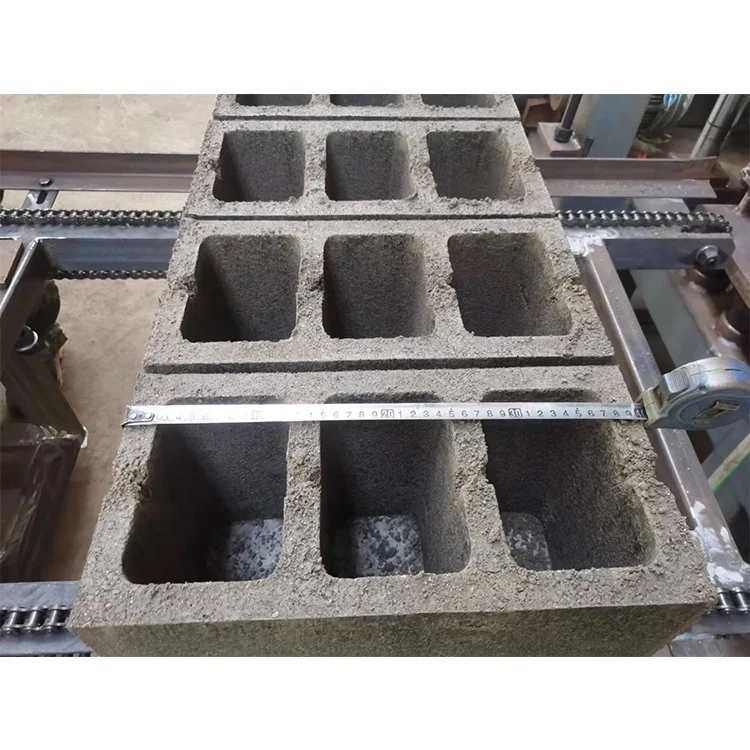
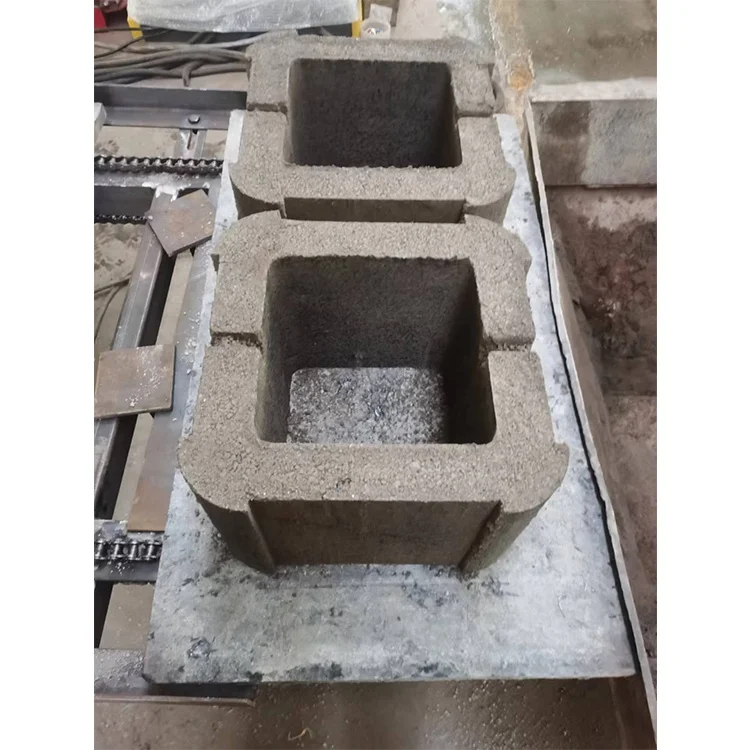
Description
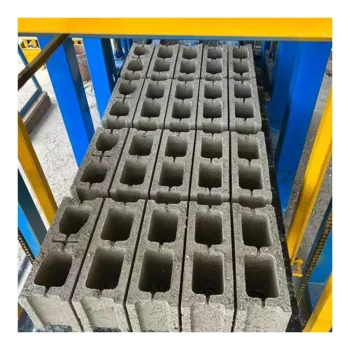
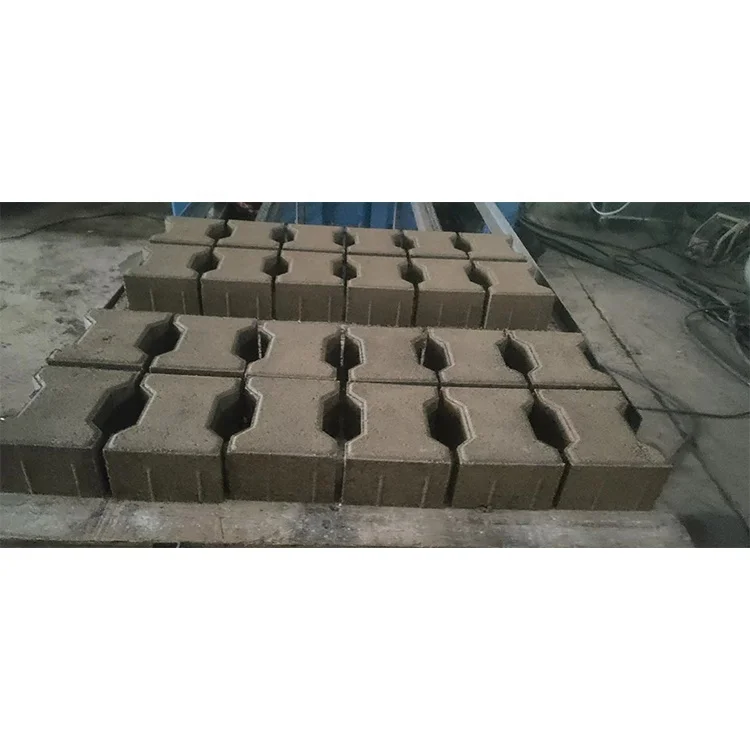
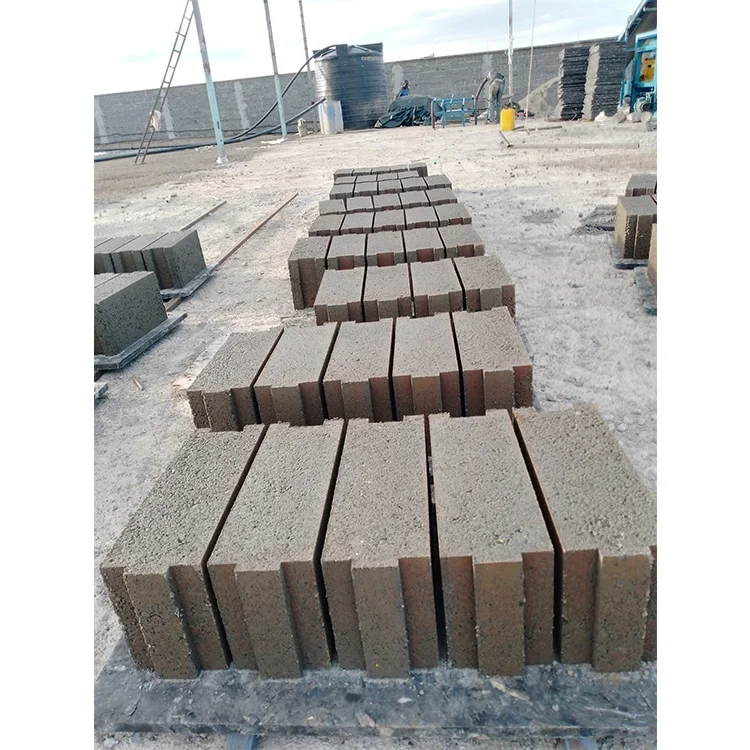
Stocked QT4-15 ready for dispatch — standard hollow block, solid brick and paver moulds held in inventory so your machine leaves the factory within days, not weeks, matching the block formats your market actually buys.
Technical Specifications
| Parameter | Value |
|---|---|
| Model | QT4-15 |
| Product Type | Hydraulic Solid Block Making Machine |
| Molding Cycle | 15–30s |
| Pallet Size | 900×500mm |
| Vibration Type | Platform vibration |
| Vibration Frequency | 50–70Hz |
| Product Height Range | 50–220mm |
| Overall Power | 24.5kW |
| Demolding Method | Hydraulic |
| Control System | PLC |
| Automation Level | Automatic (PLC controlled with approach switch monitoring) |
| Block Compressive Strength | >15 MPa |
| Output Capacity (Hollow Block 400×200×200mm) | 900–1,200 pcs/h, 7,200–9,600 pcs/8hr |
| Output Capacity (Hollow Block 400×150×200mm) | 1,080–1,440 pcs/h, 8,640–11,520 pcs/8hr |
| Output Capacity (Hollow Block 400×100×200mm) | 1,440–1,920 pcs/h, 11,520–15,360 pcs/8hr |
| Output Capacity (Paver 200×100×60mm) | 2,880–3,840 pcs/h, 23,040–30,720 pcs/8hr |
| Output Capacity (Solid Brick 240×115×53mm) | 5,930–6,720 pcs/h, 47,400–53,700 pcs/8hr |
| Voltage & Frequency | Configurable to site requirement (basis to be confirmed before dispatch) |
| Mould Formats Supported | Hollow block, paver, solid brick (via mould change) |
| Raw Materials | Fly ash, slag, gangue, sand, crushed stone, cement, water |
Application Suitability
| Application | Material or Output |
|---|---|
| Mid-scale hollow block plants | Crushed stone, sand, cement, fly ash |
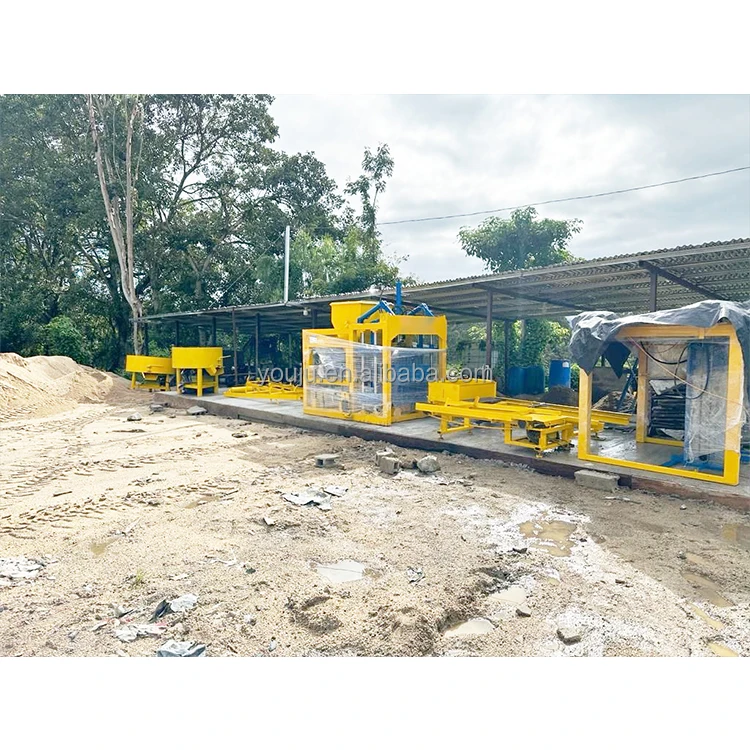
| On-site production for contractors | Slag, gangue, local aggregate with cement binder |
| Solid brick manufacturing | Sand, fly ash, cement blends |
| Interlocking paver production | Crushed stone fines, cement, pigment (via mould) |
| First-plant entrepreneur setups | Locally available aggregate with standard cement ratios |
Why Voltage Confirmation Must Happen Before the Machine Leaves the Factory
A QT4-15 block machine in stock fast delivery means nothing if the motor cannot run on arrival.
I learned this the hard way on a jobsite in Ecuador. The contractor had ordered a hydraulic block machine on a tight schedule, and the vessel was already booked. Three days before loading, I checked the destination electrical grid: 110V/60Hz. Our standard configuration was 380V/50Hz. Had that machine landed without correction, the site crew would have sat idle for a month waiting for replacement motors and a variable-frequency cabinet. We pulled the unit back into the workshop, swapped the motor, fitted the correct drive, and re-tested — all inside three days, still making the sailing. That is the kind of pre-shipment verification that protects a project deadline [NEED_CITE: voltage and frequency standards by export market].
Stock Availability and Dispatch Readiness
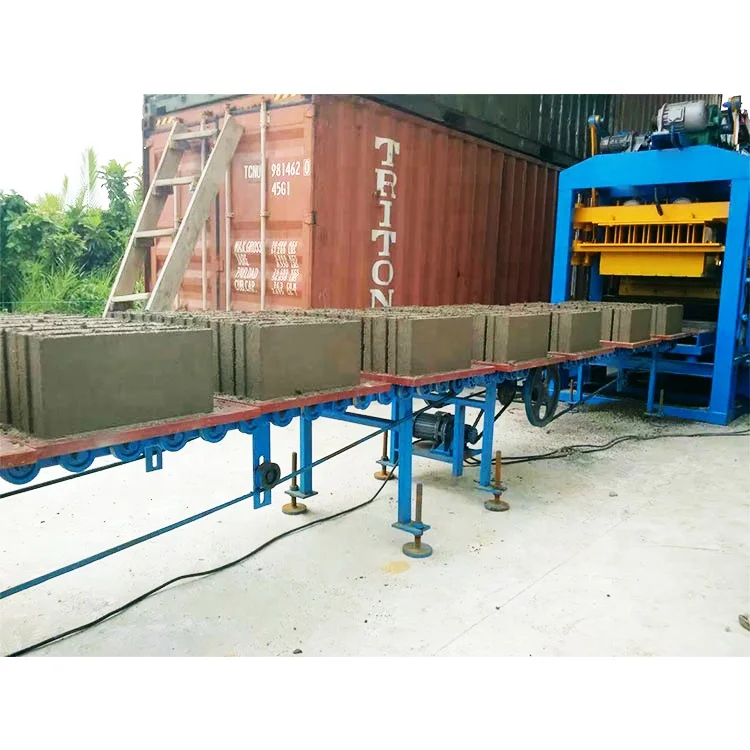
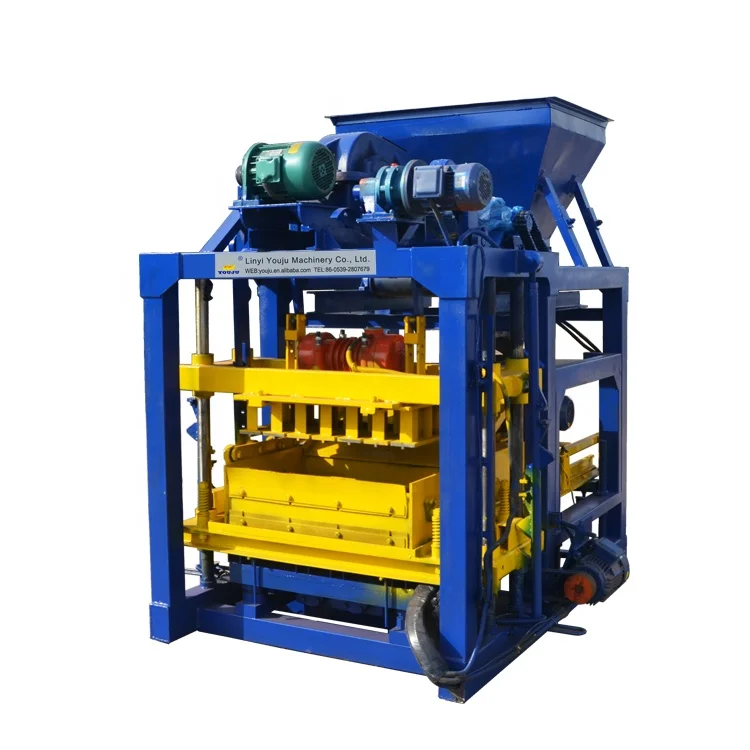
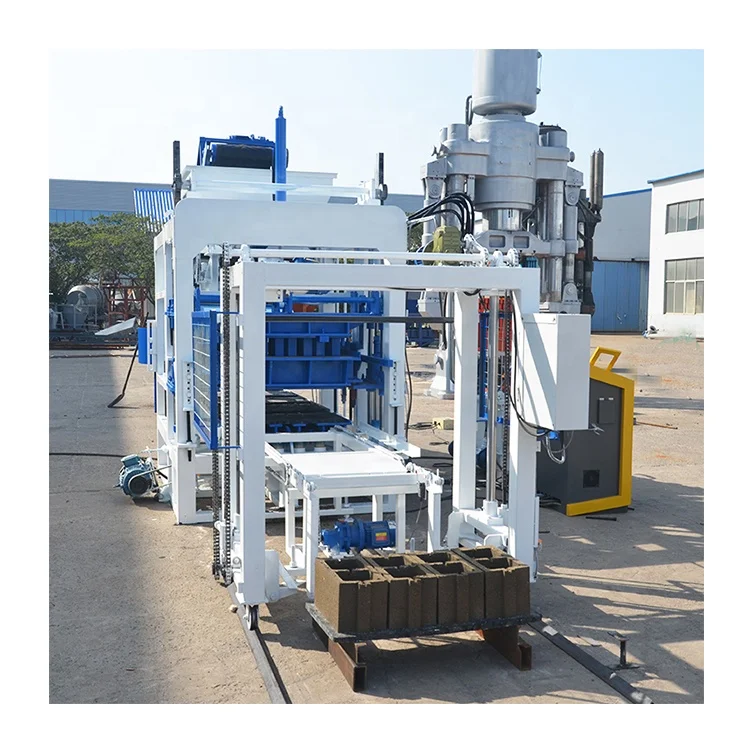
The QT4-15 block machine in stock fast delivery proposition rests on more than a crate sitting on the factory floor. It means the press frame, hydraulic station, vibration platform, and PLC cabinet are assembled, factory-tested, and paired with standard moulds for the three most common formats — hollow block, solid brick, and paver. When an inquiry lands, the lead time quoted is measured in days to port, not weeks to production start.
How Container Loading Is Planned Around the Machine
A stationary block machine of this footprint is dismantled into modules that fit a standard container: the press frame, the hydraulic power unit, the pallet feeder, and the PLC panel each secured independently. This dismantling approach shortens ocean freight cost and protects hydraulic lines and electrical harnesses from transit damage. Dispatch lead time includes the packing and container loading plan, so the buyer knows the arrival estimate before payment is released [NEED_CITE: standard container loading practices for industrial block machinery].
What the Numbers on the Spec Sheet Actually Mean
The QT4-15 runs a platform vibration system at 50–70Hz combined with hydraulic demolding. Vibration frequency in this range is what compacts the concrete mix evenly through the mould cavity; the hydraulic system then extracts the formed block without cracking green edges. Together they determine the >15 MPa compressive strength rating — a figure that matters when local building codes require certified load-bearing blocks. The 900×500mm pallet size governs how many blocks form per cycle, and the 50–220mm product height range covers everything from a 60mm paver to a 200mm hollow block without mechanical modification to the press frame. Cycle time sits at 15–30 seconds depending on the format and mix consistency, and the PLC with approach switch monitoring keeps the machinery, electric, hydraulic, and vibrating systems synchronized so the operator is not manually timing each stroke.
The Cost of Skipping Pre-Shipment Verification
When voltage, frequency, or PLC display language are left unconfirmed, the machine arrives and cannot be commissioned. The contractor pays demurrage at the port, rents a generator set that may not match the required phase configuration, and loses weeks of production while waiting for replacement electrical components. In markets where project penalties accrue daily, a single unchecked spec sheet field erases any advantage gained from fast dispatch [NEED_CITE: project delay penalties in construction contracts].
Why Buyers Source This Machine Through This Channel
Block machinery is the single focus here, which means the QT4-15 press, its moulds, pallets, and handling equipment are specified as a matched system rather than pulled from separate vendors. Configuration is set against the buyer’s actual mix design and local aggregate, not a catalogue default. Moulds for the formats the buyer’s market demands — including custom drawings — are designed and supplied in-house. Automation level is selectable, so a buyer can start semi-automatic and upgrade the stacking and cubing stations later. Installation and commissioning support includes on-site operator training so the crew is producing saleable blocks before the technician leaves.
Documentation & Verification
- Factory test record on your specified block format before dispatch
- Machine specification sheet confirming voltage, frequency, and PLC language
- Mould drawing and format list for every block type in your order
- Packing photographs documenting container loading sequence
- Hydraulic and electrical schematic matching the shipped configuration
- Customs documentation support for destination port clearance
Installation, Commissioning & Support
- Foundation pad sized to the QT4-15 footprint with anchor bolt template provided
- 24.5kW overall power draw confirmed against your site transformer capacity
- PLC display language set to your operator preference before the machine ships
- Hydraulic station filled and bled on-site with pressure verified against mould requirement
- Approach switch calibration completed during commissioning for cycle synchronization
- Wear parts and mould maintenance schedule handed over at operator training
Before You Send an Inquiry
Provide the block format you sell most, the daily output you need, your local aggregate type and cement source, and the voltage and frequency at your site. If you have existing pallets, curing racks, or a forklift with a specific lift capacity, include those dimensions — they affect the pallet size and handling equipment that ship with the press.
Frequently Asked Questions
Q: What QT4-15 models and standard moulds are currently in stock?
A: Standard stock includes the QT4-15 press with moulds for 400×200×200mm hollow blocks, 240×115×53mm solid bricks, and 200×100×60mm pavers. Additional formats can be added before shipment if the mould tooling is available in the current production run. Availability is confirmed at inquiry.
Q: How is dispatch lead time calculated for a stocked machine?
A: Lead time covers final factory test, dismantling for container loading, packing, and inland transport to the port of shipment. The arrival estimate at your destination port is quoted upfront based on current sailing schedules, so you can plan site preparation around a known date.
Q: How is the machine dismantled and loaded into the container?
A: The press frame, hydraulic power unit, pallet feeder, and PLC cabinet are separated into modules that fit a standard dry container. Each module is secured to prevent transit damage, and packing photographs are provided so you can verify the loading plan before the container is sealed.
Q: What customs documentation comes with the shipment?
A: The shipment includes a commercial invoice, packing list, bill of lading, and certificate of origin. A CE declaration is provided where applicable. Additional documents required by your destination port are confirmed during the order stage so nothing is missing at clearance.
Q: Can I change mould formats before the machine ships from stock?
A: Yes, provided the requested mould tooling is available or can be produced within the dispatch window. Custom mould drawings are reviewed against the 900×500mm pallet size and 50–220mm product height range to confirm compatibility before the change is confirmed on the order.