

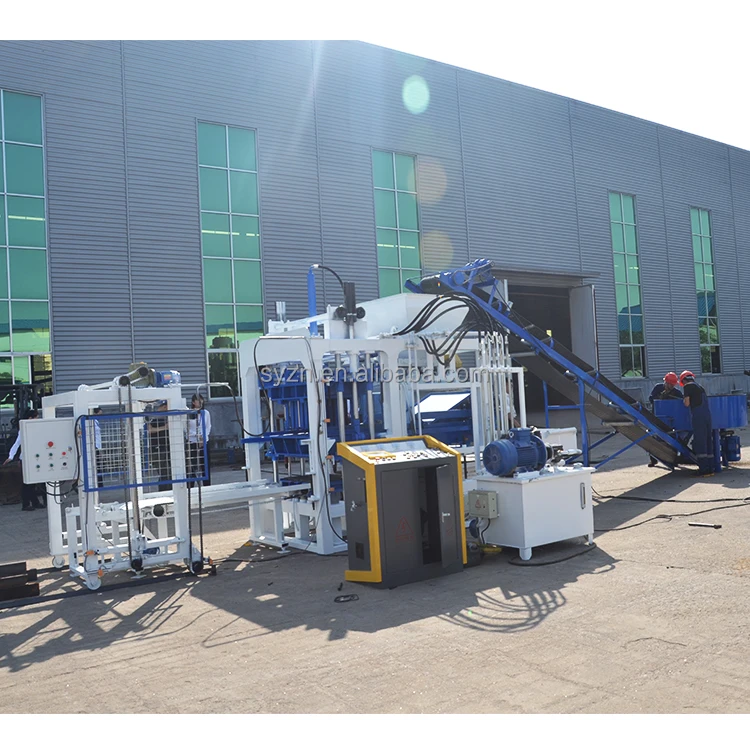

Description
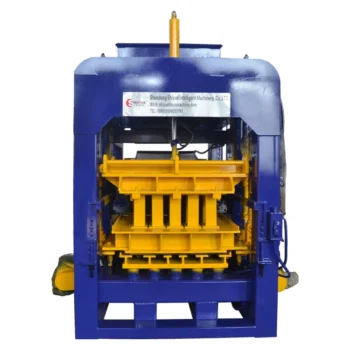
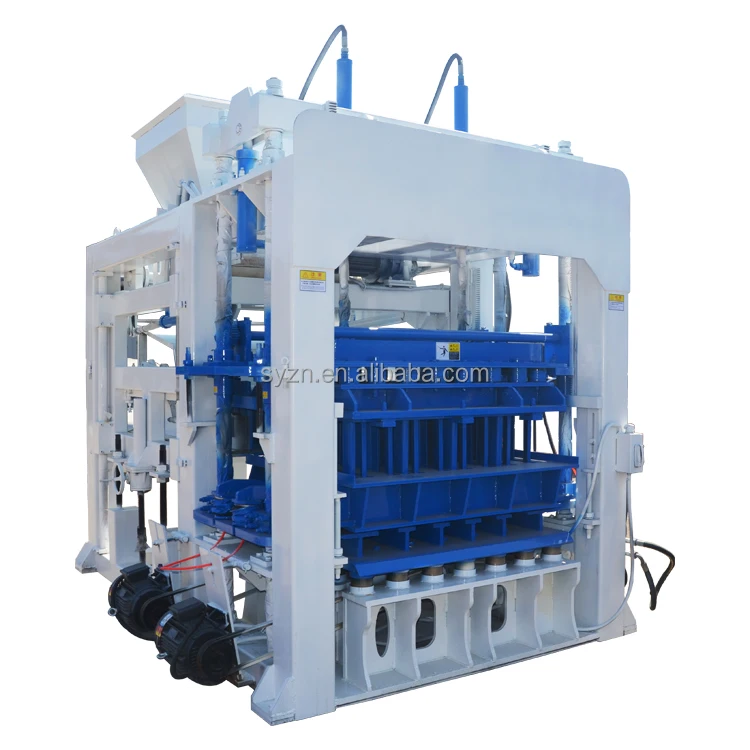
Stock Readiness Confirmed — the QT4-18 block machine ships from our Linyi warehouse with container loading plan and voltage pre-configuration, so arrival timing stays honest from day one.
Technical Specifications
| Parameter | Value |
|---|---|
| Product Type | Hydraulic Block Making Machine |
| Model | QT4-18 |
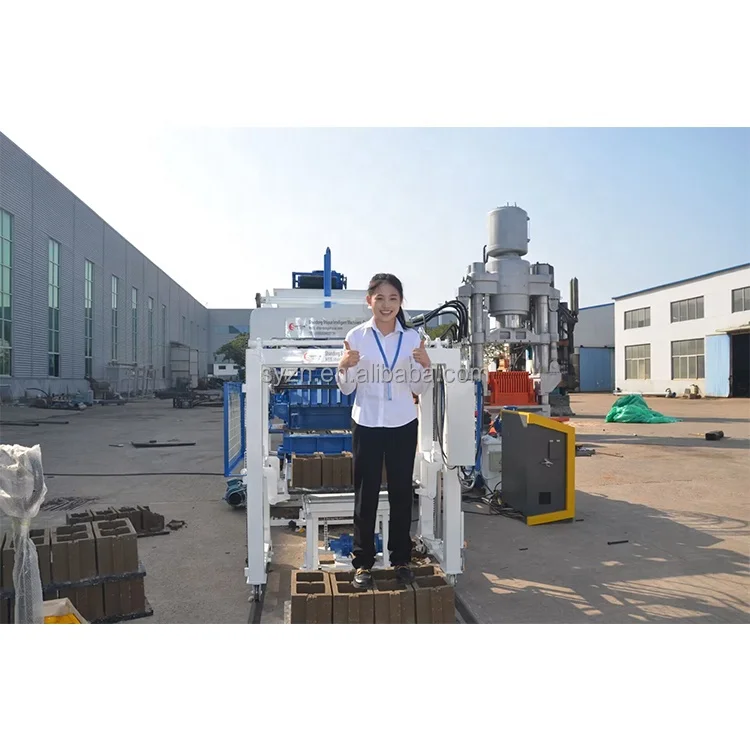
| Overall Dimensions | 3900×1600×2300 mm |
| Total Weight | 3T |
| Rated Power | 24KW |
| Vibration Force | 40-50KN |
| Vibration Type | Bed mould vertical vibration and upper mould compression vibration |
| Hydraulic System | Hydraulic station with high pressure |
| Molding Cycle | 15-25s (basis not stated in source — confirm block format / material / thickness) |
| Pallet Size | 850×550×25mm |
| Mixer Model | JQ350 |
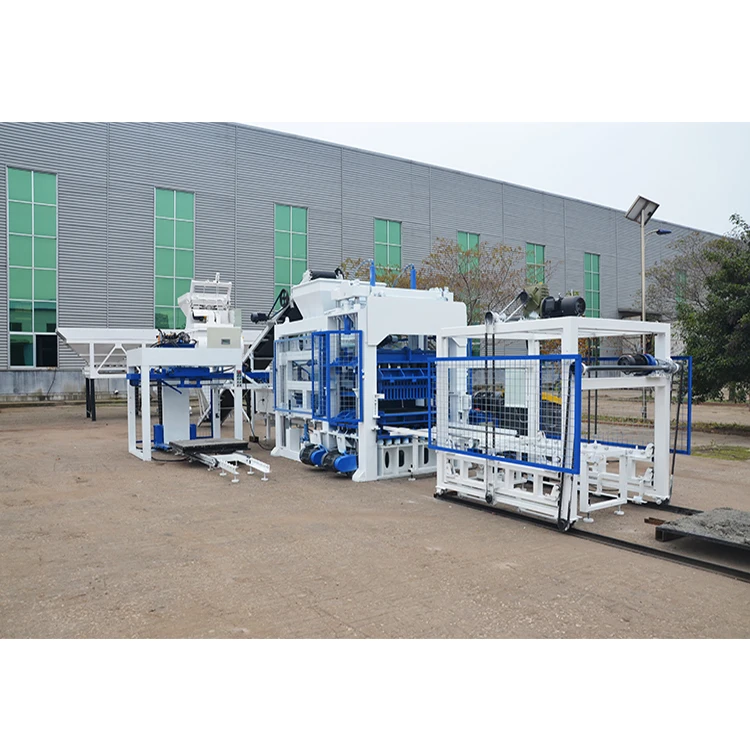
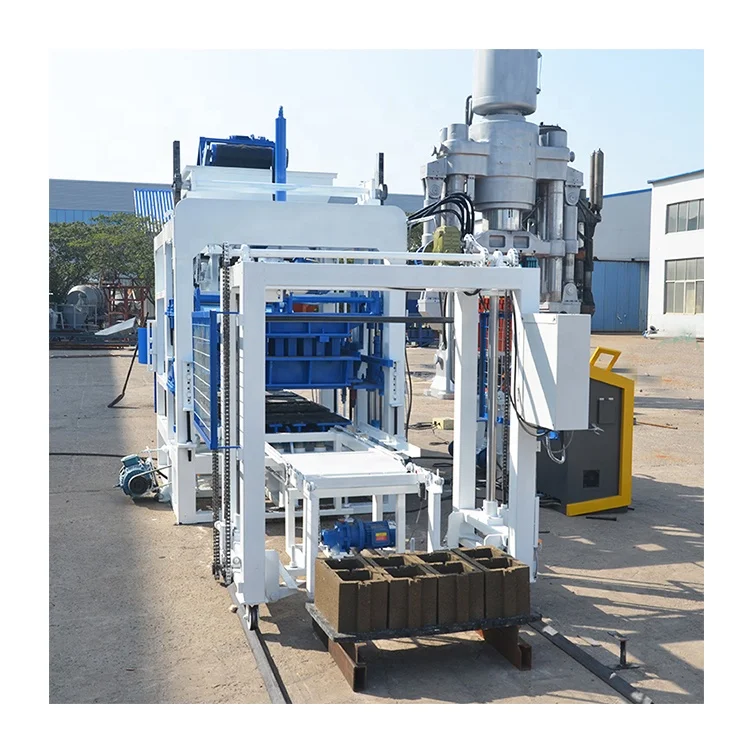
| Stacking Method | Automatic stacker included |
| Automation Level | Semi-automatic |
| Output Capacity | 1200-1680 pcs/h (based on 400×200×200mm hollow block, 15-20s cycle) |
| Output Capacity | 1800-2400 pcs/h (based on 400×150×200mm hollow block, 15-20s cycle) |
| Output Capacity | 3240 pcs/h (based on 240×115×53mm solid brick, 15-20s cycle) |
| Daily Output (8hr) | 9600-13440 pcs (based on 400×200×200mm hollow block) |
| Daily Output (8hr) | 14400-19200 pcs (based on 400×150×200mm hollow block) |
| Daily Output (8hr) | 16200-19440 pcs (based on 240×115×53mm solid brick) |
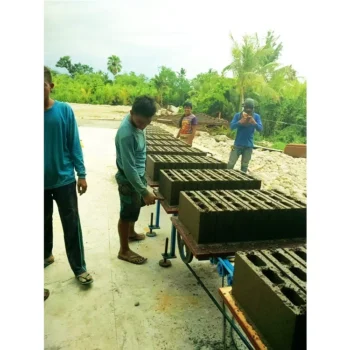
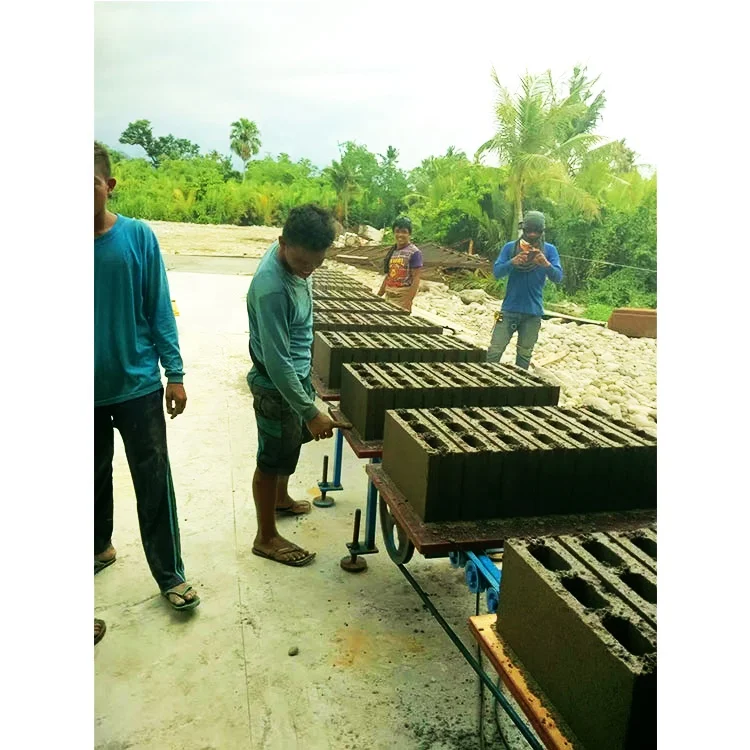
| Applied Products | paver, solid, hollow, curbstone |
| Raw Materials | crushed stones, sand, cement, dust, fly ash |
Application Suitability
| Application | Material or Output |
|---|---|
| Hollow block production | Crushed stone, sand, cement, and fly ash mixes for load-bearing and non-load-bearing walls |
| Solid brick production | Dense aggregate and cement blends for structural masonry |
| Paver manufacturing | Fine aggregate and cement blends for walkways and light-traffic surfaces |
| Curbstone forming | Coarse aggregate and cement for roadside and drainage edging |
| On-site block production | Local aggregate and cement for construction contractors with project deadlines |
Why the Voltage Question Should Come Before Dispatch
Every QT4-18 block machine in stock leaves the warehouse only after voltage, frequency, and PLC display language are confirmed against the buyer’s actual site conditions. I watched a fully loaded container sit idle in Botswana for two weeks last month because the local grid ran 400V/50Hz while the machine was wired for 380V by default. A transformer solved it eventually, but the contractor’s crew stood around waiting instead of producing. That kind of delay is entirely avoidable when the electrical checklist gets the same attention as the mould count [NEED_CITE: voltage and frequency standards by export market]. Buyers working to a project deadline cannot absorb two weeks of idle labor, especially when the fix takes a single conversation before the machine is bolted to the container floor.
Dispatch Timing You Can Put on a Gantt Chart
The value of a QT4-18 block machine in stock is not just that it exists in a warehouse — it is that the dispatch lead time is confirmed at the moment of inquiry. Standard models and common mould formats are held ready so that container booking and customs documentation move in parallel rather than waiting for a production slot to open. Buyers with a foundation already poured and a crew on payroll need an arrival estimate they can schedule around, not a hopeful range.
Container Loading Planned Before the Crate Closes
Loading a 3T machine into a container alongside its pallets, mixer, and stacker is a geometry problem as much as a logistics one. Each QT4-18 block machine in stock ships with a dismantling plan that specifies which assemblies come off for transit and how they bolt back on at the destination. The loading diagram accompanies the quotation so the buyer’s clearing agent and site foreman both know what arrives and in what sequence it comes out of the container.
Pallet and Stacker Specification Locked at Order
The 850×550×25mm pallet size on the QT4-18 is confirmed at order along with the material choice — bamboo, PVC, or steel — because the curing area layout and the forklift already on site dictate what works. An automatic stacker is included in the line so freshly pressed blocks do not pile up waiting for hand-stacking labor that may not be available. The semi-automatic configuration keeps operator count manageable while removing the most physically demanding step from the production floor [NEED_CITE: occupational safety considerations in manual block handling].
Reading the Numbers That Matter
The 40-50KN vibration force works together with the high-pressure hydraulic station to compact the mix from both the bed mould and the upper mould simultaneously. This dual-action vibration is what gives a hollow block its wall density and a paver its surface finish — the two forces must be matched to the buyer’s actual mix design and local aggregate gradation. The 24KW rated power covers the hydraulic pump, vibration motors, and mixer drive together, so the electrical supply must be sized for continuous draw at that level. Pallet dimensions of 850×550×25mm determine how many blocks press per cycle and how those blocks travel through curing; changing pallet size later means changing the entire handling chain downstream [NEED_CITE: relationship between pallet size and block output per cycle in hydraulic presses].
The Hidden Cost of Skipping Pre-Shipment Checks
When voltage and frequency are assumed rather than confirmed, the machine arrives and the commissioning electrician discovers a mismatch that no one budgeted for. When pallets are quoted without material specification, the buyer receives bamboo pallets that warp in a humid curing yard or steel pallets that the existing forklift cannot grip. When the container loading plan is left to the shipping agent rather than the factory, assemblies get stacked in an order that forces the site crew to unload the entire container before reaching the machine frame. Each of these oversights adds days to a schedule that was already tight [NEED_CITE: common causes of commissioning delays in imported industrial machinery].
What Buying From This Line Actually Gets You
Block machinery is our single focus, so the QT4-18 machine, mould, pallet, and stacker are specified as one matched system rather than assembled from separate suppliers. Every configuration is set against the buyer’s actual mix design and local aggregate, not pulled from a catalogue default. Stock availability is confirmed at inquiry with the specific mould formats listed in the dispatch schedule, eliminating the gap between quotation and reality. Voltage, frequency, and PLC display language are verified before the machine is crated, which is the single most common reason commissioning stalls after arrival. Packing photographs and full customs documentation support ship with every container so the buyer’s clearing agent has what they need before the vessel docks.
Documentation & Verification
- Factory test record running your target block format before the machine is crated
- Hydraulic and electrical schematic matching the as-built voltage and frequency configuration
- Pallet specification sheet confirming size, material, and quantity included in shipment
- Machine specification sheet listing all rated values and cycle times per confirmed block format
- Packing photographs documenting machine condition and loading arrangement inside the container
Installation, Commissioning & Support
- Foundation plan sized to the 3900×1600mm footprint and 3T operating weight of the QT4-18
- Dedicated electrical circuit matching the confirmed 24KW rated power and local voltage standard
- Dismantling and reassembly guide covering every component removed for container transit
- First-run commissioning with mix adjustment to local aggregate and target block density
- Operator training covering mould change procedure and daily hydraulic system inspection
- Wear parts list identifying hydraulic seals and vibration motor bearings with replacement intervals
What to Share With Your Inquiry
To match the right QT4-18 block machine in stock to your project, send the block format and dimensions you intend to produce, your target daily output, and the raw materials available locally. Include the site voltage and frequency along with the preferred PLC display language so the electrical and control configuration is locked before dispatch. If you have an existing curing yard or forklift, share the dimensions so the pallet specification aligns with your handling setup.
Frequently Asked Questions
Q: Is the QT4-18 currently in stock and what is the dispatch lead time?
A: Standard QT4-18 configurations with common mould formats are held in stock and can typically be dispatched within a short window after order confirmation. The exact lead time depends on the mould formats requested and any voltage or control customization needed. A dispatch date is confirmed at the quotation stage so you can plan container booking and site preparation in parallel.
Q: How many pallets are included and what material are they?
A: The pallet count and material — bamboo, PVC, or steel — are confirmed at order based on your curing area layout and handling equipment. Each QT4-18 ships with a pallet specification sheet detailing size, material, and quantity. Choosing the right pallet material upfront prevents warping in humid yards or compatibility issues with your existing forklift.
Q: Can the machine be loaded in a 20GP container with pallets?
A: The QT4-18, mixer, stacker, pallets, and moulds can be loaded into a standard container with a dismantling plan that specifies which assemblies come off for transit. A loading diagram is provided with the quotation so you know the exact arrangement before the container is sealed. Container type is confirmed based on the full scope of equipment ordered.
Q: What voltage and frequency options are available for my market?
A: Voltage and frequency are configured to match your site electrical supply and confirmed before the machine is crated. The QT4-18 has been shipped to markets running various standards across Africa, Southeast Asia, and South America. The PLC display language is also set to the operator’s preference so commissioning can begin immediately on arrival.
Q: What is the arrival estimate after shipment from China?
A: Arrival timing depends on the destination port and current shipping schedules, and an estimate is quoted upfront alongside the dispatch date. The quotation includes customs documentation support so your clearing agent can begin paperwork before the vessel arrives. Container tracking details are shared once the shipment is on the water.