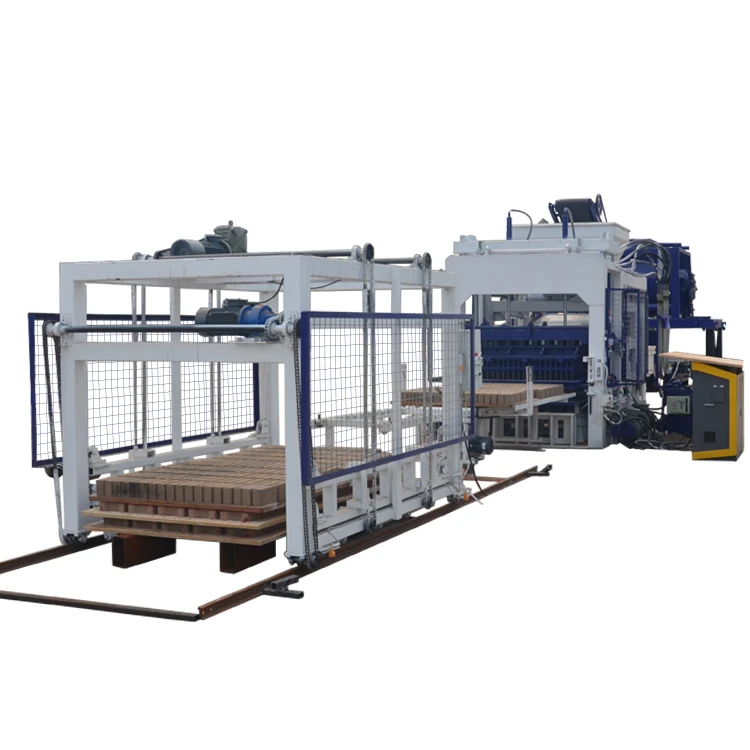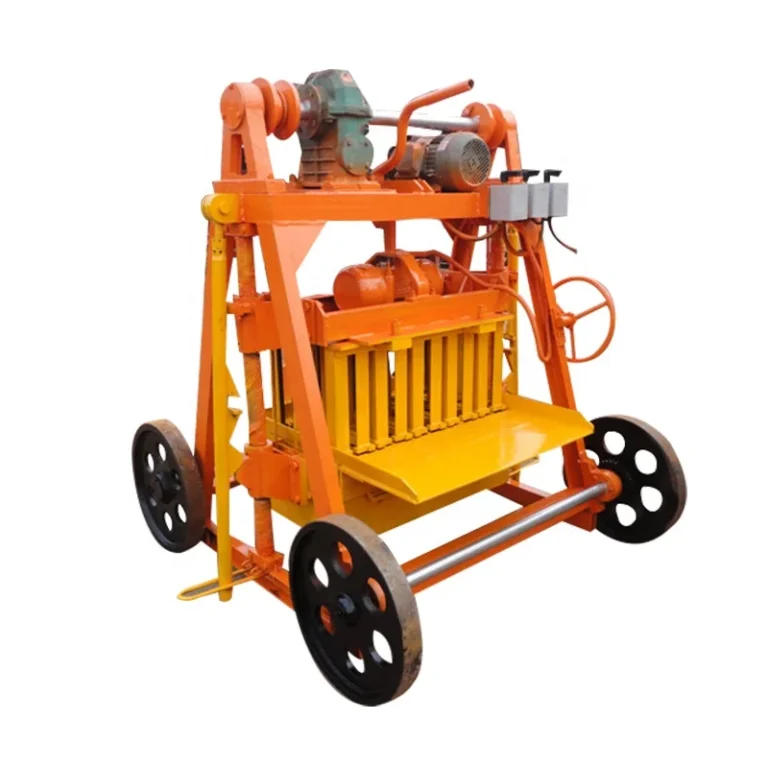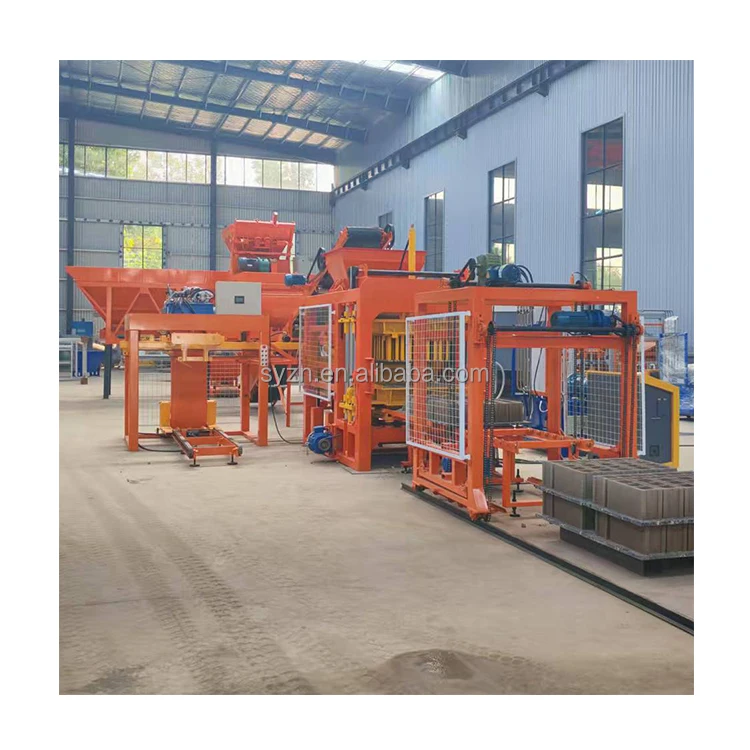


Description
Ready for Dispatch — stocked QT6-15 block machine in stock with container loading plan and arrival estimate confirmed before payment.
Technical Specifications
| Parameter | Value |
|---|---|
| Model | QT6-15 |
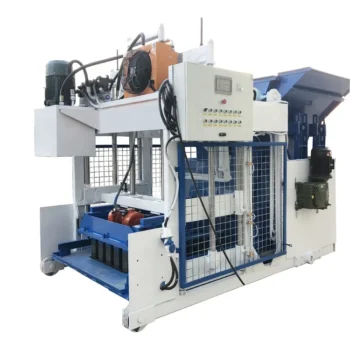
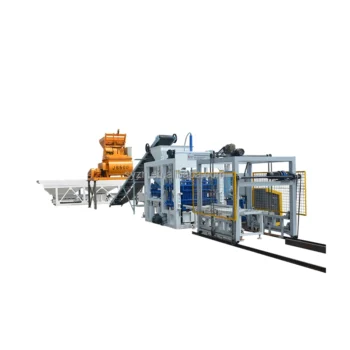
| Product Type | Automatic Concrete Block Making Machine |
| Overall Dimensions | 8200 × 1700 × 2950 mm |
| Total Mass | 7 T |
| Overall Power | 37 kW |
| Vibration Force | 45 kN |
| Vibration Frequency | 0–60 Hz |
| Vibration Form | Platform Vibration |
| Moulding Mode | Automatic loading, vibration moulding |
| Demolding Method | Hydraulic |
| Pallet Size | 880 × 850 mm |
| Molding Cycle | 15–20 s (basis not stated in source — confirm block format / material / thickness) |
| Control System | PLC with touch screen interface and fault diagnosis |
| Hydraulic System | Independent integrated hydraulic station |
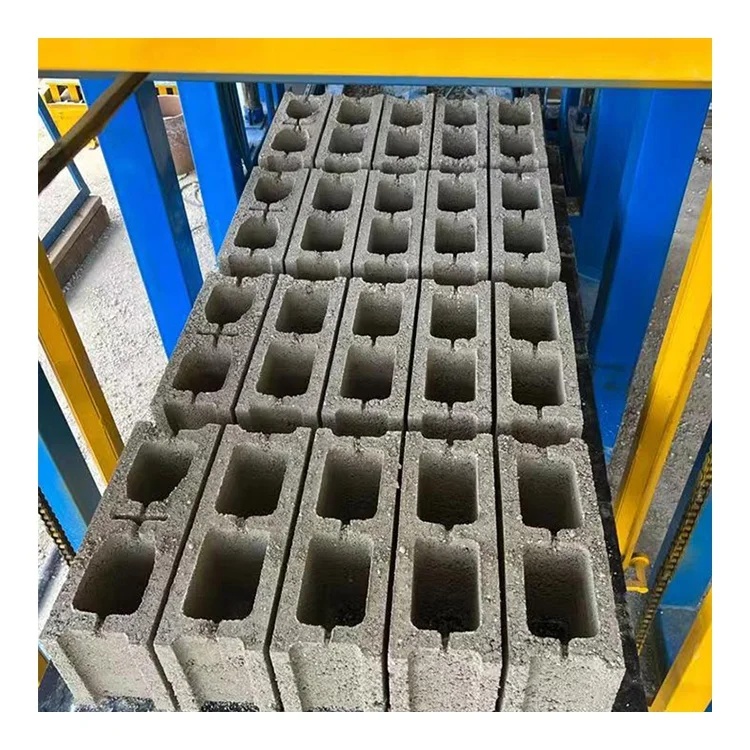
| Output (Hollow block 400×200×200 mm) | 8640–11520 pcs / 8 hr (basis: 15–20 s cycle) |
| Output (Hollow block 400×150×200 mm) | 11520–15360 pcs / 8 hr (basis: 15–20 s cycle) |
| Output (Solid brick 240×115×53 mm) | 46080–61440 pcs / 8 hr (basis: 15–20 s cycle) |
| Output (Rectangular paver 200×100×60 mm) | 17280–23040 pcs / 8 hr (basis: 20–25 s cycle) |
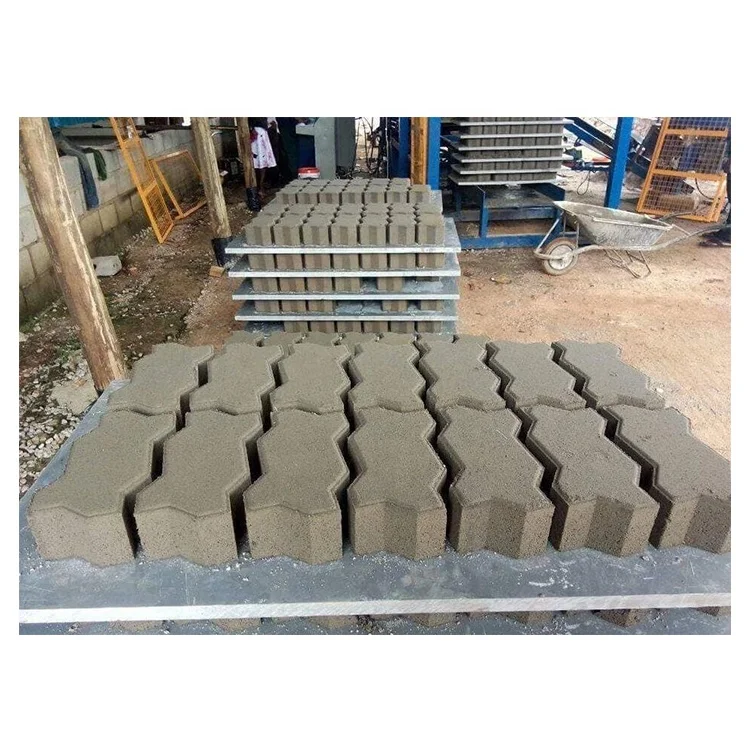
| Output (Zigzag paver 225×112.5×60 mm) | 17280–23040 pcs / 8 hr (basis: 20–25 s cycle) |
| Compressive Strength of Blocks | More than 15 MPa |
| Recommended Factory Area | 1200 m² |
| Voltage & Frequency | Configurable (confirm local supply before dispatch) |
| Warranty | 1 year for whole machine (excluding spare parts) |
Application Suitability
| Application | Material or Output |
|---|---|
| Hollow block production | Crushed stone, sand, cement, waste ash, slag aggregates |
| Solid brick production | Fine aggregate and cement mixes for load-bearing and infill brick |
| Rectangular paving block | Dense aggregate blends for pedestrian and light-traffic surfaces |
| Zigzag interlocking paver | High-strength mixes for driveways and heavy-duty paving layouts |
| On-site contractor production | Locally sourced aggregates adapted to available cement dosage |
| Multi-cellular and porous brick | Lightweight aggregate and permeable mix designs |
Why the Voltage Question Must Come Before the Price
Lock the voltage, frequency, and PLC language before the machine leaves the factory — not after it sits idle at your site.
A project-deadline buyer cannot afford three weeks of downtime while a control cabinet travels back to the workshop for rewinding. I have seen a QT6-15 block machine in stock ship to a Peruvian site only to discover the local supply was 440 V / 60 Hz, which did not match the factory default. The motor and PLC had to be returned, the construction milestone slipped, and the crew stood by while the electrical system was reconfigured [NEED_CITE: voltage and frequency standards by export market].
Dispatch Timeline and Arrival Certainty
The QT6-15 block machine in stock is allocated from a pre-built inventory pool, so the dispatch lead time is measured in days rather than production weeks. Once the voltage and control language are confirmed, the container loading plan is locked and the machine is dismantled to its shipment configuration. Buyers receive packing photographs and the bill of lading draft before the vessel sails, which removes guesswork from the arrival estimate.
Container Loading and Port-to-Site Handoff
A machine of this mass and footprint requires careful load planning inside the container to prevent transit damage to the hydraulic station and PLC cabinet. The QT6-15 block machine in stock is broken down into its main frame, hydraulic unit, control panel, and pallet feeder for loading. Customs documentation support is provided so that clearance at the port of destination does not become a second bottleneck [NEED_CITE: CE machinery directive requirements for industrial equipment].
How Vibration Force and Hydraulic Pressure Shape Block Density
The 45 kN platform vibration works together with hydraulic demolding to compact the mix uniformly across the 880 × 850 mm pallet area. When vibration frequency is set between 0 and 60 Hz through the PLC, the operator can match the energy input to the aggregate grading — finer materials need higher frequency and shorter cycle, while coarser crushed stone benefits from sustained vibration at lower frequency. The independent integrated hydraulic station sits apart from the main vibration zone, which keeps seals and valves free from the dust and shock that shorten component life in directly coupled systems. This separation is one reason the compressive strength of finished blocks consistently exceeds 15 MPa across hollow, solid, and paver formats.
The Real Cost of Overlooking Pallet and Curing Logistics
Choosing the 880 × 850 mm pallet without checking the curing rack spacing and the forklift already in the yard leads to double-handling from day one. If the curing area was designed for a different pallet dimension, every rack must be modified or replaced before the first block is produced. Equally, specifying the machine without the supporting pallet feeder and stacker leaves the output end of the line dependent on manual labour, which caps daily throughput regardless of how fast the press cycles [NEED_CITE: typical pallet handling bottlenecks in small block plants].
Why Sourcing This Machine Here Reduces Arrival Risk
Block machinery is the single focus of the production line, so the QT6-15, its moulds, pallets, and handling equipment are specified as one matched system. Stock allocation is confirmed before payment, and the container loading plan is shared with photographs so buyers can verify dismantling state. Voltage, frequency, and PLC display language are locked during the order process, preventing the rework that delays commissioning. Standard moulds for hollow block, solid brick, and paver formats can ship in the same consignment, which eliminates a second freight booking. Customs documentation is prepared alongside the packing list to smooth port clearance at destination.
Documentation & Verification
- Factory test record on your target block format before dispatch
- Machine specification sheet with confirmed voltage and frequency
- Mould drawing and format list for every block type ordered
- Hydraulic and electrical schematic matching the shipped configuration
- Packing photographs showing dismantling state prior to container loading
- CE declaration provided where applicable to the destination market
Installation, Commissioning & Support
- Foundation plan matched to the 8200 × 1700 × 2950 mm overall footprint
- Dedicated 37 kW power circuit with confirmed voltage and phase sequence
- Hydraulic station reconnection and pressure calibration on first power-up
- PLC language and touch screen parameters set to operator preference
- Operator training covering mould change, cycle adjustment, and fault diagnosis
- Wear parts and mould list with reorder references for the first replacement cycle
What to Prepare Before Requesting a Quote
Share the target block formats, the daily output you need on site, and the local aggregate you can source reliably. Confirm the factory voltage and frequency, the PLC language your operators read, and the pallet dimensions that fit your existing curing racks. If you are working to a construction milestone, state the latest acceptable arrival date so that the QT6-15 block machine in stock can be allocated against your timeline.
Frequently Asked Questions
Q: Is the QT6-15 currently in stock and what is the dispatch lead time?
A: The QT6-15 block machine in stock is allocated from a pre-built pool once voltage, frequency, and PLC language are confirmed. Dispatch lead time is quoted in calendar days from that confirmation, not from the start of a production run, so buyers working to a project deadline can plan around a known ship date.
Q: How many containers does the QT6-15 require and how is it loaded?
A: The machine is dismantled into its main frame, hydraulic station, control cabinet, and pallet feeder for container loading. A detailed load plan and packing photographs are provided before the container is sealed, so the buyer can verify that every component is accounted for and secured against transit movement.
Q: What is the estimated arrival time from order to port of destination?
A: Arrival estimate is calculated from the confirmed dispatch date plus the sailing duration to your port. The estimate is stated upfront so that site preparation, curing rack installation, and raw material procurement can be scheduled around a known delivery window.
Q: Can standard moulds ship together with the machine?
A: Standard moulds for hollow block, solid brick, rectangular paver, and zigzag paver formats can be included in the same container as the QT6-15. This avoids a second freight consignment and ensures that production can start immediately after commissioning without waiting for follow-on shipments.
Q: What voltage and frequency configurations are available from stock?
A: The QT6-15 block machine in stock can be configured for the voltage and frequency of your local supply, but the exact combination must be locked before dispatch. This prevents the situation where motors and control cabinets arrive mismatched to the site electrical infrastructure and require costly rework.