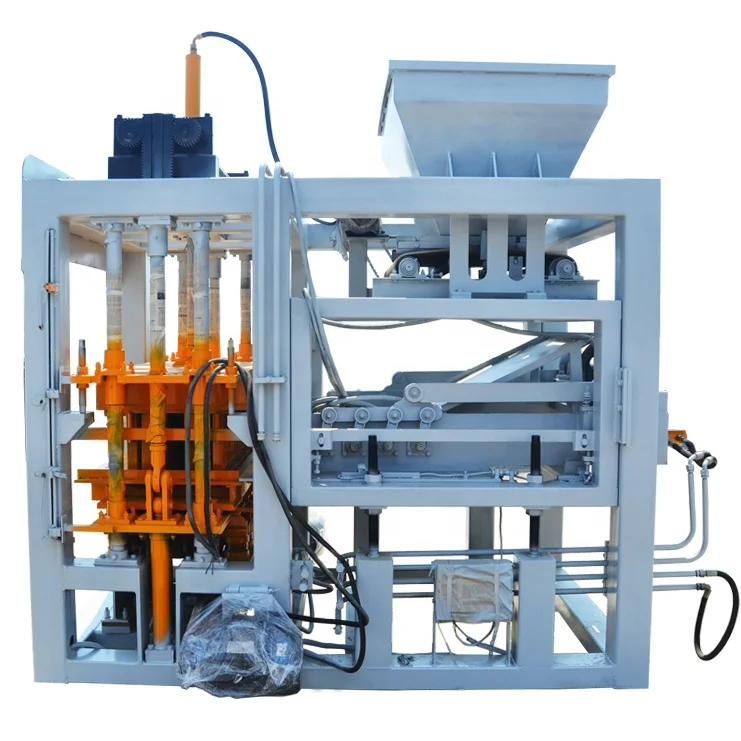
Description
Ready when your deadline is — the QT4-15 block machine in stock ships with arrival estimates quoted before you pay, not after the container sails.
Technical Specifications
| Parameter | Value |
|---|---|
| Model | QT4-15 |
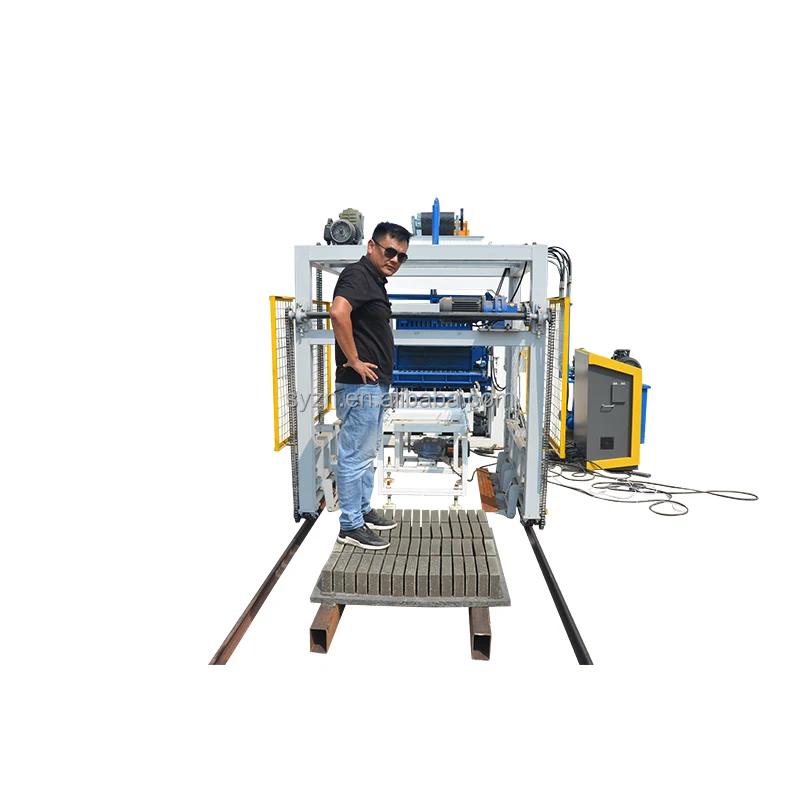
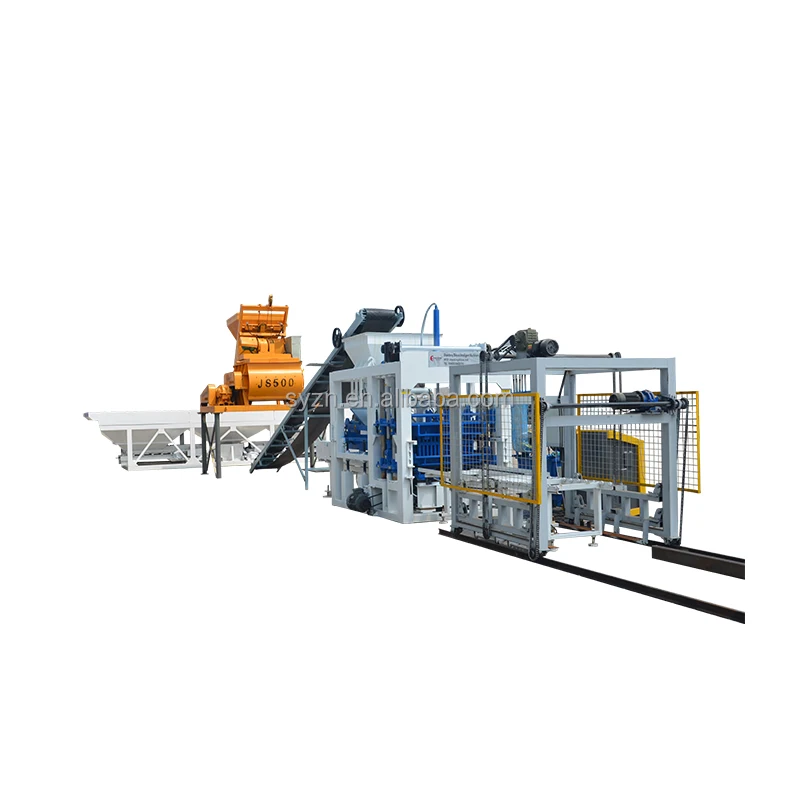
| Product Type | Automatic Concrete Block Making Machine |
| Vibration Mode | Multiaxis synchronizer vibration, vertically downward |
| Hydraulic System | High thermal efficiency, low heat generation |
| Control System | Computer controlled, fully automatic (PLC) |
| Guide Bearing | Long-period over-length guide bearing for upper mould and mould box alignment |
| Mixer System | Multiaxis forced mixer |
| Rack Construction | High strength steel with special welding technique, vibration shock resistant |
| Cycle Time | 15–20 seconds |
| Output Capacity (400×200×200mm hollow block) | 4 pcs/mould, 9,00–1,200 pcs/hour, 7,200–9,600 pcs/8hr |
| Output Capacity (400×150×200mm block) | 5 pcs/mould, 1,080–1,440 pcs/hour, 8,640–11,520 pcs/8hr |
| Output Capacity (400×100×200mm block) | 8 pcs/mould, 1,440–1,920 pcs/hour, 11,520–15,360 pcs/8hr |
| Output Capacity (200×100×60mm paving block) | 16 pcs/mould, 2,880–3,840 pcs/hour, 23,040–30,720 pcs/8hr |
| Output Capacity (240×115×53mm standard brick) | 28 pcs/mould, 5,930–6,720 pcs/hour, 47,400–53,700 pcs/8hr |
| Automation Level | Fully automatic |
| Warranty | 1 year (excluding spare parts) |
| Rated Power | Confirm with manufacturer |
| Voltage & Frequency | Confirm before order |
| Overall Dimensions (L×W×H) | Confirm with manufacturer |
| Net Weight | Confirm with manufacturer |
| Pallet Size | Confirm with manufacturer |
| Hydraulic Pressure | Confirm with manufacturer |
| Vibration Force | Confirm with manufacturer |
| Mould Change Time | Confirm with manufacturer |
Application Suitability
| Application | Material or Output |
|---|---|
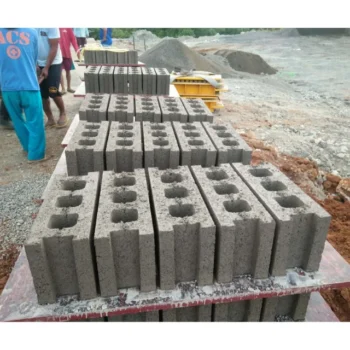
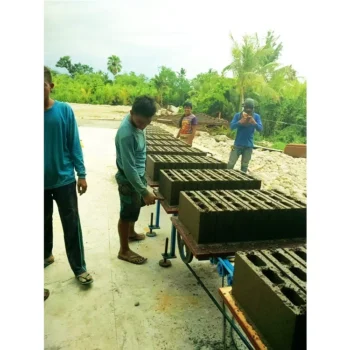
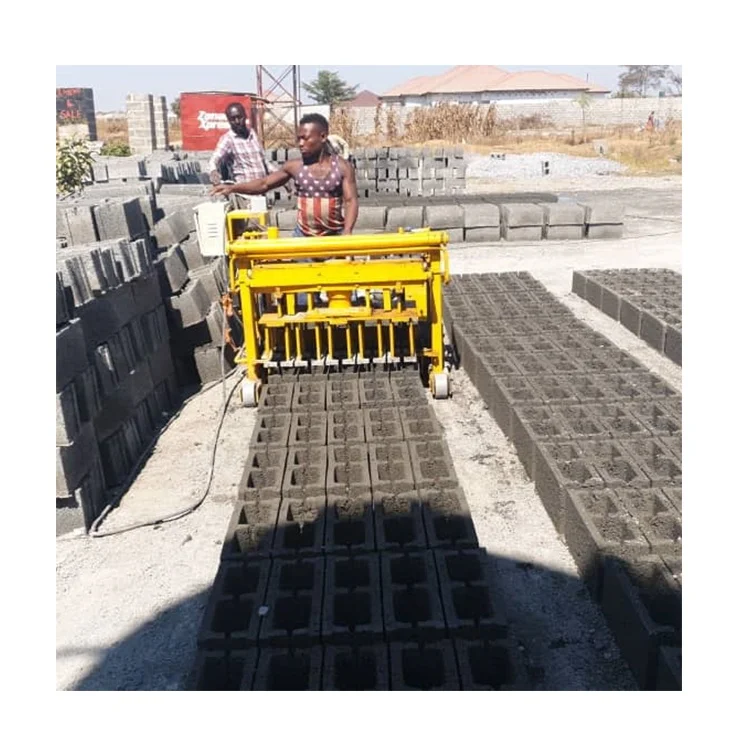
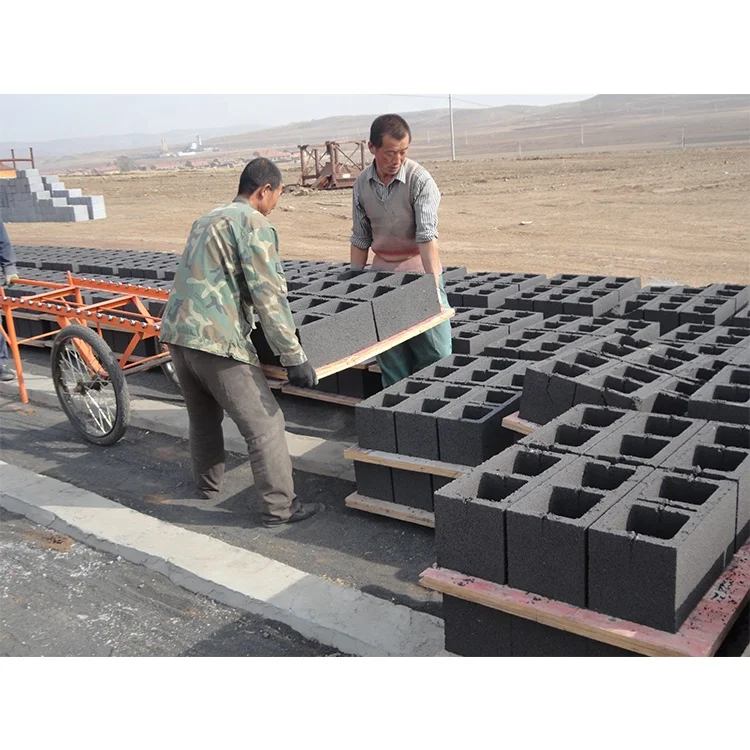
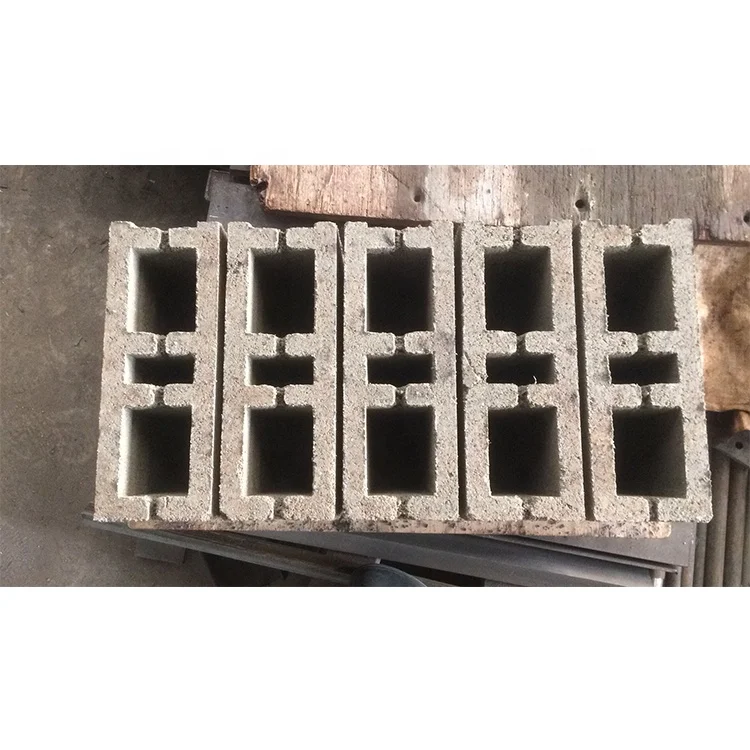
| Hollow block production | Crushed stone, sand, cement, fly ash mixes in 400×200×200mm and 400×150×200mm formats |
| Solid and multicellular brick production | Local aggregate and cement blends, 400×100×200mm format |
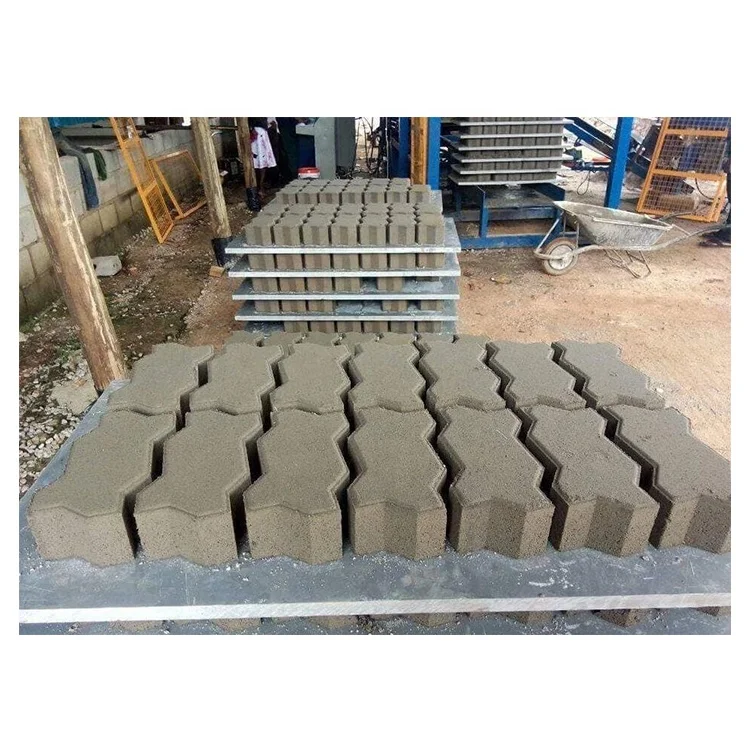
| Paving block production | Fine aggregate and cement for 200×100×60mm interlocking pavers |
| Standard brick production | Sand, stone dust and cement in 240×115×53mm format |
| Construction contractor on-site supply | Rapid block output for housing and infrastructure projects on tight schedules |
| First block plant setup | Fully automatic operation for entrepreneurs entering block manufacturing |
What the Dispatch Clock Actually Means for Your Site
A machine only helps a deadline if it clears customs and reaches your yard on time. With a QT4-15 block machine in stock, dispatch timing and container loading plans are confirmed before payment, so your project schedule stays intact.
Too often a buyer places an order based on a catalogue lead time, then discovers weeks later that the voltage was wrong or the PLC language is unreadable for the local operator. The machine sits in a container while the site waits. [NEED_CITE: common commissioning delays from unconfirmed voltage and control language]. When the QT4-15 block machine in stock leaves the floor, electrical specifications, control language, and dismantling sequence for loading are documented and agreed in advance.
Stocked Models and What Ships with Them
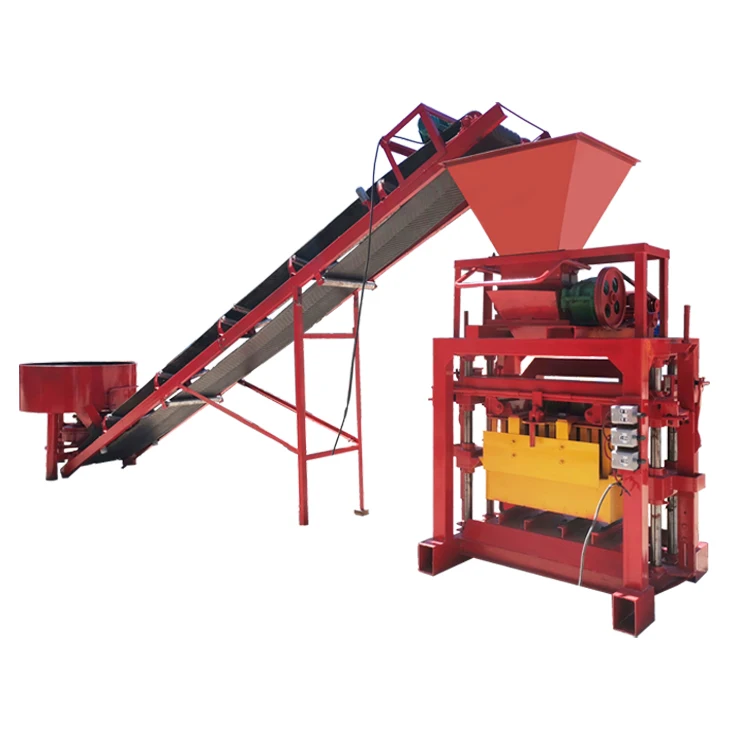
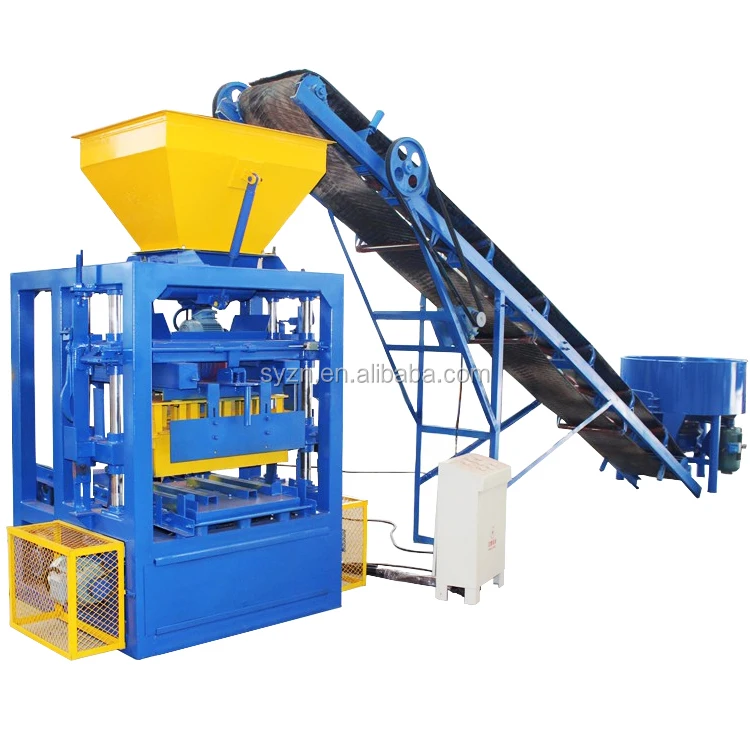
Not every configuration sits on the floor waiting for a buyer. The QT4-15 block machine in stock refers to standard models built with the multiaxis synchronizer vibration system and PLC-controlled automatic cycle, paired with commonly ordered mould formats like 400×200×200mm hollow blocks and 200×100×60mm paving blocks. Custom mould designs and non-standard automation add-ons are built to order and carry a different lead time.
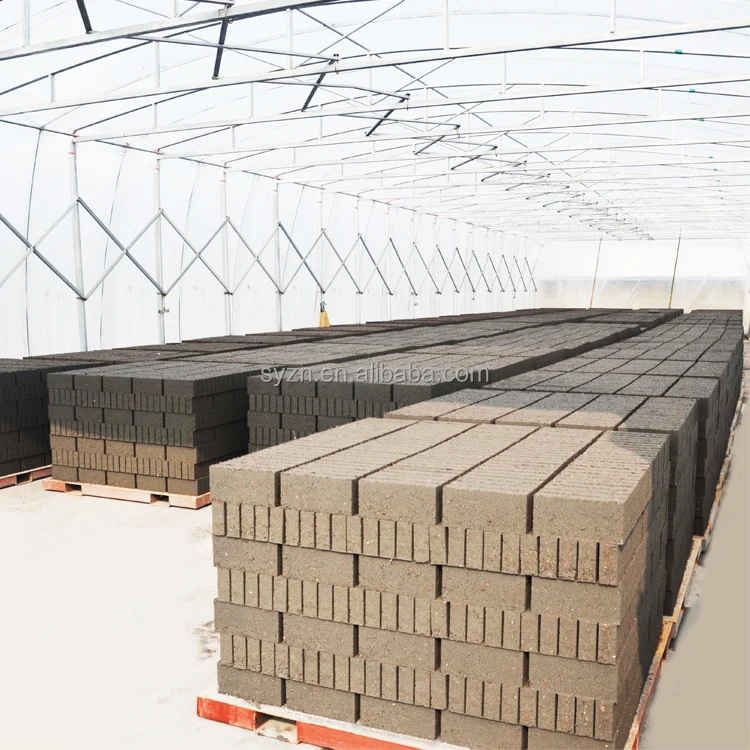
When you confirm a stocked unit, the machine, its mould, and the matching pallet specification are allocated together. This avoids the situation where a press arrives but the pallet size does not match the curing racks the buyer already has on site.
Container Loading and Dismantling for Transit
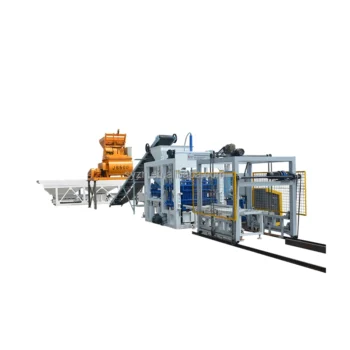
A fully automatic block machine of this class does not ship assembled. The rack, hydraulic unit, mixer, and control cabinet are dismantled and loaded into standard containers with a documented loading sequence. The QT4-15 block machine in stock is packed so that reassembly on site follows a clear order: rack first, then hydraulic and vibration assemblies, then the mixer and material feed, and finally the PLC cabinet and wiring. [NEED_CITE: container loading standards for heavy industrial machinery].
Packing photographs are taken before the container doors close. These images serve as a condition record and help the receiving team verify that every crate matches the packing list when the container is opened at destination.
Reading the Capacity Table Against Your Block Format
The output figures in the specification table are tied to specific block dimensions. A 400×200×200mm hollow block yields 4 pieces per mould cycle, while a 240×115×53mm standard brick yields 28 pieces per cycle at the same 15–20 second cycle time. This difference is purely geometry, not a change in machine speed.
The multiaxis synchronizer vibration delivers force vertically downward, which matters when the buyer’s local aggregate contains clay or fine silt. Insufficient vibration force leaves blocks crumbly at the edges; excessive force with a dry mix cracks them before curing starts. The hydraulic pressure and vibration settings should be adjusted against the buyer’s actual mix design, not left at a factory default. The multiaxis forced mixer system handles a range of material properties, but the mix must still be tested before full production begins. Pallet size is another variable that connects directly to the curing area layout and the forklift capacity the buyer already operates.
What Happens When Dispatch Details Are Skipped
A machine built for 380V/50Hz arrives in a market running 440V/60Hz, and the hydraulic pump burns out during the first week. A PLC display in a language the operator cannot read means every alarm code requires a phone call overseas. The pallet size specified for the machine does not fit the curing racks already built, so blocks are stacked by hand on the floor, cutting actual daily output far below the capacity table. [NEED_CITE: pallet and curing area mismatch impact on block plant throughput].
These are not rare edge cases. They are the routine outcome of orders placed without a dispatch checklist that covers electrical, language, pallet, and mould details before the machine leaves the assembly floor.
Why Buyers Source This Machine Here
Block machinery is the single focus of this operation, which means the QT4-15 press, its moulds, pallets, and handling equipment are specified as one matched set rather than assembled from unrelated suppliers. Stocked models are allocated with mould and pallet together, so the line arrives complete.
Dispatch lead times are quoted with container loading plans included, not estimated from a generic production schedule. Voltage, frequency, and PLC language are confirmed in writing before shipment, reducing the chance of commissioning delays on arrival. The factory test record documents the machine running with the buyer’s specified mould format, giving a baseline before the container is sealed. Installation support covers reassembly from the dismantled shipping state, and operator training addresses the PLC interface in the confirmed language.
Documentation & Verification
- Factory test record running the buyer’s confirmed mould format before container loading
- Voltage, frequency, and PLC display language confirmation sheet signed before dispatch
- Packing photographs documenting machine condition and crate count at container closing
- Hydraulic and electrical schematic matching the as-shipped configuration
- Operation and maintenance manual in the confirmed control language
- Customs documentation support including packing list and commercial invoice aligned to destination requirements
Installation, Commissioning & Support
- Foundation pad must support the QT4-15 high-strength steel rack weight plus dynamic vibration load
- Dedicated power circuit sized to the confirmed rated power at the agreed voltage and frequency
- Rack, hydraulic unit, mixer, and PLC cabinet reassembled in documented sequence from dismantled shipping state
- First production run uses the buyer’s local aggregate to calibrate vibration force and hydraulic pressure
- Operator training covers PLC interface, alarm codes, and mould change procedure in the confirmed language
- Wear parts list and mould maintenance schedule provided for the first replacement cycle
What to Include in Your Inquiry
Provide the block formats your market actually sells, along with the daily output target for each format. Include your local aggregate type and any known characteristics like clay content or moisture range. State the voltage and frequency at your site, and the preferred PLC display language for your operators.
If you have existing curing racks or forklifts, share the pallet dimensions they accommodate. This lets the dispatch team match the QT4-15 block machine in stock to your site conditions before confirming shipment timing.
Frequently Asked Questions
Q: Which QT4-15 models and moulds are currently in stock?
A: Standard models with the multiaxis synchronizer vibration system and PLC automatic control are available with commonly ordered mould formats, including 400×200×200mm hollow blocks and 200×100×60mm paving blocks. Custom mould designs require a build-to-order lead time. Confirm current stock status at inquiry so allocation matches your required format.
Q: What is the dispatch lead time and estimated arrival date?
A: Stocked QT4-15 units have a shorter lead time than build-to-order configurations because the machine, mould, and pallets are already assembled and tested. An estimated arrival date is calculated from the confirmed dispatch date, container booking availability, and the destination port. Both dates are communicated in writing before payment is finalized.
Q: How is the machine dismantled and loaded into containers?
A: The QT4-15 rack, hydraulic unit, mixer, and PLC cabinet are dismantled and loaded into standard shipping containers following a documented sequence that mirrors the reassembly order on site. Packing photographs are taken before the container doors close, providing a condition record for the receiving team at destination.
Q: Are voltage, frequency, and control language confirmed before dispatch?
A: Yes. Electrical specifications and PLC display language are confirmed in writing during the order process and verified again during the factory test. This prevents commissioning delays caused by incorrect voltage supply or an unreadable control interface when the machine arrives at the buyer’s site.
Q: What customs documentation support is provided?
A: The shipment includes a packing list, commercial invoice, and any applicable declarations aligned to the destination country’s import requirements. Factory test records and machine specification sheets are also available to support customs clearance. Specific documentation needs should be stated at the inquiry stage.