
Description
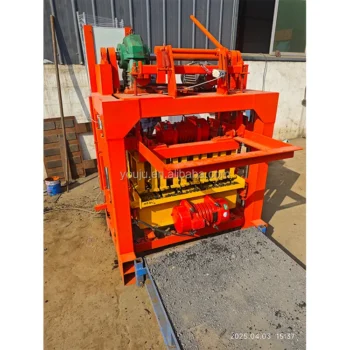
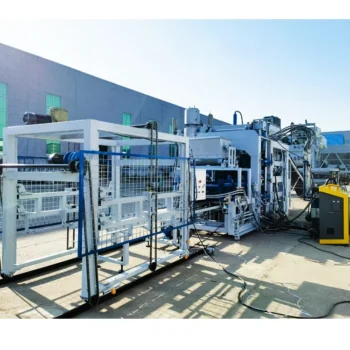
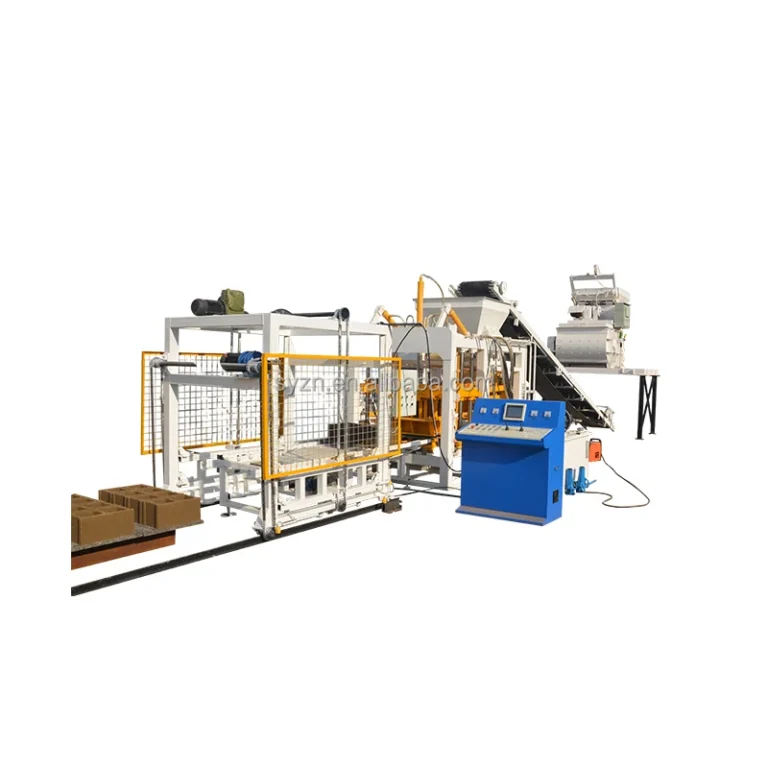
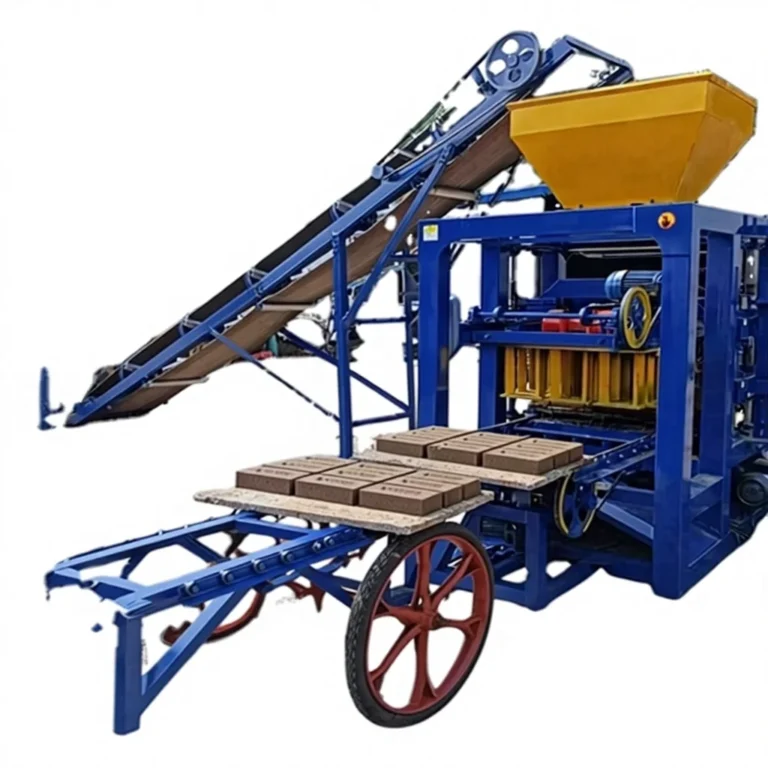
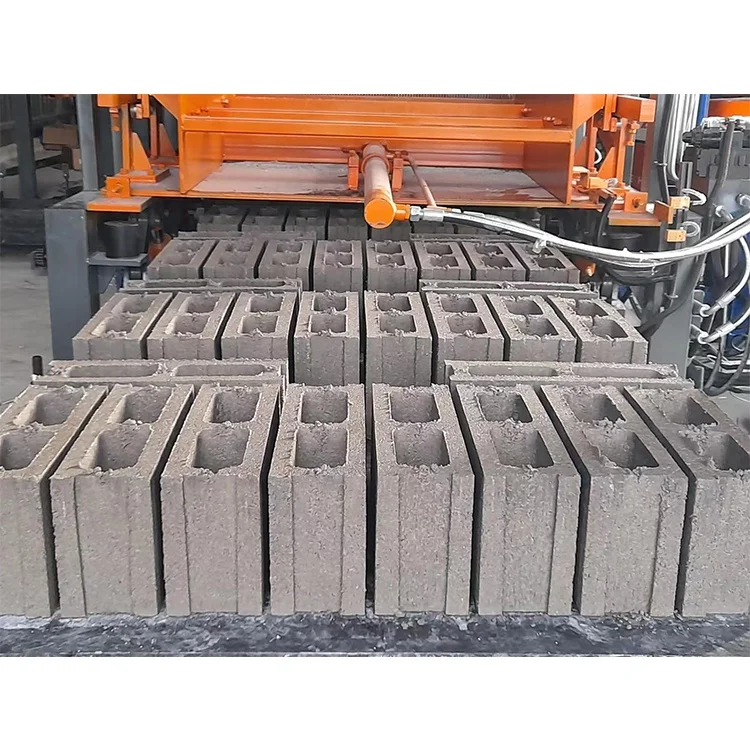
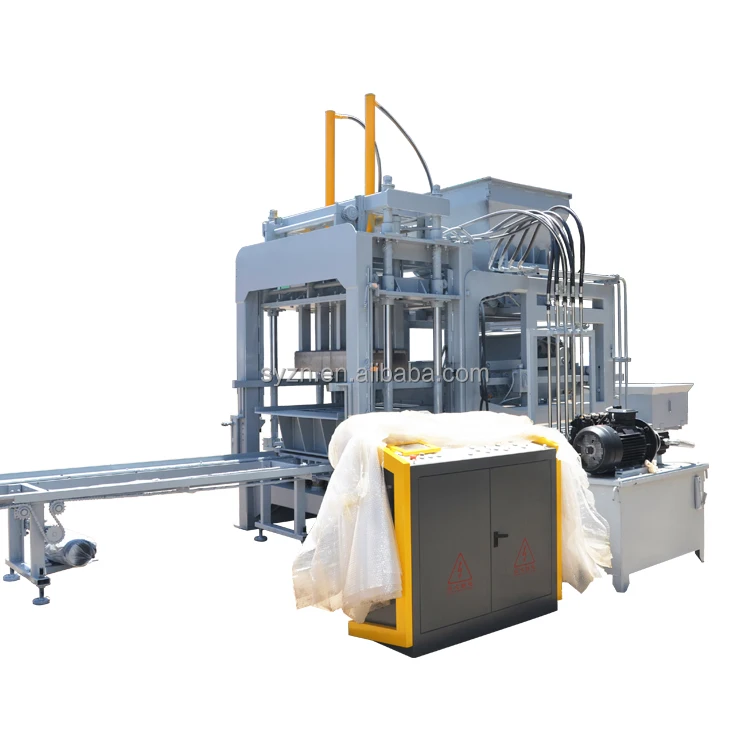
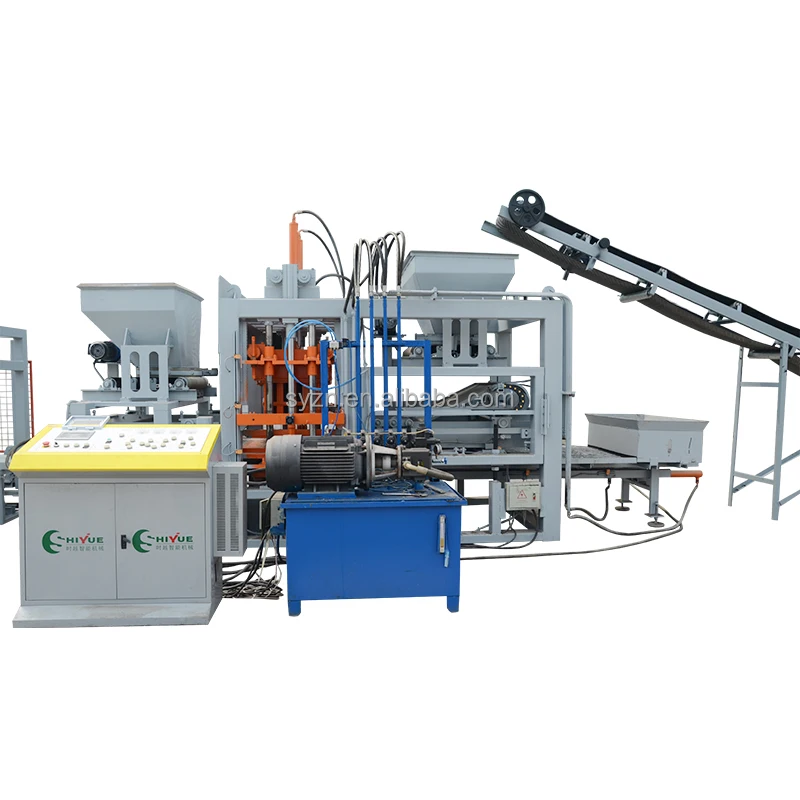
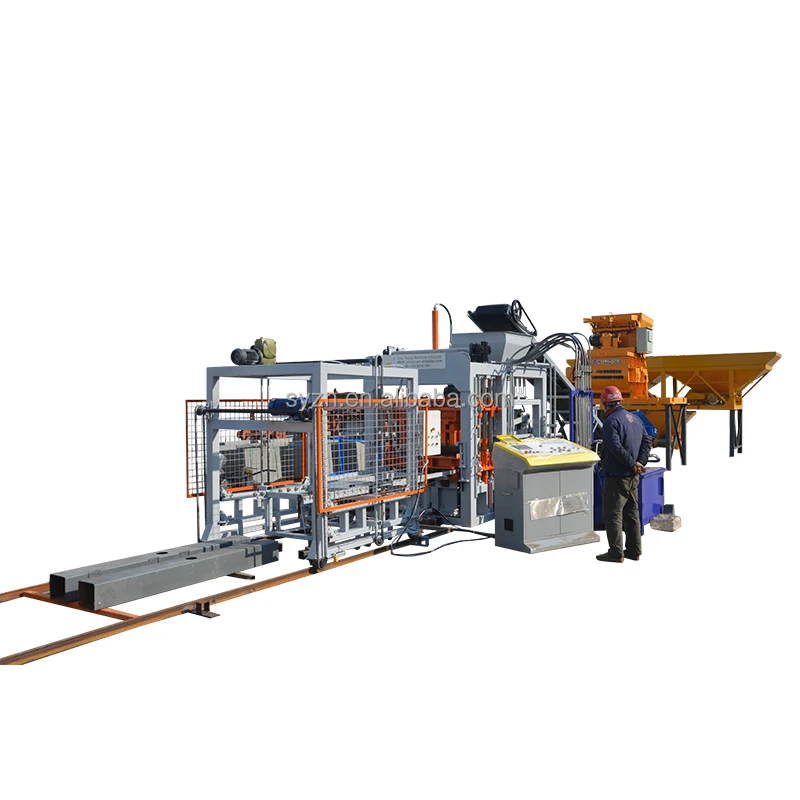
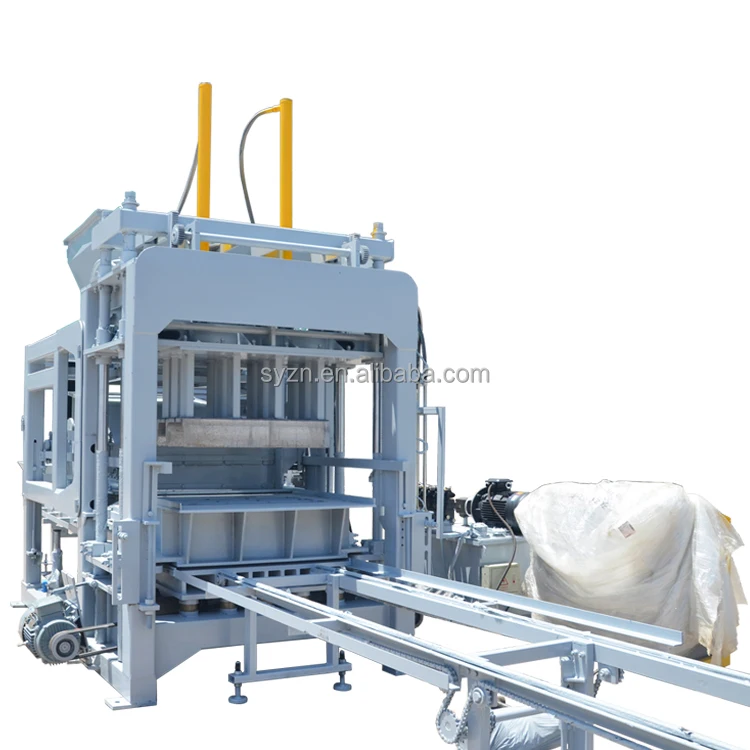
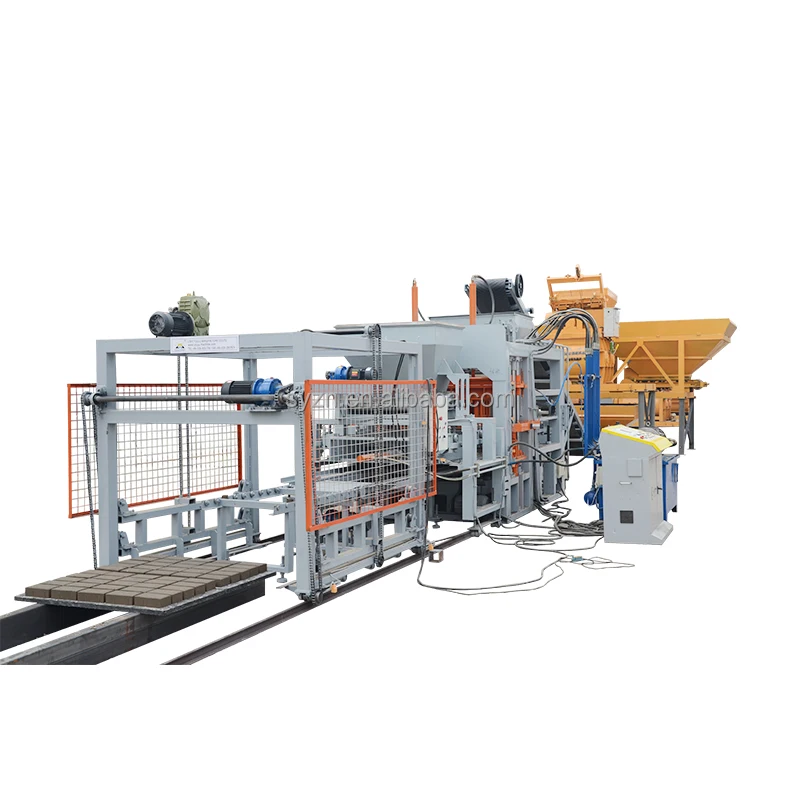
Stocked configuration — QT7-15 block machine lines with batching, mixing, and stacking are held ready for dispatch, so project timelines stay on track from inquiry to container loading.
Technical Specifications
| Parameter | Value |
|---|---|
| Model | QT7-15 |
| Product Type | Automatic Hydraulic Block Making Machine |
| Host Machine Dimensions | 3200 × 2300 × 2750 mm |
| Host Machine Weight | 6 Tons |
| Molding Area | 1150 × 700 mm |
| Pallet Size | 1150 × 700 × 25 mm |
| Host Machine Power | 45 kW |
| Vibration Force | 100 kN |
| Vibration Method | Hydraulic + Platform Vibration |
| Vibration Frequency | 2800–4500 Times/Minute |
| Molding Period | 15 Seconds (basis not stated in source — confirm block format / material / thickness) |
| Control System | Siemens PLC with independently developed control program |
| Motor Brand | Germany SIEMENS or CE standard brand |
| Travel Switch | France Schneider / Japan Omron |
| Voltage | 220 / 380 / 415 / 440V (Customized) |
| Mould Heat Treatment | Carburizing treatment, hardness 54–58 HRC, lifespan over 100,000 cycles |
| Welding | Carbon dioxide protection welding, CE standard materials |
| Automation Level | Automatic (pallet feeder, brick receiver, hydraulic station included) |
| Batching Machine | PLD1200, hopper capacity 1200L, theoretical productivity 56 m³/h, ingredient precision ±2% |
| Concrete Mixer | JS500, charging volume 800L, discharging volume 500L, mixing motor 18.5 kW, max aggregate size 60 mm |
| Stacker | SY-4, power 3 kW, mobile pallet stack |
| Workshop Area | 200 m² |
Application Suitability
| Application | Material or Output |
|---|---|
| Hollow block production | Crushed stone, sand, cement, fly ash blends |
| Solid block production | Dense aggregate mixes with standard cement ratios |
| Paving block production | Fine aggregate with high cement content for surface durability |
| Interlocking brick production | Graded stone dust and cement for dry-stack compatibility |
| Color paver production | Base mix plus color feeding system for surface pigmentation |
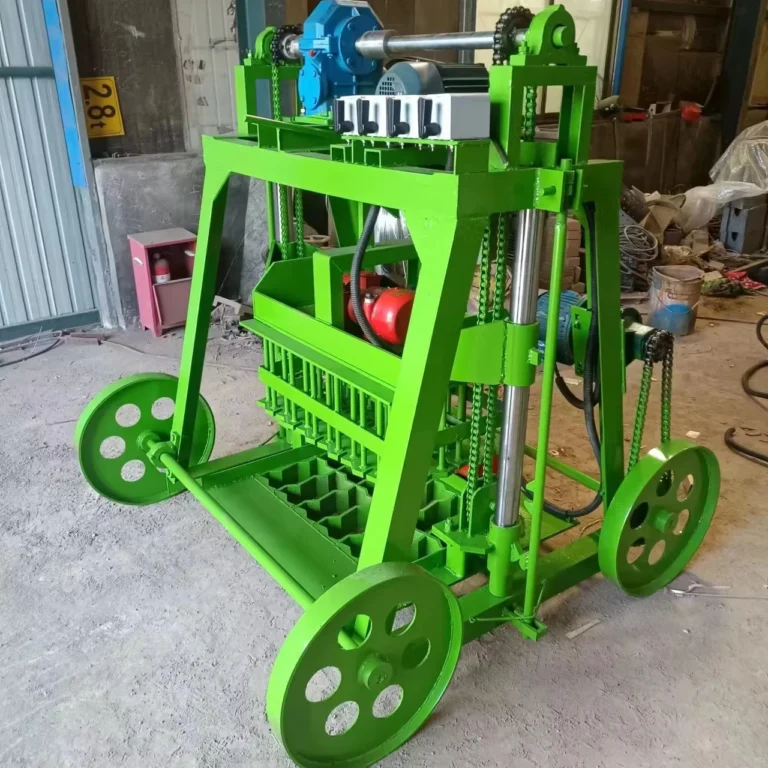
| On-site contractor block making | Locally sourced sand and gravel with portable batching setup |
Why "Ready to Ship" Matters More Than You Think
Buyers chasing a project deadline often discover that the quoted lead time only covers manufacturing, not the weeks lost waiting for voltage matching, PLC language configuration, or customs documentation preparation. Confirming a stocked QT7-15 block machine in stock with fast delivery means the machine has already been assembled, tested, and can be configured for your destination before it enters the container.
The gap between "production complete" and "loaded in container" is where schedules quietly collapse. A machine built against a generic spec sheet may need rewiring for a 415V market, relabeling for local compliance, or a full control panel swap to display in the operator’s language. Each of these tasks adds days that were never part of the original timeline [NEED_CITE: typical delays from unconfirmed electrical specifications in export machinery].
When you are working against a construction milestone or a distributor stocking commitment, those hidden days become the difference between starting production on time and explaining another delay to your project manager.
What Stocked Really Means for Your Project
A stocked QT7-15 block machine in stock is not simply sitting in a warehouse waiting for a buyer. The host machine, pallet feeder, brick receiver, hydraulic station, PLD1200 batching unit, JS500 mixer, conveyor belt, and hydraulic trolley are all matched and pre-assembled as one coordinated line. This eliminates the back-and-forth of sourcing individual stations from separate vendors and discovering on arrival that cycle times do not align.
Dispatch lead time for a stocked line is measured in days for configuration and packing, not weeks for manufacturing from scratch. The container loading plan is established upfront, and dismantling for shipment is performed by the same team that assembled the line, ensuring reassembly at destination follows a documented sequence.
How Container Loading Affects Your Arrival Date
The way a block line is broken down for container loading determines how quickly it can be reassembled at your site. Hydraulic hoses, electrical harnesses, and PLC wiring are tagged during dismantling so that the reconnection sequence at destination does not require guesswork. Pallets, moulds, and the SY-4 stacker are loaded in reverse order of unloading, so the first items off the container are the ones needed first on the factory floor.
Estimated arrival timelines are quoted based on destination port and current shipping schedules at the point of order confirmation. There is no ambiguity about whether the QT7-15 block machine in stock will arrive before or after your project deadline [NEED_CITE: standard ocean freight transit times from Chinese ports to West Africa and Southeast Asia].
Reading the Numbers That Actually Matter
The 100 kN vibration force combined with hydraulic pressure determines how densely the concrete mix is compacted into the mould. Higher vibration frequency, adjustable between 2800 and 4500 times per minute, allows the operator to match the setting to different block formats — a thin paving block requires a different vibration profile than a tall hollow block. Without this adjustability, block strength varies across formats, and the buyer ends up rejecting entire batches.
The 1150 × 700 mm pallet size dictates the curing area footprint you need on site. Before ordering, confirm that your existing forklifts can handle pallets at this dimension and that your curing racks are spaced to accept them. Mismatched pallet sizing forces manual handling that no amount of press automation can solve [NEED_CITE: pallet dimension standards in concrete block production].
The Siemens PLC with Schneider and Omron travel switches provides diagnostic visibility when something goes wrong. The independently developed control program stores mould change parameters, so switching from hollow block to paving block does not require the operator to manually reset every timing sequence from memory.
The Cost of Skipping the Configuration Conversation
When a buyer orders a block machine without confirming the local aggregate type, the machine arrives configured for a mix that cannot be sourced in their region. Redesigning the mix formula on site delays production and may require additional cement to achieve the same block strength, raising the per-block cost across the entire production run.
Voltage and frequency mismatches are another silent schedule killer. A machine wired for 380V arriving at a 415V site cannot be commissioned until a transformer is sourced locally, and the PLC display in a language the operator does not read means every parameter adjustment becomes a trial-and-error exercise [NEED_CITE: electrical mismatch incidents in exported industrial machinery].
Skipping the pallet specification conversation leads to a stacker that does not align with your curing rack spacing, forcing workers to re-stack every pallet by hand before blocks can enter the curing cycle.
Why Buyers Source This Line Here
Block machinery is the single focus of production, so the QT7-15 host, moulds, pallets, and handling equipment are specified as one matched system rather than assembled from unrelated suppliers. This means cycle times are balanced across every station, and the press is never left waiting for the mixer or the pallet feeder.
Stocked lines mean dispatch lead times are quoted based on configuration and packing activity, not manufacturing from scratch. Buyers working against fixed project deadlines get a written arrival estimate before committing, not a vague production timeline.
Voltage, frequency, and PLC display language are confirmed before the machine enters the container, so commissioning at destination begins immediately rather than waiting for electrical corrections. Packing photographs and customs documentation are provided before shipment, reducing clearance delays at the destination port.
Moulds shipped with stocked machines are carburized to 54–58 HRC and rated for over 100,000 cycles, so the first replacement is not due within weeks of startup.
Documentation & Verification
- Factory test record run on your specified block format before the machine is dismantled for packing
- Voltage and PLC language confirmation sheet signed off prior to container loading
- Packing photographs showing machine condition and container loading sequence before vessel departure
- Line layout with capacity calculation stating the block format assumed for the molding period figure
- Customs documentation package prepared in advance to reduce destination port clearance time
Installation, Commissioning & Support
- Foundation plan for 200 m² workshop area confirming load points for the 6-ton host machine
- Dedicated power circuit for 45 kW host machine plus 18.5 kW mixer motor at your confirmed voltage
- Reassembly guidance following tagged hydraulic and electrical connections from dismantling
- First-run parameter setup matching your local aggregate and target block format
- Operator training covering Siemens PLC navigation and mould change sequence for standard formats
- Wear parts and mould list provided so replacements can be ordered before the 100,000-cycle threshold
Before You Request a Quote
To confirm availability and get a written dispatch and arrival timeline for a QT7-15 block machine in stock, provide your target block format and daily output requirement so we can match the correct moulds and verify the capacity calculation against your specific product. Share your site voltage, frequency, and preferred PLC display language so these are configured before loading.
If you have an existing curing area, let us know the pallet dimensions your racks and forklifts are built around. This ensures the 1150 × 700 mm pallets and SY-4 stacker align with your current setup without requiring facility modifications after arrival.
Frequently Asked Questions
Q: Is the QT7-15 currently in stock, and what is the dispatch lead time?
A: Stocked QT7-15 lines include the host machine, batching, mixing, stacking, and handling equipment as a complete set. Dispatch lead time covers voltage configuration, PLC language setup, final factory testing, and container packing. A written arrival estimate based on your destination port is provided at the quotation stage so you can plan against your project milestone.
Q: Which block formats are covered by the standard moulds shipped with stock machines?
A: Standard moulds typically cover hollow block, solid block, and paving block formats. The exact mould set shipped with a stocked line is confirmed at inquiry based on your target market. Custom moulds for interlocking brick or kerbstone can be added to the shipment, though these may require additional lead time beyond the stocked dispatch schedule.
Q: How is the machine dismantled and loaded for container shipment?
A: The line is broken down into container-loadable sections with all hydraulic hoses, electrical harnesses, and PLC wiring tagged during dismantling. Components are loaded in reverse unloading order so the host machine and pallet system come off first at destination. Packing photographs are shared before the container is sealed.
Q: What voltage and PLC language configurations are available from stock?
A: The QT7-15 supports 220V, 380V, 415V, and 440V configurations. Voltage matching and PLC display language are set during the pre-dispatch configuration window based on your destination market requirements. Confirming these details at inquiry ensures the machine is ready for immediate commissioning on arrival rather than waiting for local electrical work.
Q: Can I add a color feeding system to a stocked line for paver production?
A: An optional color feeding system can be integrated into a stocked QT7-15 line for color paver production. This addition is confirmed at the quotation stage and may adjust the dispatch lead time by the time needed for integration and testing. The JS500 mixer and PLD1200 batching machine in the standard grouped equipment are compatible with this addition.