Description
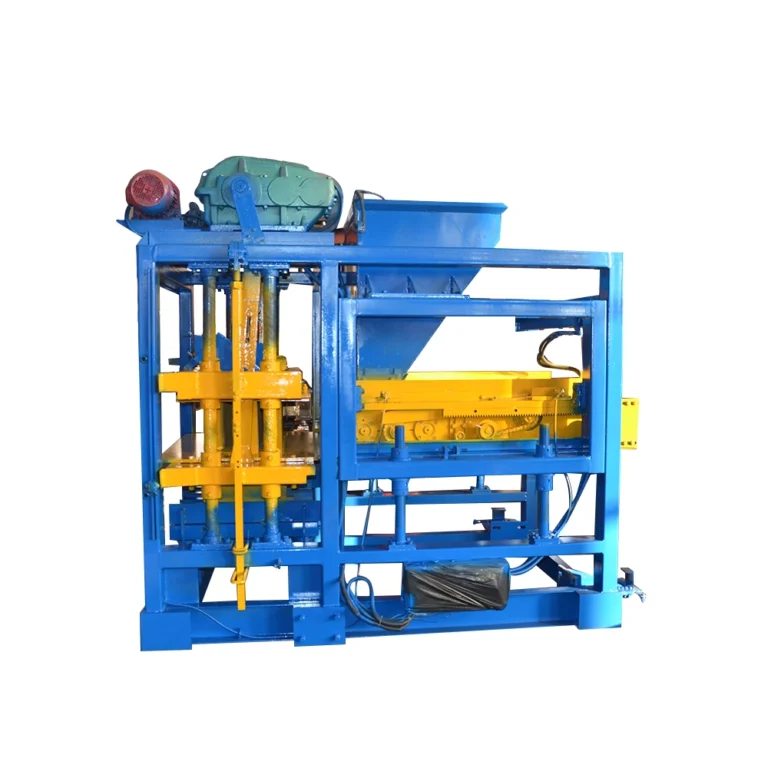
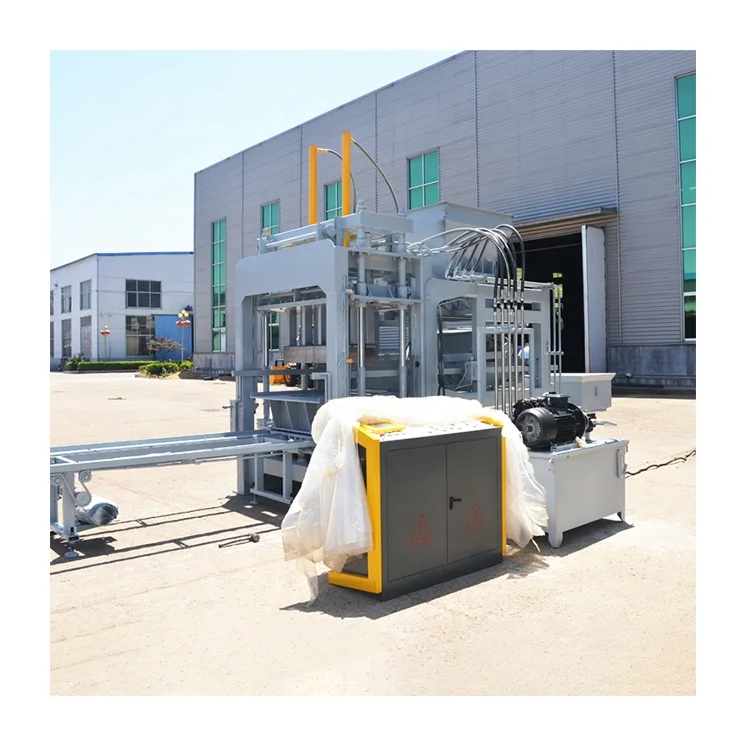
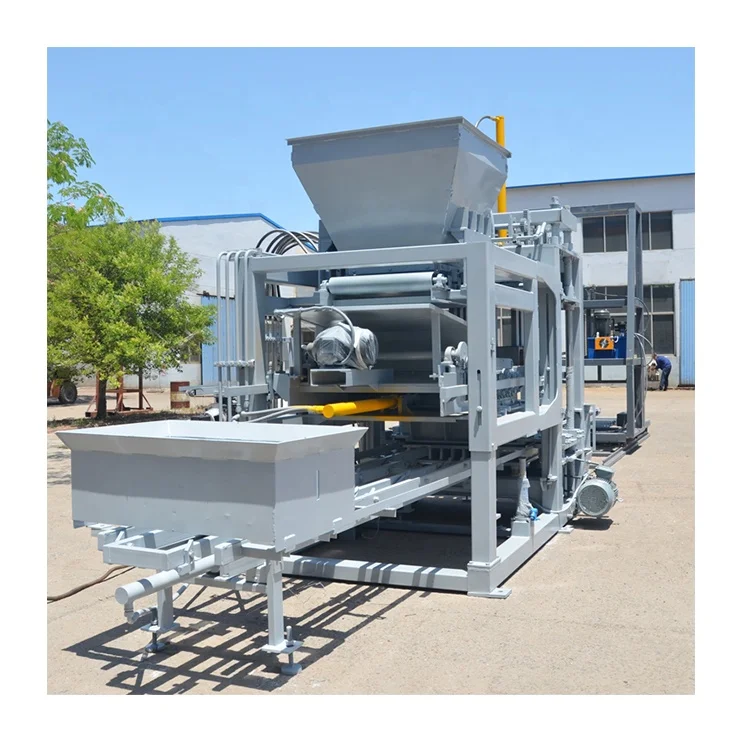
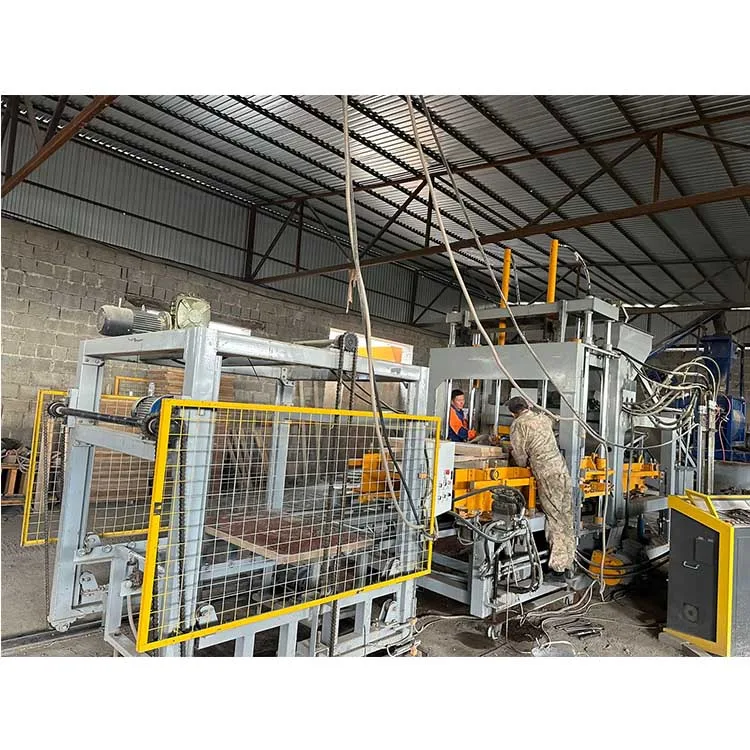
Stocked Block Machinery for Immediate Dispatch — every QT7-15 unit we hold in inventory undergoes the same factory test and electrical verification as a custom-built machine, so project timelines do not slip waiting for commissioning fixes on arrival.
Technical Specifications
| Parameter | Value |
|---|---|
| Model | QT7-15 |
| Product Type | Hydraulic Concrete Block Making Machine |
| Pallet Size | 1150×700mm |
| Molding Cycle | 15-20s |
| Overall Power | 45KW |
| Vibration Force | 100KN |
| Vibration Frequency | 0-60HZ |
| Vibration Form | Platform Vibration |
| Demolding Method | Hydraulic |
| Control System | PLC with touch screen interface |
| Total Mass | 8T |
| Output Capacity (Hollow block 400×200×200mm) | 1260-1680 pcs/hour (basis: 15-20s cycle, standard mix) |
| Output Capacity (Hollow block 400×150×200mm) | 1440-1920 pcs/hour (basis: 15-20s cycle, standard mix) |
| Output Capacity (Rectangular brick 200×100×60mm) | 3888-4860 pcs/hour (basis: 15-20s cycle, standard mix) |
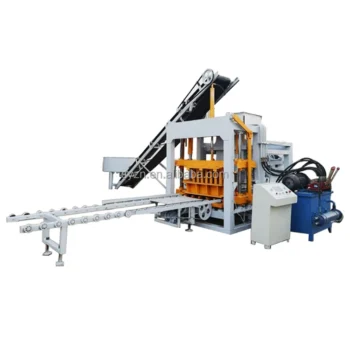
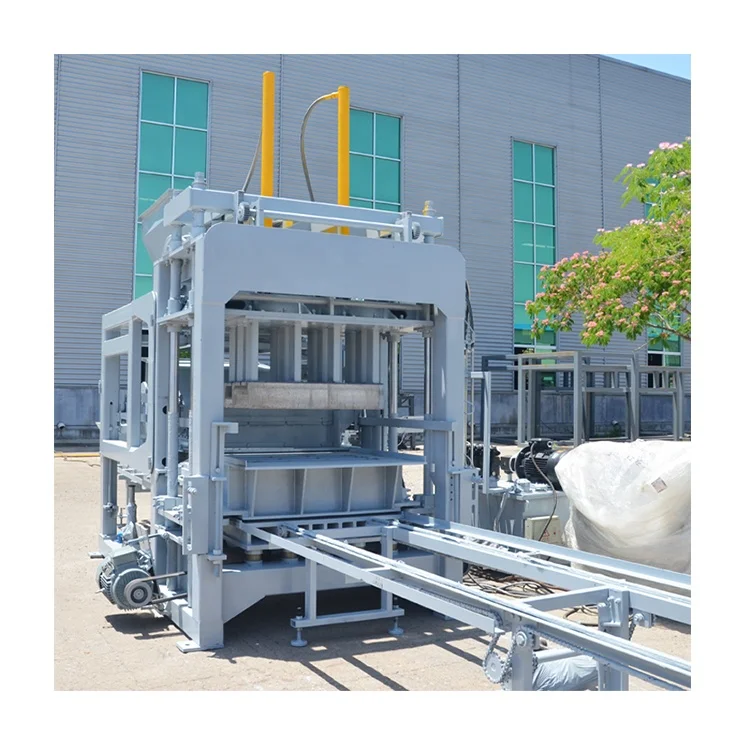
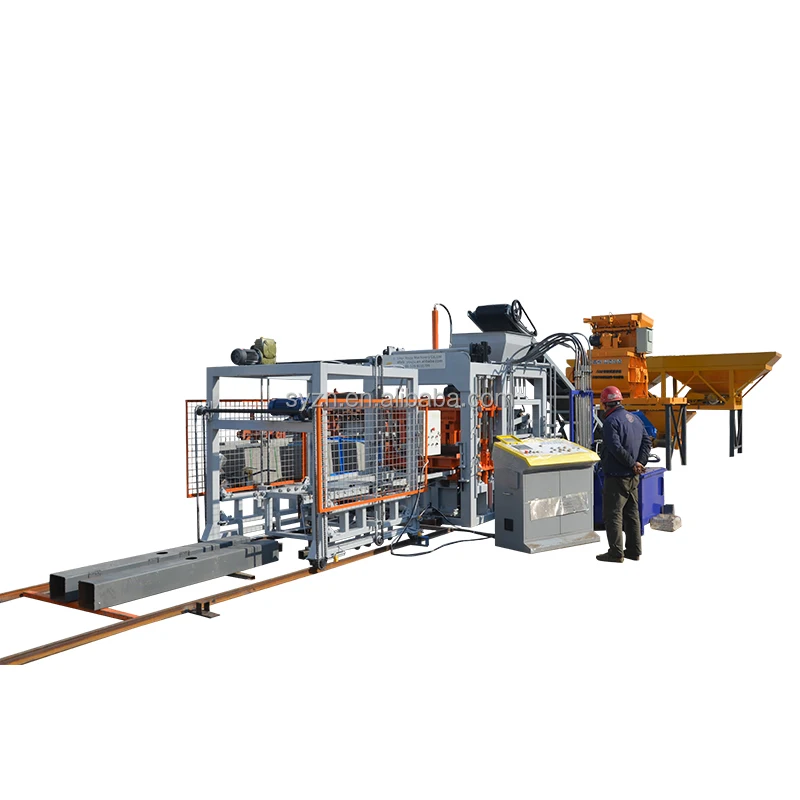
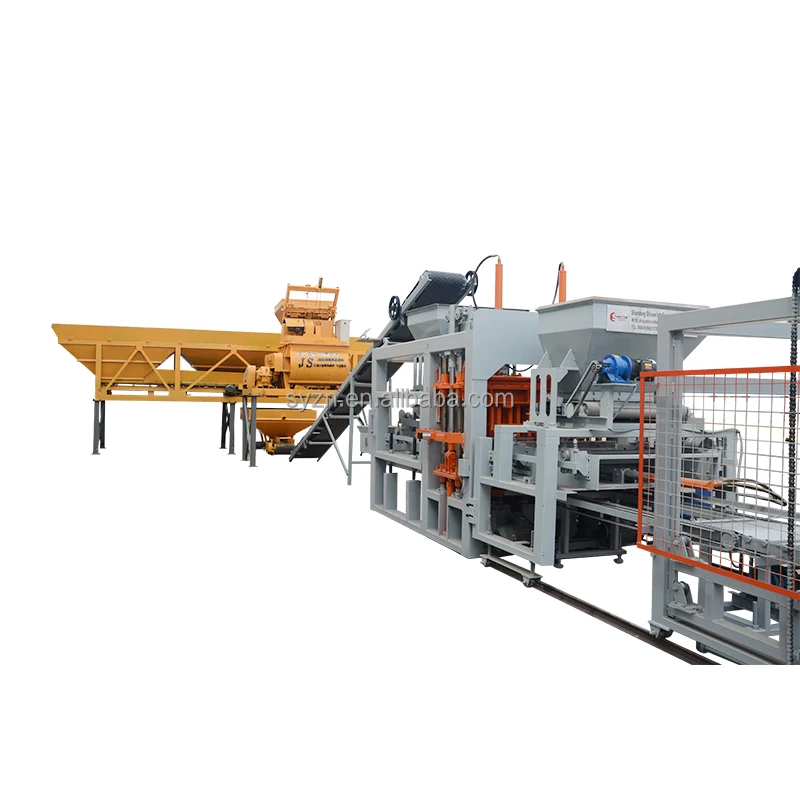
| Component Configuration | Pallet feed machine, block making machine, storage hopper, conveyor, hydraulic unit, PLC control cabinet |
| Voltage & Frequency | (basis not stated in source — confirm before dispatch) |
| Automation Level | Automatic with PLC control |
| Warranty | 1 year for whole machine (excluding spare parts) |
Application Suitability
| Application | Material or Output |
|---|---|
| Hollow Block Production | Crushed stone, cement, sand aggregate for 400×200×200mm and 400×150×200mm formats |
| Paving Brick Manufacturing | Fine aggregate and cement mix for 200×100×60mm rectangular bricks |
| Housing Project On-Site Production | Local quarry aggregate and cement for standard construction blocks |
| Multi-Cellular Brick Runs | Lightweight aggregate blends requiring consistent vibration density |
| Standard Brick Production | Conventional cement and sand mixes for solid format output |
What "In Stock" Should Actually Mean for Your Project Timeline
Stocked does not mean unverified. A QT7-15 block machine in stock still needs voltage confirmation, PLC language setting, and factory test documentation before it moves.
I have watched a fully paid machine sit on a job site for weeks because the control cabinet was wired for 380V/50Hz and the destination ran on a different standard. The contractor lost momentum and the crew stood idle. That is the gap between "ready to ship" and "ready to produce." When buyers search for fast delivery, the assumption is that arrival equals operation. [NEED_CITE: voltage and frequency standards by export market]. The reality is that dispatch speed only matters if the electrical configuration, pallet dimensions, and mould inventory match what the buyer already has on the ground.
Dispatch Readiness Beyond the Crate
A stocked QT7-15 block machine in stock must leave our yard with the buyer’s electrical specifications already applied. The PLC touch screen needs to display in the operator’s working language, and the control cabinet wiring must match the destination grid before the container doors close. This is the step that separates a fast shipment from a fast start-up.
Container Loading and Reassembly Planning
The 8T total mass and component layout of the QT7-15 require a planned dismantling sequence. The hydraulic unit, PLC cabinet, and pallet feed machine separate from the main press frame for container loading. Every bolt pattern and hydraulic line connection gets tagged so the reassembly crew on site is following a map, not guessing.
Stock Confirmation You Can Actually Verify
Before payment transfers, the buyer receives the serial number, factory test record, and a photograph set showing the specific unit that will ship. [NEED_CITE: factory acceptance testing standards for hydraulic block machinery]. This is the difference between ordering from a catalogue and ordering a machine you have already seen run.
Reading the Specs That Determine Your Daily Output
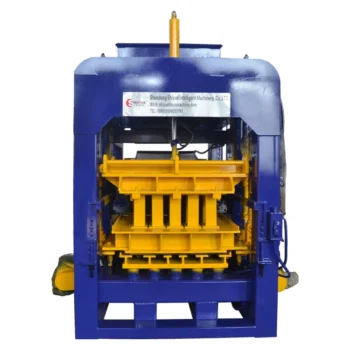
The 100KN vibration force paired with platform vibration is what compacts the mix into consistent density across the full 1150×700mm pallet surface. If the vibration frequency range of 0-60HZ is not matched to the buyer’s aggregate size and cement ratio, the block strength will vary from one pallet to the next. The hydraulic demolding cycle at 15-20s is the mechanical floor — actual cycle time depends on how quickly the mix feeds, how the mould releases, and whether the pallet feed keeps pace. The 45KW overall power draw tells the buyer what dedicated circuit they need before the machine arrives.
The Cost of Skipping Voltage Verification
A machine configured for the wrong voltage standard does not partially work — it does not work at all. The hydraulic pump motor will not start, the PLC will not boot, and the vibration system stays dead. The buyer then faces a local rewiring job that voids the warranty and delays production by the time it takes to source correct-spec components locally. [NEED_CITE: CE machinery directive requirements for industrial equipment]. This is the most common reason a "fast delivery" machine still takes a month to produce its first block.
Why Buyers Source This Machine Through Our Stock Channel
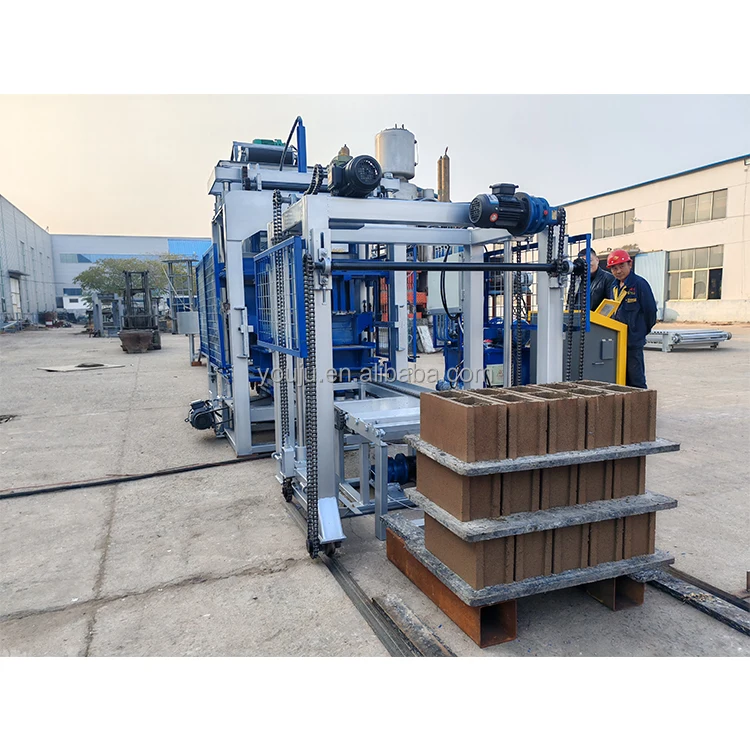
We keep QT7-15 units in inventory specifically for buyers who cannot wait for a custom build cycle. Every stocked machine gets the same factory test run with the buyer’s target block format before it is released for shipment. The mould inventory list is confirmed upfront so the buyer knows exactly which formats ship with the press and which require separate ordering. Pallet size at 1150×700mm is checked against the buyer’s existing curing racks and forklifts to avoid a mismatch on arrival. Container loading plans are documented before dispatch so the buyer knows how the machine arrives and what reassembly looks like. The arrival estimate covers port-to-port transit so the contractor can plan crew mobilization around a real date.
Documentation & Verification
- Factory test record run on the buyer’s target block format with cycle time documented
- Electrical schematic matching the destination voltage and frequency confirmed before dispatch
- Container loading plan with dismantling sequence and reassembly bolt map
- Hydraulic circuit diagram with valve settings for the specified mould configuration
- Pallet specification sheet confirming 1150×700mm dimensions and material grade
- Mould inventory list distinguishing included formats from optional add-ons
Installation, Commissioning & Support
- Foundation pad must support 8T total mass with level tolerance for the 1150×700mm pallet plane
- Dedicated power circuit rated for 45KW draw with voltage matching confirmed pre-dispatch
- Hydraulic unit reconnects to main press via tagged line connections from dismantling
- PLC touch screen language and fault diagnosis parameters set before container loading
- First production run supervised with cycle time verified against the 15-20s specification
- Wear parts list provided with mould-specific replacement intervals for stocked formats
What We Need to Confirm Before Releasing Your Machine
Send us your destination voltage and frequency, the block formats you intend to run first, and your curing area dimensions so we can verify pallet compatibility. If you have existing pallets or forklifts on site, share those specifications so the 1150×700mm pallet size works with what you already own.
Frequently Asked Questions
Q: Which QT7-15 units are currently in stock and what is the actual dispatch lead time?
A: Stock changes weekly as units are reserved against confirmed orders. Once you request availability, we respond with the serial number and factory test status of the specific machine on the floor. Dispatch lead time covers the remaining electrical verification, language setting, container loading plan, and customs documentation — not a manufacturing queue.
Q: How is the QT7-15 dismantled for container loading and reassembled on site?
A: The hydraulic unit, PLC control cabinet, pallet feed machine, and storage hopper separate from the main press frame. Every connection point is tagged during dismantling. Reassembly follows a documented bolt map and hydraulic line diagram so the on-site crew is reconnecting known interfaces, not tracing unlabeled hoses.
Q: What voltage and frequency does the stocked QT7-15 carry, and can it change before shipment?
A: Stocked units may carry a standard configuration, but the voltage and frequency are verified and modified if needed against the buyer’s destination grid before the machine leaves. The PLC cabinet wiring, motor ratings, and control transformer are all checked against the confirmed electrical standard so the machine connects and runs on arrival.
Q: Which moulds come with the stocked QT7-15 and which formats need separate ordering?
A: Every stocked machine ships with a confirmed mould inventory list showing exactly which block formats are included. Additional formats are quoted separately with lead times stated upfront. The buyer sees the complete format list before payment, so there is no surprise about what the machine can produce on day one.
Q: What is the arrival timeline from loading port to destination port?
A: Transit time depends on the destination port and current shipping schedules. We quote the port-to-port estimate at the time of booking so the buyer can plan site preparation and crew mobilization around a known arrival window rather than a guess.