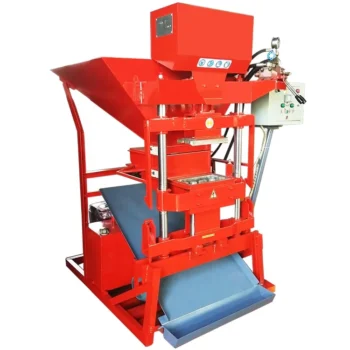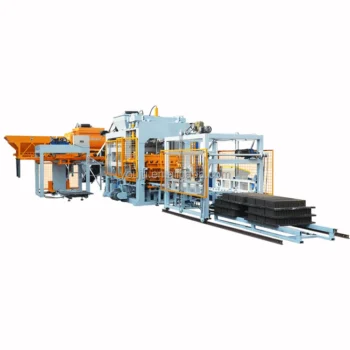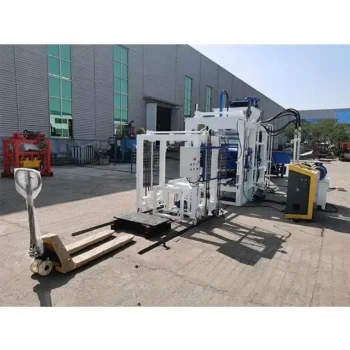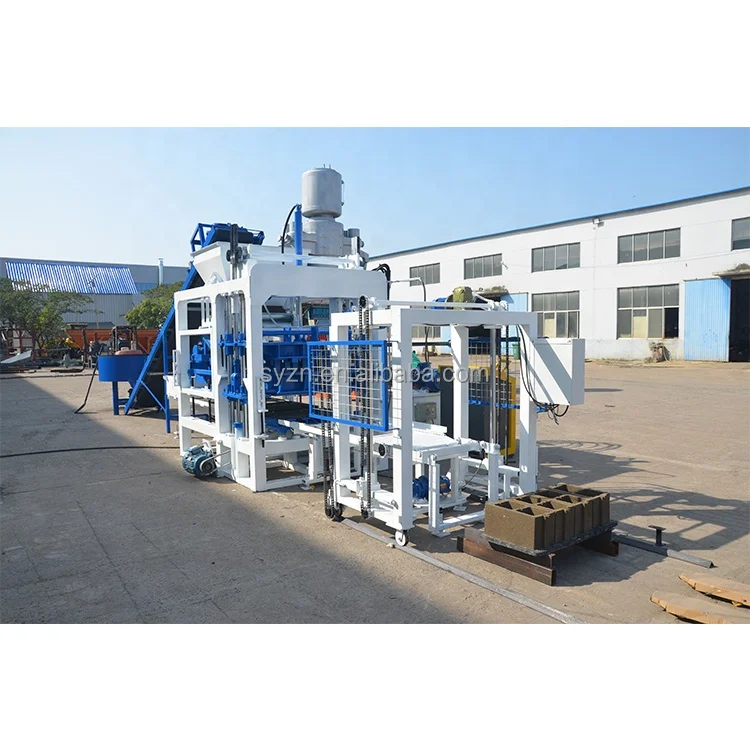
Description
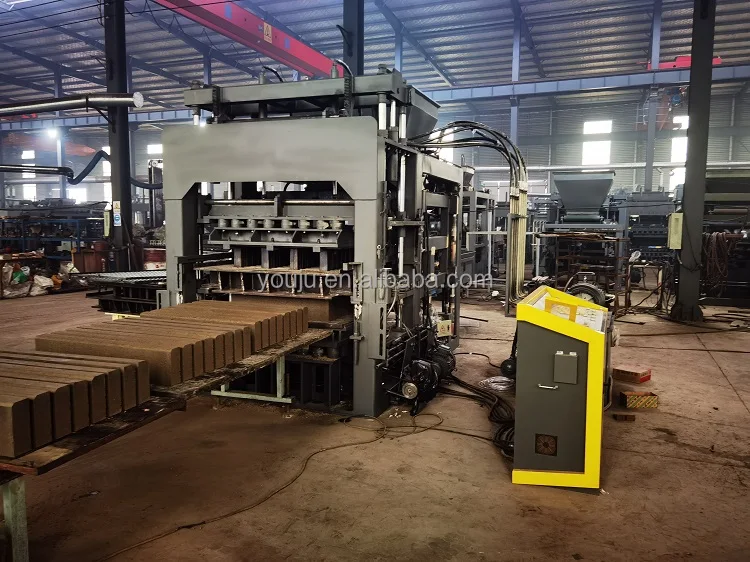
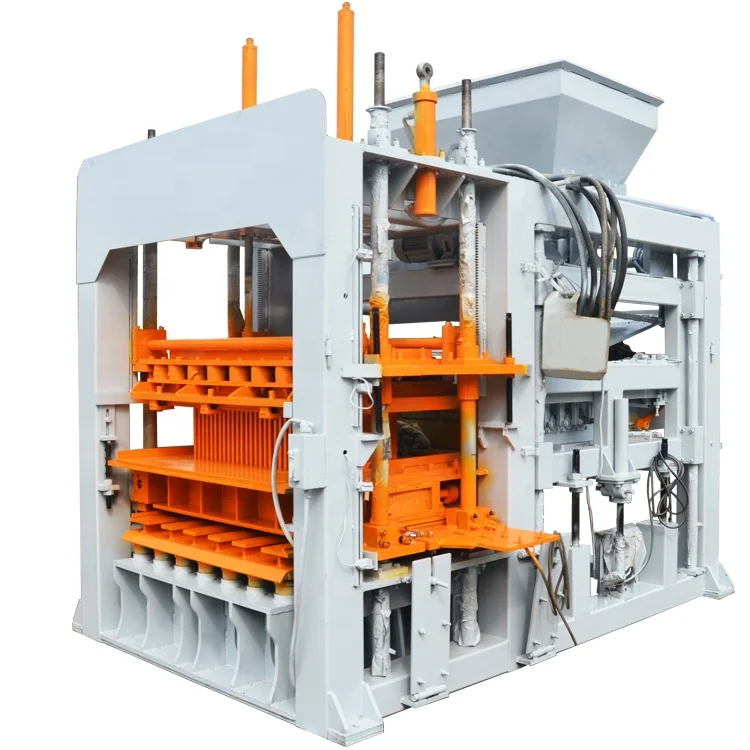
In-Stock Configuration Verified — QT8-15 block machines are held in factory inventory, tested on standard hollow block formats, and prepared for immediate container loading with per-format capacity documentation rather than a single catalogue figure.
Technical Specifications
| Parameter | Value |
|---|---|
| Model | QT8-15 |
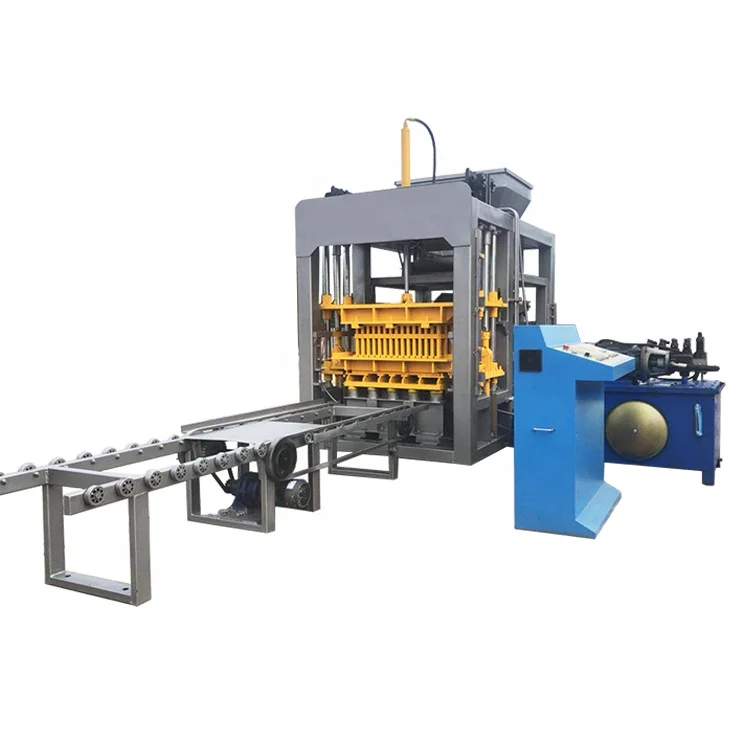
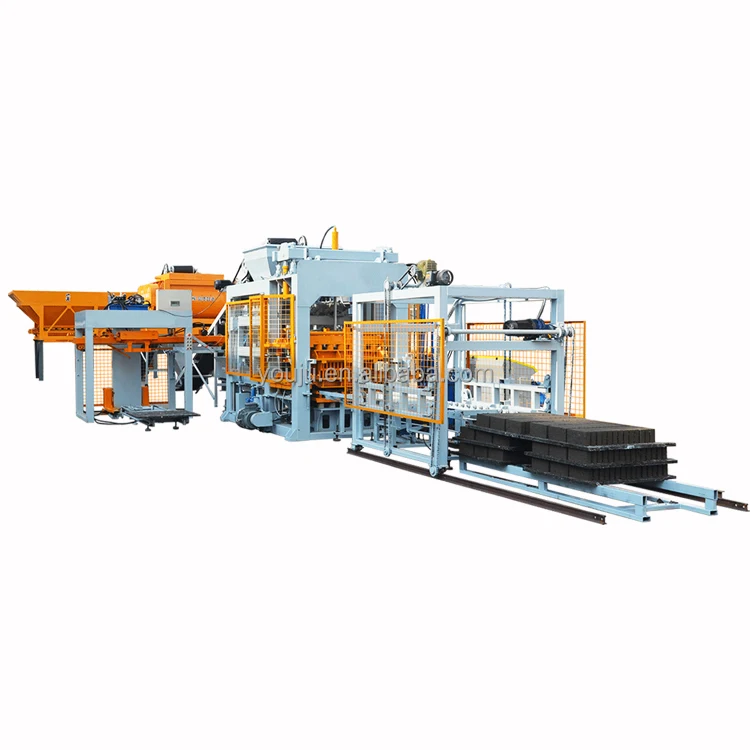
| Product Type | Automatic Concrete Block Making Machine |
| Mould Format | Hollow block, solid brick, paver brick, kerbstone |
| Cycle Time per Format | 15–20 s (basis: block format, material and thickness to be confirmed) |
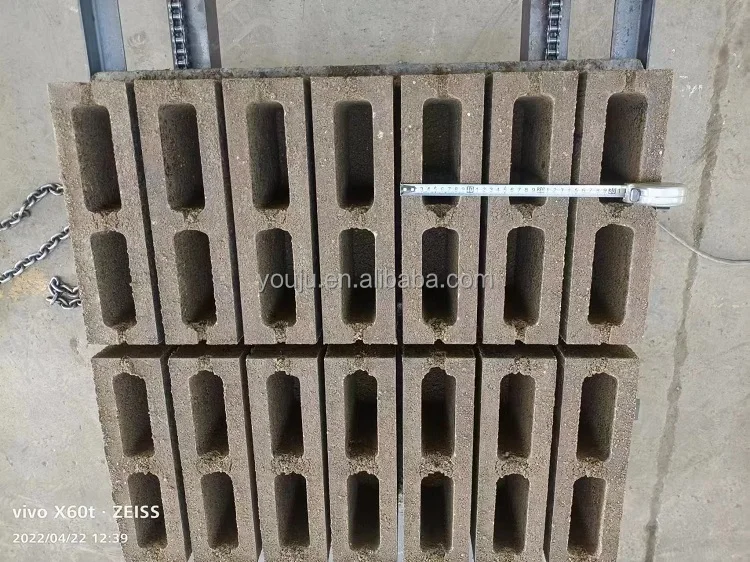
| Output Capacity (400×200×200 mm hollow block) | 1,600–1,900 pcs/h; 12,800–15,000 pcs/8 hr |
| Output Capacity (240×115×53 mm solid brick) | 8,000–10,000 pcs/h; 64,000–80,000 pcs/8 hr |
| Output Capacity (200×160×60 mm paver) | 3,000–3,600 pcs/h; 24,000–28,800 pcs/8 hr |
| Output Capacity (225×112.5×60 mm interlocking) | 4,000–5,000 pcs/h; 32,000–40,000 pcs/8 hr |
| Pieces per Mould (400×200×200 mm hollow block) | 8 |
| Pieces per Mould (240×115×53 mm solid brick) | 45 |
| Pieces per Mould (200×160×60 mm paver) | 15 |
| Pieces per Mould (225×112.5×60 mm interlocking) | 24 |
| Automation Level | Automatic |
| Mould Heat Treatment | Yes |
| Warranty | 1 year |
Application Suitability
| Application | Material or Output |
|---|---|
| Block production plants | High-volume hollow block and solid brick runs on crushed stone, river sand and cement |
| Housing and development project contractors | On-site paver and kerbstone production to meet phased construction deadlines |
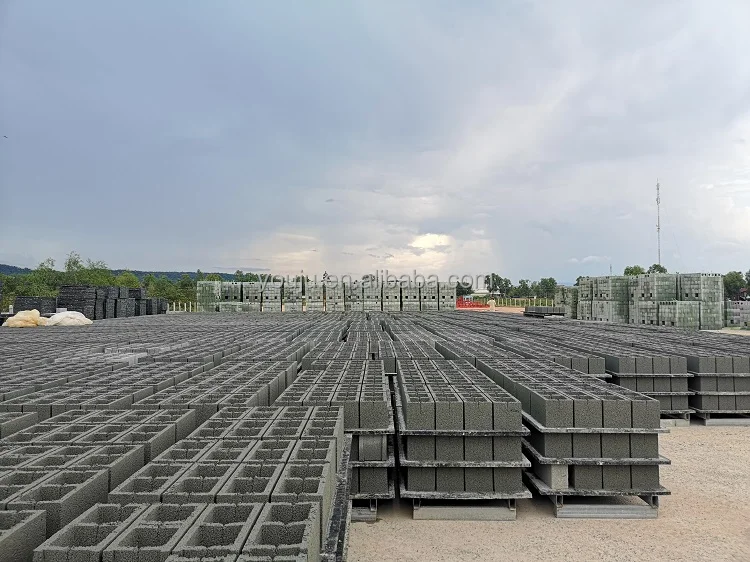
| Building material distributors | Stocking standard hollow block and solid brick formats for regional resale |
| Concrete product manufacturers | Expanding format range to include interlocking pavers alongside existing block lines |
What the Quoted Output Leaves Out About Your Daily Tally
Real daily throughput depends on which block format you run, not the headline cycle time.
Buyers often receive a capacity figure that assumes an idealised block size or a perfect material feed, only to find the actual pallet count far lower when they switch to the format their market actually demands. On projects running against a construction schedule, that gap between quoted and real output pushes back delivery dates and forces overtime shifts. I have watched sites arrive expecting a certain daily tally, then spend the first week recalibrating expectations once local aggregate and the chosen block format meet the machine [NEED_CITE: block format and mix design influence on cycle time].
Stock Availability and Dispatch Timing
The primary reason buyers turn to an automatic concrete block making machine in stock is to eliminate the production lead time that a built-to-order unit requires. When a housing contractor signs a phase-one delivery date, waiting weeks for factory fabrication compresses the installation and commissioning window on site. Holding completed QT8-15 units at the factory allows container booking to proceed immediately after voltage and control language are confirmed against the buyer’s electrical supply.
Container Loading and Machine Dismantling
A machine of this output class occupies significant floor space once assembled, so the dismantling plan for shipment directly affects how many containers are needed and how quickly the press can be reassembled at destination. The QT8-15 is broken down into the main frame, hydraulic station, control cabinet, and mould assembly for loading. Each sub-assembly is secured with steel bracing inside the container to prevent shifting during ocean transit, and a packing photograph set is shared with the buyer before the container doors close [NEED_CITE: container loading standards for heavy industrial machinery].
Pressure, Vibration and Pallet Size Decoded
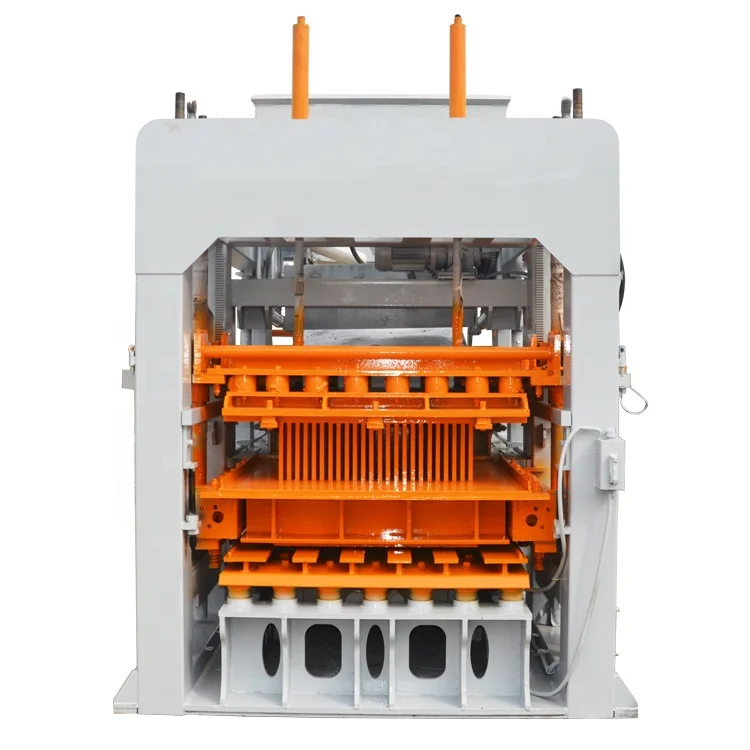
Hydraulic pressure and vibration force work together to compact the concrete mix into the mould cavity; if either is mismatched to the buyer’s aggregate gradation, block density drops and breakage rises during handling. The QT8-15 pairs hydraulic clamping with a vibration table, and the balance between the two must be set against the specific mix design the buyer can source locally. Pallet size determines how many blocks are pressed per cycle and must align with the curing area dimensions and the forklift capacity already present at the buyer’s plant. Mould heat treatment extends the working life of the cavity surfaces, reducing the frequency of mould replacement when running abrasive aggregates such as crushed granite.
The Hidden Cost of Unconfirmed Voltage and Language
A machine wired for a voltage or frequency that does not match the buyer’s site supply cannot be commissioned on arrival, and rewinding motors or replacing transformers adds weeks of delay. Equally, a PLC display set to a language the operators cannot read turns routine fault diagnosis into a slow process of elimination. Both issues are preventable if voltage, frequency and display language are confirmed before the unit leaves the factory, yet they remain among the most common reasons for delayed start-ups on overseas block plants [NEED_CITE: voltage and frequency standards by export market].
Why Source This QT8-15 Through Our Stock Channel
Block machinery is our single focus, so the press, mould, pallet and handling equipment are specified as one matched system rather than assembled from separate suppliers. Each stocked QT8-15 is configured against the buyer’s actual mix design and target block format, not a catalogue default, and the capacity calculation document states the exact dimensions and pieces-per-mould assumed for every output figure. Mould design covers the formats the buyer’s market sells, with custom drawings available when a non-standard size is required. Dispatch lead time, container loading plan and arrival estimate are confirmed before the order is placed, so the buyer works to a known schedule rather than an open-ended promise.
Documentation & Verification
- Capacity calculation stating block format and pieces-per-mould for each output figure
- Machine specification sheet with hydraulic pressure, vibration force and pallet size confirmed
- Factory test record on buyer’s target block format before container loading
- Packing photograph set showing dismantling arrangement and securing inside container
- Voltage, frequency and PLC display language confirmation document prior to dispatch
Installation, Commissioning & Support
- Foundation plan matching the QT8-15 overall dimensions and dynamic load from vibration
- Dedicated electrical circuit sized to the machine’s rated power and confirmed voltage
- Reassembly sequence for main frame, hydraulic station, control cabinet and mould unit
- First-run parameter setting against buyer’s local aggregate and mix design
- Operator training covering mould change procedure across hollow, solid, paver and kerbstone formats
- Heat-treated mould wear monitoring schedule and replacement part list
Before You Send an Inquiry
Share the block formats your market currently sells along with the daily output you need for each, so the capacity calculation reflects your actual production plan rather than a single best-case figure. Confirm the voltage and frequency available at your site, and let us know which PLC display language your operators require. If you already have pallets, forklifts or a curing rack system in place, send the dimensions so the pallet size and handling configuration can be matched to your existing setup.
Frequently Asked Questions
Q: How is the per-format output capacity calculated for the QT8-15?
A: Each capacity figure is based on a specific block dimension and pieces-per-mould count — for example, the hollow block output assumes a 400×200×200 mm cavity producing 8 pieces per mould at the stated cycle time. We provide a written calculation showing the format, mould count and cycle assumption behind every number.
Q: Which block machine models are currently in stock and ready for dispatch?
A: The QT8-15 and other standard models are held at the factory along with commonly ordered moulds for hollow block, solid brick and paver formats. Stock levels are updated regularly, and we confirm availability at the time of inquiry along with the nearest container sailing date.
Q: What is the typical dispatch lead time once an order is confirmed?
A: For stocked units, dispatch lead time depends on container availability and the time needed to confirm voltage, frequency and PLC language for the destination site. Once those details are locked, the machine is prepared for loading and an arrival estimate is provided before shipment.
Q: How is the QT8-15 dismantled for container loading?
A: The machine is broken into the main frame, hydraulic station, control cabinet and mould assembly. Each section is secured with steel bracing inside the container to prevent movement during transit, and a full packing photograph set is shared with the buyer before the container is sealed.