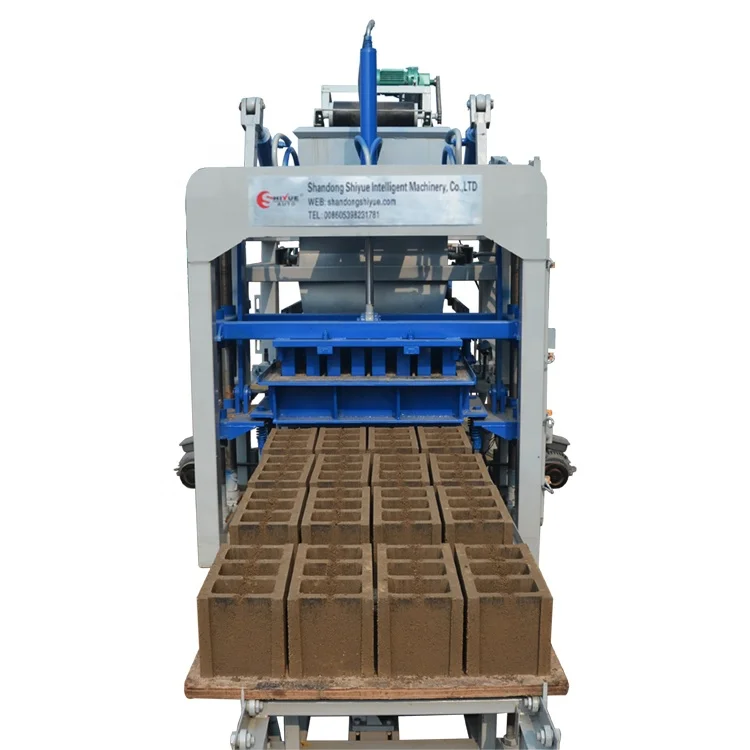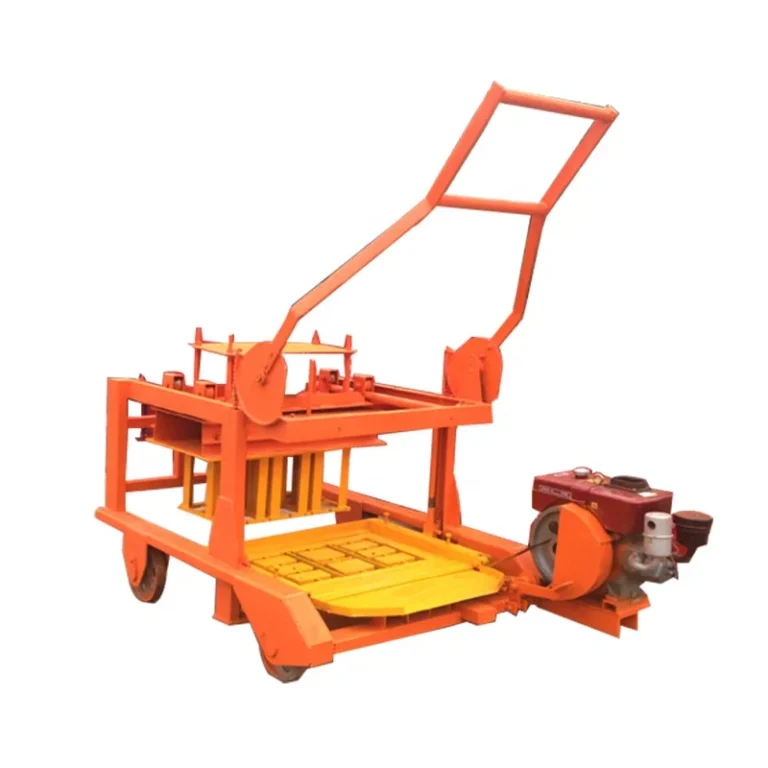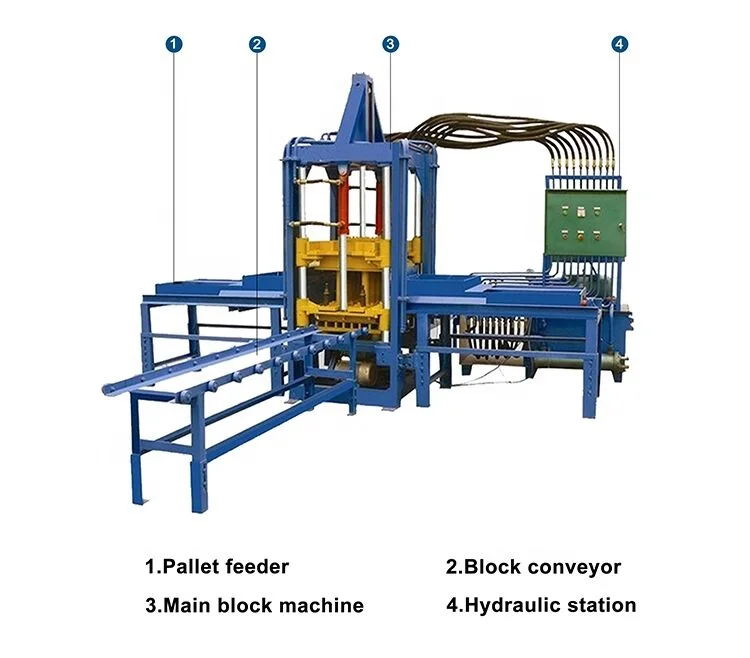
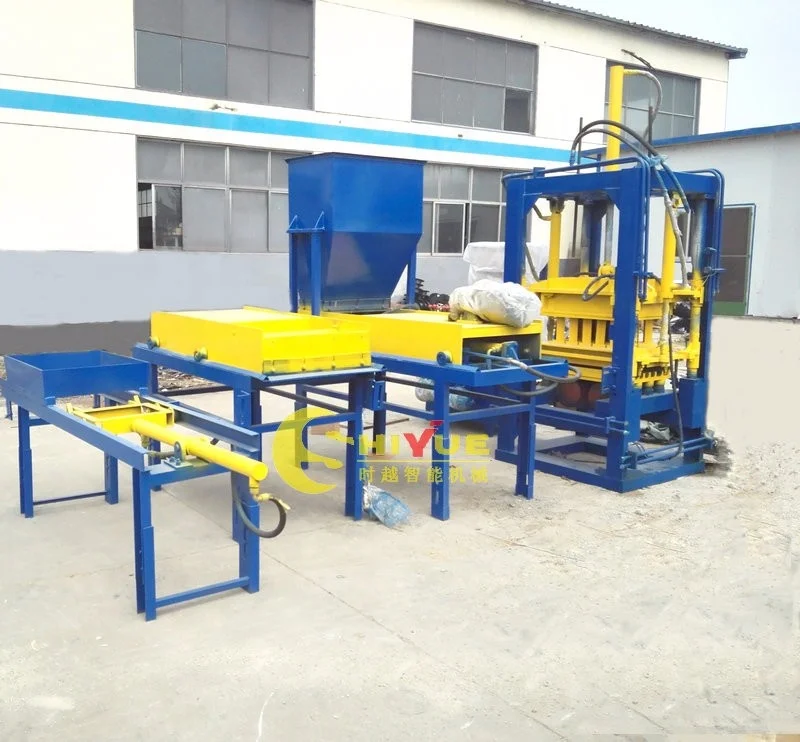

Description
Stocked inventory, not a catalogue promise — Every QTF3-20 unit ships from existing floor stock with a confirmed dispatch date written into the quotation, so your project schedule holds.
Technical Specifications
| Parameter | Value |
|---|---|
| Model | QTF3-20 |
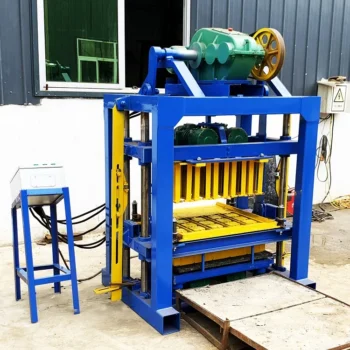
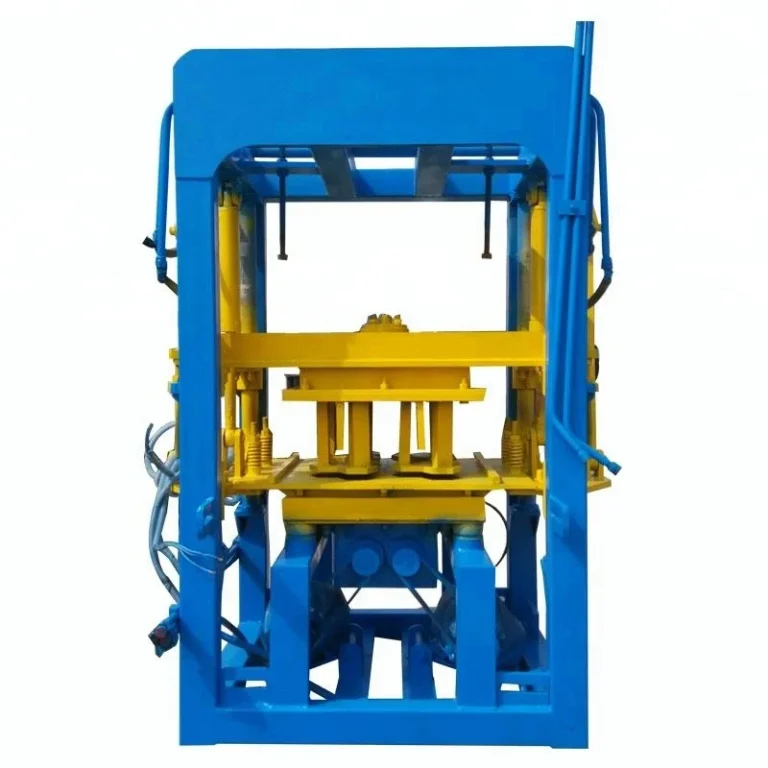
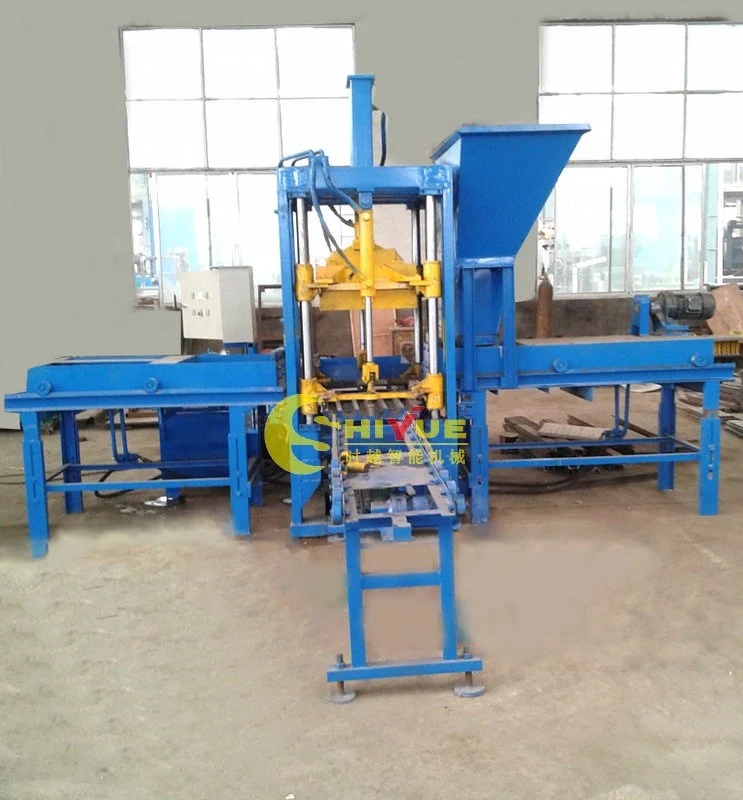
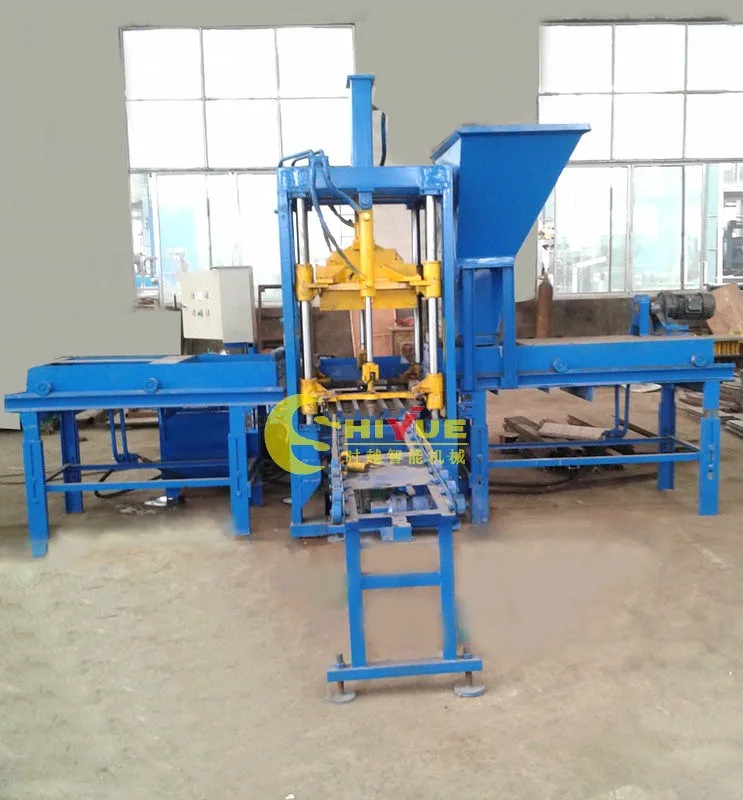
| Product Type | Stationary Concrete Block Making Machine |
| Overall Dimensions (L×W×H) | 4000 × 3500 × 2300 mm |
| Net Weight | 2870 kg |
| Total Installed Power | 17.5 kW |
| Vibration Form | Platform Vibration |
| Control Style | Semi-Automatic |
| Output Capacity | 4320 pcs/day (basis not stated in source — confirm block format / material / thickness) |
| Raw Material Compatibility | Cement, Sand, Fly Ash, Coarse Aggregate, Slag |
| Hydraulic System | Applied to main drive |
| Proximity Switch | No-contact type for cycle monitoring |
| Feeding System | Double layer (raw material and color surface material) |
| Host Machine Structure | #12 U-bar welded overall frame |
| Line Configuration | Pairs with JQ350 mixer and 8 m conveyor belt |
| Electrical & Hydraulic Components | Imported from Germany or Chinese established brand (verify against current build sheet) |
Application Suitability
| Application | Material or Output |
|---|---|
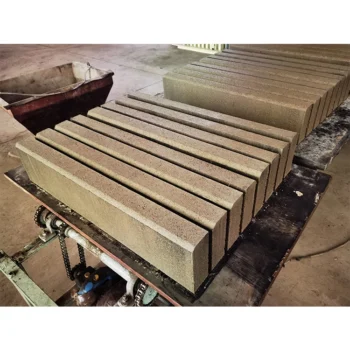
| Hollow block production for residential and commercial walls | Cement, sand, crushed stone aggregate |
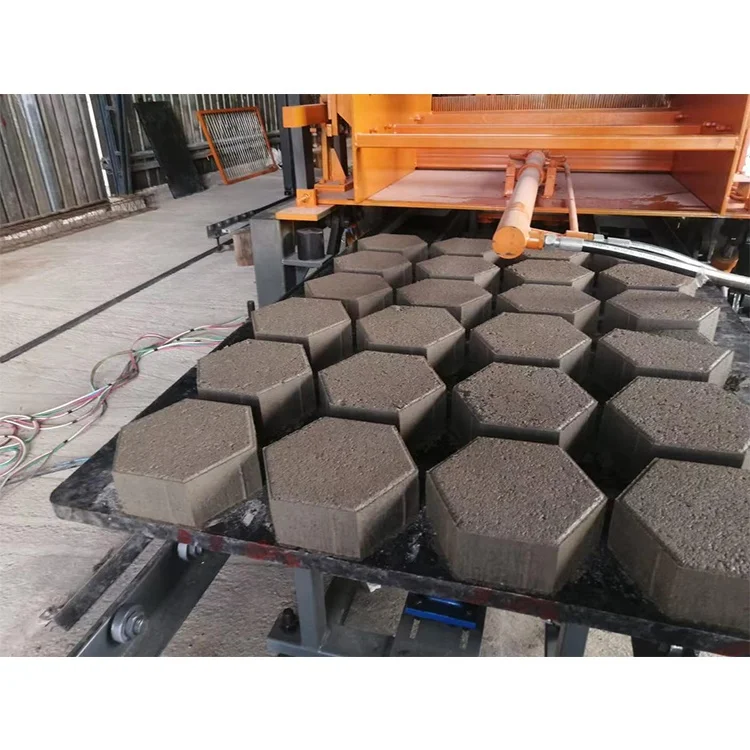
| Interlocking paver manufacturing for driveways and walkways | Cement, fly ash, fine aggregate with color surface layer |
| Standard solid brick output for infill and partition walls | Cement, coarse aggregate, slag blends |
| Porous and grass brick for landscaping and stormwater management | Cement, sand, graded aggregate |
| Slope protection block for embankment and channel lining | Cement, heavy aggregate for erosion resistance |
Why the Voltage Question Must Come Before the Dispatch Date
A stocked machine sitting on the wrong voltage standard is just expensive warehouse furniture until an electrician rebuilds the control panel.
I have stood on a site in the Gulf watching a block line sit idle for weeks because the control cabinet was built for 380V/50Hz while the local grid runs 60Hz. The machine was technically perfect, but the frequency mismatch tripped the VFD every time the vibration motor engaged. That experience reshaped how every QTF3-20 leaves our floor: voltage, frequency, and PLC display language are locked into the order confirmation before the unit is crated [NEED_CITE: voltage and frequency standards by export market].
Dispatch Logistics for the Stationary Block Machine in Stock
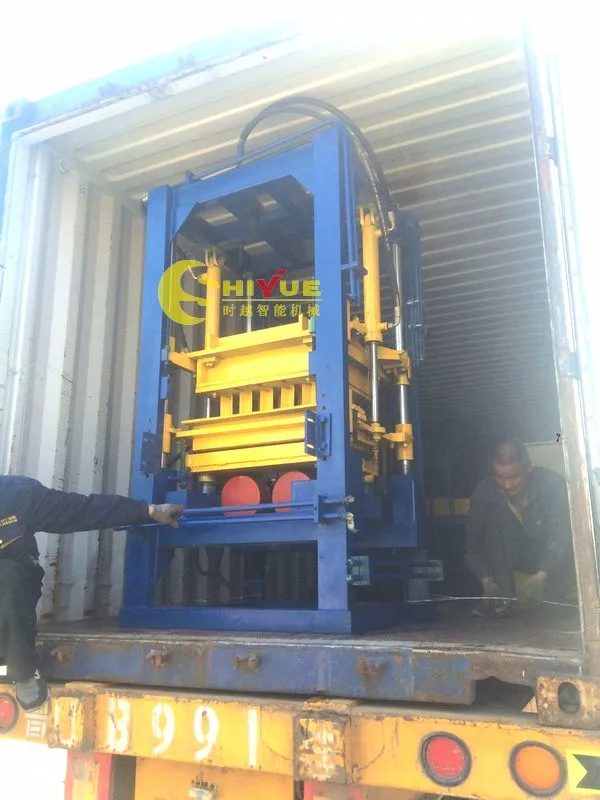
When buyers search for a stationary block machine in stock, the real question underneath is whether the machine can physically arrive before the contractor’s milestone date. The QTF3-20 is held as a complete host unit, meaning the main press, hydraulic pack, and electrical cabinet are assembled and factory-tested before being dismantled into container-loadable modules. The container loading plan — which frame section goes against the bulkhead, where the hydraulic hoses are bundled, how the pallets are strapped — is issued with the proforma invoice so the buyer’s clearing agent can prepare documentation while the ship is still in transit.
What the Transit Window Actually Looks Like
Once a QTF3-20 unit is earmarked against a purchase order, the dismantling and export packing sequence typically runs within days rather than weeks. The welded #12 U-bar frame is designed to survive ocean freight without structural fasteners loosening, but every bolted sub-assembly — the hopper, the feeder carriage, the vibration platform guards — is photographed in position before removal so the site crew can reverse the sequence without guessing [NEED_CITE: standard container loading practices for heavy industrial machinery]. The arrival estimate quoted at order accounts for port congestion variables, and any deviation is flagged before the vessel sails rather than after the container clears customs.
Reading the Specs That Matter on the Floor
The 17.5 kW total power draw tells you what the site transformer must supply continuously, not just at peak startup — undersizing the dedicated circuit means the hydraulic pump and vibration motor compete for current during the compaction stroke, producing blocks with inconsistent density. The #12 U-bar welded frame is the reason the platform vibration transfers into the mould cavity rather than shaking the machine apart over a production run; lighter channel sections flex under cyclic loading and eventually crack at the weld joints. The double-layer feeding system allows a base mix of standard aggregate with a color surface layer fed in a second pass, which is how paving blocks achieve a finished face without pigmenting the entire batch. No-contact proximity switches eliminate the mechanical wear and dust ingress that plague limit switches in a block plant environment, keeping the semi-automatic cycle timing consistent across long shifts [NEED_CITE: proximity switch reliability in high-dust industrial environments].
What a Rushed Order Actually Costs You Down the Line
Skipping the voltage confirmation step because the project timeline is tight seems logical until the machine arrives and the site electrician discovers the motor nameplate does not match the local supply. The control cabinet rebuild alone can consume a significant portion of the original machine cost, and that is before counting the idle crew wages and the penalty clauses in the construction contract. Similarly, ordering without confirming the pallet size against the curing racks already on site means blocks are stacked by hand while someone sources compatible pallets — exactly the bottleneck the machine was supposed to eliminate. These are not theoretical failures; they repeat on project sites every quarter [NEED_CITE: common commissioning delays in exported concrete block machinery].
Why This Source Handles the Stock and Ship Question Differently
The QTF3-20 is specified as a matched system — host press, hydraulic pack, mould format, and pallet dimensions are confirmed together against the buyer’s actual block format and local aggregate, not pulled from a generic catalogue page. The dispatch lead time is stated in calendar days on the quotation, not buried in a footnote. Container loading and machine dismantling for shipment are planned before the crate is built, not improvised on the loading dock. Customs documentation support accompanies every shipment so the buyer’s freight forwarder has the HS codes, packing lists, and test records needed to clear the destination port without holdups. Factory test records are generated on the specific mould format the buyer ordered, providing a baseline the site crew can match during commissioning.
Documentation & Verification
- Factory test record run on the buyer’s specified hollow block format before dismantling
- Packing photographs documenting each sub-assembly position and crate contents before sealing
- Electrical schematic with confirmed voltage, frequency, and PLC language noted per order
- Container loading plan showing frame orientation, hose bundling, and pallet strapping layout
- Customs documentation pack with HS codes, commercial invoice, and packing list for destination clearance
Installation, Commissioning & Support
- Foundation slab must accommodate the 4000 × 3500 mm footprint with level tolerance for the welded U-bar frame
- Dedicated 17.5 kW circuit with correct voltage and frequency verified against local grid supply before energizing
- Host machine arrives dismantled; frame sections and bolted sub-assemblies reverse-sequenced from packing photographs
- Semi-automatic cycle timing calibrated on-site with buyer’s actual aggregate mix and chosen mould format
- No-contact proximity switches checked for alignment and signal integrity during the first production run
- First-set spare proximity switches and vibration rubber elements included with the initial shipment
What We Need to Confirm Before Quoting a Dispatch Date
To give you an honest arrival estimate, the conversation needs to cover the destination port and the local voltage and frequency standard at the installation site. We also need the specific block format — hollow, solid, paving, or interlocking — along with the mould dimensions, because the factory test is run on that exact configuration before the machine is crated. If the site already has curing racks and pallets in circulation, the pallet size must be confirmed so the feeding and stacking geometry aligns. Share those details and the quotation will carry a real dispatch date, not a placeholder.
Frequently Asked Questions
Q: Is the QTF3-20 genuinely in stock, or does "stocked" still mean a production queue?
A: The QTF3-20 is held as completed host units on the factory floor. When a purchase order is confirmed, the specific unit is earmarked, factory-tested on the buyer’s mould format, dismantled, and crated for dispatch. The lead time quoted reflects packing and logistics, not a manufacturing queue, and the dispatch date is written into the order confirmation.
Q: How do you verify the 4320 pcs/day output figure before I commit?
A: That figure requires confirmation of the block format, material mix, and wall thickness it was measured against. Before dispatch, we run a factory test on the specific hollow or solid block mould you have ordered and record the actual cycle time and output. The test record ships with the machine so your site crew has a verified baseline.
Q: What happens if my site voltage does not match the machine as built?
A: Voltage and frequency are confirmed during the order process and locked into the build sheet before the electrical cabinet is finalized. This step is mandatory even on urgent orders, because a mismatch at the destination site causes commissioning delays that cost far more than a day or two of additional confirmation time upfront.
Q: How much floor space does the QTF3-20 require once assembled?
A: The host machine footprint is 4000 × 3500 mm with a height of 2300 mm. The working envelope must also accommodate the JQ350 mixer and 8 m conveyor belt that form the simple line configuration, plus clearance around the vibration platform for maintenance access and pallet staging. Site plans should allow for the curing rack area separately.
Q: Are spare parts shipped with the initial machine delivery?
A: The first shipment includes a set of wear parts relevant to the initial production run, typically covering items such as vibration rubber elements and spare proximity switches. A complete wear parts list is included in the documentation pack so the buyer can plan reorder intervals based on actual production hours rather than guessing from a catalogue.