

Description
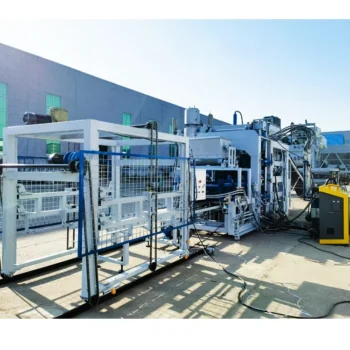
Stocked for fast dispatch — the QTJ4-25 block making machine is held in inventory so container loading can follow confirmation rather than waiting on a build schedule.
Technical Specifications
| Parameter | Value |
|---|---|
| Model | QTJ4-25 / QT4-25 |
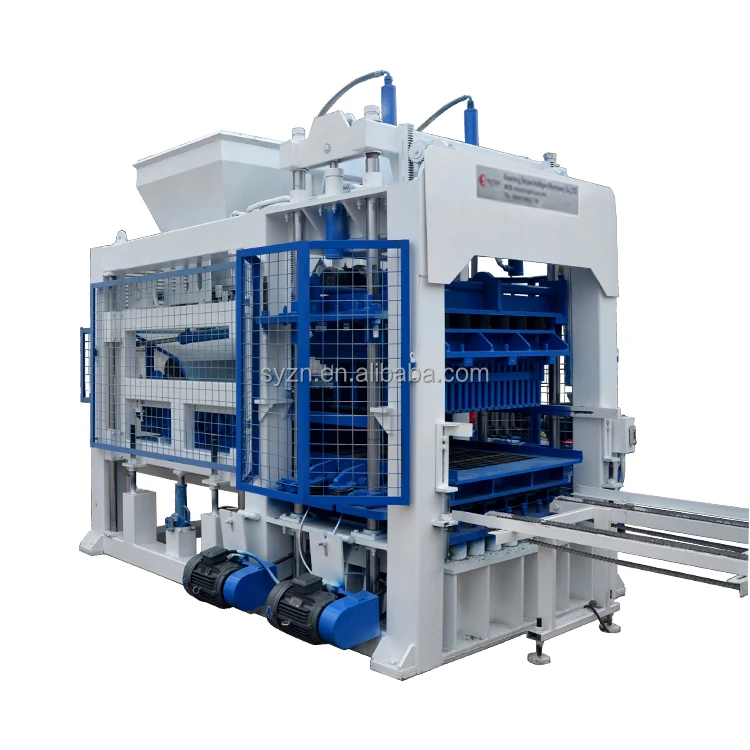
| Product Type | Stationary Block Making Machine |
| Rated Power | 17.9 kW |
| Overall Dimensions (L×W×H) | 6400×1500×2700 mm |
| Net Weight | 2500 kg |
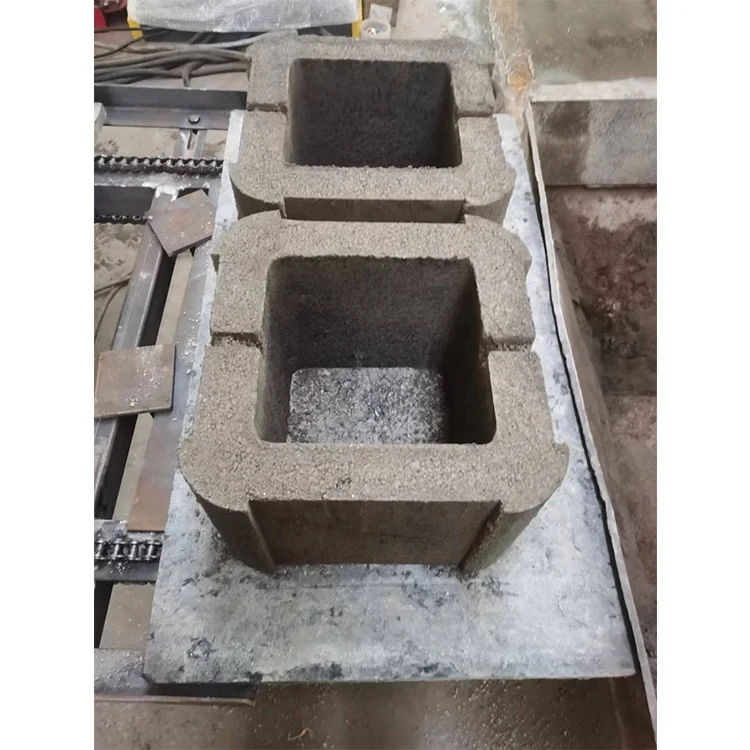
| Mould Format | 400×200×200 mm (4 pcs/mould) |
| Output Capacity | 960 pcs/h / 7680 pcs/day (based on 400×200×200mm hollow block, basis not stated in source) |
| Molding Cycle | 25 s |
| Vibration Force | 60 kN |
| Vibration Frequency | 2800 r/min |
| Pallet Size | 850×550×20 mm |
| Automation Level | Semi-automatic (basis not stated in source) |
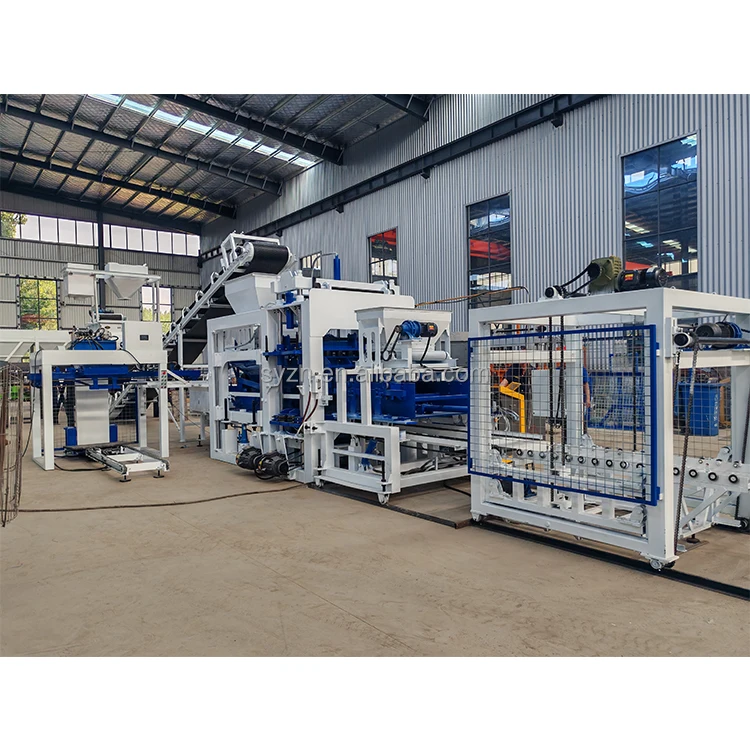
| Configuration Included | Host machine 1 set, block mould 1 set, JQ350 mixer |
| Control System | Motor-driven (PLC mentioned in title, confirm with supplier) |
| Voltage & Frequency | Not stated in source |
| Mould Change Time | Not stated in source |
| Hydraulic Pressure | Not stated in source |
Application Suitability
| Application | Material or Output |
|---|---|
| Small-to-medium block plants | Hollow block, solid block, paving block production from crushed stone, sand, and cement |
| On-site contractor production | Block making at construction sites using locally sourced aggregate |
| First-time plant investment | Entry-level stationary line for entrepreneurs starting block production |
| Existing line expansion | Supplementary unit for adding formats or replacing aging equipment |
What "In Stock" Really Means When You Need a QTJ4-25 Block Making Machine Fast
A stocked unit means the machine is built, tested, and sitting on the yard floor — not that it is still on a production schedule.
Project deadlines rarely wait for equipment lead times. I have seen contractors commit to a building schedule and then discover their block machine is still eight weeks from completion. When a buyer needs a QTJ4-25 block making machine in stock, what they actually need is confirmation that the unit exists physically, has passed factory testing, and can be dismantled and loaded into a container within days rather than weeks. The gap between "available" and "ready to ship" has cost more than one project its opening window. [NEED_CITE: typical container loading schedules for industrial machinery exports]
Dispatch Readiness Over Catalogue Promises
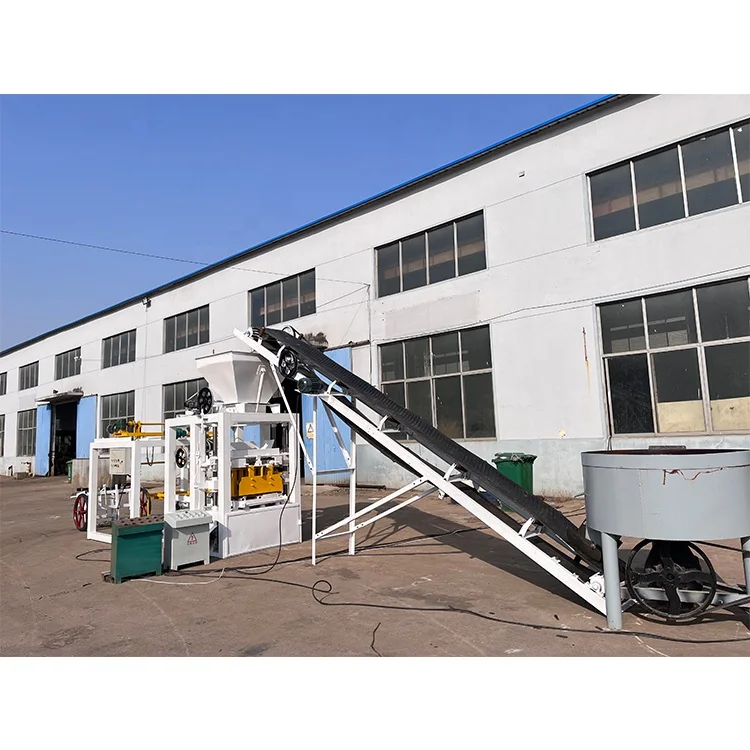
When a buyer is working against a project start date, the conversation shifts from configuration options to dispatch logistics. The QTJ4-25 block making machine in stock is offered as a complete set: host machine, one block mould, and a JQ350 mixer. This means the core production line ships together, and the buyer is not left waiting on separate suppliers for the mixer or the first mould to arrive weeks after the press.
Container Loading and Dismantling for Shipment
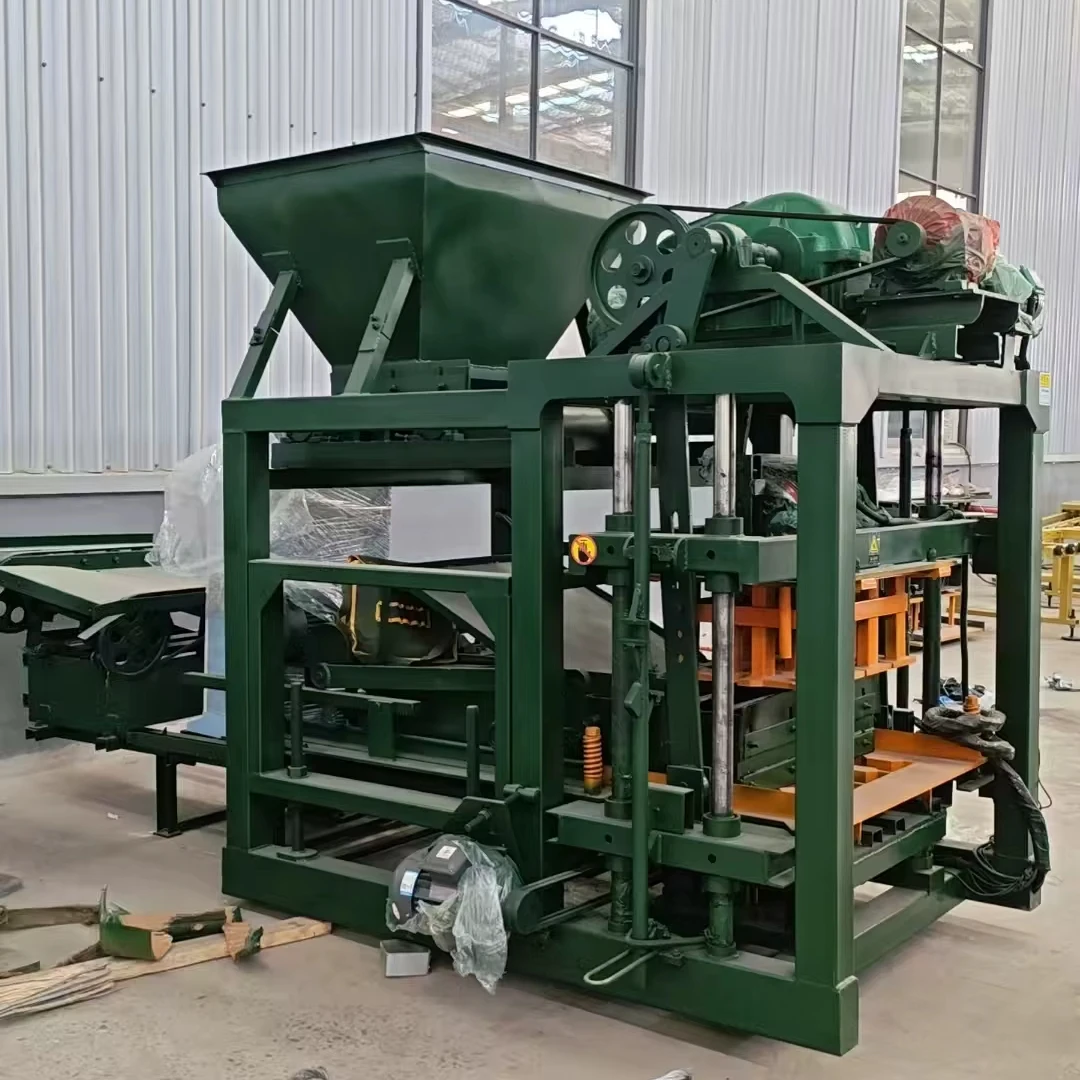
The 6400×1500×2700 mm overall dimension and 2500 kg net weight define how the machine is broken down for container loading. A stationary block machine of this size typically requires partial dismantling — removing the hopper, separating the mixer, and securing the vibration table — before it fits into a standard container. Stocked units have already been through factory testing, so the dismantling and packing sequence is known, and the loading plan can be confirmed before the container arrives at the yard. [NEED_CITE: standard container dimensions for machinery export]
Understanding the 25-Second Cycle in Real Production
The 25-second molding cycle is measured under factory conditions with a standard 400×200×200 mm hollow block format producing four pieces per mould. At that rate, the theoretical output is 960 pieces per hour. However, actual daily output depends on how quickly the operator feeds the mixer, moves the pallets to the curing area, and returns empty pallets to the machine. The 850×550×20 mm pallet size determines how many pallets fit in the curing zone and whether the buyer’s existing forklift can handle them. A mismatch here slows the entire cycle regardless of what the press itself can do.
Vibration Force and Local Aggregate Compatibility
The 60 kN vibration force at 2800 r/min is calibrated for conventional aggregate mixes — crushed stone, river sand, and cement at standard ratios. I once spent four days on a Middle East site where a machine of this class was running volcanic aggregate. The vibration was not sufficient to consolidate the lighter material, and blocks were cracking out of the mould. The fix required adjusting the excitation frequency and modifying the mould clearance. That is why confirming the buyer’s actual material sample before dispatch matters as much as having the QTJ4-25 block making machine in stock and ready to go.
The Hidden Cost of Ignoring Voltage and Frequency Confirmation
A machine built for one electrical standard and shipped to a market running a different voltage will not commission on arrival. The QTJ4-25 block making machine in stock ships with voltage and frequency to be confirmed — this is not a detail to leave until the container is sealed. I have watched a block plant sit idle for two weeks because the control panel was wired for 380V/50Hz and the local grid ran 440V/60Hz. The transformer workaround cost more than the machine’s shipping and delayed the entire project handover. [NEED_CITE: voltage and frequency standards by export market]
Why Procurement Through a Stock-Focused Channel Works
The approach here is straightforward: machines are built to standard configurations and held in inventory so buyers working to tight deadlines do not wait on custom build schedules. The QTJ4-25 ships as a matched set — press, mould, and mixer — rather than requiring the buyer to source each component separately. Stocked units have completed factory testing, so the dispatch timeline starts from confirmation rather than from the beginning of a production queue. Packing photographs and loading plans are provided before the container leaves the yard.
Documentation & Verification
- Factory test record showing cycle performance on the included mould format
- Machine specification sheet confirming rated power and vibration parameters
- Voltage and control language confirmation document before dispatch
- Packing photographs documenting machine condition prior to container loading
- Customs documentation support for export clearance
Installation, Commissioning & Support
- Foundation must support 2500 kg net weight plus dynamic vibration loads across the 6400 mm length
- Electrical supply must match confirmed voltage and frequency with a dedicated circuit for the 17.9 kW rated power
- Host machine arrives partially dismantled; reassembly includes hopper, vibration table, and mould alignment
- JQ350 mixer commissioning includes blade clearance check and motor direction verification
- Operator training covers 25-second cycle timing, pallet handling, and mould change procedure
- Wear parts list provided for vibration components and mould surfaces
What to Include in Your Inquiry
To match a stocked unit to your project, provide the block format you intend to produce, your local aggregate type, and the voltage and frequency at your site. Confirm whether your curing area can accommodate the 850×550 mm pallet size and what forklift capacity you have available. If you need additional mould formats beyond the included 400×200×200 mm set, specify those so availability can be checked alongside the QTJ4-25 block making machine in stock.
Frequently Asked Questions
Q: What is the actual lead time from order to container loading for a stocked unit?
A: Stocked units are physically present in the yard and have completed factory testing. Once voltage, frequency, and control language are confirmed, the machine is dismantled for shipment, packed, and loaded into the container. The typical window from order confirmation to container departure is measured in days rather than weeks, depending on container availability at the port.
Q: Which block formats can this machine produce beyond the included mould?
A: The host machine accepts moulds for hollow block, solid block, paving block, and kerbstone formats. The included mould is 400×200×200 mm producing four pieces per cycle. Additional moulds can be ordered separately, and the mould change process requires manual removal and replacement on the vibration table. Confirm target formats so matching moulds can be checked against stock.
Q: Can voltage and control panel specifications be confirmed before dispatch?
A: Yes. Voltage, frequency, and any PLC display language requirements must be confirmed before the machine is loaded. The QTJ4-25 block making machine ships with motor-driven control, and the electrical configuration is set to match the buyer’s local grid standard. This step is completed before dismantling to avoid commissioning delays on arrival.
Q: Are pallets and the JQ350 mixer included in the shipment?
A: The shipment includes the host machine, one block mould set, and the JQ350 mixer. Pallets in the 850×550×20 mm size are specified separately — the buyer can source them locally or request a quotation. Confirming pallet quantity based on your curing area capacity ensures you have enough in circulation to keep the 25-second cycle running without waiting for pallets to return.
Q: How is installation and operator training handled after the machine arrives?
A: Installation support covers foundation guidance, reassembly of dismantled components, and first-run commissioning with the buyer’s local aggregate. Operator training addresses cycle timing, mixer loading sequence, pallet handling, and basic maintenance of the vibration system and mould surfaces. Remote support is available for subsequent troubleshooting once production is underway.