
Description
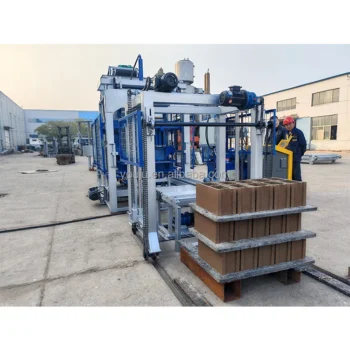
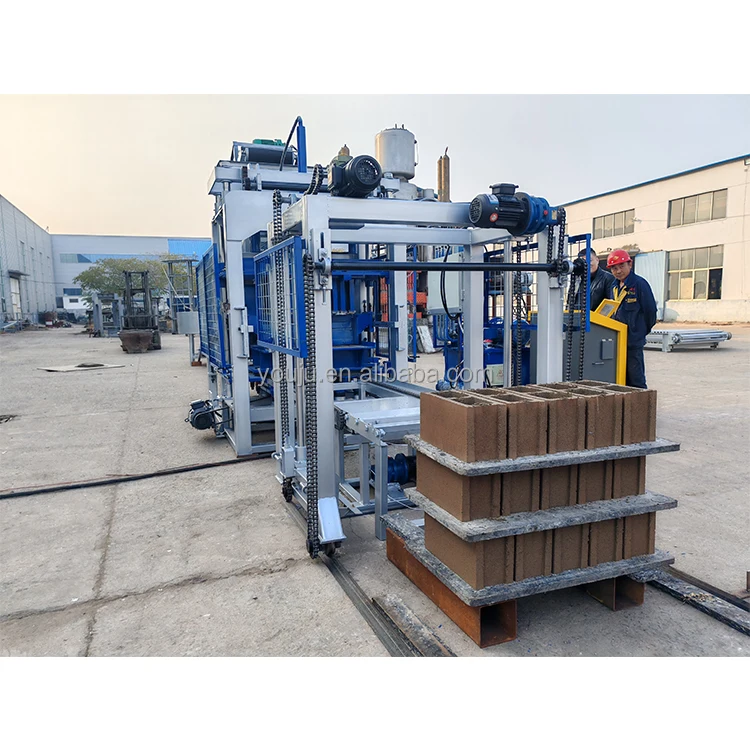
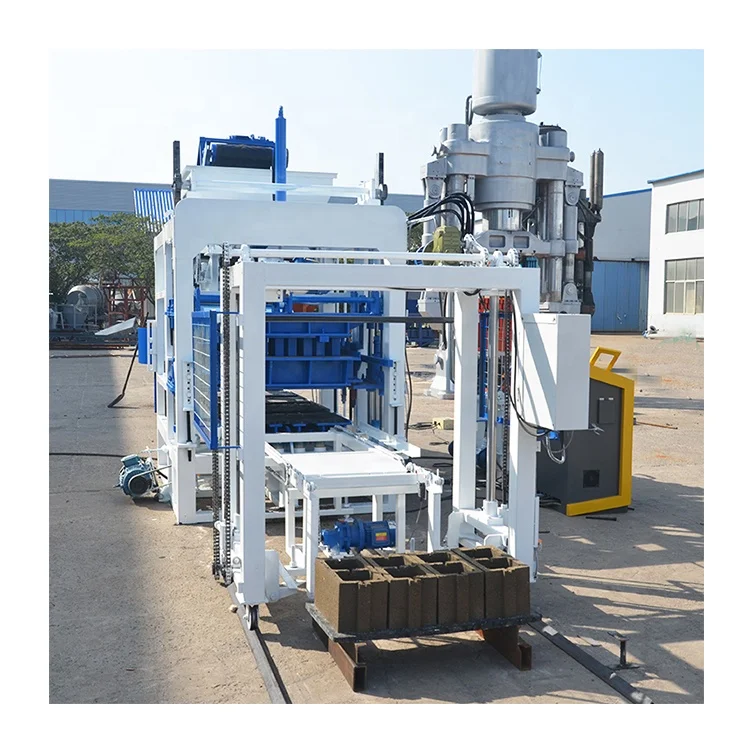
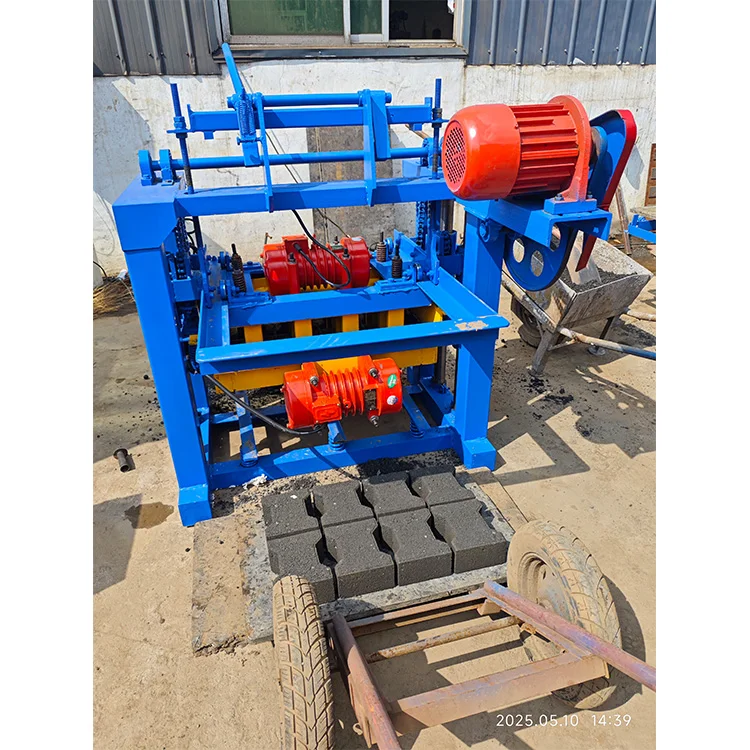
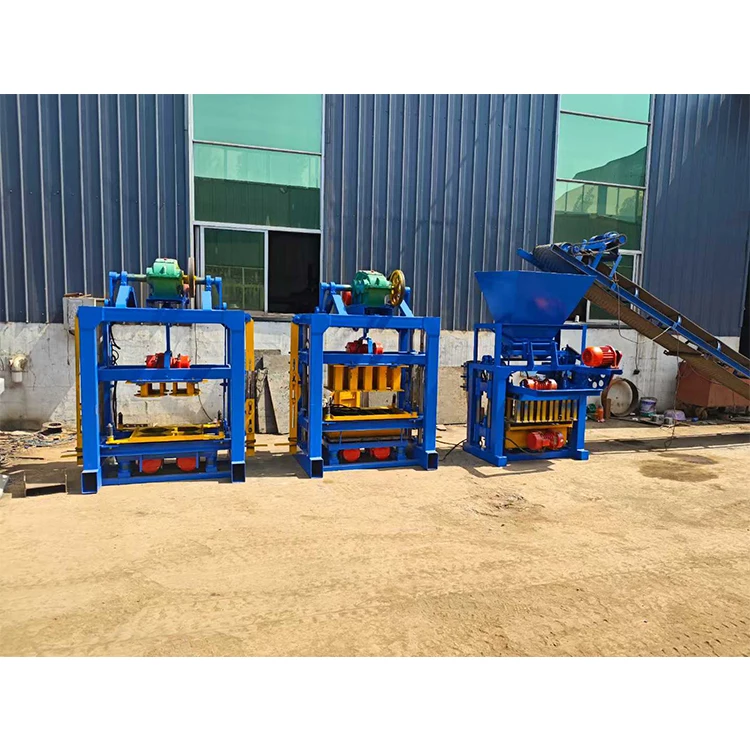
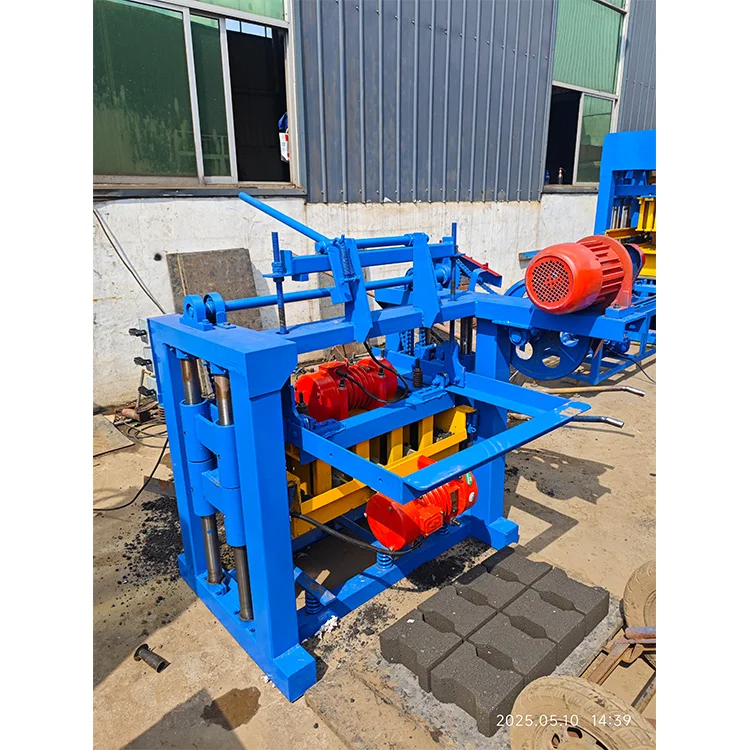
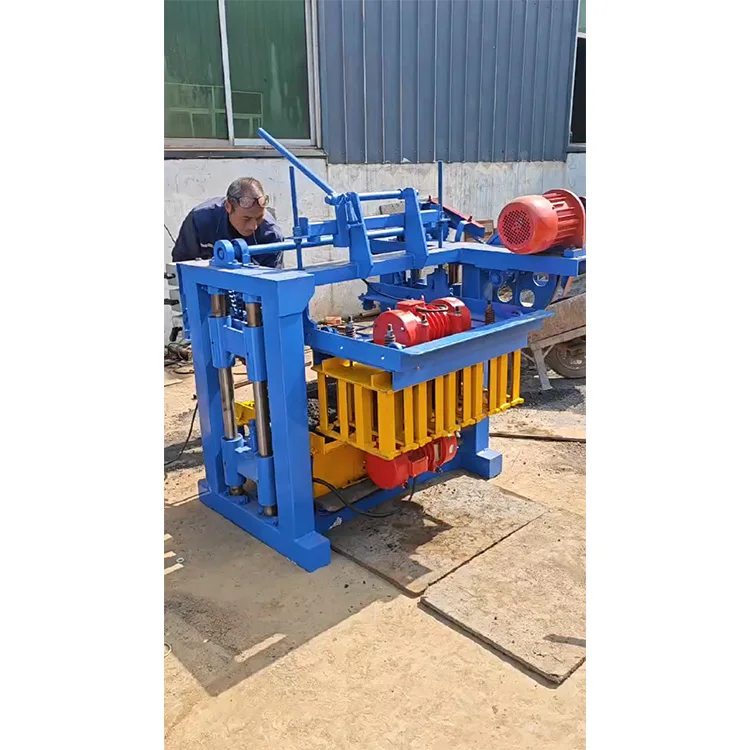
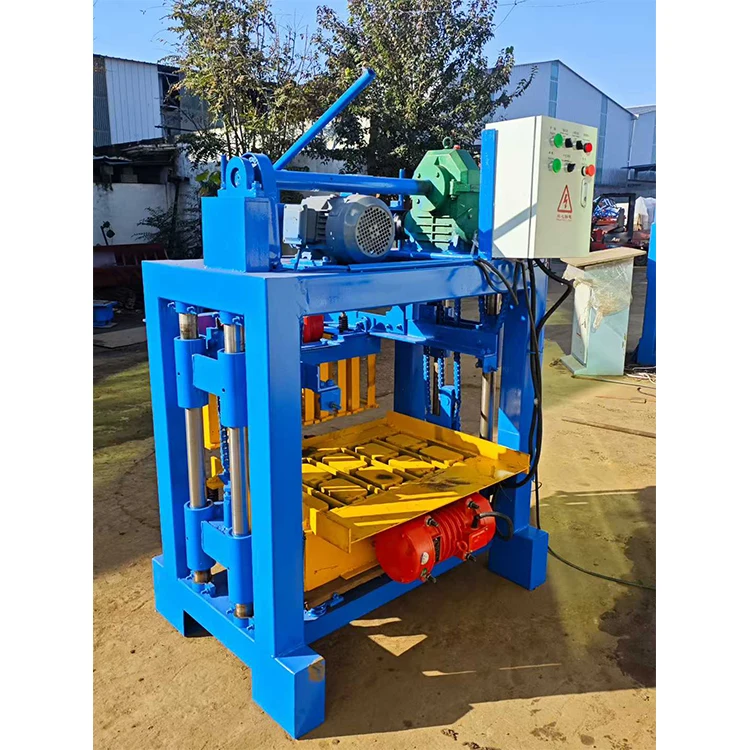
Stocked and ready to dispatch — the QTJ4-40 is held in our Linyi warehouse for quick container loading, so buyers facing a project deadline avoid the typical multi-week custom build wait.
Technical Specifications
| Parameter | Value |
|---|---|
| Model | QTJ4-40 |
| Product Type | Semi-Automatic Concrete Block Making Machine |
| Overall Dimensions (L×W×H) | 1350 × 1460 × 1800 mm |
| Rated Power | 10.4 kW |
| Molding Cycle | 40 s |
| Net Weight | 1.2 T |
| Pallet Size | 850 × 450 × 20 mm |
| Voltage | Configurable to local voltage (basis to be confirmed before dispatch) |
| Automation Level | Semi-automatic |
| Vibration System | Bed mould vertical vibration with upper mould compression vibration |
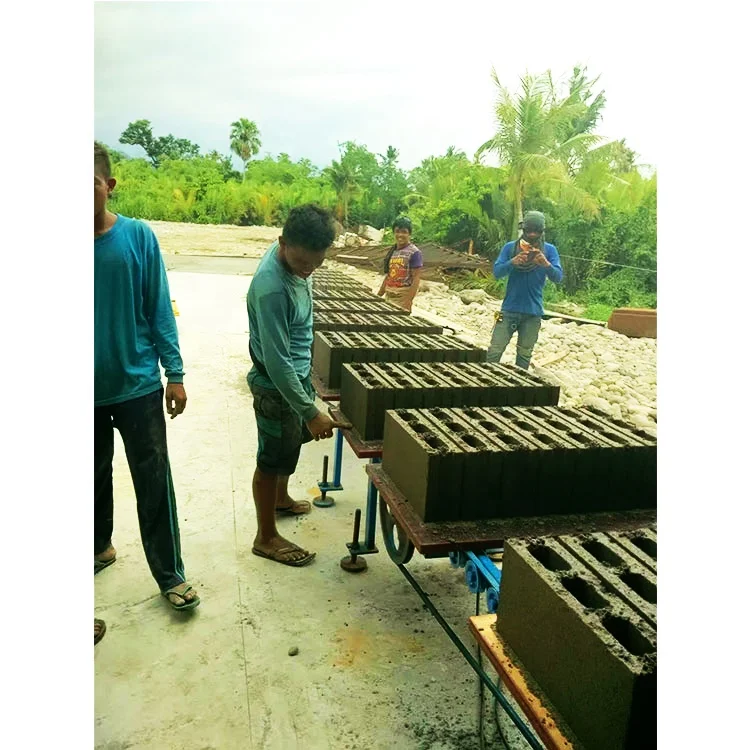
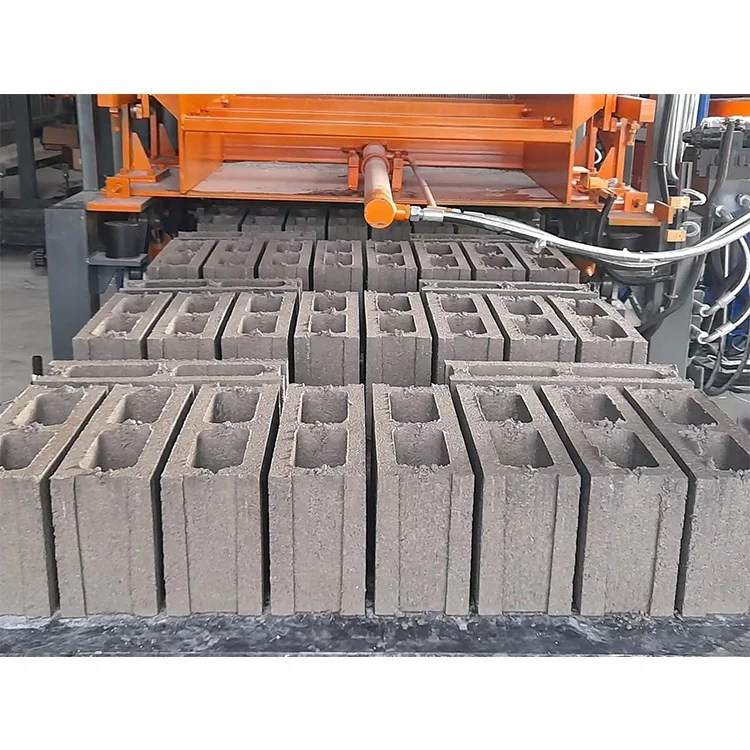
| Key Features | Multiple mould compatibility: hollow 400×200×200 mm (4 pcs/mould), hollow 400×150×200 mm (5 pcs/mould), solid 225×112.5×60 mm (9 pcs/mould) |
| Output Capacity (Hollow 400×200×200 mm) | 360 pcs/hour, 2,880 pcs/day (based on 4 pcs/mould, 8-hour shift) |
| Output Capacity (Hollow 400×150×200 mm) | 450 pcs/hour, 3,600 pcs/day (based on 5 pcs/mould, 8-hour shift) |
| Output Capacity (Solid 225×112.5×60 mm) | 800 pcs/hour, 6,400 pcs/day (based on 9 pcs/mould, 8-hour shift) |
| Raw Materials | Concrete, sand, cement, fly ash, lime, gypsum |
Application Suitability
| Application | Material or Output |
|---|---|
| Small block plant for hollow wall blocks | Crushed stone, sand, and cement producing 400×200×200 mm hollow blocks |
| On-site contractor production | Solid concrete bricks 225×112.5×60 mm for housing project masonry |
| Paver and solid brick start-up | Fly ash or sand-cement mixes for standard solid formats |
| Distributor demo or stock fulfillment | Standard stocked model for quick turnaround orders |
Why Voltage Confirmation Must Happen Before Dispatch
Every QTJ4-40 leaves our workshop only after the buyer’s voltage and frequency are locked in writing.
I once watched a shipment of semi-automatic block machines arrive at a West African port, the buyer connected a 380 V motor to a 415 V site supply, and the winding burned out within hours. The site crew then waited weeks for a replacement transformer while the construction schedule slipped. That single oversight cost far more than the machine itself. A semi-automatic block machine in stock means nothing if it cannot run on the day it arrives [NEED_CITE: voltage and frequency standards by export market].
Stock Availability and Container Loading
The QTJ4-40 weighs 1.2 T and measures 1350 × 1460 × 1800 mm, a compact footprint that fits inside a standard 20-foot container alongside moulds and pallets. Because the semi-automatic block machine in stock is held as a complete unit — press, vibration table, and control panel — there is no waiting for sub-assemblies from separate suppliers. Buyers working to a project deadline can confirm a dispatch date measured in days rather than production weeks.
Mould and Pallet Readiness for Immediate Shipment
Standard hollow and solid moulds for the QTJ4-40 are stocked alongside the press, so a buyer ordering a semi-automatic block machine in stock does not face a second lead time for tooling. Pallets at 850 × 450 × 20 mm ship in the same container. We confirm pallet material — fibre glass or wooden — against the buyer’s curing area before dispatch, because mismatched pallets create handling delays once the machine is on-site [NEED_CITE: pallet material durability under steam curing conditions].
Understanding the 40-Second Molding Cycle
The 40-second cycle combines bed mould vertical vibration with upper mould compression vibration. Vertical vibration compacts the concrete mix upward from the base, while the upper mould applies downward pressure to close the surface. This dual action determines block density and edge definition. For hollow blocks at 400 × 200 × 200 mm, four cavities fill per cycle, yielding a stated 360 pieces per hour. For solid bricks at 225 × 112.5 × 60 mm, nine cavities fill per cycle, producing a stated 800 pieces per hour. The cycle time remains constant; the daily output difference comes entirely from cavity count and block volume.
What Happens When Voltage Is Assumed Instead of Confirmed
A motor rated for one frequency running on another will spin at the wrong speed, altering vibration force and producing blocks with inconsistent density. In the worst case the winding overheats and fails, leaving a job site without production and without a local motor repair option. Commissioning delays from voltage mismatch are among the most common avoidable failures on exported machinery [NEED_CITE: common causes of motor failure in exported industrial equipment]. Every order we ship now carries a signed voltage and frequency confirmation sheet before the container is sealed.
Why Buyers Choose This Model From Our Stock
The QTJ4-40 is configured as one matched system — press, mould, pallet, and vibration settings — rather than assembled from separate component orders. Capacity is stated per block format with the cavity count and shift length declared, so daily output expectations match reality on the first production day. Mould inventory covers the formats most commonly sold in the buyer’s market, and custom drawings can be added for regional sizes. Voltage, frequency, and control language are confirmed before production or dispatch, removing the most frequent cause of on-site delay.
Documentation & Verification
- Factory test record on your specified block format before dispatch
- Voltage and frequency confirmation sheet signed prior to shipment
- Pallet specification matched to your curing method and forklift
- Mould drawing and format list included with packing documents
- Container loading photographs provided before vessel departure
Installation, Commissioning & Support
- Foundation pad sized to 1350 × 1460 mm footprint with anchor bolt template
- Dedicated circuit matching confirmed voltage and 10.4 kW rated power draw
- Machine arrives assembled; only mould and hopper require on-site fitting
- First production run supervised with parameter settings recorded for your mix
- Mould change procedure demonstrated to shift operators before handover
- Wear parts list provided with recommended reorder intervals for your daily output
What We Need to Confirm Your Dispatch Date
Tell us which block format your market sells most, the daily volume your site must produce, and your local voltage and frequency. We will match the stocked QTJ4-40 to your specification, confirm pallet material and mould selection, and return a dispatch date based on current warehouse availability.
Frequently Asked Questions
Q: Which block formats are in stock and what is the realistic daily output for each?
A: Standard hollow moulds for 400×200×200 mm and 400×150×200 mm, plus solid 225×112.5×60 mm, ship with the stocked QTJ4-40. Daily output is stated per format: 2,880 pieces for the largest hollow block, 3,600 for the narrower hollow, and 6,400 for the solid brick, each based on an eight-hour shift and the 40-second molding cycle.
Q: How quickly can the QTJ4-40 be dispatched and what is the estimated arrival time?
A: Stocked units can be loaded into a container once voltage, frequency, and pallet material are confirmed in writing. Transit time depends on destination port and shipping line schedules. We provide an estimated arrival date at the quotation stage based on current vessel bookings.
Q: Can the voltage and frequency be configured to my country’s standard before shipment?
A: Yes. We confirm your site voltage and frequency before dispatch and fit the matching motor and control components. A signed confirmation sheet is required before the container is sealed, because operating a motor at the wrong voltage is the leading cause of commissioning failure on arrival.
Q: What pallet material options are available and do I need to source them locally?
A: Fibre glass and wooden pallets at 850×450×20 mm are available from stock. We recommend confirming which material suits your curing method — steam, water spray, or open-air — so the pallets last through repeated cycles. Pallets ship in the same container as the machine.