
Description
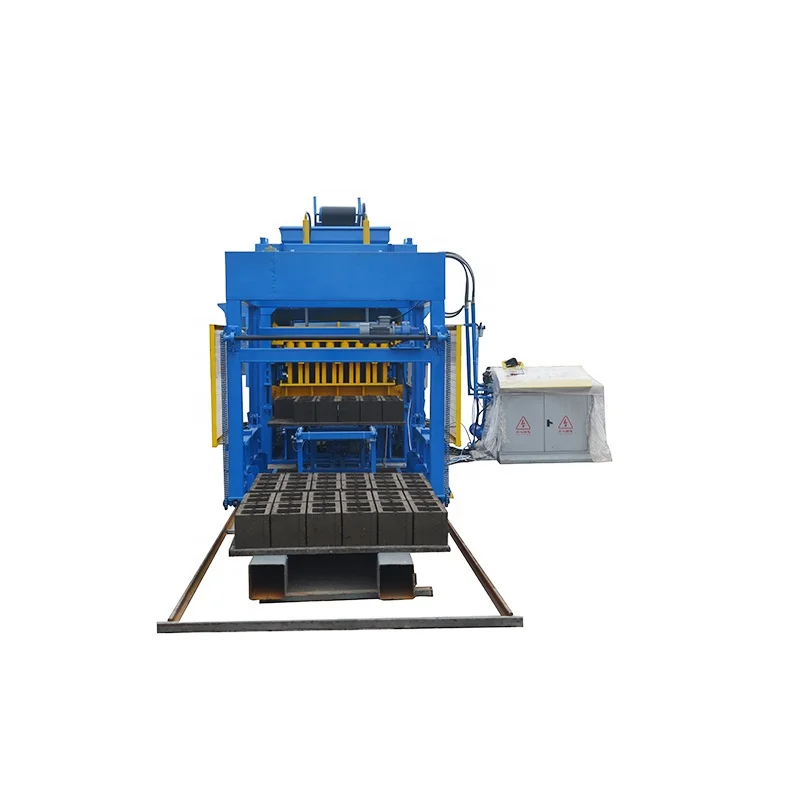
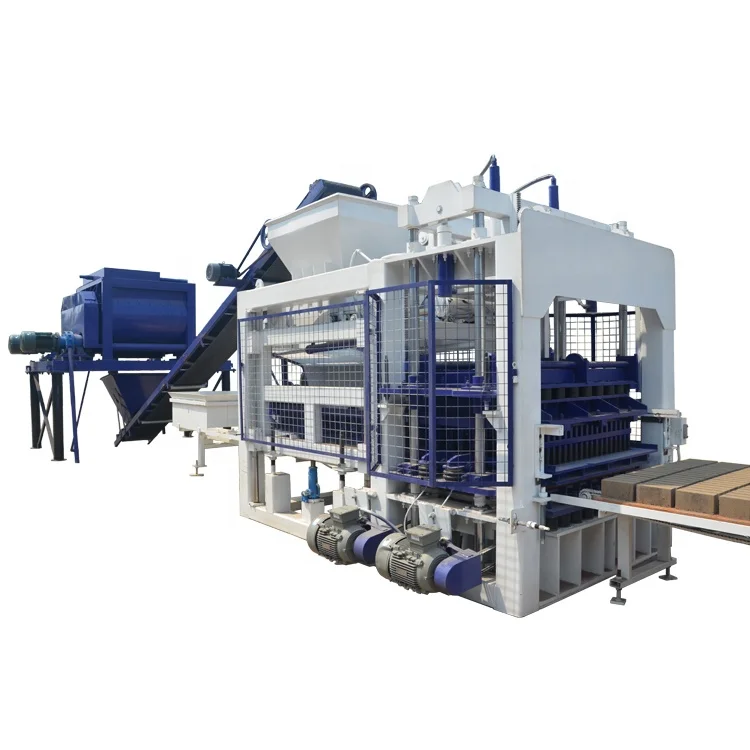
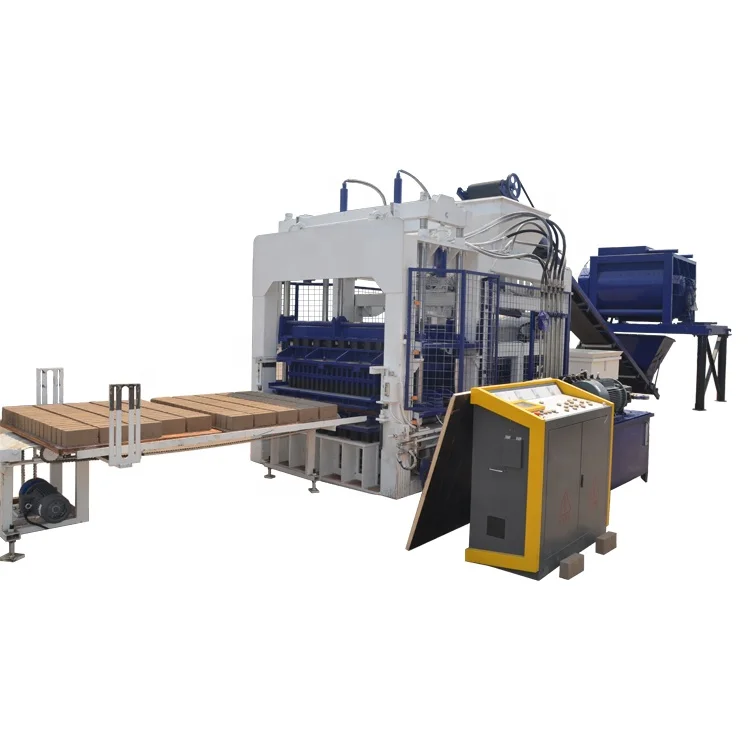
Stocked QT12-15 readiness — every machine leaves the factory only after the buyer’s local voltage and frequency are confirmed on paper, preventing the two-week site delays I have seen when a 50Hz motor meets a 60Hz grid.
Technical Specifications
| Parameter | Value |
|---|---|
| Model | QT12-15 |
| Product Type | Hydraulic Block Making Machine |
| Total Power | 62 kW |
| Pallet Size | 1300 × 900 mm |
| Moulding Cycle | 15–30 seconds (basis to be confirmed at inquiry) |
| Vibration Type | Table vibration |
| Vibration Force | 120 kN |
| Vibration Acceleration | Up to 20 g (source value — verify) |
| Vibration Control | Frequency conversion with dynamic and static table |
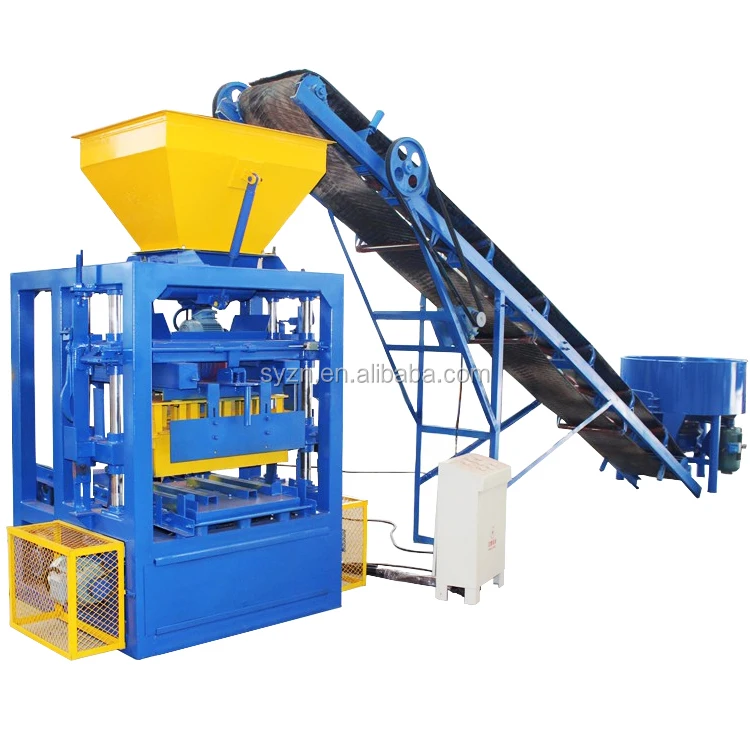
| Feeding System | Press-in arch breaker with 360° rotation |
| Wear Plate | Replaceable cloth platform wear-resistant plate |
| Noise Reduction | Flexible vibration reduction on pressure head; adjustable pressure air bag in mould box |
| Voltage | Customized to local industrial supply |
| Mould Compatibility | Customized to buyer’s block formats |
Application Suitability
| Application | Material or Output |
|---|---|
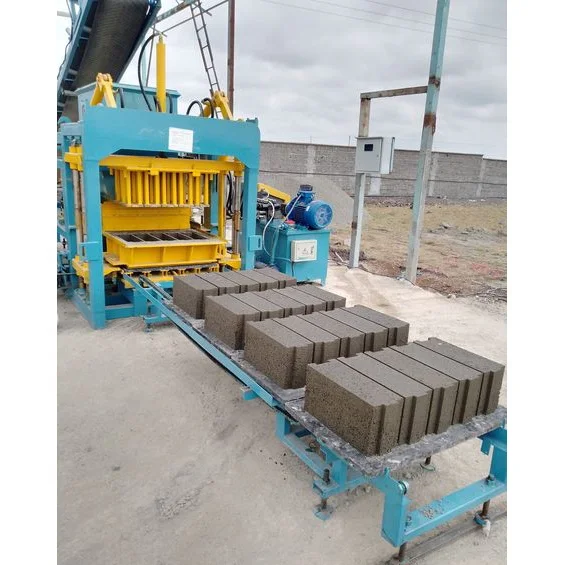
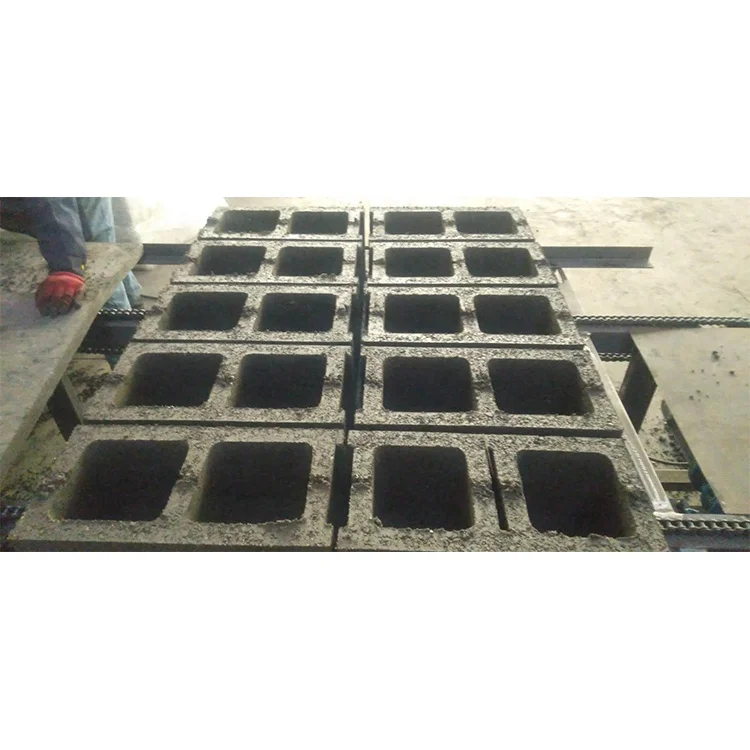
| Hollow block production | Crushed stone, sand, cement, fly ash |
| Paving brick manufacturing | Aggregate blends with fine sand and pigment |
| Wall block forming | Lightweight or dense concrete mixes |
| Porous brick production | Permeable aggregate and cement compositions |
| Slope protection brick | Heavy-weight concrete for erosion control formats |
What "15–30 Seconds" Actually Means on Site
Cycle time is only meaningful once the block format, mix design and pallet size are locked together.
A QT12-15 block machine in stock can leave the warehouse quickly, but the moulding cycle printed in a brochure assumes a specific block geometry and material blend. When the local aggregate is coarser than the default setting, the vibration table needs more seconds to achieve full compaction. When the buyer switches from a 400 mm hollow block to a thin paving brick, the press closes faster but the feeder must distribute a different volume. I have watched projects stall because the daily output was calculated on one format and the plant was commissioned on another. [NEED_CITE: relationship between block format and realistic cycle time in hydraulic presses]
Dispatch Lead Time and Container Loading
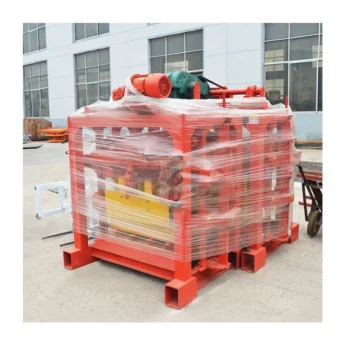
Buyers working against a project deadline need to know which QT12-15 block machine in stock variants are ready for immediate packing and which are built to order. Standard configurations with common pallet sizes are typically assembled and tested before an inquiry arrives, while custom mould sets and non-standard voltage packages add production time. Container loading plans are drafted before the order is confirmed so the buyer sees exactly how the press, feeder and pallet stack fit into standard containers, avoiding surprise handling costs at the destination port.
Voltage and Frequency Confirmation Before Dispatch
A fast delivery schedule means nothing if the machine sits idle after arrival. In my years handling shipments across the Middle East, I saw a fully automatic paver line delayed by weeks because the motor was wound for 50 Hz while the local grid ran at 60 Hz. Every QT12-15 block machine in stock now goes through a written voltage and frequency confirmation step before the electrical panel is wired. The confirmation sheet lists supply voltage, phase, frequency, and control display language, signed off by both sides. [NEED_CITE: industrial voltage and frequency standards by export region]
Reading the Specs That Matter for Daily Output
The 1300 × 900 mm pallet determines how many blocks are formed per cycle and must match the curing racks and forklifts already on site. The 62 kW total power covers the vibration motors, hydraulic pump and feeder drive; the buyer’s transformer must accommodate the starting current of the largest motor. Frequency conversion control on the vibration table lets the operator adjust acceleration to suit different mix stiffness, which is critical when switching between dense hollow blocks and lighter porous bricks within the same shift. The press-in arch breaker with 360° rotation ensures even material distribution across the full pallet area, reducing density variation from edge to center.
The Hidden Cost of Skipping Pre-Shipment Checks
When a machine arrives with the wrong voltage rating, the buyer faces a choice between rewinding motors locally or waiting for replacement parts shipped from overseas. Either path adds idle days and idle labour to a project that was supposed to be producing blocks. Mould sets that were not tested against the buyer’s actual mix design can produce blocks with inconsistent strength, leading to rejected batches and wasted raw material. I have seen curing areas rebuilt because the pallet size did not fit the existing rack spacing. [NEED_CITE: cost impact of commissioning delays in overseas machinery projects]
Why Source This Machine Here
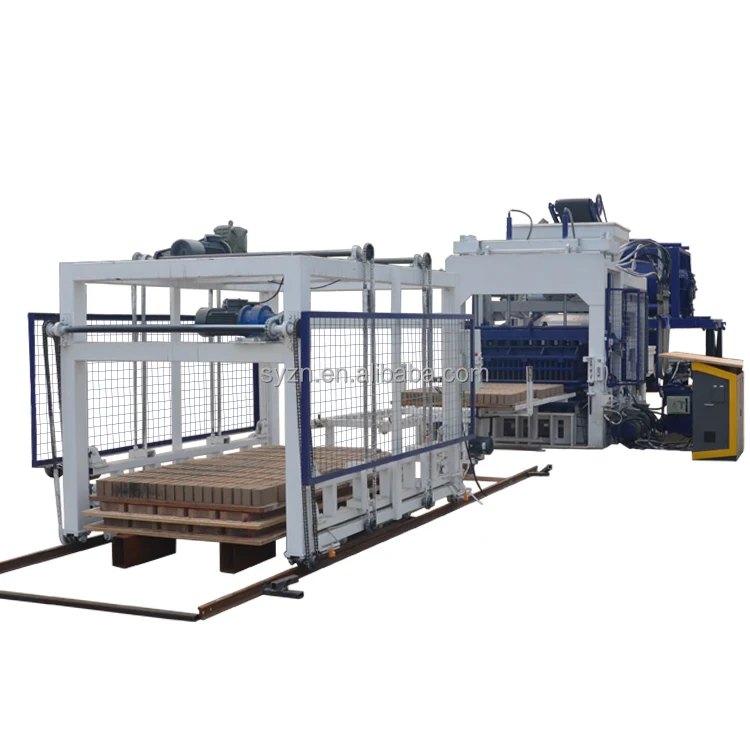
Block machinery is the single product focus, so the QT12-15, its moulds, pallets and handling equipment are specified as one matched system rather than assembled from unrelated suppliers. Configuration starts from the buyer’s actual mix design and target block format, not a catalogue default. Mould design and supply cover the formats the buyer’s market actually sells, with custom drawings reviewed before production. Automation level is selectable, allowing a buyer to start with semi-automatic operation and add stacking or cubing later. Dispatch documentation, packing photographs and customs paperwork are prepared in parallel with assembly so the machine clears the port without unnecessary hold-ups.
Documentation & Verification
- Factory test record run on the buyer’s specified block format before dispatch
- Voltage and frequency confirmation sheet signed before electrical panel wiring
- Mould drawing and format list matched to buyer’s product range
- Packing photographs showing dismantling method and container loading layout
- Hydraulic and electrical schematic provided for on-site maintenance reference
Installation, Commissioning & Support
- Foundation drawing issued early to accommodate 1300 × 900 mm pallet footprint and 62 kW load
- Dedicated circuit sizing confirmed against local transformer capacity before wiring begins
- Machine dismantled into container-sized modules with labelled connection points for quick reassembly
- First-run cycle tuned on buyer’s actual aggregate and cement blend to set vibration parameters
- Operator training covers mould change procedure and frequency conversion adjustment
- Wear parts list and mould inventory provided for first replacement planning
What to Include in Your Inquiry
To match the right configuration and confirm realistic dispatch timing, provide the block formats you plan to produce, your local industrial voltage and frequency, and the curing area layout you already have on site. If you have a fixed project start date, state it upfront so the shipping window can be planned around it.
Frequently Asked Questions
Q: Which QT12-15 configurations are currently in stock versus made-to-order?
A: Standard QT12-15 units with common pallet sizes and default voltage packages are assembled and factory-tested ahead of order. Custom mould sets, non-standard voltages, or specialised control languages require additional build time. Dispatch lead time for each variant is quoted at inquiry so buyers can plan around project deadlines.
Q: How is the machine dismantled and loaded into containers?
A: The press, feeder and pallet stacker are separated into container-sized modules with labelled hydraulic and electrical connections. A loading plan with packing photographs is shared before shipment so the buyer knows the container count and any special handling needed at the destination port.
Q: Can voltage, frequency and control language be locked before shipping?
A: Yes. A written confirmation sheet listing supply voltage, phase, frequency and PLC display language is signed by both parties before the electrical panel is wired. This step prevents commissioning delays caused by motor or control mismatches after the machine arrives on site.
Q: What is the realistic arrival estimate from order to site?
A: Arrival depends on stock status, sea transit time and destination port clearance. Production and documentation run in parallel to compress the timeline. Customs documentation support is included so paperwork is ready when the container reaches the port.
Q: Do custom moulds add lead time to delivery?
A: Standard mould formats ship alongside stocked machines without extra delay. Custom moulds designed to buyer drawings require additional engineering and machining time, which is quoted separately and added to the overall dispatch schedule.