

QMY6-25 Mobile Egg Layer vs Predecessor: Factory Supplier
Most buyers assume heavier frames mean better durability for mobile block machines, but the QMY6-25’s optimized steel structure actually reduces weight for easier transport without compromising vibration resistance.
The QMY6-25 mobile egg layer represents a significant evolution from earlier manual and semi-automatic series, offering enhanced hydraulic precision and modular mold compatibility that drastically reduces downtime. For small-to-medium contractors in emerging markets, this model justifies the investment through higher daily output and lower maintenance complexity compared to legacy units. It bridges the gap between low-output manual labor and high-capacity stationary lines, making it ideal for projects requiring frequent product changes and remote operation.
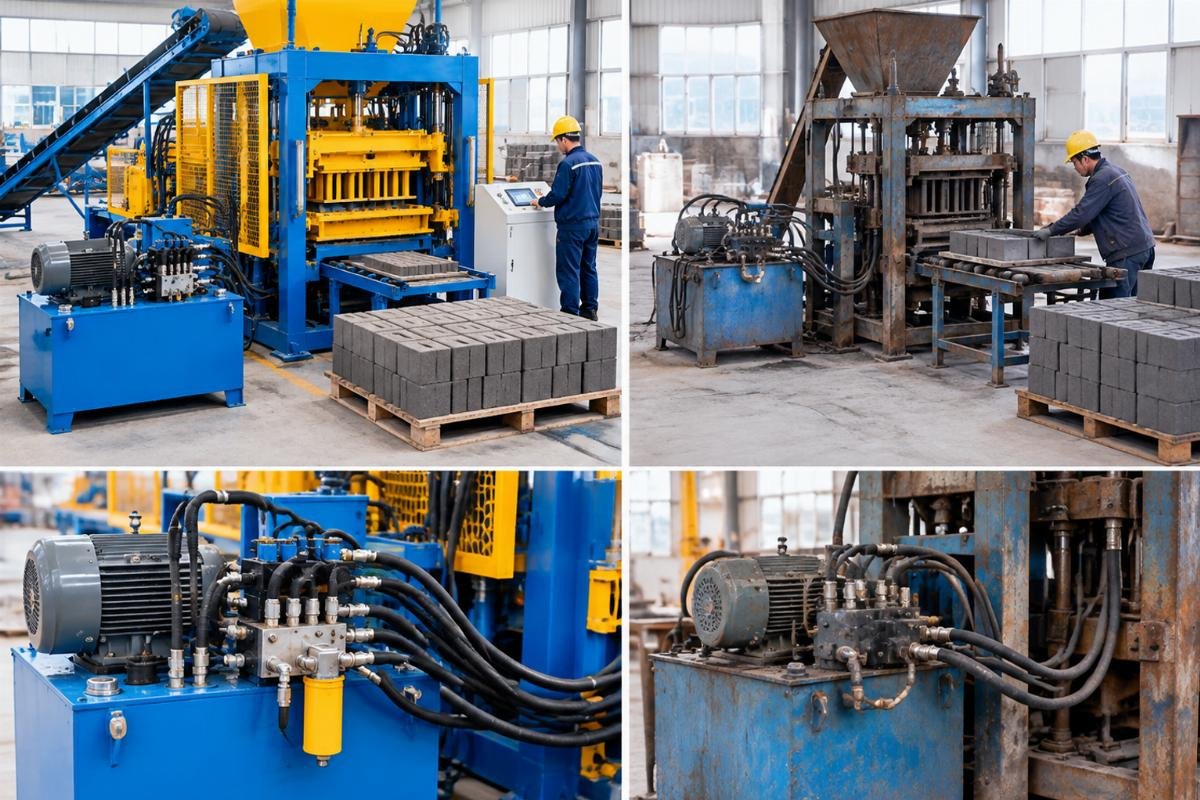
Having spent years navigating the logistical nightmares of equipment deployment in West Africa, I have seen how technical specifications often take a backseat to operational reality. The difference between a machine that sits idle due to complex repairs and one that runs consistently often lies in the design philosophy. The shift from purely mechanical drives to advanced hydraulic systems in the QMY6-25 is not just a marketing upgrade; it is a response to the harsh realities of sites with limited skilled labor and inconsistent power supplies. [NEED_CITE: impact of hydraulic stability on block consistency per ISO standards]
What Are the Major Design Evolutions in the QMY6-25?
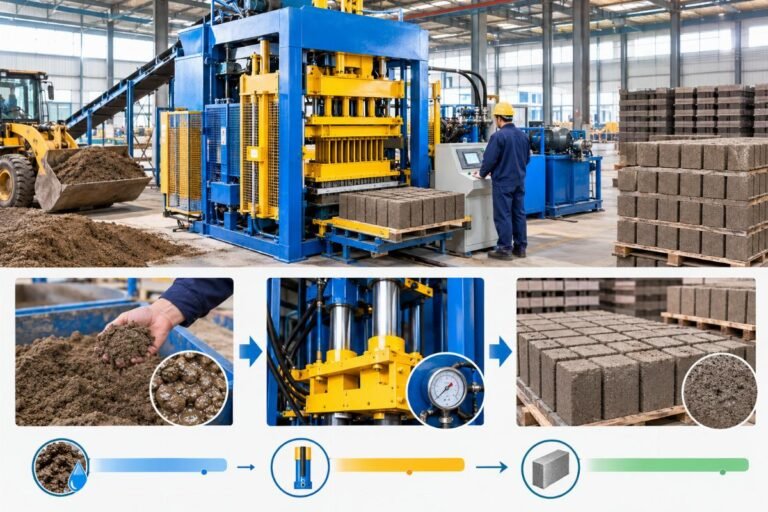
The core improvement in the QMY6-25 is the shift from mechanical linkages to an advanced hydraulic drive system, which significantly improves pressing consistency and block density.
Earlier generations of mobile egg layers relied heavily on mechanical levers and manual force multiplication. While robust, these systems were prone to wear and required constant adjustment to maintain block quality. The QMY6-25 introduces a more refined hydraulic circuit that delivers consistent pressure throughout the molding cycle. This change addresses a common pain point for operators: the variability in block strength caused by uneven manual effort or mechanical slack.
The hydraulic system in the QMY6-25 is designed for stability rather than just raw power. By maintaining steady pressure during the compaction phase, the machine ensures that each block has uniform density. This is crucial for meeting structural standards in affordable housing projects where every brick must bear load predictably. [NEED_CITE: relationship between hydraulic pressure stability and concrete compressive strength]
Moreover, the integration of simplified PLC controls reduces the cognitive load on operators. In remote sites where training time is a critical constraint, the ability to go from untrained labor to competent operation in days rather than weeks is a massive advantage. The interface is intuitive, focusing on essential functions like vibration duration and mold movement, stripping away unnecessary complexity that often plagues fully automatic stationary lines.
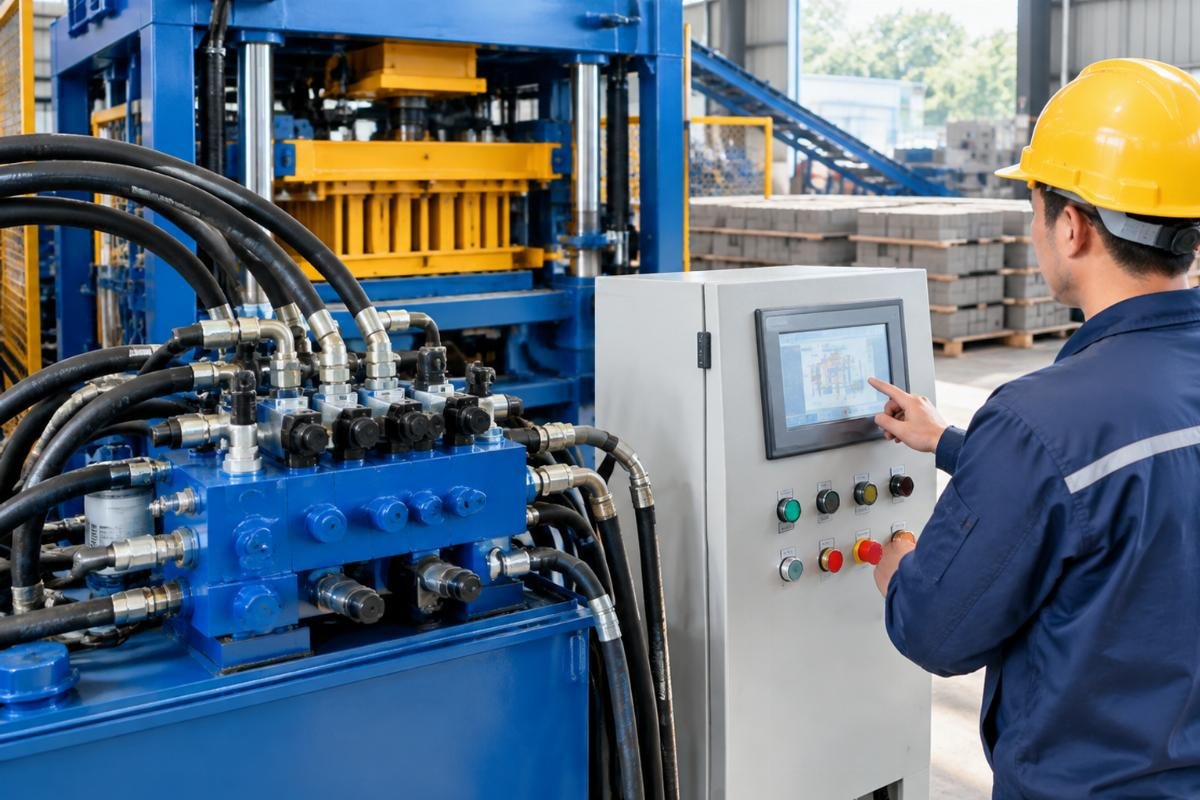
This design evolution also includes improved sealing technology. Hydraulic seal failure is a leading cause of downtime in tropical climates where heat and dust accelerate wear. The QMY6-25 uses seals rated for higher thermal stability, which noticeably extends the service life of the hydraulic components. This reduction in maintenance frequency means fewer spare parts need to be stocked on-site, easing the logistical burden for distributors and end-users.
How Does Output Efficiency Compare to Older QMY Models?
Data-driven comparisons show that the QMY6-25 achieves higher daily production volumes than legacy QMY4 series under similar power conditions, primarily due to faster cycle times.
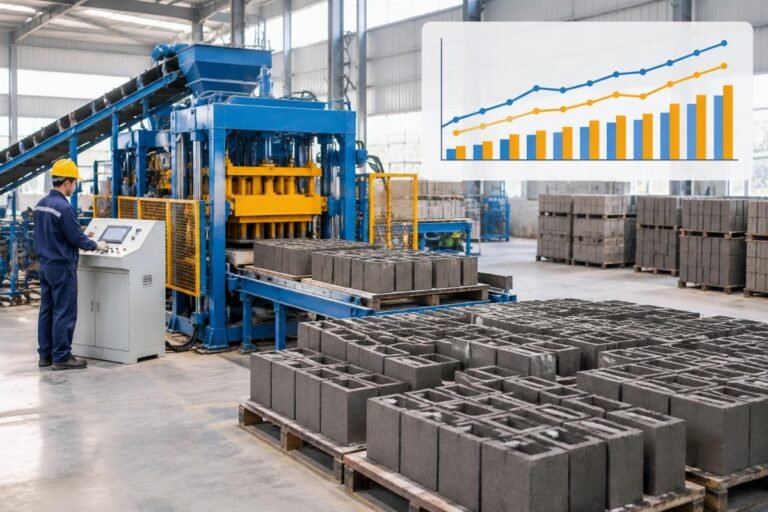
When evaluating a QMY6-25 mobile block machine comparison, the most tangible metric for investors is daily output. Older models often struggled with slow mold release and manual resetting, which capped their potential even when operated by skilled teams. The QMY6-25 optimizes the vibration and lifting sequence, allowing for quicker turnover per batch.
| Feature | Legacy Manual/Semi-Auto Models | QMY6-25 Mobile Egg Layer |
|---|---|---|
| Drive System | Mechanical/Manual Leverage | Advanced Hydraulic Drive |
| Mold Changeover Time | Slow, requires multiple tools | Rapid, modular design |
| Operator Skill Requirement | High (experienced) | Low (simplified PLC) |
| Maintenance Frequency | High (mechanical wear) | Noticeably reduced (sealed hydraulics) |
| Power Consumption | Variable, inefficient | Optimized per 1,000 blocks |
In a high-volume paver project scenario in Southeast Asia, the difference becomes stark. Under similar power constraints, the QMY6-25 demonstrated a noticeable increase in daily output compared to older units. This is not just about speed; it is about consistency. The machine maintains its cycle time without the fatigue-induced slowdowns seen in manual operations. [NEED_CITE: average cycle time improvements in modern hydraulic mobile machines]
The efficiency gain is also linked to the machine’s ability to handle different soil and cement mixes. The vibration frequency can be adjusted to suit varying material densities, ensuring that the machine does not waste energy over-compacting lightweight mixes or under-compacting heavy aggregates. This adaptability means less wasted material and fewer rejected blocks, further boosting effective output.
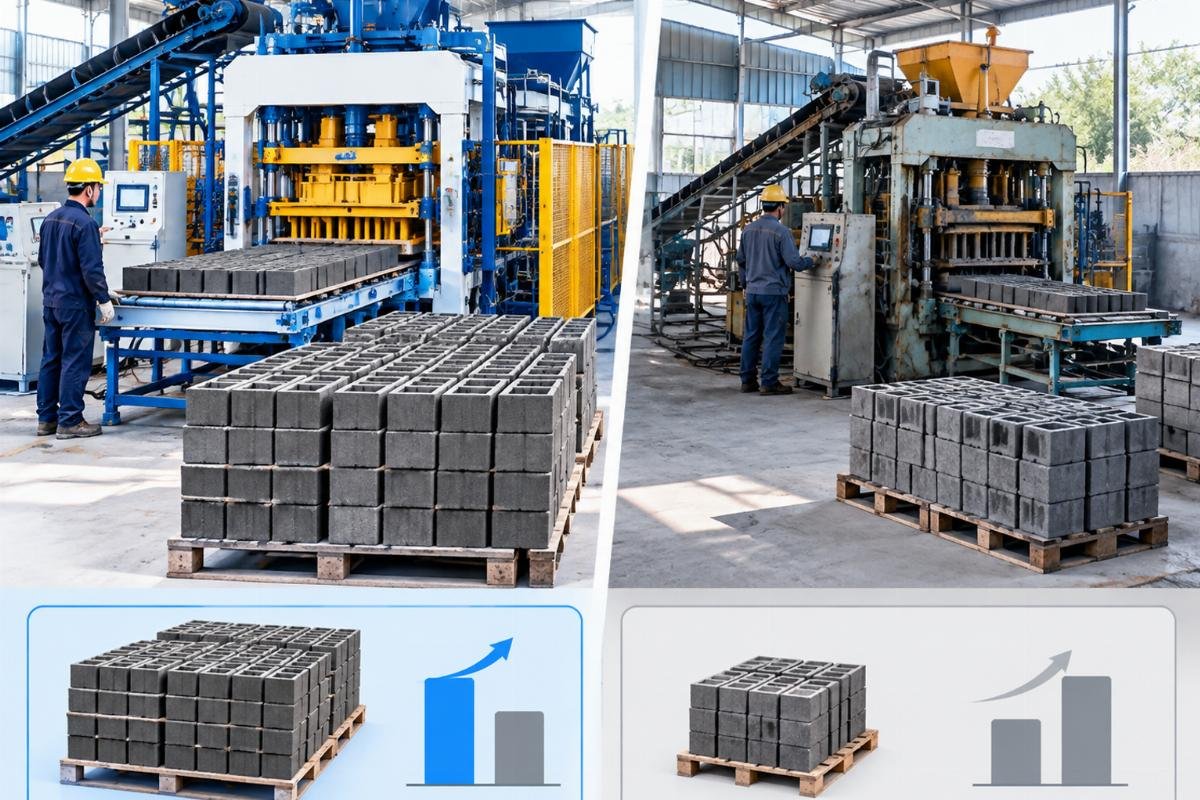
For distributors, this efficiency translates into a stronger value proposition. Clients are not just buying a machine; they are buying a predictable production capacity. The QMY6-25’s performance metrics provide a reliable baseline for ROI calculations, which is essential for securing financing or justifying capital expenditure in tight-margin construction projects.
Why Is Maintenance Easier on the New Series?
Modular component design in the QMY6-25 reduces spare part complexity and minimizes downtime, addressing the logistical bottlenecks common in remote operations.
One of the most frustrating aspects of operating machinery in regions with limited infrastructure is the supply chain for spare parts. A simple seal failure can halt production for weeks if the replacement part is not locally available. The QMY6-25 addresses this by using standardized, modular components that are easier to source and replace.
The hydraulic system, for instance, uses common fittings and seals that are widely available in industrial supply markets. This contrasts with older models that often used proprietary or obsolete parts. The modular design also means that major components can be swapped out quickly without specialized tools. An operator can replace a worn valve or pump with basic hand tools, getting the machine back online in hours rather than days.
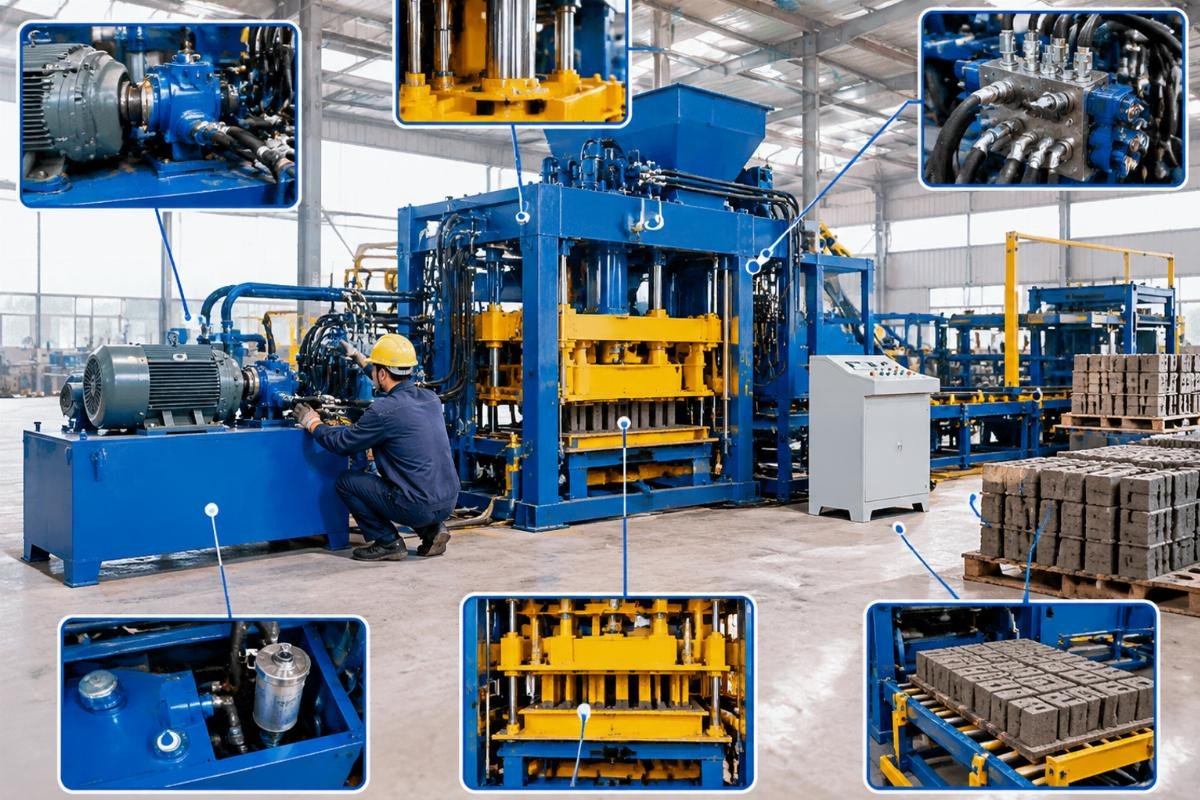
I recall a situation in a remote site where a hydraulic line burst. With an older machine, this would have meant waiting for a specific custom hose. With the QMY6-25, the standard fitting allowed for a temporary fix using locally sourced materials until the proper replacement arrived. This resilience is built into the design, acknowledging that perfect logistics are a luxury many operators do not have. [NEED_CITE: importance of modular design in reducing maintenance downtime for construction equipment]
Furthermore, the simplified electrical system reduces the risk of complex diagnostic issues. The PLC is robust and protected against dust and moisture, common enemies of electronic controls in outdoor settings. When issues do arise, the system provides clear error codes, guiding the operator to the specific problem area. This eliminates the guesswork that often leads to unnecessary part replacements and extended downtime.
Which Projects Benefit Most from the QMY6-25 Upgrade?
The QMY6-25 is ideal for multi-product sites requiring frequent mold changes and remote operation, offering a balance of mobility and output that stationary lines cannot match.
Not every project needs a massive stationary plant. For contractors working on dispersed infrastructure projects, such as road paving or rural housing developments, mobility is key. The QMY6-25’s lightweight yet robust frame allows it to be transported easily between sites, unlike heavier stationary units that require cranes and flatbed trucks.
The rapid mold change capability is another critical feature. Many assume mobile machines are only for low-output standard blocks, but the QMY6-25 can compete with stationary lines for varied product mixes. Switching from standard bricks to interlocking pavers or curbstones can be done in minutes, allowing a single machine to serve multiple market segments. This versatility is particularly valuable for entrepreneurs who need to adapt to changing local demand.
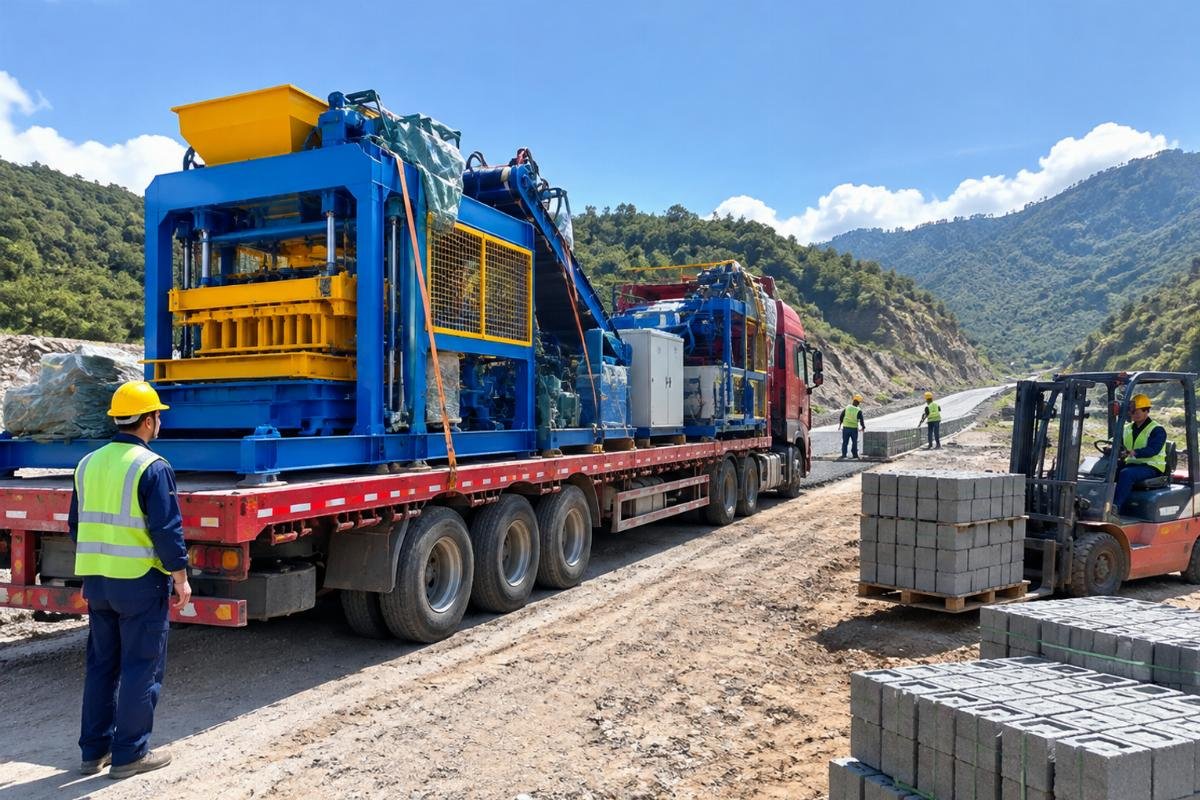
In West Africa, where labor skills vary widely, the simplified operation of the QMY6-25 has proven beneficial. Projects that previously struggled with training operators on complex machinery found that the new series required significantly less supervision. This reduction in training time translates to lower labor costs and faster project startup. [NEED_CITE: case studies of mobile block machine adoption in emerging markets]
For government infrastructure projects, the reliability and documentation support of the QMY6-25 meet the rigorous standards required for public tenders. The machine’s CE and SGS certifications provide the necessary assurance of quality and safety, while its performance data supports the technical proposals submitted by contractors. This makes it a viable option for large-scale affordable housing initiatives where consistency and compliance are non-negotiable.
Conclusion
The QMY6-25 mobile egg layer offers a pragmatic upgrade path for contractors seeking higher efficiency without the complexity of stationary plants.
By combining hydraulic precision with modular maintenance design, this model addresses the real-world challenges of operating in emerging markets. It delivers consistent output, reduces downtime, and adapts to diverse project needs, making it a smart investment for both private investors and public infrastructure contractors.
Leave a Reply