
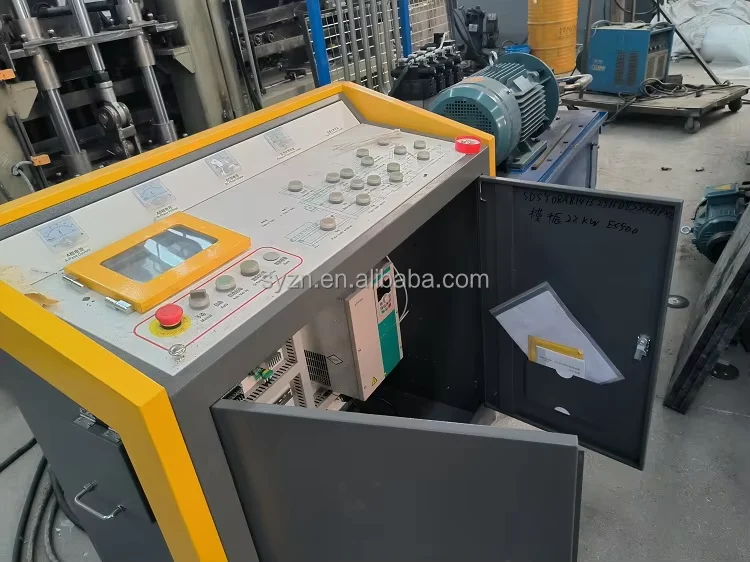
Description
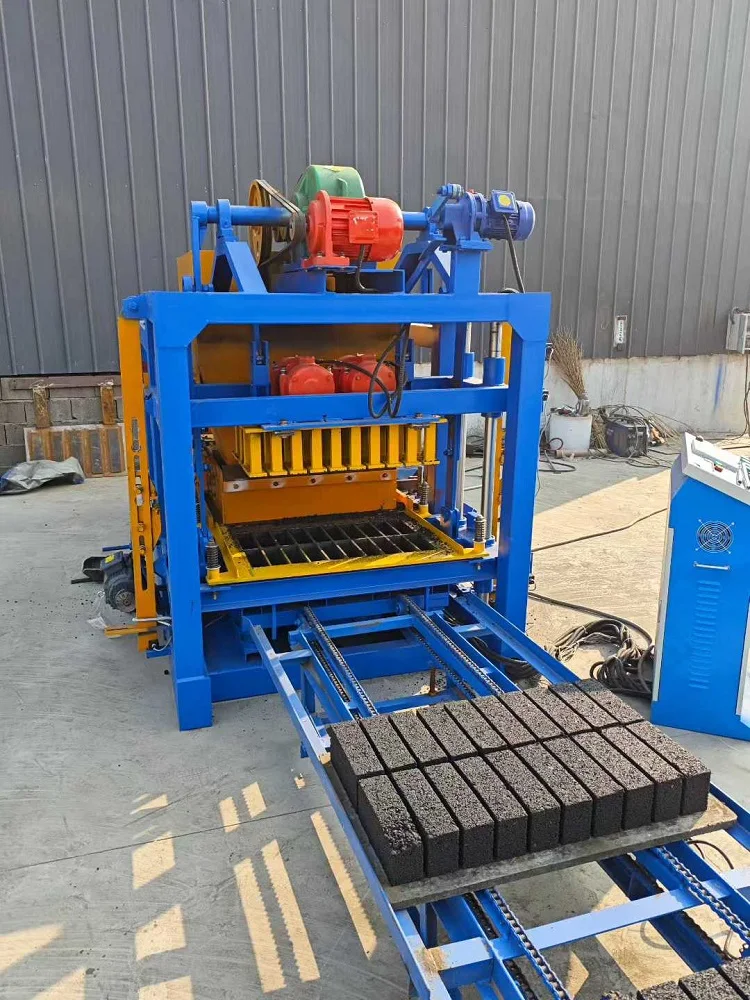
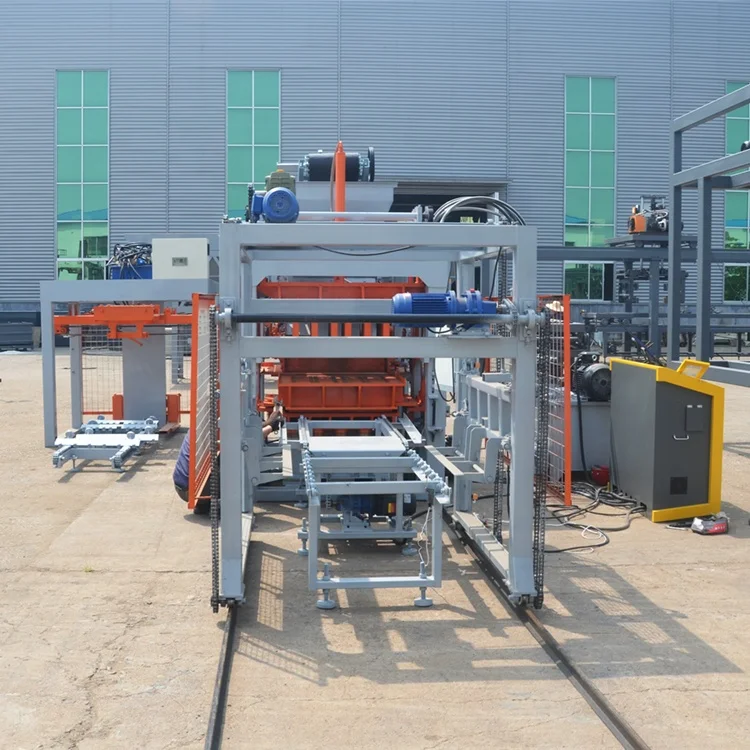
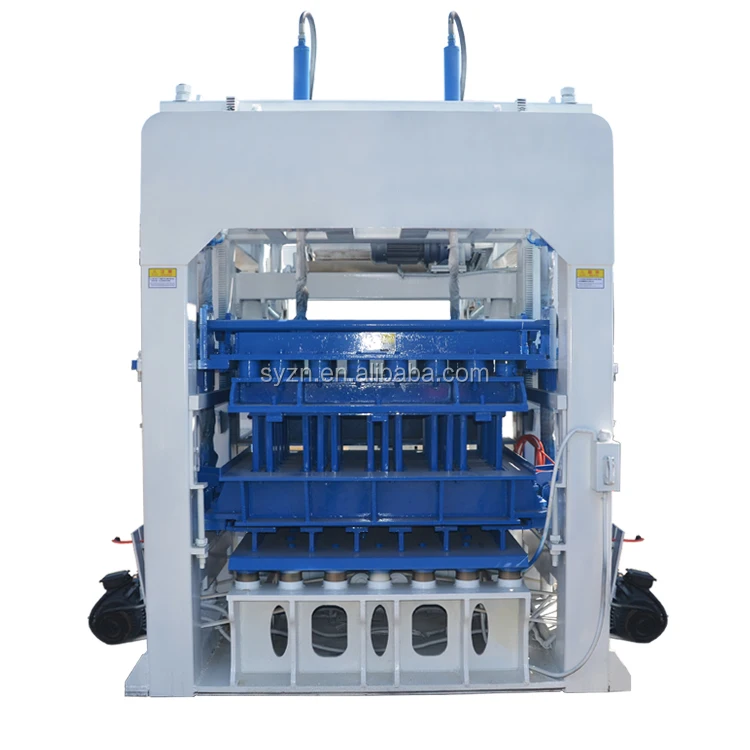
Stocked Mainframe Readiness — The QT10-15 block making machine in stock is pre-assembled and tested, eliminating custom manufacturing delays and ensuring immediate container loading for deadline-driven sites.
Technical Specifications
| Parameter | Value |
|---|---|
| Model | QT10-15 |
| Product Type | Fully Automatic Block Making Machine |
| Control System | PLC |
| Forming Method | Hydraulic pressure, Vibration Molding |
| Voltage Options | 400 V, 330 V, 380 V, 110 V, 415 V, 240 V, 440 V |
| Overall Dimensions (L×W×H) | 5870 × 2220 × 2850 mm |
| Net Weight | 10000 kg |
| Core Components | Pressure Vessel, PLC, Engine, Gear |
| Standard Mould Formats | 400×200×200 mm, 400×100×200 mm |
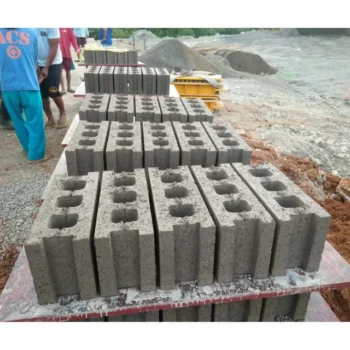
| Block Types | Hollow, Solid, Paver Block, Curbstone |
| Output Capacity | Rated output depends on specific block format (basis to be confirmed) |
| Cycle Time | Varies by material and block thickness (basis to be confirmed) |
| Certification | CE |
Application Suitability
| Application | Material or Output |
|---|---|
| Development contractor on-site production | Hollow and solid blocks from local cement and aggregates for housing milestones |
| Building material distributor inventory | Standard paver blocks and curbstones for rapid local market replenishment |
| Emergency infrastructure projects | Immediate deployment of heavy-duty block forming for urgent civic works |
Why the Voltage Question Must Precede the Dispatch Date
Confirming the exact site voltage and frequency is the most critical step before loading the QT10-15 block making machine in stock.
I have stood on Middle Eastern project sites watching a fully functional block press sit idle for weeks because the local grid could not support the factory default electrical setup. Waiting for custom transformers to arrive while a construction deadline slips away is an avoidable disaster. Securing the QT10-15 block making machine in stock means nothing if the machine cannot be powered on upon arrival. Verifying the PLC display language and electrical schematics against local standards prevents these costly commissioning standoffs [NEED_CITE: voltage and frequency standards by export market].
Container Loading and Dismantling Protocols
Preparing a heavy block press for ocean freight requires precise dismantling to maximize space and protect sensitive components. The mainframe of the QT10-15 block making machine in stock is secured to the container floor, while the hydraulic station and PLC cabinet are crated separately to prevent transit damage. This systematic breakdown ensures the equipment arrives intact and can be rapidly reassembled on your foundation.
Upfront Arrival Estimates and Dispatch Timelines
Project managers need certainty, not vague shipping promises. When you reserve this equipment, you receive a confirmed dispatch lead time and a calculated arrival estimate to your destination port. We coordinate the booking, container loading, and customs documentation simultaneously, ensuring the physical transit matches your project schedule without hidden administrative delays.
Decoding the Physical and Electrical Footprint
The 5870 × 2220 × 2850 mm dimensions and 10000 kg net weight dictate your site preparation and lifting requirements. A reinforced concrete foundation must be poured and cured before the equipment arrives to handle the dynamic forces of vibration molding. Furthermore, the wide voltage configurability—ranging from 110 V to 440 V—means the electrical panel must be wired specifically for your region’s grid before the machine leaves our facility, ensuring the PLC and engine integrate smoothly with your local power supply.
The Hidden Costs of Rushed Procurement
Sourcing machinery purely based on immediate availability often leads to severe site mismatches. Buyers who skip the electrical verification process frequently face weeks of downtime waiting for step-down transformers. Others fail to confirm the PLC interface language, leaving local operators unable to troubleshoot basic faults. These oversights turn a fast-tracked equipment purchase into a prolonged logistical bottleneck that drains project budgets [NEED_CITE: common causes of industrial equipment commissioning delays].
The Advantage of Dispatch-Focused Fulfillment
Our approach prioritizes the physical readiness and logistical execution of your order. The mainframe and standard moulds are kept ready for immediate loading, bypassing standard manufacturing queues. We verify every electrical schematic against your site data before crating, ensuring the PLC and hydraulic systems match your exact grid specifications. Complete customs documentation is prepared in tandem with the loading process, preventing port holds and ensuring your machinery clears import checkpoints smoothly.
Documentation & Verification
- Factory test record confirming hydraulic pressure and vibration molding functions before dismantling.
- Electrical schematic and PLC wiring diagram matched to your confirmed local voltage and frequency.
- Container loading plan detailing the securing of the 10000 kg mainframe and crated components.
- Customs clearance documentation package prepared to prevent destination port delays.
Installation, Commissioning & Support
- Foundation guidelines based on the 5870 × 2220 × 2850 mm footprint to absorb vibration molding forces.
- Power connection requirements for the specific voltage configuration wired into the PLC cabinet.
- Reassembly procedures for the dismantled hydraulic station and pressure vessel upon site arrival.
- Initial parameter setting for the 400×200×200 mm hollow block format to verify cycle stability.
- Operational walkthrough of the PLC interface in the confirmed local language for site supervisors.
- Wear parts list for the gear and engine to schedule your first maintenance interval.
Next Steps for Project Alignment
To finalize the dispatch schedule, please provide your exact site voltage, frequency, and required PLC language. We also need your destination port details to calculate the arrival estimate and prepare the specific export documentation required for smooth customs clearance.
Frequently Asked Questions
Q: What is the exact dispatch lead time for the stocked QT10-15 machine?
A: Because the mainframe and standard moulds are already built and tested, the dispatch lead time is limited only to the dismantling, crating, and container loading process. Once your electrical specifications are confirmed and the booking is secured, the equipment is loaded and dispatched rapidly to meet your project milestones.
Q: How is the machine dismantled and loaded into containers for fast shipment?
A: The 10000 kg mainframe is secured directly to the container base, while the PLC cabinet, hydraulic station, and standard moulds are carefully crated and braced. This systematic dismantling protects sensitive components from transit damage and allows for efficient unloading and rapid reassembly at your project site.
Q: Can you provide an upfront arrival estimate to my destination port?
A: Yes. Once the container is booked, we provide a calculated arrival estimate based on current shipping routes to your specific destination port. This upfront visibility allows your civil works and foundation teams to schedule their preparation activities accurately around the equipment delivery date.
Q: Are standard moulds included in the ready-to-ship package?
A: The standard 400×200×200 mm and 400×100×200 mm mould formats are kept in stock and are included in the ready-to-ship package. They are crated alongside the mainframe, ensuring you have the necessary tooling to begin producing hollow and solid blocks immediately after the machine is reassembled and commissioned.
Q: What customs documentation is provided to ensure smooth clearance upon arrival?
A: We provide a comprehensive customs documentation package, including detailed packing lists, commercial invoices, and the CE declaration. This paperwork is prepared concurrently with the container loading process to prevent administrative holds and ensure your machinery clears import checkpoints without unnecessary delays.