Description
Stocked & Verified — every ECO 2700 unit undergoes motor nameplate and destination grid cross-check before crating, eliminating the voltage mismatch delays that stall remote project sites.
Technical Specifications
| Parameter | Value |
|---|---|
| Model | ECO 2700 |
| Product Type | Hydraulic Clay Interlocking Brick Making Machine |
| Hydraulic Pressure | 16 MPa |
| Cycle Time | 10 s |
| Output Capacity | 2800 pcs / 8 hours (based on 300×150×100 mm or 250×125×75 mm interlocking brick, 1 pc per mould) |
| Rated Power | 7.5 kW electric motor or 12 hp diesel engine |
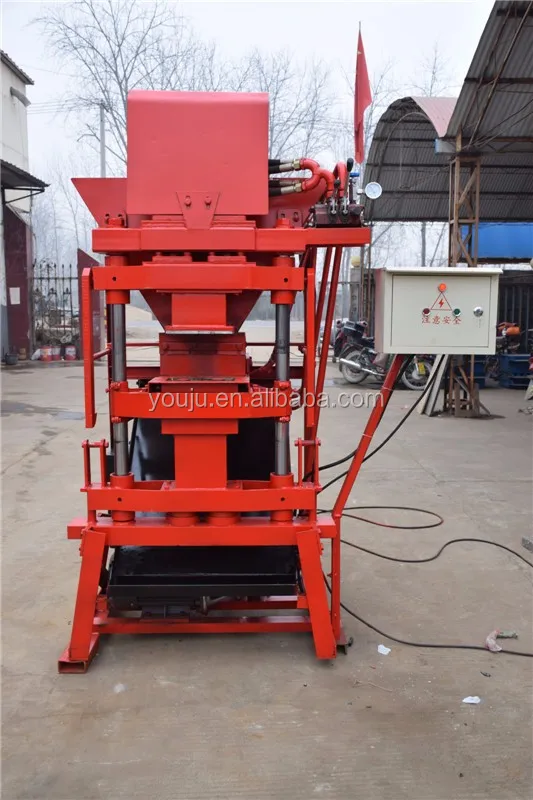
| Overall Dimensions | 1600 × 1300 × 2330 mm |
| Net Weight | 900 kg |
| Control System | Automatic operation (material feeding, mould pressing and mould lifting) |
| Raw Materials | Clay, soil, earth, mud, concrete, sand, cement, fly ash |
| Mould System | Interchangeable moulds for multiple block and brick formats |
| Workshop Area | 150 m² |
| Water Consumption | Approximately 4 tonnes per day |
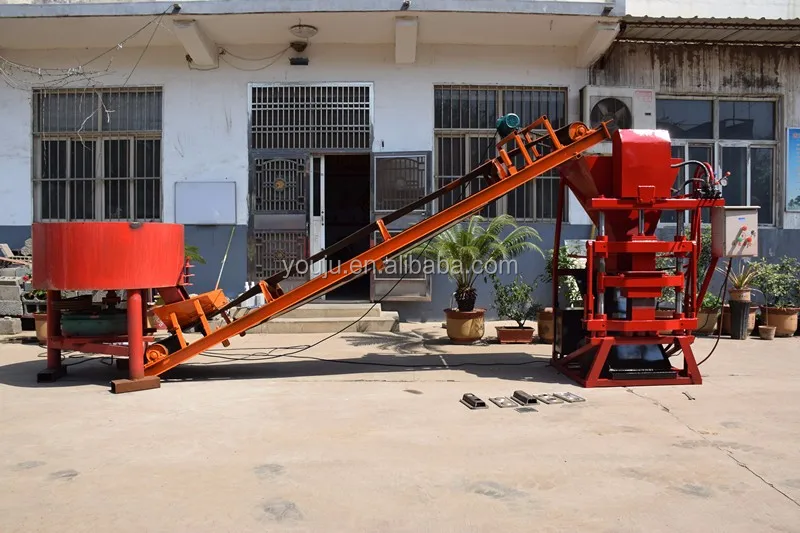
| Assembly State | Skid-mounted integrated unit |
| Certification | CE |
Application Suitability
| Application | Material or Output |
|---|---|
| On-site housing project brick production | Locally sourced clay and soil mixed with cement |
| Remote infrastructure building without grid access | Earth and mud blends, diesel-powered operation |
| Small-scale paver and solid brick manufacturing | Sand, cement and fly ash mixes |
| Rural community construction programmes | Compressed interlocking clay bricks for wall systems |
| Contractor stockpiling for masonry subcontractors | Standard interlocking brick formats in high volume |
Why the Voltage and Frequency Question Must Come Before the Container Booking
A stocked ECO 2700 clay interlocking brick machine in stock is only useful if its motor matches the destination grid on arrival.
Shipping a machine fast means nothing when the site electrician opens the control panel and finds a 380V/50Hz motor in a country running 220V/60Hz. The crew stands idle, a transformer gets air-freighted at a premium, and the contractor burns through daily overhead while waiting [NEED_CITE: voltage and frequency standards by export market]. I have watched a three-week transformer delay wipe out the schedule advantage a buyer thought they were gaining by ordering from stock. Every ECO 2700 unit I release for packing now goes through a motor nameplate and destination grid verification step — the single most important check before the container door closes.
Dispatch Readiness Without the Usual Lead-Time Guesswork
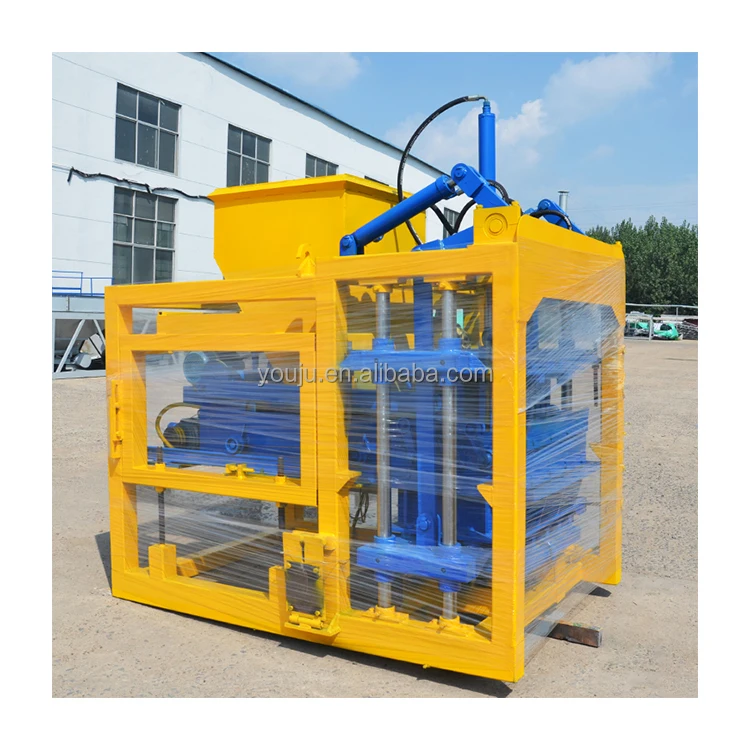
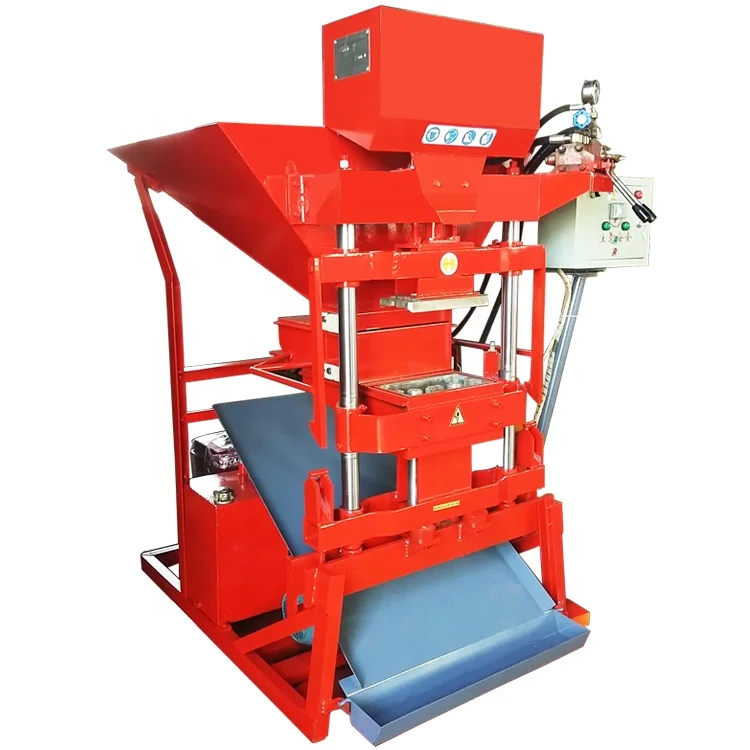
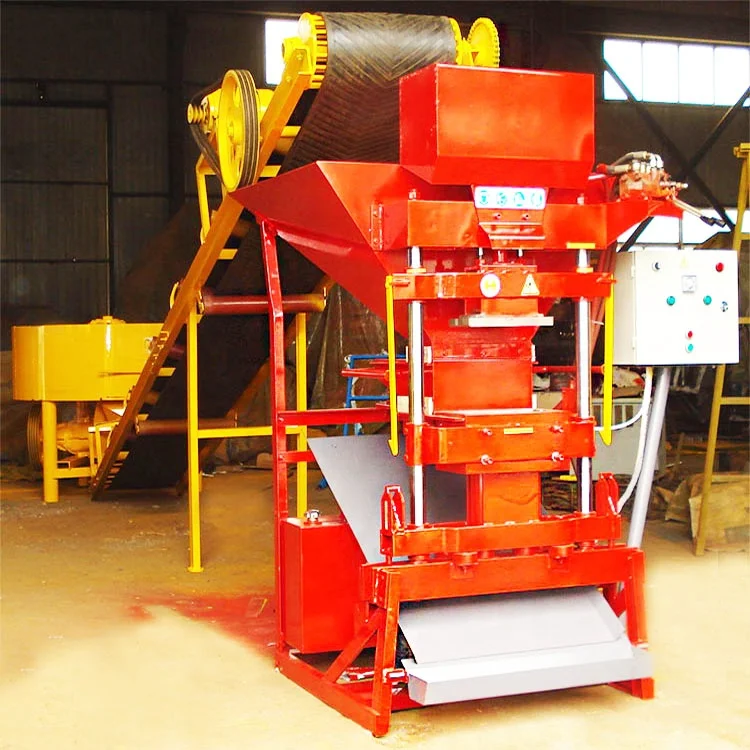
Buyers searching for an ECO 2700 clay interlocking brick machine in stock are usually working against a fixed project start date. The skid-mounted design means the press arrives as one integrated unit: hydraulic power pack, mould station and control panel are pre-assembled and factory-tested before crating. No component matching on site, no waiting for sub-assemblies to clear customs in separate shipments. The 900 kg net weight fits inside a standard container alongside a first set of spare moulds and hydraulic seals, keeping the entire production cell in one bill of lading.
Dual Power Configuration for Off-Grid Sites
Many interlocking brick projects sit beyond reliable grid reach. The ECO 2700 clay interlocking brick machine in stock is available with either a 7.5 kW electric motor or a 12 hp diesel engine, allowing the buyer to match the power source to actual site conditions. Switching between the two configurations does not require structural modification; the skid frame accommodates both options. For projects that begin off-grid and later connect to municipal power, the machine can be reconfigured on site [NEED_CITE: typical power availability in rural construction zones].
Reading the Capacity Statement Honestly
The published output of 2800 pieces per eight-hour shift is measured on 300×150×100 mm or 250×125×75 mm interlocking bricks, one piece per mould cycle. Change the brick format to a larger paving block or a multi-cavity mould and the cycle count stays at roughly ten seconds, but each cycle produces a different piece count or requires longer press dwell. Buyers who need a different format should request a per-mould capacity calculation before committing, so the daily output figure they plan around reflects the brick their market actually buys rather than a catalogue default.
What 16 MPa Hydraulic Pressure Means at the Mould Face
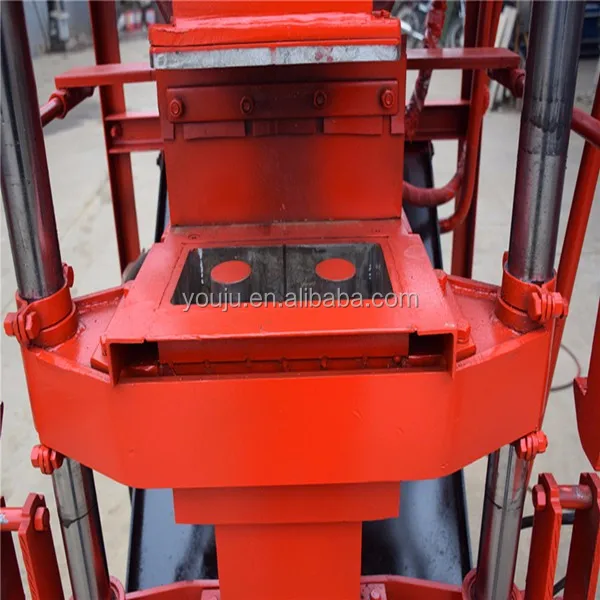
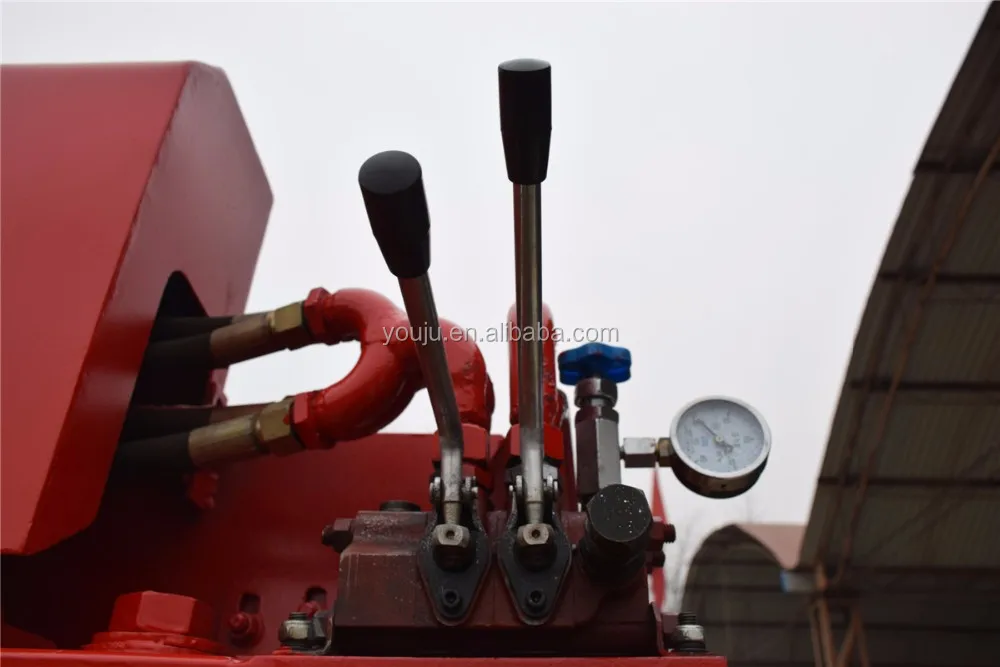
Hydraulic pressure in a clay brick press determines the compaction density of the raw mix before the mould opens. At 16 MPa, the ECO 2700 delivers enough force to compress clay-soil-cement blends into interlocking bricks that hold their edge profile during handling and curing. The ten-second automatic cycle covers material feed, press stroke and mould lift in sequence, reducing the operator’s role to mix preparation and green brick transfer. For mixes with higher clay content, the pressure must be balanced against moisture level: too wet and the brick deforms on demoulding, too dry and it cracks under compression [NEED_CITE: hydraulic pressure and soil moisture relationship in compressed earth blocks].
The Cost of Skipping the Pre-Shipment Configuration Audit
When a machine leaves the factory with an unchecked electrical specification, the buyer absorbs every downstream cost: port storage while the correct motor is sourced, electrician standby charges, and the daily burn rate of an idle bricklaying crew. Similar consequences follow when the control panel display language does not match the operator team, or when the hydraulic oil grade specified in the manual is unavailable locally. These are not manufacturing defects — they are configuration oversights that a pre-shipment checklist catches in minutes but that take weeks to resolve on a remote job site.
Why Sourcing This Machine Here Makes Sense
Block machinery is the single product focus, so the ECO 2700 is specified as a matched system of press, mould, pallet and handling rather than assembled from unrelated suppliers. Each machine is configured against the buyer’s actual clay-soil mix design and the interlocking brick format their market demands, not a generic catalogue setting. Moulds for the formats the buyer needs are designed and produced in-house, including custom drawings when local building codes require non-standard profiles. Automation level is selectable, so a buyer can begin with manual pallet handling and add automatic stacking later as output grows. Pre-dispatch verification covers motor nameplate versus destination grid, control language, and factory test on the buyer’s specified brick format.
Documentation & Verification
- Factory test record running the buyer’s specified interlocking brick format before crating
- Hydraulic and electrical schematic matching the as-built configuration
- Voltage, frequency and control panel language confirmation signed off before dispatch
- Mould drawing and format list covering all interchangeable moulds supplied
- CE declaration documentation for customs and import compliance
- Packing photographs showing machine securing and container loading
Installation, Commissioning & Support
- Skid-mounted 1600×1300 mm footprint requires a level concrete pad within the 150 m² workshop area
- 7.5 kW motor demands a dedicated circuit with correct breaker rating at the site panel
- Integrated unit arrives pre-assembled; position on pad, connect power and hydraulic fluid, then run first cycle
- On-site commissioning includes mould change practice and cycle timing verification on local clay mix
- Operator training covers automatic feed sequence, hydraulic pressure adjustment and safety interlocks
- First-set hydraulic seals and mould wear parts included with shipment for initial production months
Preparing Your Enquiry
To match the right stocked unit to your project, share the interlocking brick dimensions your market requires, the clay or soil type available on site, and your destination country’s voltage and frequency standard. Confirm whether grid power is reliable or diesel operation is needed. If you have an existing curing area or pallet inventory, provide those dimensions so the pallet handling recommendation fits what is already on the ground.
Frequently Asked Questions
Q: The capacity is listed as 2800 pieces per 8 hours — which brick size does that assume?
A: That figure is based on 300×150×100 mm or 250×125×75 mm interlocking bricks with one piece produced per mould cycle. If your market requires a different format, the cycle time remains approximately ten seconds but the pieces per cycle may change. Request a per-format capacity calculation so the daily output you plan against reflects your actual product.
Q: Should I choose the diesel or electric version, and does it affect dispatch timing?
A: Diesel suits sites without stable grid power, while electric reduces operating cost where supply is reliable. Both configurations are stocked, so the choice does not add production lead time. The pre-shipment grid verification step applies equally to both, ensuring the motor specification matches your destination before crating.
Q: What mould formats are available from stock, and how long does a custom mould take?
A: Standard interlocking brick moulds in common dimensions are stocked alongside the machine. If your local building code or market requires a non-standard profile, custom moulds are designed from your drawings. Custom mould lead time is communicated at enquiry stage and is typically shorter than machine production lead time.
Q: How is the machine packed and what is the estimated arrival time?
A: The ECO 2700 ships as a skid-mounted unit inside a standard container, with spare moulds and wear parts loaded alongside. Container loading photographs are provided before the door seals. Transit time depends on destination port and shipping line schedules, and is quoted at order confirmation so your project timeline can account for it.
Q: What commissioning support is included once the machine reaches the site?
A: On-site commissioning covers placement, power connection, first-cycle runs and mould change practice using your local clay mix. Operator training addresses the automatic feed and press sequence, hydraulic pressure settings and routine maintenance intervals. A wear parts list and hydraulic seal kit ship with the machine to cover the initial production period.