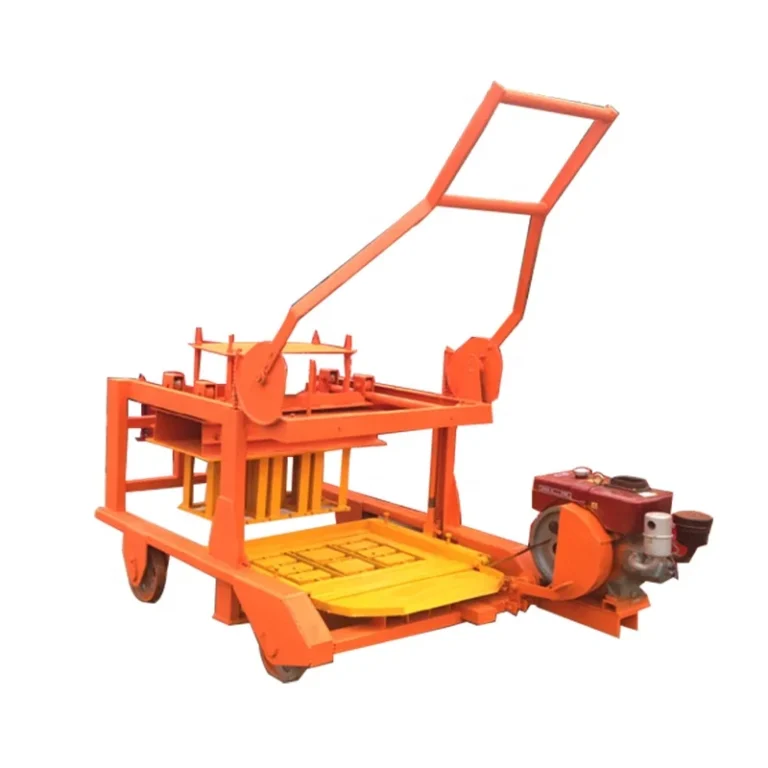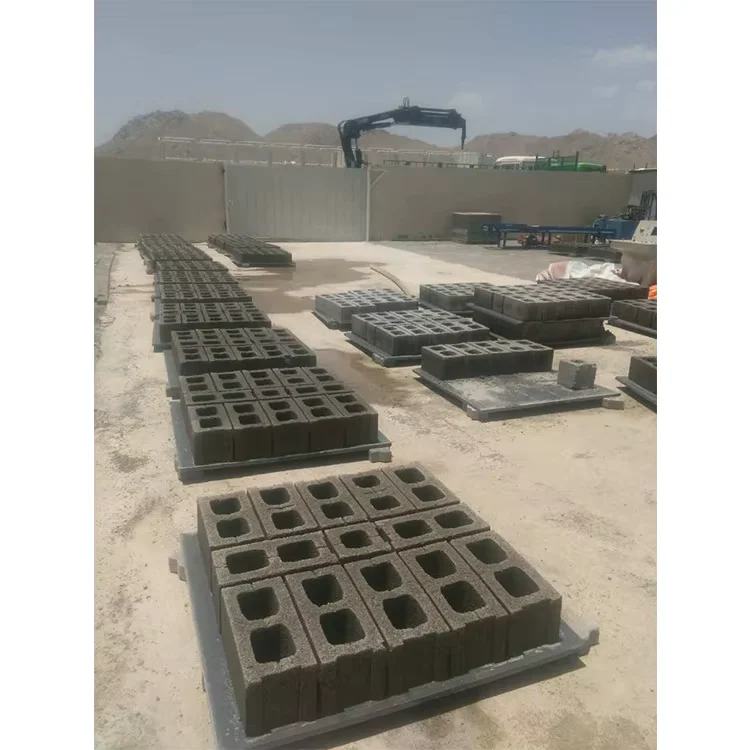


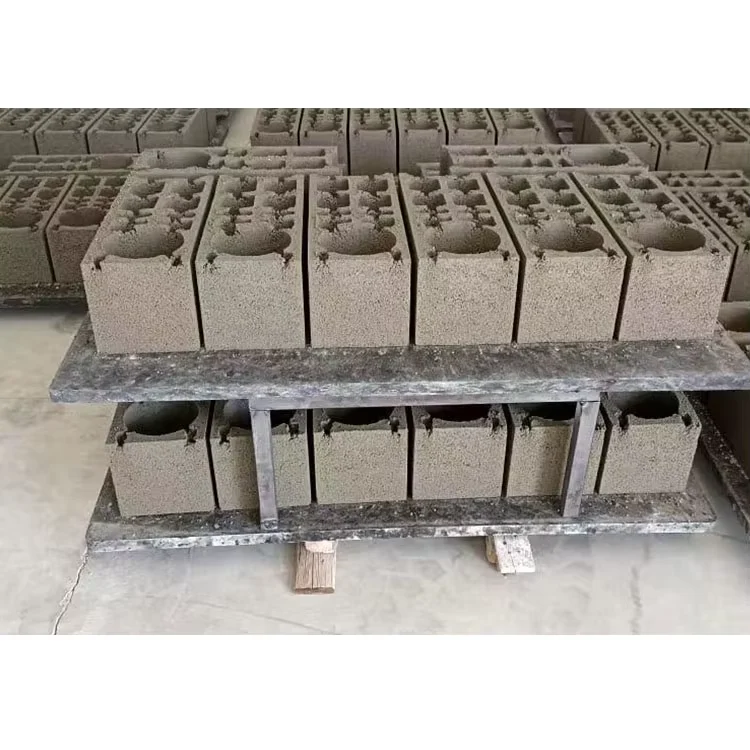

Description
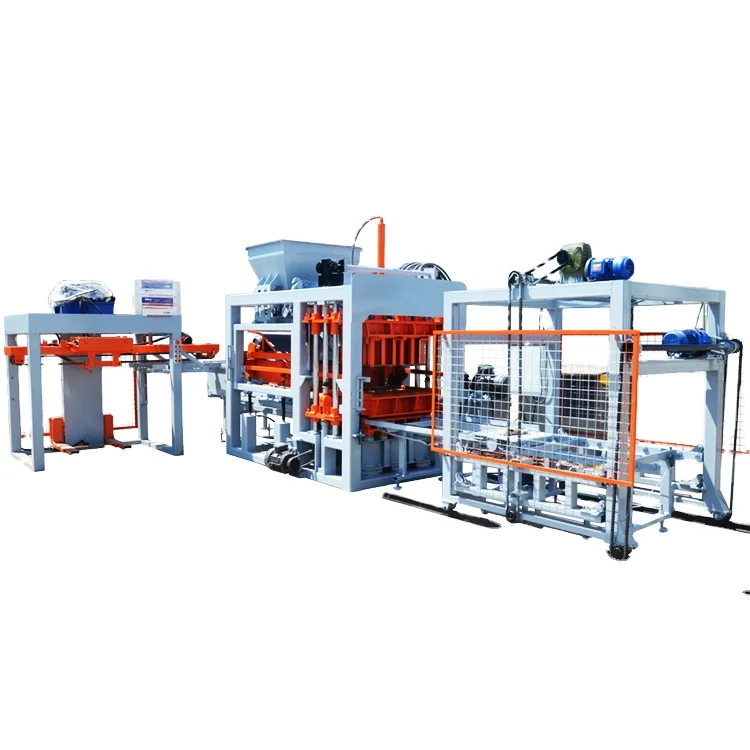
Stocked Mainframes — keeping standard SY QT12-15 units ready on the yard ensures your project schedule never waits on a factory build slot.
Technical Specifications
| Parameter | Value |
|---|---|
| Model | SY QT12-15 |
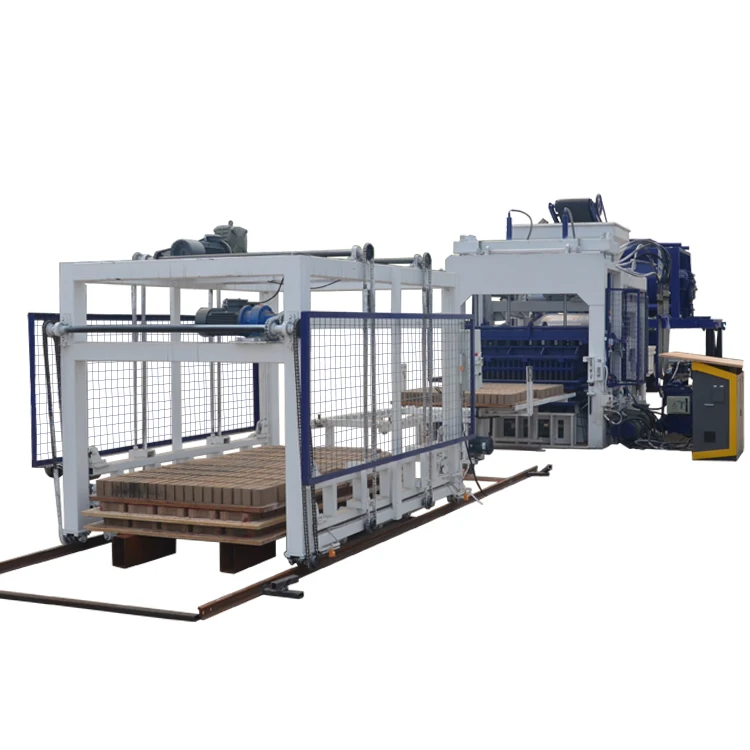
| Product Type | Fully Automatic Hydraulic Concrete Block Making Machine |
| Forming Method | Hydraulic pressure |
| Automation Level | Fully Automatic |
| Overall Dimensions (L×W×H) | 9350×2520×2950 mm |
| Net Weight | 10500 kg |
| Core Components | Motor, Pump |
| Voltage | Configurable to local site requirements |
| Molding Cycle | Varies by format (basis to be confirmed) |
| Warranty | More than 5 years |
Application Suitability
| Application | Material or Output |
|---|---|
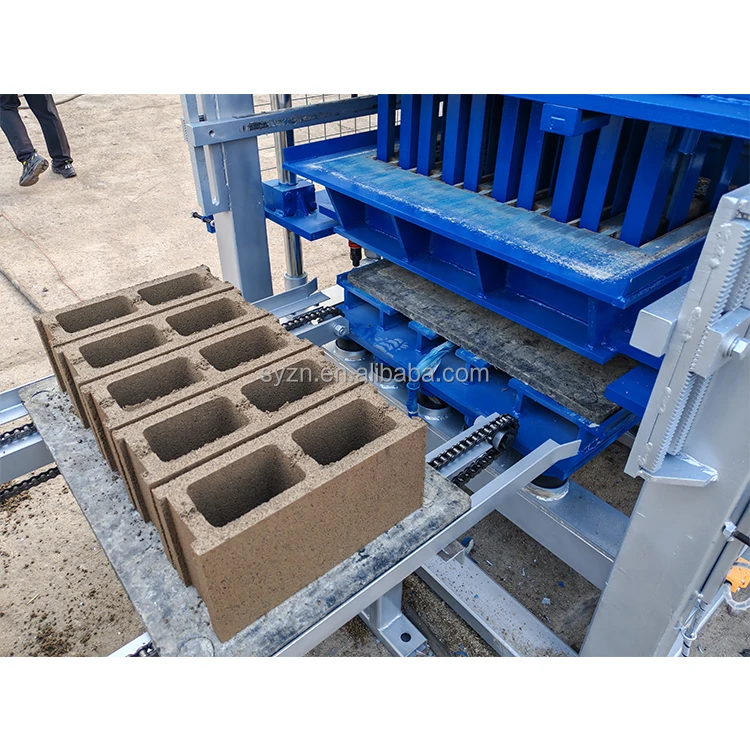
| Hollow Block Production | Cement, sand, and crushed stone mixes |
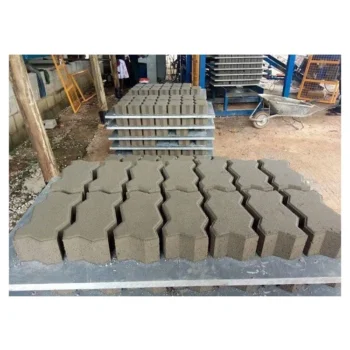
| Paving Block Manufacturing | High-density concrete aggregates |
| Interlock Block Output | Standard and custom paving formats |
| Curbstone Fabrication | Heavy-duty concrete mixtures |
Why Dispatch Timing Dictates Your Real Equipment Cost
Securing a SY QT12-15 block machine fast delivery schedule prevents idle labor and stalled site progress from consuming your project margins.
When a contractor commits to a strict handover date, waiting months for a factory build slot turns a profitable contract into a penalty-paying liability. I have seen entire housing development phases delayed because the primary press was stuck in a production queue, forcing crews to stand by on the payroll. A stocked mainframe eliminates this bottleneck, shifting the timeline from manufacturing delays straight to ocean transit [NEED_CITE: typical ocean freight transit times for heavy machinery].
Dismantling the Mainframe for Standard Transit
Loading a 9350×2520×2950 mm mainframe requires precise dismantling to fit standard shipping dimensions. We separate the hydraulic station, detach the upper crossbeams, and secure the motor and pump assemblies to prevent shifting during rough seas. This preparation guarantees that your SY QT12-15 block machine fast delivery arrives intact and ready for immediate reassembly at the port of discharge.
Calculating the True Arrival Window
Quoting a dispatch date is only half the logistics equation; the actual arrival estimate dictates your site mobilization. We factor in port congestion, customs clearance buffers, and inland transport constraints to provide a realistic delivery window upfront. This transparency allows you to schedule your foundation pouring and crane rentals exactly when the equipment clears the terminal [NEED_CITE: port congestion variables affecting heavy equipment import].
Decoding the Physical Footprint and Hydraulic Mass
The 10500 kg net weight and massive footprint demand a heavily reinforced concrete foundation to absorb continuous hydraulic pressure vibrations. If the curing area is not graded and poured before the containers arrive, the reassembly crew will sit idle. Understanding these physical parameters ensures your site is actually prepared to receive the machinery the moment the trucks arrive at the gate.
The Hidden Toll of Miscalculated Loading Plans
Years ago, I dispatched a fully automatic line to a Middle East project and miscalculated the stacking height of the auxiliary equipment inside the container. The machine arrived safely, but the client’s facility had a strict roof clearance limit; they literally had to cut through their corrugated steel roof to unload the press. Now, every loading plan is cross-referenced against the buyer’s site drawings to prevent these catastrophic unloading failures [NEED_CITE: industrial site clearance and unloading constraints].
Why Our Dispatch Protocol Protects Your Deadline
We maintain physical stock of mainframes and standard moulds to bypass manufacturing queues entirely. Every container loading plan is engineered against your specific site clearances and forklift capacities. We confirm voltage and control language configurations before the crate is sealed. Our logistics team tracks the vessel to provide updated arrival estimates. We supply complete dismantling and reassembly guides to accelerate on-site commissioning.
Documentation & Verification
- Factory test video confirming hydraulic pressure performance before the mainframe is dismantled.
- Detailed container loading diagrams matched to your site’s unloading clearance limits.
- Machinery test report verifying motor and pump operational baselines.
- Customs clearance documentation prepared to accelerate port release procedures.
- Dismantling and reassembly schematics for the 10500 kg mainframe structure.
Installation, Commissioning & Support
- Foundation blueprints specifying load-bearing requirements for the 9350 mm mainframe footprint.
- Electrical schematics detailing dedicated circuit needs for the configured local voltage.
- Step-by-step reassembly guides for reconnecting the detached hydraulic pump and motor.
- On-site commissioning to calibrate hydraulic pressure across different block formats.
- Operator training focused on rapid format changeovers and daily maintenance routines.
Finalizing Your Logistics and Site Readiness
To lock in your dispatch slot, provide your exact port of discharge and inland transport weight restrictions. We also need your site’s unloading equipment capacity and facility height clearances to finalize the container loading plan. Confirming your local voltage and preferred control panel language ensures the machine is fully configured before it leaves our yard.
Frequently Asked Questions
Q: Is the SY QT12-15 currently in stock, and what is the exact dispatch lead time?
A: We maintain physical stock of the SY QT12-15 mainframes and standard moulds to bypass manufacturing delays. Once your site parameters and voltage configurations are confirmed, the equipment is dismantled, loaded, and dispatched within a standard operational window, ensuring your project timeline remains intact.
Q: How is the machine dismantled for container loading, and what is the estimated arrival time?
A: The 9350×2520×2950 mm mainframe is systematically dismantled, separating the hydraulic station and upper beams to fit standard shipping dimensions. We provide a comprehensive arrival estimate upfront, factoring in ocean transit and port variables, so you can accurately schedule your site mobilization and crane rentals.
Q: Can standard moulds and pallets be shipped together with the main press?
A: Yes, standard moulds and compatible pallets are consolidated into the same shipment as the main press. This unified loading strategy prevents partial deliveries and ensures all necessary production components arrive simultaneously, allowing your crew to begin manufacturing immediately after reassembly.
Q: What are the voltage and PLC language configurations for ready-to-ship units?
A: Ready-to-ship units are configured to your exact local voltage and frequency requirements before dispatch. We also set the control display language to match your operators’ preference, eliminating commissioning delays and ensuring the machine is fully operational upon arrival at your facility.
Q: How quickly can on-site installation and operator training be scheduled after arrival?
A: Installation and training are scheduled in direct alignment with your confirmed vessel arrival estimate. By coordinating our technical team’s travel with your port clearance timeline, we ensure they are on-site the moment the dismantled mainframe is delivered to your foundation for immediate reassembly.