

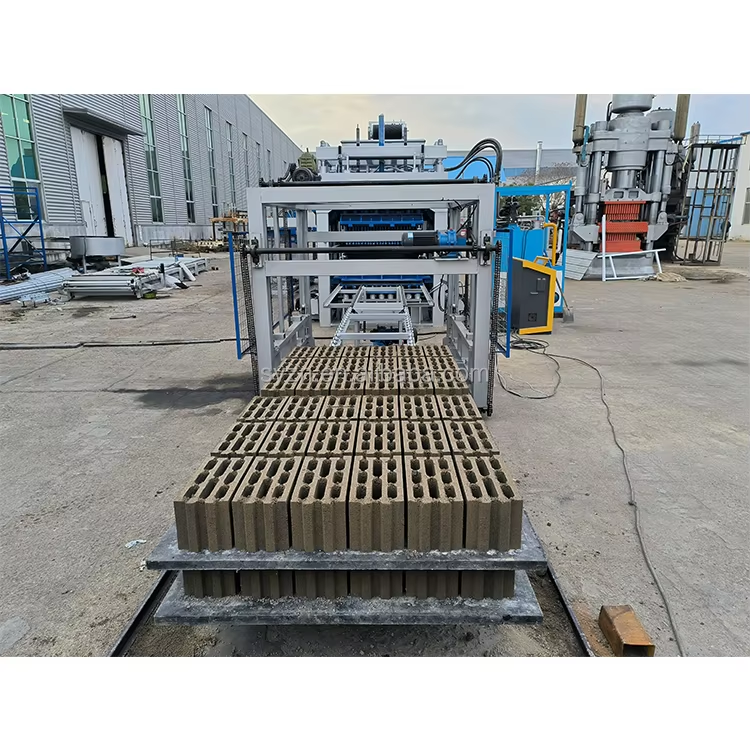
Description
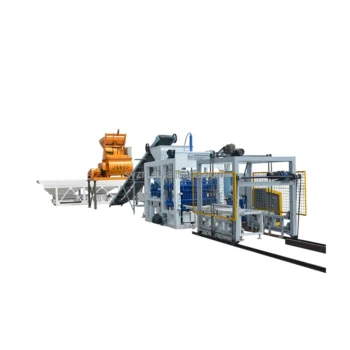
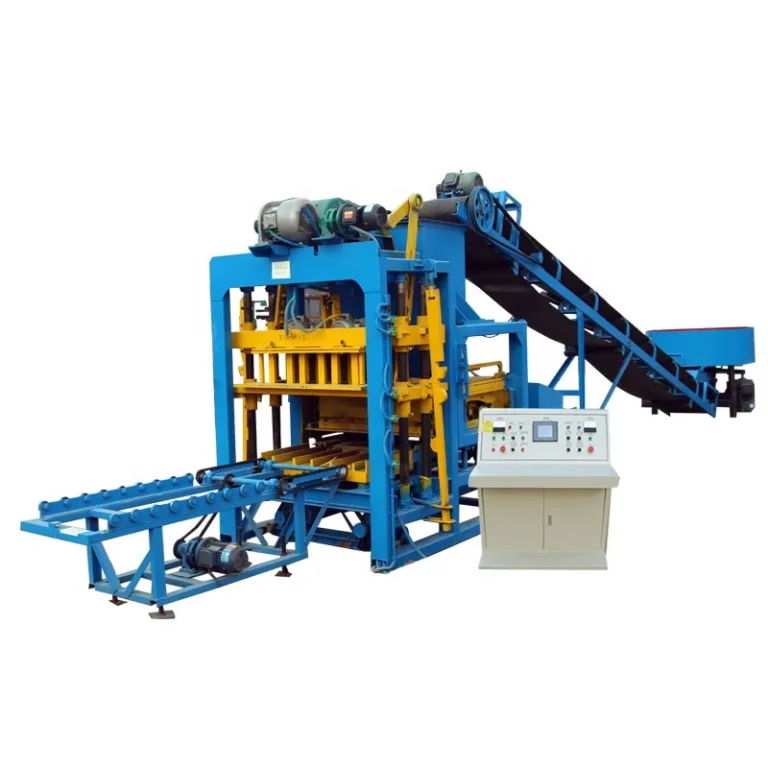
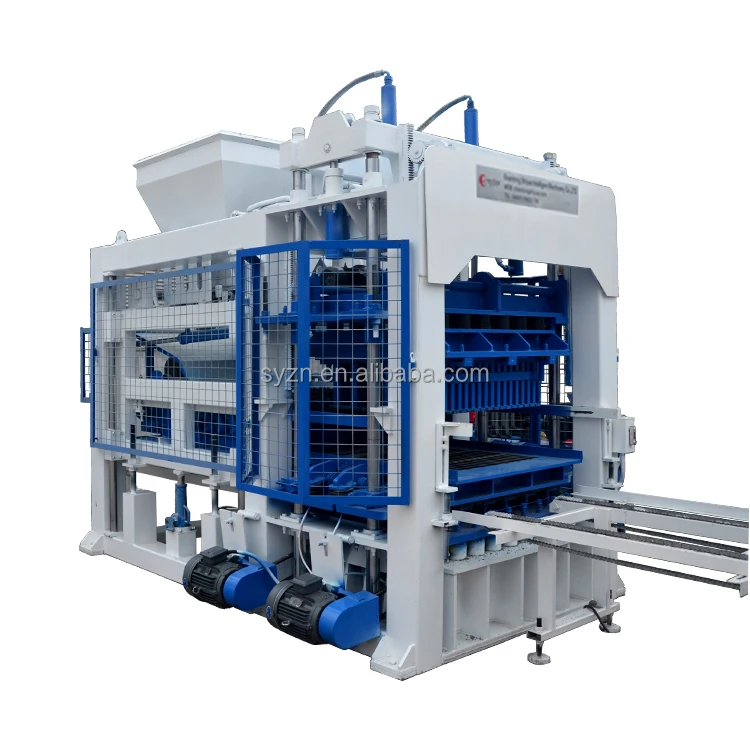
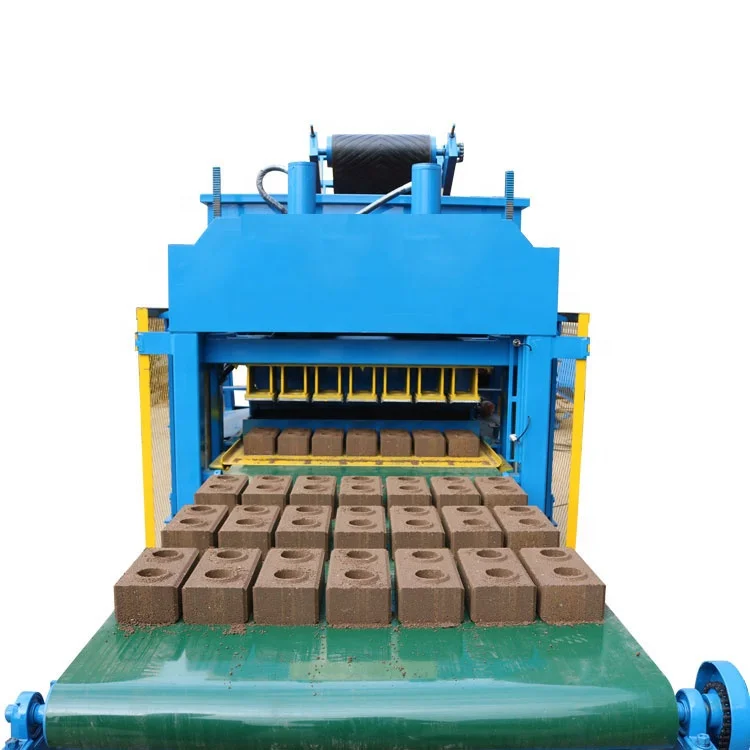
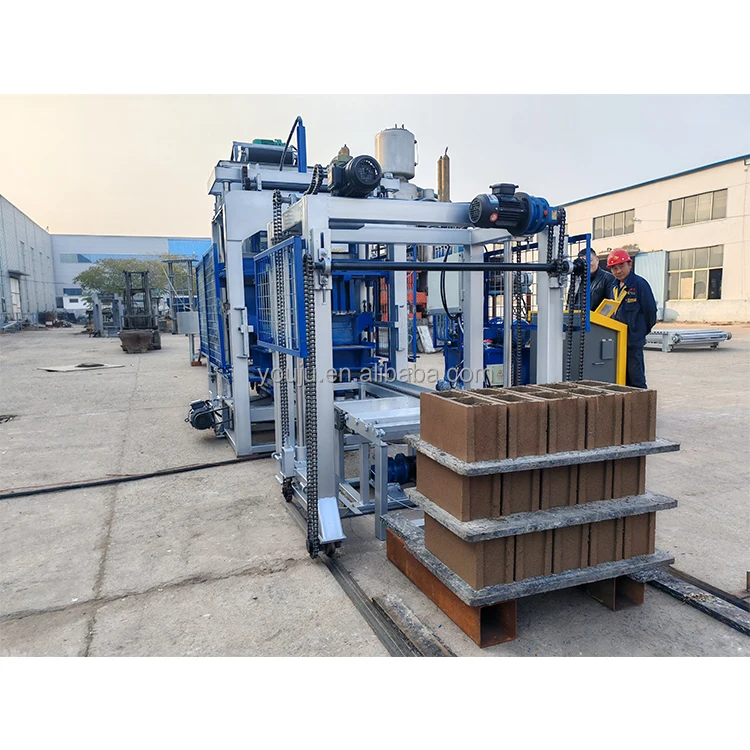
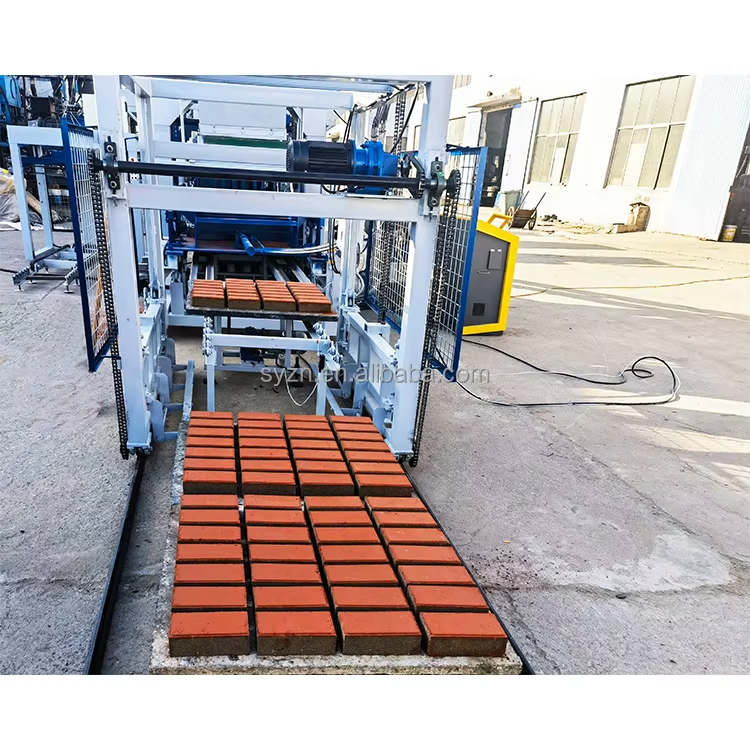
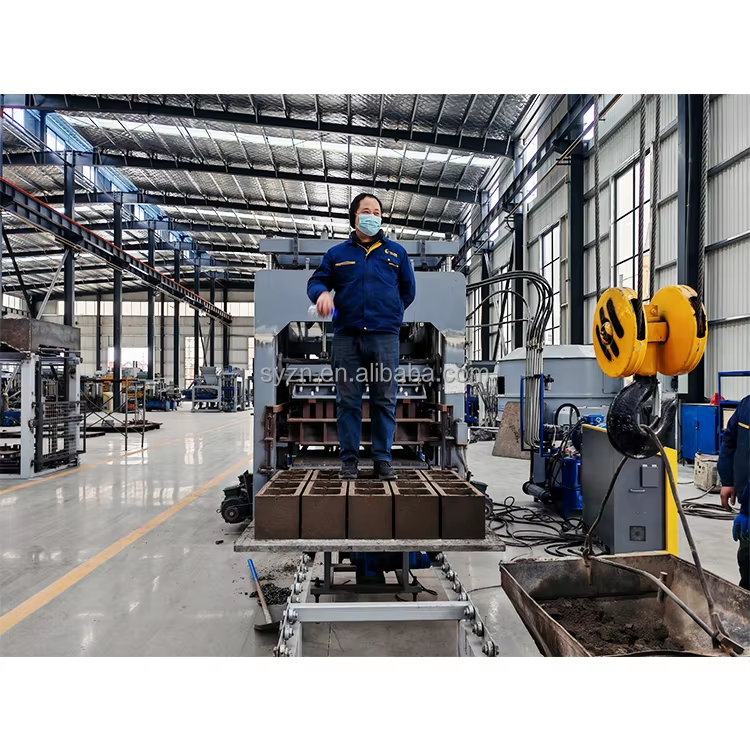
Ready Dispatch Allocation — The QT10-15 block making machine in stock is pre-cleared for container loading, eliminating manufacturing wait times for urgent project schedules.
Technical Specifications
| Parameter | Value |
|---|---|
| Model | QT10-15 |
| Product Type | Automatic Concrete Block Making Machine |
| Method | Hydraulic Pressure |
| Overall Dimensions (L×W×H) | 7100x1600x2610mm |
| Weight | 7200 kg |
| Pallet Size | 1100*900mm |
| Rated Pressure | 21MPA |
| Voltage Options | 380 V, 220 V |
| Molding Cycle | 15S (basis not stated in source) |
| Worker Requirement | 3-5 |
| Key Features | PLC Control, Hydraulic System, Customizable Color |
Application Suitability
| Application Scenario | Material or Output Focus |
|---|---|
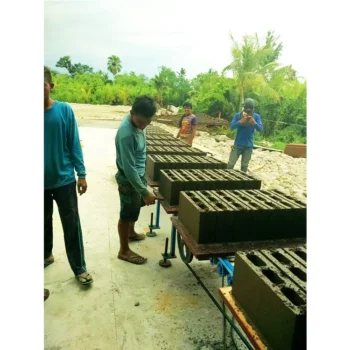
| Rapid site setup for housing projects | Concrete and cement hollow blocks |
| Paving production for municipal contracts | Flyash and concrete paving blocks |
| Immediate infrastructure supply | Curbstone and solid brick formats |
Why "Lead Time" Matters More Than Cycle Speed
When a construction deadline is approaching, waiting months for custom manufacturing is not an option—you need a QT10-15 block making machine in stock with a guaranteed dispatch schedule. Securing a machine that is already assembled and tested means your project does not stall while the factory builds your order from scratch. I have seen contractors lose entire project phases because they focused on theoretical molding speeds but ignored the manufacturing queue. A machine sitting in a factory bay ready for container loading solves the immediate bottleneck [NEED_CITE: typical heavy machinery manufacturing lead times].
Immediate Allocation for Tight Schedules
The primary advantage of securing a QT10-15 block making machine in stock is the elimination of the production queue. Once the commercial terms are settled, the equipment is immediately allocated for export packing. This rapid transition from inquiry to dispatch ensures that your site preparation and foundation work align perfectly with the equipment arrival, preventing costly idle time for your ground crews.
Dismantling and Container Loading Readiness
Shipping a 7200 kg press requires precise spatial planning. The main frame and hydraulic stations are dismantled into specific modules to fit standard shipping containers securely. This pre-planned loading strategy prevents damage during ocean transit and ensures that the unloading sequence at your destination port matches your on-site assembly capabilities, keeping the logistics chain moving smoothly [NEED_CITE: standard container loading procedures for heavy industrial presses].
Specifying for Arrival, Not Just Production
The 7100x1600x2610mm footprint dictates how the machine travels and where it lives. The 2610mm height requires careful route planning from the destination port to your facility to clear bridges and power lines. Furthermore, confirming the 380 V or 220 V requirement before dispatch prevents the machine from sitting idle at your site while you source step-down transformers, ensuring the electrical hookup is ready the moment the containers are unpacked.
The Cost of Ignoring Site Access Dimensions
Ordering a press without verifying your facility’s entry clearances leads to disastrous arrival days. I once managed a shipment where the buyer forgot to check their factory door height; the fully assembled unit arrived, couldn’t fit inside, and required a roof dismantling and crane rental just to get it onto the floor. Verifying the 2610mm height against your site access prevents these expensive logistical emergencies [NEED_CITE: industrial site access and rigging requirements].
Why Procure From Our Dispatch Hub
Our focus on inventory readiness means the QT10-15 is treated as a complete logistical package, not just a press. We match the 1100*900mm pallet specifications to standard container widths for efficient packing. Every hydraulic hose and PLC wire is labeled and photographed before dismantling, providing you with a clear reassembly map. We provide upfront arrival estimates based on current shipping routes, giving you the certainty needed to schedule your installation crew and raw material deliveries.
Documentation & Verification
- Factory test record confirming hydraulic pressure and PLC function before dismantling.
- Video outgoing-inspection showing the press operating and being loaded into the container.
- Container loading plan detailing the dismantling sequence and module weights for rigging.
- Electrical schematic confirming the configured voltage and control language for your site.
- Machinery test report validating the 21MPA rated pressure prior to dispatch.
Installation, Commissioning & Support
- Foundation curing time must be calculated based on the 7200 kg total weight and vibration loads.
- Dedicated power circuits must be installed to support the specified 380 V or 220 V configuration.
- Reassembly follows the provided dismantling map to reconnect hydraulic and PLC systems accurately.
- First-run commissioning verifies the 1100*900mm pallet feeding alignment and hydraulic pressure.
- Operator training covers the PLC interface and daily maintenance of the hydraulic station.
- Wear parts list provided to ensure local sourcing of high-friction components.
Preparing Your Site for Arrival
To ensure a smooth delivery and installation process, please provide the exact dimensions of your factory doors and internal clearance heights to verify the 2610mm equipment fit. Confirm your local industrial voltage and frequency standards so the electrical cabinets are configured correctly before loading. Finally, share your port of destination so we can calculate an accurate transit time and coordinate the container release schedule.
Frequently Asked Questions
Q: What is the current dispatch lead time for the QT10-15?
A: Because this model is maintained as a stocked unit, the dispatch lead time is limited to the days required for export packing, container loading, and customs clearance documentation. Once the order is confirmed, the equipment bypasses the manufacturing queue, allowing for a significantly faster departure compared to custom-built orders.
Q: Are standard moulds for my required brick sizes currently in stock?
A: Standard moulds for common formats like 400200200mm hollow blocks and standard pavers are typically kept in inventory alongside the press. If your project requires highly specialized curbstone dimensions, we will verify the current mould stock and confirm the exact dispatch timeline for those specific tooling accessories before finalizing the loading plan.
Q: How is the machine dismantled and loaded into containers for fast shipment?
A: The 7200 kg machine is systematically dismantled into major modules, including the main frame, hydraulic station, and PLC cabinet. These components are secured inside standard shipping containers using heavy-duty bracing to prevent transit damage. The loading sequence is documented so your local rigging team can unload and position the modules efficiently.
Q: Can you provide an upfront arrival estimate to my destination port?
A: Yes, once the container is booked, we provide an estimated time of departure and an estimated time of arrival based on current shipping line schedules. This upfront estimate allows you to coordinate your site preparation, foundation pouring, and local transport logistics well before the vessel docks.
Q: What is the process for video outgoing-inspection before dispatch?
A: Before the equipment is dismantled for loading, we conduct a full operational test. We record a video showing the hydraulic system reaching the 21MPA rated pressure, the PLC responding to inputs, and the physical loading of the modules into the container. This footage is shared with you to verify the machine’s condition prior to shipment.