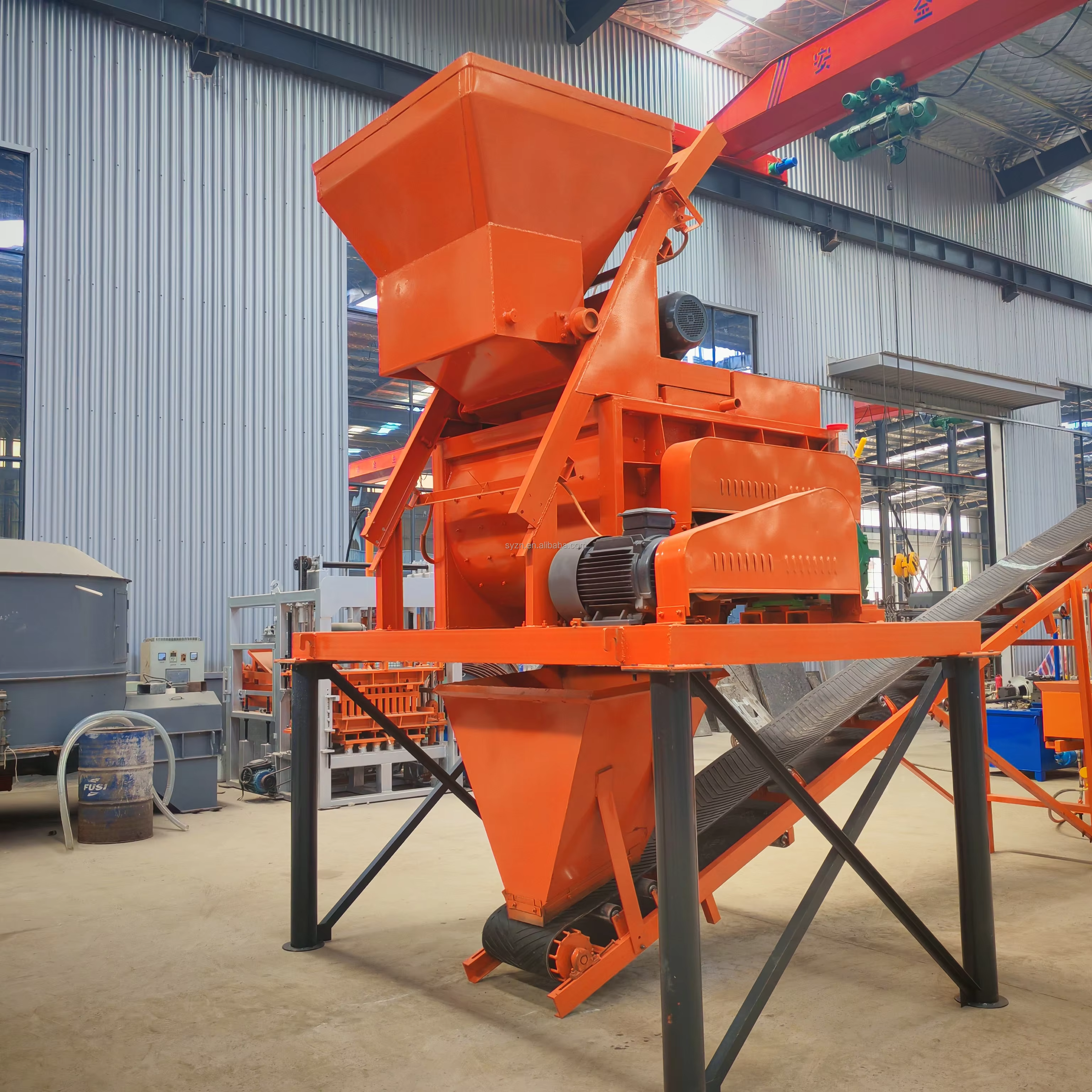
Description
Dispatch-ready inventory — we maintain fully assembled units and standard tooling in our yard so your container loading is never delayed by custom manufacturing queues.
Technical Specifications
| Parameter | Value |
|---|---|
| Model | QT10-15 |
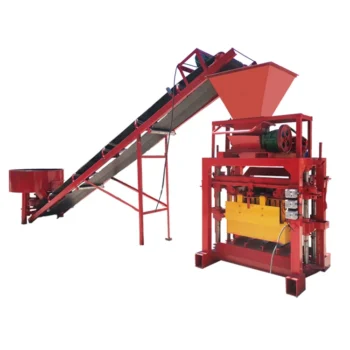
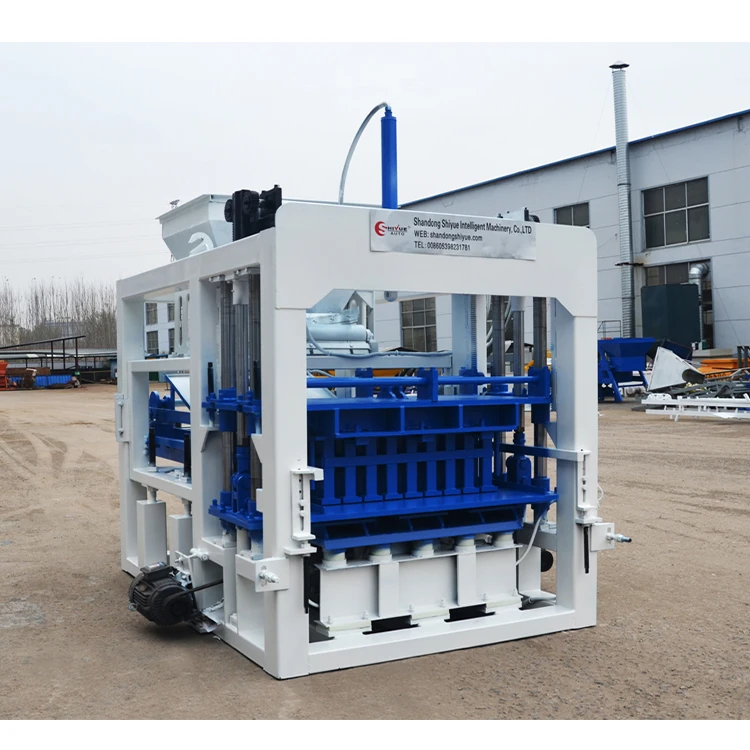
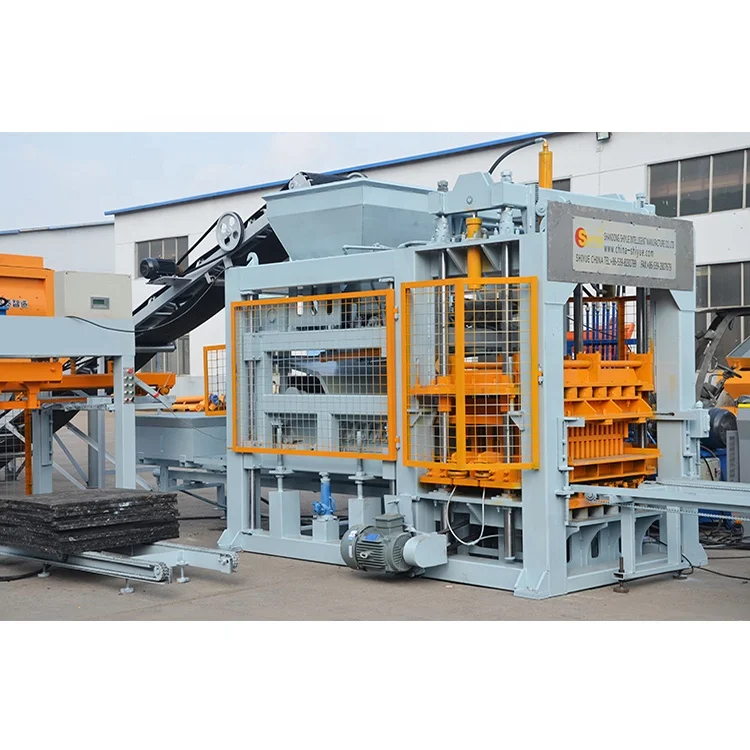
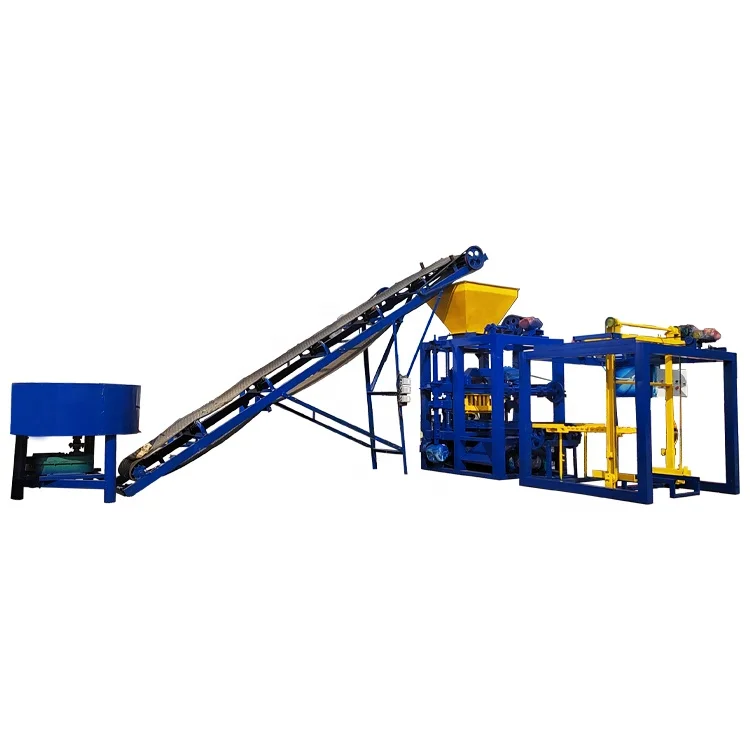
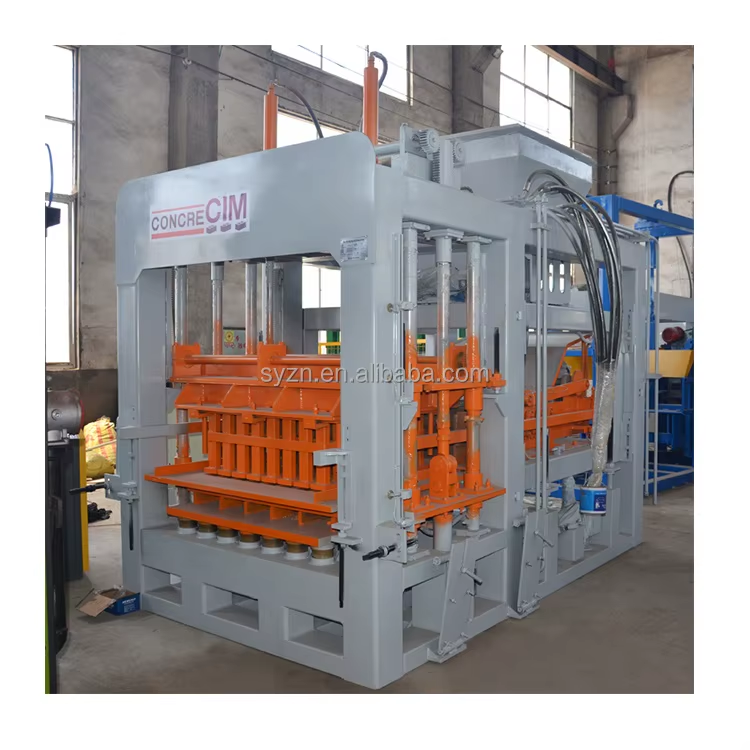
| Product Type | Fully Automatic Hydraulic Block Making Machine |
| Method | Hydraulic pressure |
| Hydraulic Pressure | 20 MPa |
| Shaping Cycle | 15-20s (basis not stated in source — confirm block format / material / thickness) |
| Overall Dimensions (L×W×H) | 9350×2320×2950 mm |
| Net Weight | 10000 kg |
| Core Components | Motor, Pump |
| Power Source | Electric motor |
| Voltage | Local Voltage (source value — verify against manufacturer catalog) |
| Required Workers | 1-3 people |
| Concrete Mixer | Optional |
| Warranty | 1 Year |
Application Suitability
| Application | Material or Output |
|---|---|
| On-site construction production | Crushed stone, sand, and cement for immediate project needs |
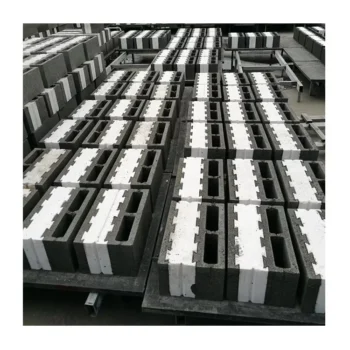
| Plant-based hollow block manufacturing | Coal fly ash, cinder, and slag for high-volume masonry |
| Paving and interlock block runs | Gravel and dust mixes for municipal and landscaping contracts |
Why the Voltage Question Must Precede the Dispatch Date
When a project deadline is looming, waiting months for manufacturing is not an option, but rushing a QT10-15 block making machine in stock without verifying electrical compatibility leads to severe site delays. Confirming the exact local voltage and frequency before loading prevents the machine from sitting idle on your foundation.
I once oversaw a shipment where the electrical parameters were assumed rather than verified, resulting in a unit that could not be powered upon arrival. The site crew waited weeks for a step-down transformer while the construction schedule slipped. Securing a fast delivery block machine requires locking in these electrical details during the ordering phase to ensure immediate commissioning [NEED_CITE: voltage and frequency standards by export market].
Container Loading and Dismantling Logistics
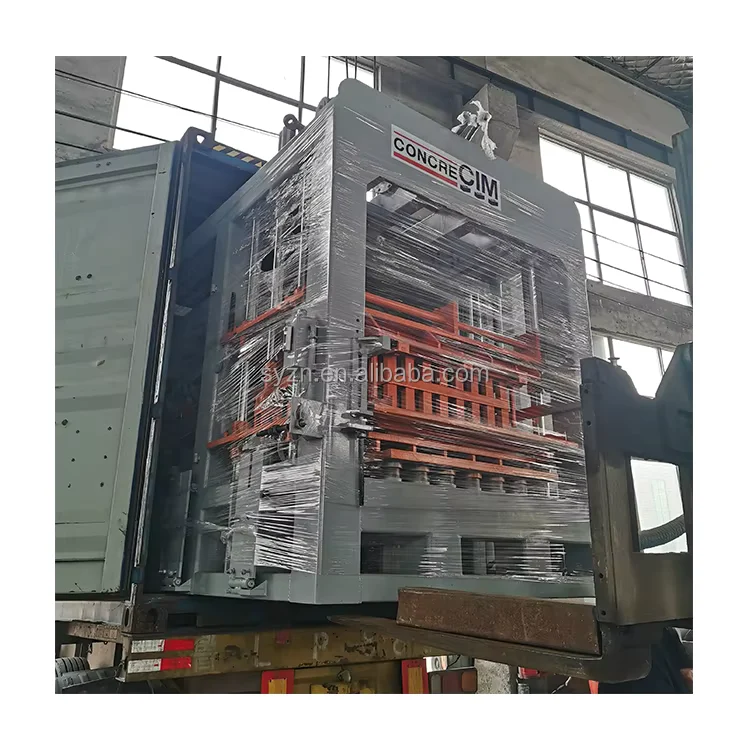
Moving a 10,000 kg press requires precise dismantling protocols to maximize container space and protect critical hydraulic components. Our yard team breaks down the mainframe and power pack into optimized modules, ensuring the QT10-15 block making machine in stock fits securely within standard shipping dimensions. This pre-calculated loading plan eliminates port delays and reduces your inland freight complications.
Upfront Arrival Estimates for Tight Schedules
Construction contractors cannot build project timelines around vague shipping windows. We provide exact dispatch lead times and realistic arrival estimates based on current vessel schedules and port congestion data. By securing this fast delivery block machine early, you align your foundation preparation and raw material stockpiling with the actual docking date, keeping your site crew fully utilized.
Dimensional and Hydraulic Readiness for Immediate Setup
The 9350×2320×2950 mm footprint and 20 MPa hydraulic pressure rating dictate your site preparation requirements. Because these physical and operational parameters are fixed before the machine leaves our facility, your civil works team can pour the exact foundation needed. The electric motor and pump assembly are tested under load, meaning the shaping cycle of 15-20s (basis not stated in source — confirm block format / material / thickness) is ready to be validated the moment power is connected [NEED_CITE: CE machinery directive requirements for industrial equipment].
The Hidden Costs of Rushing Electrical Verification
Assuming standard industrial voltage without checking the local grid often results in burnt motors or tripped breakers during the first test run. When a machine arrives with the wrong control language on the display, operators struggle to navigate basic settings, turning a simple commissioning into a multi-day troubleshooting exercise. These oversights erase any time saved by choosing stocked inventory, forcing you to source local electricians and translation manuals while your handover date approaches [NEED_CITE: common causes of industrial machinery commissioning delays].
Why Source This Press From Our Inventory
We focus exclusively on block production machinery, meaning every stocked unit is evaluated as a complete system rather than a standalone press. Our dispatch process includes verifying the voltage and control language against your specific site data before the crate is sealed. We provide standard mould formats from our yard to eliminate custom tooling wait times. Our loading team photographs the dismantling and packing process, giving you complete visibility into the container stowage plan before the ship departs.
Documentation & Verification
- Factory test record confirming hydraulic pressure and motor function before dispatch
- Voltage and control language confirmation sheet signed prior to container loading
- Detailed packing photographs showing dismantling and stowage inside the container
- Customs documentation support tailored to your destination port requirements
- Machinery test report and video outgoing-inspection provided for your review
Installation, Commissioning & Support
- Foundation blueprints matching the 9350×2320×2950 mm footprint for precise civil works
- Electrical single-line diagrams detailing the specific motor and pump circuit requirements
- Dismantling sequence guide to streamline reassembly of the 10000 kg mainframe on-site
- Initial parameter setting assistance to calibrate the 20 MPa hydraulic pressure safely
- Operator training focused on navigating the confirmed control language and display interface
- Wear parts list identifying critical spares for the motor and pump to keep on hand
Preparing Your Site for Immediate Integration
To ensure your fast delivery block machine integrates smoothly into your operation, please provide your exact local voltage and frequency specifications alongside your preferred control panel language. We also need to know your available curing area dimensions and existing forklift capacity to confirm the pallet handling flow. Finally, specify which standard brick sizes you intend to run first so we can load the corresponding tooling.
Frequently Asked Questions
Q: What is the exact dispatch lead time and arrival estimate for the QT10-15?
A: Because this unit is held in our yard, dispatch lead times are limited to final electrical verification, dismantling, and container loading. We provide an upfront arrival estimate based on current shipping routes and port schedules, allowing you to plan your site preparation and raw material delivery accurately without guessing the docking date.
Q: Are standard moulds and pallets currently in stock for immediate loading?
A: Yes, we maintain an inventory of standard tooling for common formats like 400×200×200 mm and 200×100×60 mm. This eliminates the wait for custom engineering, allowing us to load the press and the corresponding pallets into the same container for immediate dispatch to your project site.
Q: How is the machine dismantled and loaded into containers for fast shipment?
A: The 10,000 kg mainframe and hydraulic power pack are systematically broken down into optimized modules. This dismantling protocol ensures the 9350×2320×2950 mm structure fits securely within standard shipping dimensions, protecting critical components while maximizing container space and preventing port rejection.
Q: What customs documentation support is provided to expedite port clearance?
A: We supply a comprehensive documentation package, including the factory test record, machinery test report, and detailed packing lists. This paperwork is formatted to meet your destination country’s import regulations, ensuring your fast delivery block machine clears customs without administrative hold-ups.
Q: How quickly can on-site installation and operator training begin after arrival?
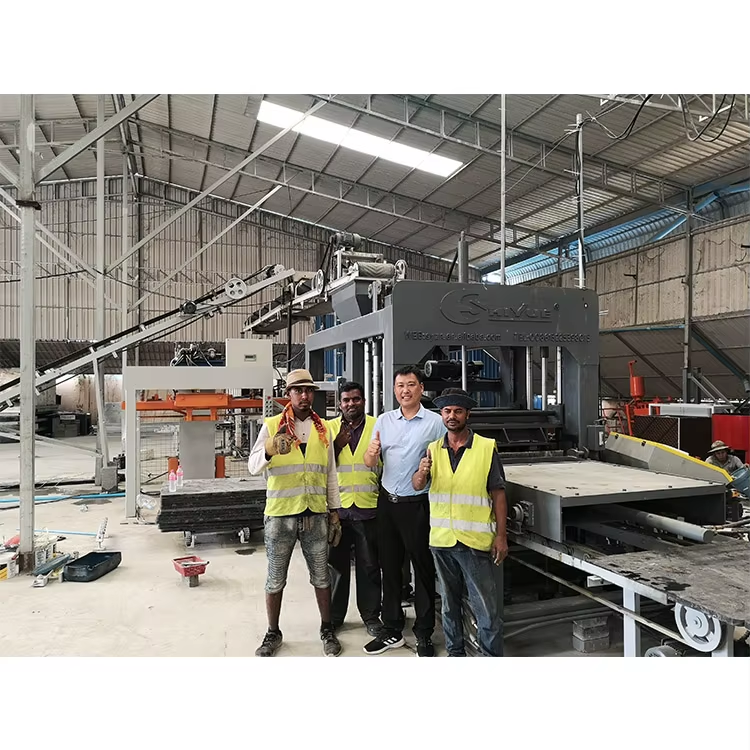
A: Installation begins as soon as the container is unloaded and the foundation is ready. Because the voltage and control language were verified prior to dispatch, our team can immediately focus on reassembling the hydraulic system, setting the 20 MPa pressure, and training your crew on the specific display interface.