



Description
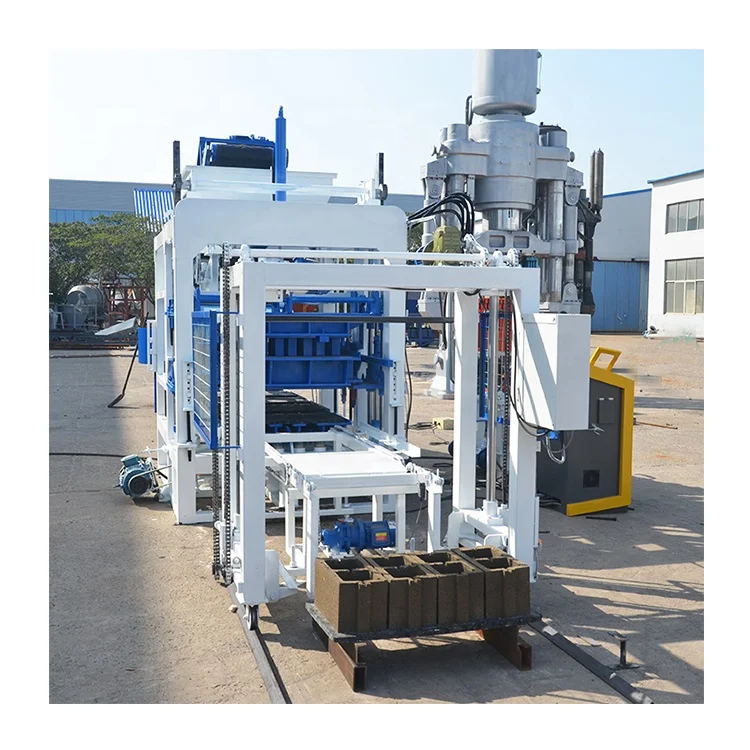
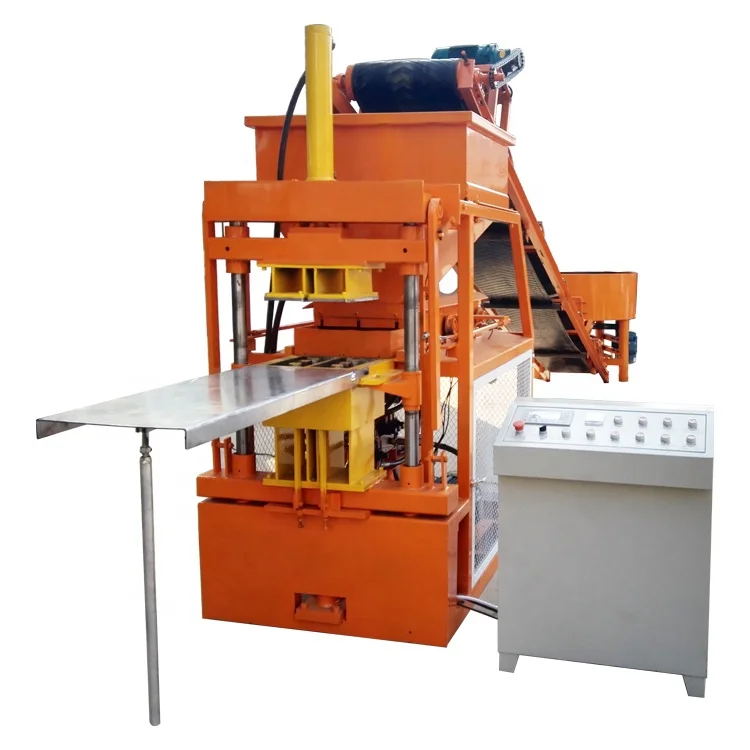
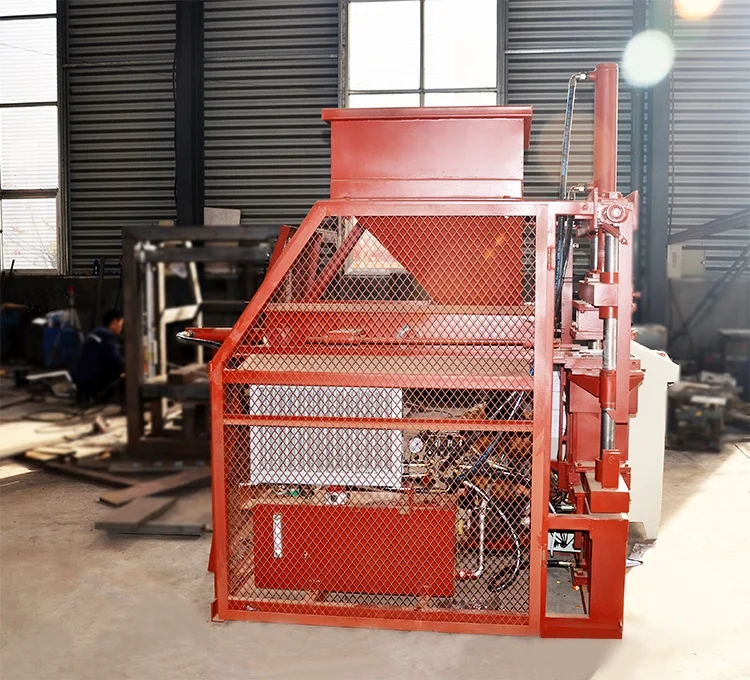
Fast Dispatch Readiness — LY2-10 hydraulic interlocking clay brick machine stocked in our Linyi warehouse, fully assembled and tested before container loading so your project timeline holds.
Technical Specifications
| Parameter | Value |
|---|---|
| Model | LY2-10 |
| Product Type | Hydraulic Interlocking Clay Brick Making Machine |
| Overall Dimensions (L×W×H) | 1300×1800×2400 mm |
| Net Weight | 1200 kg |
| Power Source | Electric motor or Diesel engine |
| Rated Power | 7.5 kW (electric) / 12 HP (diesel) |
| Voltage & Frequency | 380V, 3-phase, 50Hz (customizable to local voltage) |
| Hydraulic Pressure | 16 MPa |
| Cycle Time | 10 s |
| Pcs per Mould | 2 |
| Pcs per Hour | 720 (based on 10 s cycle, 2 pcs/mould) |
| Output Capacity | 5760 pcs/day (8h shift, basis: 300×150×100mm or 250×125×60mm interlocking brick) |
| Pallet Requirement | None (pallet-free production) |
| Mould Format | Interlocking brick (300×150×100mm / 250×125×60mm) |
| Automation Level | Semi-automatic or automatic (configurable) |
| Raw Materials | Clay (80–97%), Cement (6–8%, optional), Water (~3%) |
| Assembly State | Fully assembled |
| Warranty | 1 year (excluding wearing parts) |
Application Suitability
| Application | Material or Output |
|---|---|
| On-site housing project brick production | Local clay with optional cement stabilization, interlocking format |
| First brick plant for entrepreneurs | Locally sourced clay, minimal infrastructure, pallet-free curing |
| Building material supplier format expansion | Interlocking brick added to existing product range using available clay |
| Rural and low-rise construction | Interlocking pavers and wall bricks from site-excavated soil |
| Contractor-run mobile production | Diesel-powered operation at remote sites without grid supply |
What "5760 Pieces per Day" Actually Requires on Your Site
Output depends on your clay mix, curing conditions, and shift discipline — not just the press cycle.
The LY2-10 hydraulic interlocking brick machine in stock can complete a 10-second cycle and produce two bricks per press, but that number assumes a consistent clay blend at the correct moisture content and an uninterrupted material feed. I have watched machines of this class sit idle for hours because the local clay was too wet, the mix was not screened, or the crew had no system for moving finished bricks to a curing area. The cycle time tells you what the press can do; your site logistics determine what you actually take home at the end of the shift [NEED_CITE: impact of raw material moisture on clay brick cracking and output loss].
Stocked Availability and Dispatch Timing
When a project deadline is fixed, waiting eight weeks for a machine to enter production is not an option. The LY2-10 hydraulic interlocking brick machine in stock is assembled, hydraulic lines filled, and tested with a standard interlocking mould before it leaves the Linyi workshop. This means the dispatch sequence starts with final inspection and container loading rather than a full production build, shortening the gap between order confirmation and the bill of lading date. Buyers working against a construction timeline should confirm the exact mould format they need against what is on the warehouse floor today.
Container Loading and Arrival Estimate
A 1200 kg machine at 1300×1800×2400 mm fits inside a standard 20-foot container with room for spare moulds, wearing parts, and a basic tool kit. The machine ships fully assembled, so there is no field reassembly of the hydraulic frame or press column on arrival — you offload, position, connect power, and begin the first test run. For diesel-powered units, fuel system checks and a short break-in run are completed before crating. Buyers should confirm port-of-destination lead times with the shipping line, as transit schedules shift with seasonal congestion [NEED_CITE: typical ocean freight transit variability by destination region].
How Hydraulic Pressure and Mould Design Shape Your Brick
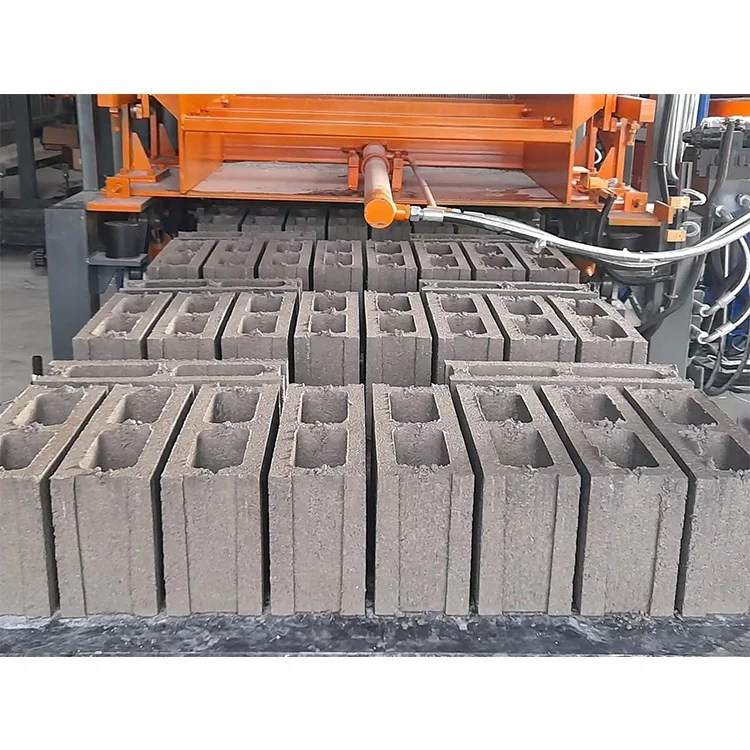
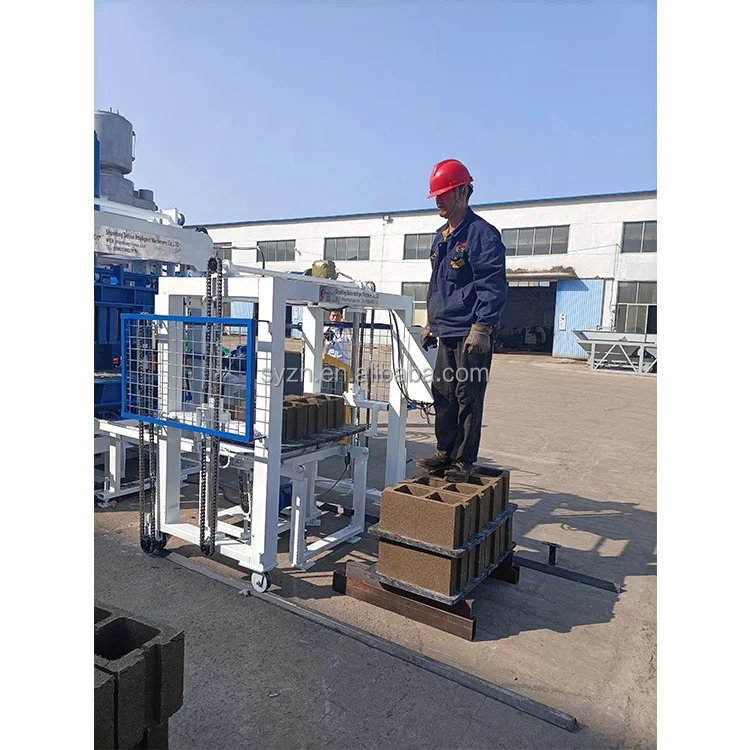
The 16 MPa hydraulic pressure is applied evenly across the mould cavity, compressing the clay-cement blend into a dense interlocking profile. This pressure level is adequate for clay-based mixes at low moisture, producing bricks with consistent dimensional accuracy and interlocking lug engagement. The two-cavity mould means each press delivers a pair of bricks, and the pallet-free design allows the wet bricks to be lifted directly from the mould table and placed in a curing stack. Pallet-free production removes the cost of purchasing and rotating hundreds of pallets, which matters when you are setting up a first plant with limited capital. The choice between electric and diesel power depends entirely on grid reliability at your production site.
What Happens When Voltage and Frequency Are Skipped
I have seen machines arrive at a site in West Africa wired for 380V 50Hz, only to find the local supply runs 415V 60Hz. The motor overheated within the first week, the hydraulic pump lost prime, and the buyer spent more on rewinding the motor than the shipping cost. Confirming voltage and frequency before the machine leaves the factory is not a detail — it is the difference between commissioning in a day and losing a month. The LY2-10 control panel and motor winding are built to the confirmed supply spec, so this conversation must happen at the inquiry stage, not after the container is sealed [NEED_CITE: voltage and frequency standards by export market].
Why Buyers Choose This Source
Single-focus block machinery sourcing means the press, mould, and handling are specified as one system, not assembled from unrelated suppliers. Configuration is set against your actual clay sample and target brick format, not pulled from a catalogue default. Mould design covers the interlocking profiles your market actually sells, with custom drawings available. Automation level is selectable, so you can start with a semi-automatic setup and add automatic feed later. Dispatch lead time is quoted with the machine’s current stock status, not a generic production window.
Documentation & Verification
- Factory test record run on your specified interlocking brick format before dispatch
- Machine specification sheet confirming hydraulic pressure, motor rating, and voltage
- Mould drawing showing interlocking lug geometry and cavity dimensions
- Voltage and control language confirmation matched to destination country
- Hydraulic and electrical schematic for on-site troubleshooting
- Packing photographs taken at container loading for your records
Installation, Commissioning & Support
- Level concrete pad required; 1200 kg machine footprint is compact enough for a small site compound
- 380V 3-phase dedicated circuit for electric models; diesel units need only fuel and coolant
- Fully assembled dispatch — no structural frame welding or hydraulic line threading on site
- First-run test with your clay sample and confirmed mix ratio during commissioning
- Operator training covers mould change sequence and daily hydraulic fluid checks
- Wearing parts list supplied with recommended first replacement intervals
Before You Request a Quote
Send your target interlocking brick dimensions, the clay source you plan to use, and the daily volume your project demands. Include the local voltage and frequency at your site so the motor and control panel are wound correctly before shipment. If you are running diesel, confirm ambient temperature and altitude so the engine rating is appropriate. This information lets us match a stocked LY2-10 to your actual production conditions.
Frequently Asked Questions
Q: Which LY2-10 models and moulds are currently in stock and ready to dispatch?
A: Stocked units include both electric and diesel configurations with standard 300×150×100mm and 250×125×60mm interlocking moulds. Availability shifts as orders are confirmed, so we provide a real-time stock list against your required format and power source at the inquiry stage. Custom mould profiles require a separate lead time.
Q: What is the realistic lead time from order to port of destination?
A: For stocked machines, the window from payment receipt to container loading is measured in days, not weeks. Ocean transit then depends on your destination port and current shipping schedules. We quote an estimated arrival date based on confirmed sailing schedules at the time of your order, not a generic range.
Q: How is the machine packed and dismantled for container shipment?
A: The LY2-10 ships fully assembled inside a standard 20-foot container. The hydraulic frame, press column, and mould are bolted in place with transport bracing. No structural dismantling is required; you offload the machine as a single unit and connect power or fuel to begin commissioning.
Q: Can voltage and motor configuration be confirmed before dispatch?
A: Yes. We confirm your site voltage, frequency, and phase before the machine enters final inspection. Motor winding and control panel components are matched to your supply specification. This step is completed before crating so there are no electrical mismatches when the machine arrives.
Q: What wearing parts ship with the machine, and when is the first replacement due?
A: Each unit ships with a wearing parts kit matched to the mould format, including seals and hydraulic wear items. The first replacement interval depends on your clay abrasiveness and daily run hours. We provide a recommended schedule based on your production volume at the time of dispatch.