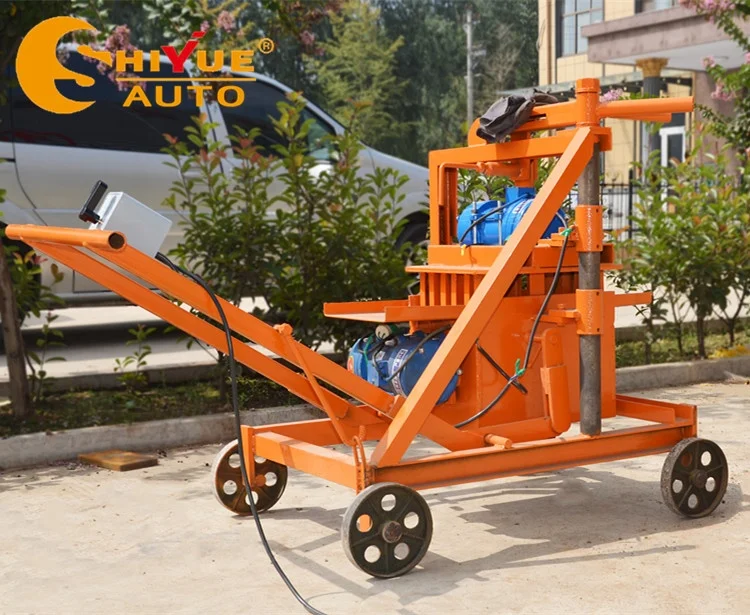
Description
Stocked for Dispatch — QMJ2-45 mobile block machines are container-loaded and ready to leave the Linyi workshop, with arrival timing confirmed before you commit.
Technical Specifications
| Parameter | Value |
|---|---|
| Model | QMJ2-45 |
| Product Type | Mobile Concrete Block Making Machine |
| Operation Type | Manual mobile egg-laying |
| Pallet Requirement | No pallets required |
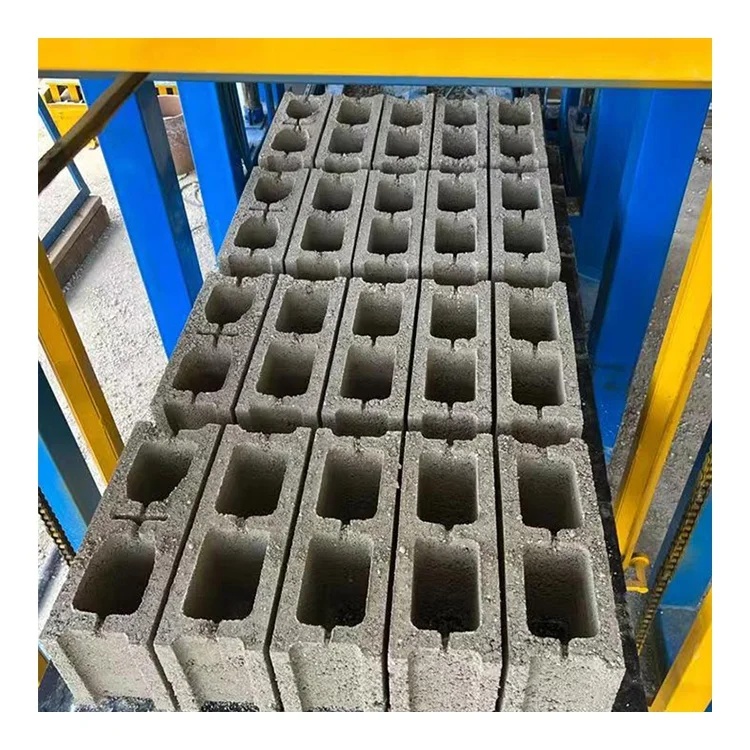
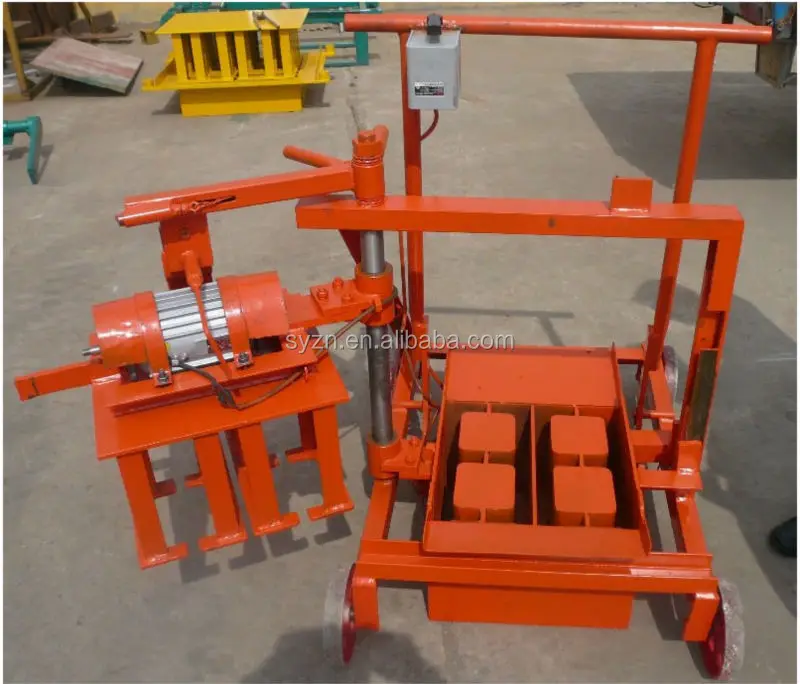
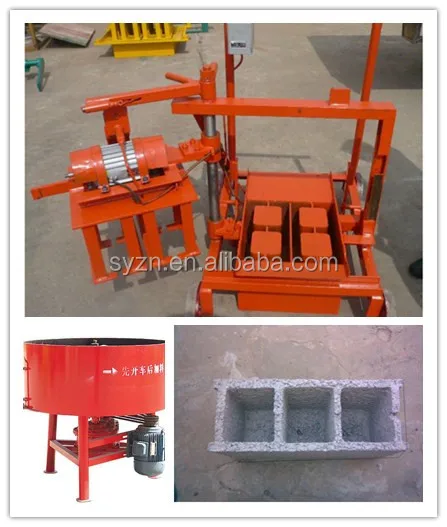
| Mould Formats | 400×200×200mm, 400×150×200mm, 400×100×200mm hollow brick |
| Cycle Time | 25–30s per mould (basis not stated in source — confirm block format / material / thickness) |
| Output Capacity | 160 pcs/h (based on 400×200×200mm hollow brick, 2 pcs/mould) |
| Output Capacity | 240 pcs/h (based on 400×150×200mm hollow brick, 3 pcs/mould) |
| Output Capacity | 320 pcs/h (based on 400×100×200mm hollow brick, 4 pcs/mould) |
| Daily Output (8hr) | 1280 pcs (based on 400×200×200mm hollow brick) |
| Daily Output (8hr) | 2560 pcs (based on 400×100×200mm hollow brick) |
| Labor Requirement | 1 to 3 workers |
| Mould Change | Supported via mould replacement |
| Automation Level | Manual |
| Control System | Not applicable (manual operation) |
| Operating Space | Small space compatible, mobile and free-moving |
Application Suitability
| Application | Material or Output |
|---|---|
| On-site hollow block production at construction projects | Local crushed stone, river sand, and cement |
| Temporary block yard near a housing development | Crusher dust, coarse sand, and Portland cement |
| Small-scale block enterprise with limited space | Gravel aggregate, sand, and cement with manual batching |
| Contractor producing blocks directly on a job site | Locally sourced aggregate to avoid transport cost |
What "Ready to Ship" Actually Means for a Mobile Block Machine in Stock
A machine on the floor is only useful if it fits your site, your grid, and your mould plan.
When a project is already behind schedule, buyers often grab the first available unit they see online. I have watched containers leave our Linyi yard with buyers who never confirmed whether their site voltage matches the machine’s motor, or whether the stocked mould actually produces the block format their local market demands. Fast dispatch matters, but arriving quickly with the wrong configuration costs more than waiting a few extra days for the right one [NEED_CITE: machinery voltage and frequency standards by export market]. A mobile block machine in stock should mean the complete package — machine, correct mould, and documentation — leaves together.
Dispatch Timing and Container Loading
The advantage of ordering a QMJ2-45 from current inventory is that the machine does not sit in a production queue. Once the mould format and any optional electrical components are confirmed, dismantling for shipment begins. The frame is secured, the mould crated separately, and the entire unit loaded into a container with blocking and bracing suited to ocean transit. Buyers working against a project deadline receive a container loading plan and packing photographs before the doors are sealed, so there are no surprises at the destination port.
Arrival Estimate and Customs Documentation
Shipping a mobile block machine in stock across borders means more than putting it on a truck. The dispatch team provides an arrival estimate based on the destination port and current sailing schedules. Customs documentation — including commercial invoice, packing list, and certificate of origin where required — is prepared alongside the shipment so clearance is not delayed by missing paperwork [NEED_CITE: customs documentation requirements for industrial machinery exports]. The goal is straightforward: the machine arrives when promised, and paperwork does not hold it at the terminal.
What the Specs Actually Mean on Your Site
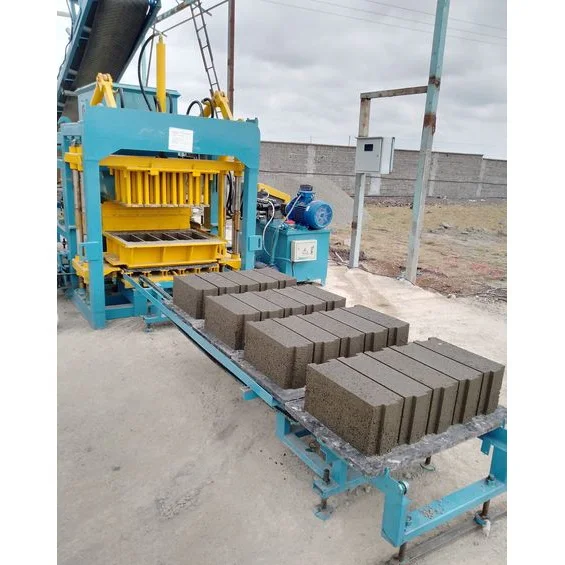
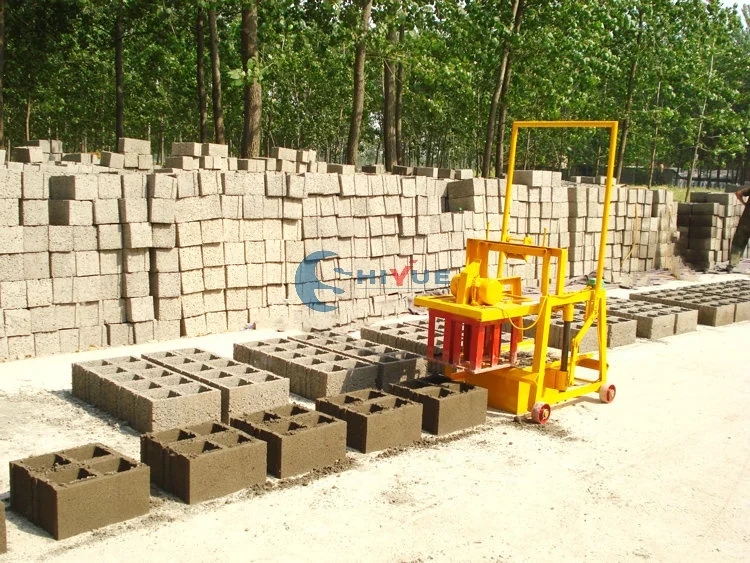
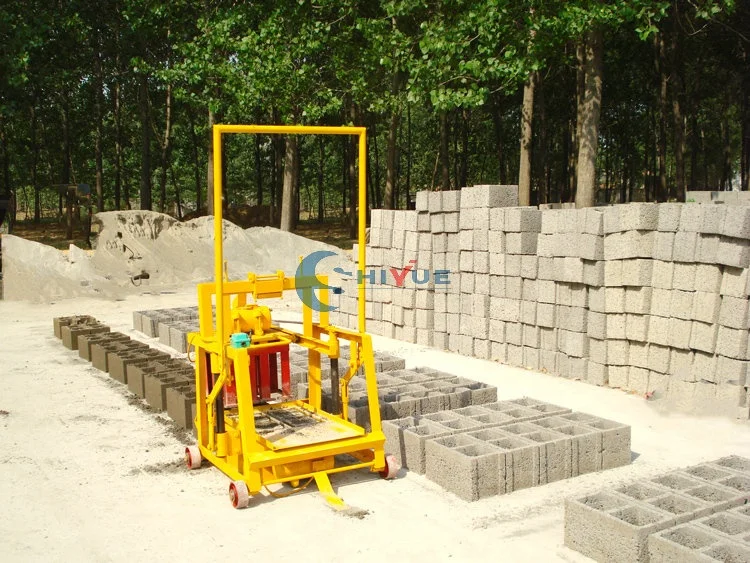
The QMJ2-45 operates without pallets, which is the defining feature of the egg-laying design. The machine moves forward after each press cycle, leaving the freshly formed block directly on the ground. This eliminates pallet inventory, pallet return conveyors, and curing rack handling entirely — a significant reduction in both equipment cost and site footprint. Mould change is manual and supported across the listed hollow brick formats, meaning one machine can produce 400×200×200mm blocks for structural walls and 400×100×200mm blocks for partition walls within the same shift, provided the crew is trained on the swap procedure. The 25–30 second cycle time is achievable when the mix consistency is correct and the operator maintains a steady rhythm; inconsistent moisture in the aggregate will extend this noticeably. Labor is kept to 1–3 workers because no pallet handling or stacking station is needed.
The Cost of Skipping Pre-Shipment Confirmation
Ordering a stocked machine without verifying mould format against local market demand is a common misstep. I have seen buyers receive a QMJ2-45 configured for a block size that has no buyers in their region, leaving the machine idle while a replacement mould is manufactured and shipped. Similarly, failing to confirm whether any electrical components on the unit match the local grid voltage leads to commissioning delays that erase any time gained from fast dispatch [NEED_CITE: CE machinery directive requirements for industrial equipment]. These are not expensive mistakes to fix in advance, but they are expensive to fix after the container arrives.
Why Source This Machine from This Workshop
Block machinery is the single focus here, so the QMJ2-45 is specified and dispatched as a complete system — machine, matched mould, and handling accessories — rather than assembled from separate suppliers. Stock availability is confirmed against actual floor inventory, not a catalogue assumption. Mould design covers the hollow brick formats the buyer’s market actually sells, and custom mould drawings can be produced when a non-standard format is needed. Automation level is selectable across the broader product range, so a buyer starting with this manual unit can plan a future upgrade path. Installation guidance and operator training materials are provided so the crew is productive from the first shift.
Documentation & Verification
- Factory test record on your selected hollow brick format before dispatch
- Mould drawing and format list matching your local market requirements
- Voltage and electrical component confirmation for your destination grid
- Packing photographs showing container loading and crate securing
- Operation and maintenance manual with wear parts list
Installation, Commissioning & Support
- Level compacted ground required; no fixed foundation needed for this mobile unit
- Confirm local voltage and frequency before any electrical components are energized
- Machine arrives partially dismantled; reassembly covers frame, motor, and mould mounting
- First-cycle test run with your local aggregate to verify block density and release
- Mould change procedure trained on-site with your crew during initial production shift
- Wear parts list provided so first reorder is planned before components fail
What to Share with Your Inquiry
To move quickly on a stocked QMJ2-45, the most useful details are the hollow brick format your market requires, your destination port for an arrival estimate, and the voltage and frequency at your site. If you have already sourced local aggregate, sharing the type and grading helps confirm whether the standard mix approach will work or whether adjustments are needed before the machine leaves the workshop.
Frequently Asked Questions
Q: Is the QMJ2-45 currently in stock and what is the dispatch lead time?
A: Stock status is confirmed against actual workshop inventory at the time of inquiry. When available, the machine can be dismantled and container-loaded within days, not weeks. Dispatch lead time depends on whether your chosen mould format is also in stock or requires a short production run. A clear timeline is quoted before you commit.
Q: How is the QMJ2-45 packed and loaded into a container for shipment?
A: The machine is partially dismantled for container loading, with the frame secured and the mould crated separately to prevent transit damage. Blocking and bracing are applied to withstand ocean freight conditions. Packing photographs are shared with the buyer before the container doors are sealed, so you know exactly how your unit was loaded.
Q: What is the estimated arrival time at my destination port?
A: Arrival estimates are calculated based on your destination port and current sailing schedules at the time of booking. This is quoted upfront alongside the dispatch date so you can plan site preparation and crew scheduling around a known window rather than guessing.
Q: Which hollow brick moulds are stocked and which require additional lead time?
A: Standard hollow brick formats including 400×200×200mm and 400×100×200mm are commonly available from stock. Non-standard or custom mould sizes may require a short production period before dispatch. Mould availability is confirmed alongside the machine so the complete package ships together.
Q: What documentation and customs support comes with the shipment?
A: Each shipment includes a commercial invoice, packing list, factory test record, and operation manual. Certificate of origin and any additional customs documents required by your destination country are prepared in advance. Documentation is finalized before dispatch to prevent clearance delays at your port.