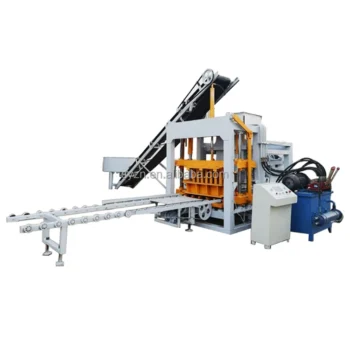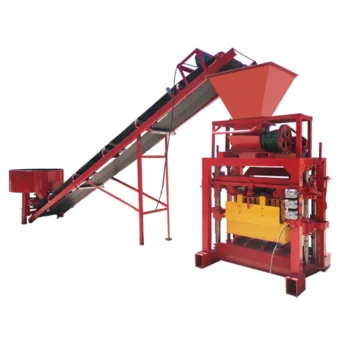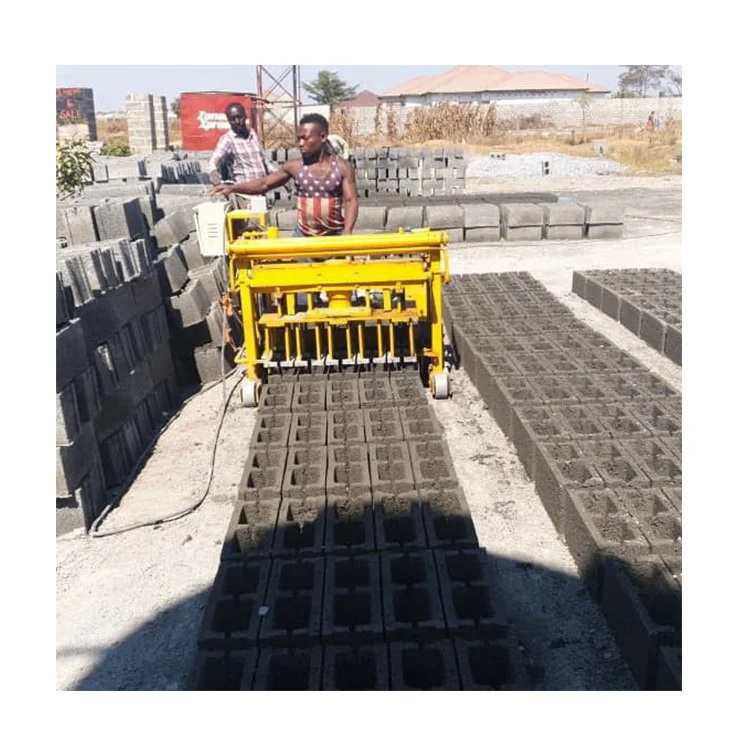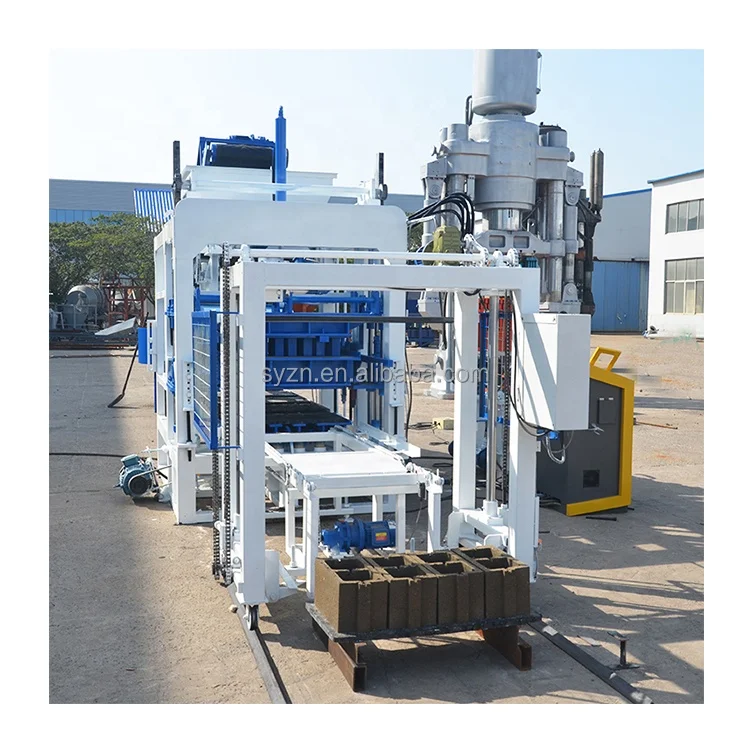


Description
Ready-to-dispatch inventory — Stocked QT8-15 units and standard moulds held in Linyi, with dismantling schemes and container loading plans confirmed before payment so arrival timing stays predictable.
Technical Specifications
| Parameter | Value |
|---|---|
| Model | QT8-15 |
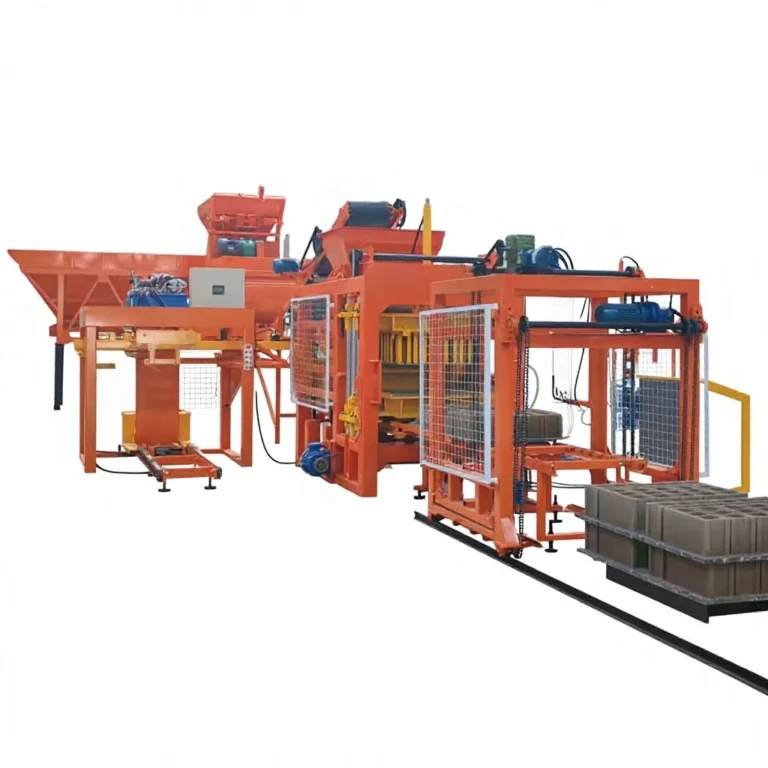
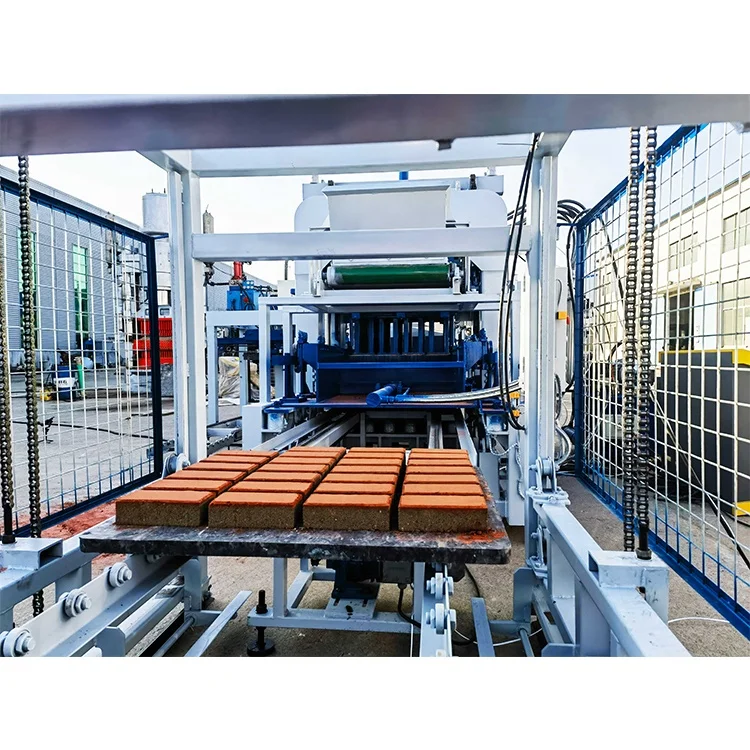
| Product Type | Hydraulic Concrete Block Making Machine |
| Overall Dimensions (L×W×H) | 8300×1860×3000 mm |
| Total Mass | 8 T |
| Rated Pressure | 21 MPa |
| Vibration Force | 45 kN |
| Main Vibration Form | Platform Vibration |
| Vibration Frequency | 2800–4500 r/min |
| Pallet Size | 950×900 mm |
| Molding Cycle | 15–20 s |
| Overall Power | 55.5 kW |
| Demolding Method | Hydraulic |
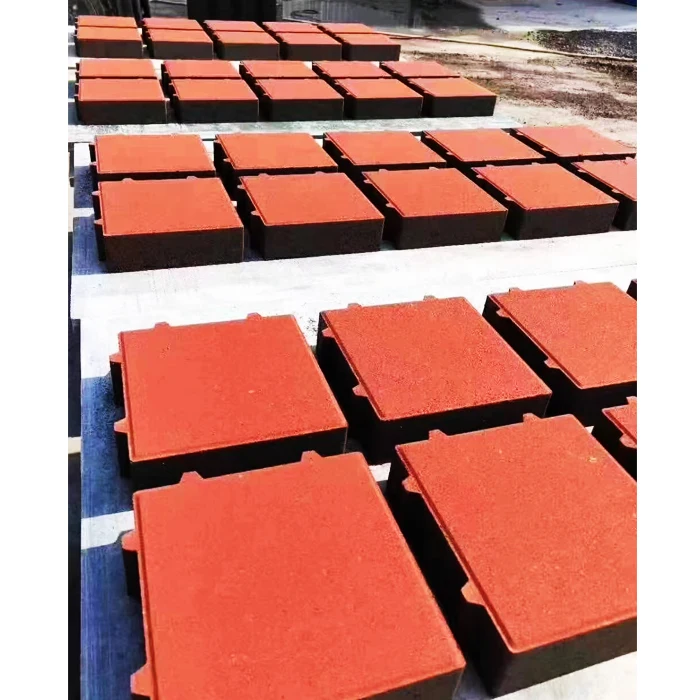
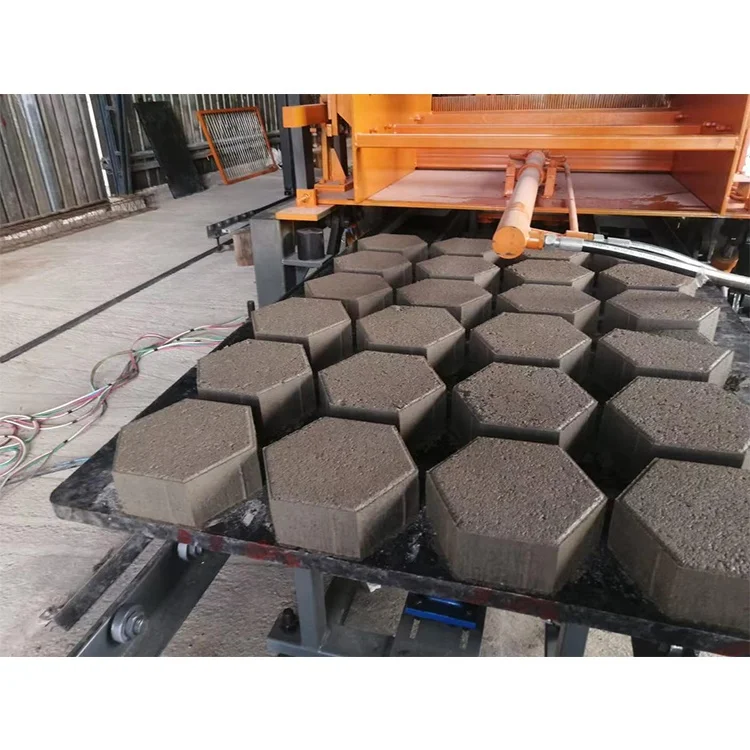
| Applied Products | Concrete hollow/solid blocks, pavers, interlocking blocks, curbstone, colored pavers |
| Raw Materials | Crushed stone, sand, cement, dust, fly ash, gravel, slag |
| Factory Area | 300 m² (basis not stated in source) |
| Output Capacity | Per-format capacity table (basis not stated in source — confirm block format and dimensions) |
| Warranty | 1 year for the whole machine (excluding spare parts) |
Application Suitability
| Application | Material or Output |
|---|---|
| Hollow block production for building contractors | Crushed stone, sand, cement, fly ash |
| Solid block manufacturing for housing projects | Gravel, sand, cement, slag |
| Paving brick runs for municipal or landscape work | Crushed stone, cement, colored pigment |
| Interlocking block and curbstone output | Coarse aggregate, cement, dust |
Why Voltage Confirmation Must Happen Before the QT8-15 Block Machine in Stock Leaves the Yard
A mismatched voltage rating at the destination port can stall commissioning for weeks, turning a fast delivery win into an idle machine waiting for an electrician.
I have watched containers arrive in West Africa and Southeast Asia with the press fully intact but the control cabinet wired for a grid the site does not have. The buyer then spends weeks sourcing step-down transformers or rewinding motors while the project deadline slips. Confirming voltage, frequency, and PLC display language before the QT8-15 block machine in stock is crated removes that entire class of delay [NEED_CITE: voltage and frequency standards by export market].
Dispatch Readiness and What "In Stock" Actually Covers
When buyers search for a QT8-15 block machine in stock, the phrase can mean anything from a bare press sitting on the workshop floor to a complete line with pallets, moulds, and stacking gear staged near the loading bay. Here, stock status is reported per unit: the press itself, the standard moulds that ship with it, and the pallet inventory that matches the 950×900 mm size. If a unit is available for immediate dispatch, the quotation names the exact moulds included and the pallet count, so the buyer knows what arrives versus what still needs a production run.
Container Loading, Dismantling, and the 40HQ Reality
An 8-tonne press measuring over eight metres in length does not walk into a container on its own wheels. The machine is broken down into its main frame, vibration platform, hydraulic station, and control cabinet. Each assembly is secured to the container floor with steel lashing, and moulds are packed in timber crates to prevent edge damage during ocean transit. Loading photographs are taken at every stage — empty container, half-loaded, fully secured, doors closed — and shared with the buyer before the seal goes on. This record protects both parties and speeds up the insurance claim process if anything shifts during the voyage [NEED_CITE: CE machinery directive requirements for containerized heavy equipment].
Reading the Specs That Actually Shape Daily Output
The 21 MPa rated pressure and 45 kN vibration force work together to compact the mix into the mould cavity; pressure alone without sufficient vibration leaves voids, while vibration without enough hydraulic clamp force produces blocks that crumble at the edges. The 15–20 s molding cycle is measured across standard block formats, but thicker or denser pavers will push the cycle toward the upper end of that range. Pallet size at 950×900 mm dictates the curing rack spacing the buyer must prepare — ordering pallets that do not match existing rack dimensions means rebuilding the curing area before the first shift runs. Overall power of 55.5 kW determines the dedicated circuit and transformer capacity the site electrician must arrange in advance.
What Happens When Dispatch Details Get Skipped
A buyer who pays for a fast-ship unit without confirming the pallet material — bamboo, PVC, or steel — may receive pallets that warp in high humidity or crack under forklift tines, halting production within the first month. Skipping the mould inventory check means discovering on arrival that the hollow block mould included is a size the local market does not buy, forcing a second mould order and weeks of air-freight cost. Leaving the control cabinet language on default settings forces operators to navigate error codes in a language they cannot read, slowing every troubleshooting call [NEED_CITE: common commissioning delays in exported block making equipment].
Why Buyers Source This Press From Our Linyi Yard
- Block machinery is the single product focus, so the QT8-15 press, moulds, pallets, and handling gear are specified as one matched set rather than assembled from separate vendors.
- Dispatch lead time is quoted against actual stock levels, not against a production schedule that has not started yet.
- Container loading plans include dismantling diagrams and lashing photographs specific to the 8300×1860×3000 mm frame, not generic packing lists.
- Voltage, frequency, and PLC language are confirmed line by line on the pre-shipment checklist before the control cabinet is bolted to the container floor.
- Standard moulds and hydraulic wear parts are inventoried alongside the press, so the first replacement order ships from the same yard rather than a different factory across town.
Documentation & Verification
- Factory test record showing cycle times on the buyer’s specified block format before dispatch
- Packing photographs of each dismantled assembly inside the 40HQ container before sealing
- Hydraulic and electrical schematic matching the shipped configuration, not a generic catalogue drawing
- Pallet specification sheet confirming size, material, and load rating for the 950×900 mm format
- Wear parts list with part numbers for the first scheduled mould and hydraulic seal replacement
Installation, Commissioning & Support
- Foundation must support the 8 T total mass and vibration load across the 8300 mm frame length
- Dedicated 55.5 kW circuit with voltage and frequency matching the confirmed pre-shipment checklist
- Hydraulic station reconnected and bled on site before the first dry-cycle test
- PLC display language set to the operator’s preference before the control cabinet leaves Linyi
- Mould change procedure demonstrated with the standard moulds included in the shipment
- Wear parts and seal kits stocked in Linyi for dispatch after the first production run
What to Include in Your Inquiry
To match the right stocked unit to your project timeline, share the block format and dimensions you intend to produce first, the daily output target for that format, and the voltage and frequency at your site. Mention any existing curing racks or forklifts so the 950×900 mm pallet size can be verified against your current setup. If the project has a fixed milestone date, state the port of destination so the transit window can be folded into the dispatch plan.
Frequently Asked Questions
Q: Which QT8-15 units and moulds are currently in stock and what is the dispatch lead time?
A: Stock status is reported per unit, naming the press, the standard moulds on hand, and the pallet count. Dispatch lead time is quoted once the buyer confirms voltage, frequency, and PLC language. Typical multi-week lead times apply if a specific mould must be built before the container is sealed.
Q: How is the machine dismantled and loaded into a 40HQ container, and can I see loading photographs?
A: The press is broken into main frame, vibration platform, hydraulic station, and control cabinet. Each assembly is lashed to the container floor, and moulds are crated. Photographs at empty, half-loaded, fully secured, and doors-closed stages are shared before the container seal is applied.
Q: What arrival estimate can I expect from order to site delivery for my destination port?
A: The arrival estimate includes production completion or stock release date, shipping booking window, and port-to-site transit time. The estimate is quoted upfront so the buyer can plan foundation work and electrical preparation around a known date.
Q: Are voltage, frequency and PLC display language confirmed before the machine leaves the factory?
A: Yes. Each parameter is confirmed line by line on the pre-shipment checklist. The control cabinet is then wired to the confirmed voltage and frequency, and the PLC display is set to the operator’s language before crating.
Q: Which standard moulds ship with the QT8-15, and how soon can replacement wear parts be dispatched?
A: The quotation lists the exact standard moulds included with the stocked unit. Replacement wear parts and hydraulic seals are inventoried in the same Linyi yard and can be dispatched once the first production run confirms which items are needed.