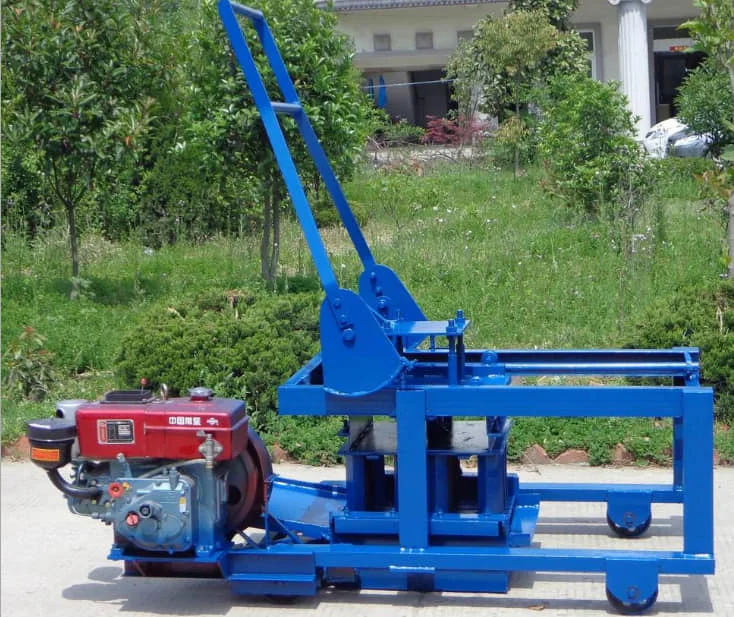
Description
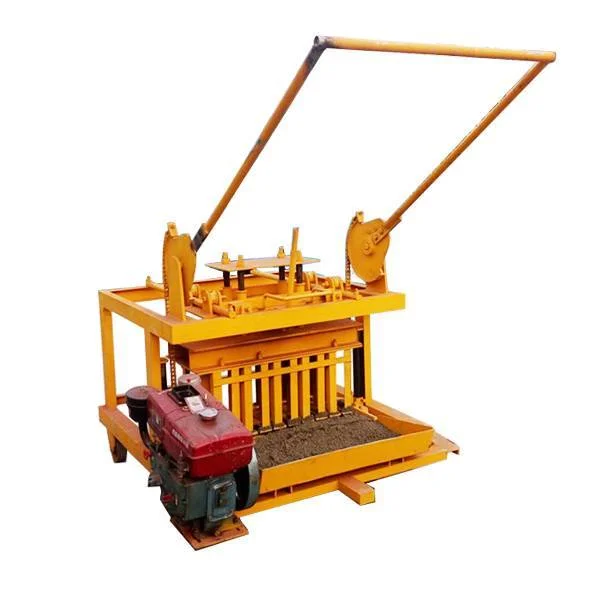
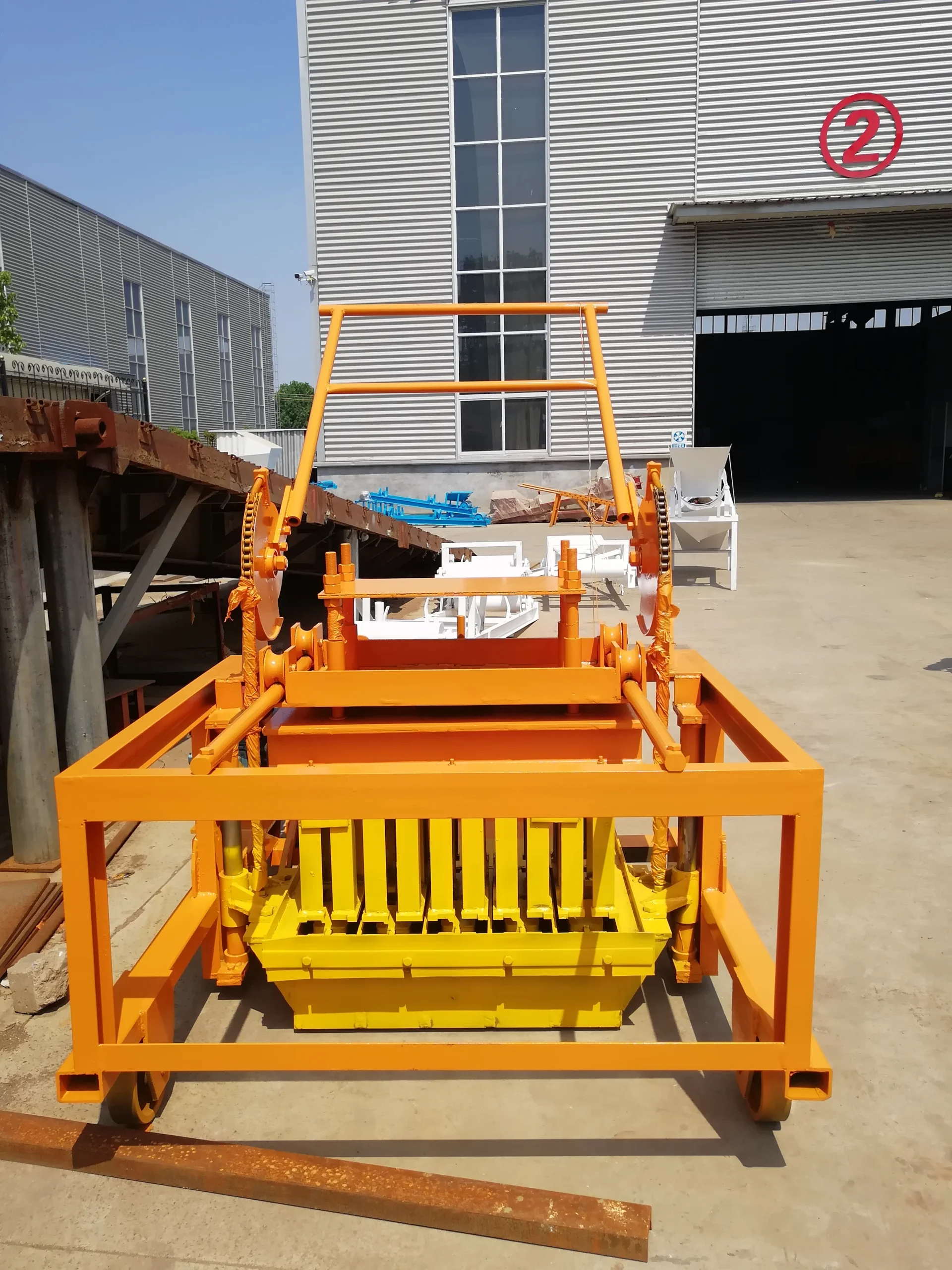
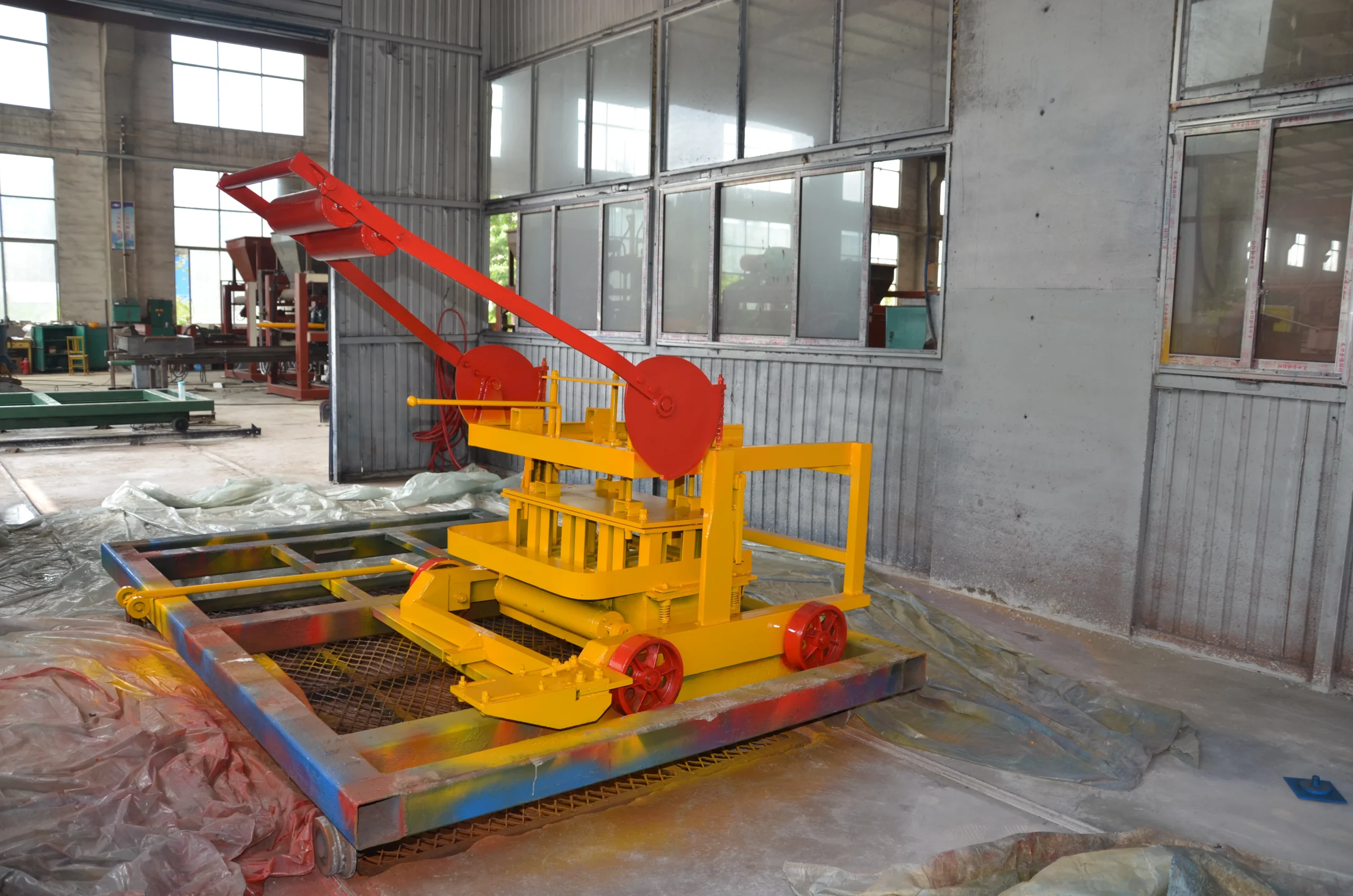
Fast dispatch readiness — every QMR4-45 diesel mobile egg laying block machine is held fully assembled and tested before container loading, so buyers on tight project timelines avoid multi-week factory queues.
Technical Specifications
| Parameter | Value |
|---|---|
| Model | QMR4-45 |
| Product Type | Mobile Egg Laying Brick Making Machine |
| Power Source | Diesel Engine |
| Machine Type | Mobile / Egg-Laying |
| Automation Level | Manual / Portable |
| Mould Format | Interlocking brick, solid block, hollow block (basis to be confirmed) |
| Output Capacity | Daily output varies by block format and crew pace (basis to be confirmed) |
| Pallet Size | Not applicable (egg-laying type, no pallet required) |
| Hydraulic Pressure | Not applicable (mechanical / diesel-driven) |
| Vibration Force | Mechanical vibration system (basis to be confirmed) |
| Stacking Method | Manual (blocks laid directly on ground) |
| Assembly State | Fully assembled, portable |
| Control System | Manual operation |
| Certification | CE, ISO 9001 |
Application Suitability
| Application | Material or Output |
|---|---|
| On-site block production for construction contractors | Solid blocks and hollow blocks from local aggregate and cement |
| Remote housing projects without grid power | Interlocking bricks using site-sourced crushed stone |
| Small-scale block yards and rural enterprises | Solid and hollow concrete blocks in low-volume runs |
| First-time entrepreneurs starting a block operation | Standard concrete mixes with locally available sand and gravel |
Why "In Stock" Matters More Than the Quoted Output
A machine that ships this week beats a higher-capacity press that arrives two months late.
When a contractor has a housing project deadline and the block supply chain breaks down, waiting eight to twelve weeks for a custom-built machine is not an option. I have watched buyers accept inflated cycle-time figures from factories that then take weeks to begin fabrication, only to discover the real output on site falls far short of what was promised. With the QMR4-45 mobile egg laying block machine in stock, the conversation shifts from lead-time negotiation to container booking. [NEED_CITE: typical lead times for custom-built versus stocked block machinery]
The QMR4-45 mobile egg laying block machine in stock is fully assembled at our Linyi yard, factory-tested with a standard mould, and ready for dismantling and container loading within days of order confirmation.
What Stock Availability Actually Means for Your Schedule
A stocked machine eliminates the fabrication queue entirely. Once the voltage and control language are confirmed — irrelevant here since the QMR4-45 runs on a diesel engine — the unit moves straight to pre-shipment inspection. Container loading plans, including dismantling of the frame for a 20-foot container if needed, are prepared alongside the commercial invoice. Buyers working to a project deadline can align vessel departure with their construction phase rather than adjusting the build schedule to the factory’s production slot.
How Diesel Power Removes the Site-Readiness Bottleneck
The diesel engine eliminates the most common cause of delayed commissioning I see in West Africa and Southeast Asia: voltage mismatch. A few years back, a QMR4-45 shipment to a West African site was held up because the auxiliary mixer was specified with a 380V motor and the site only had 220V single-phase. Three weeks lost waiting for a step-up transformer. Now, before any QMR4-45 leaves the yard, I cross-check the buyer’s site photos and confirm the diesel engine model, fuel filter type, and any auxiliary electrical components against local supply conditions. [NEED_CITE: diesel engine serviceability and spare parts availability in remote construction markets]
Reading the Specs That Determine Real Daily Output
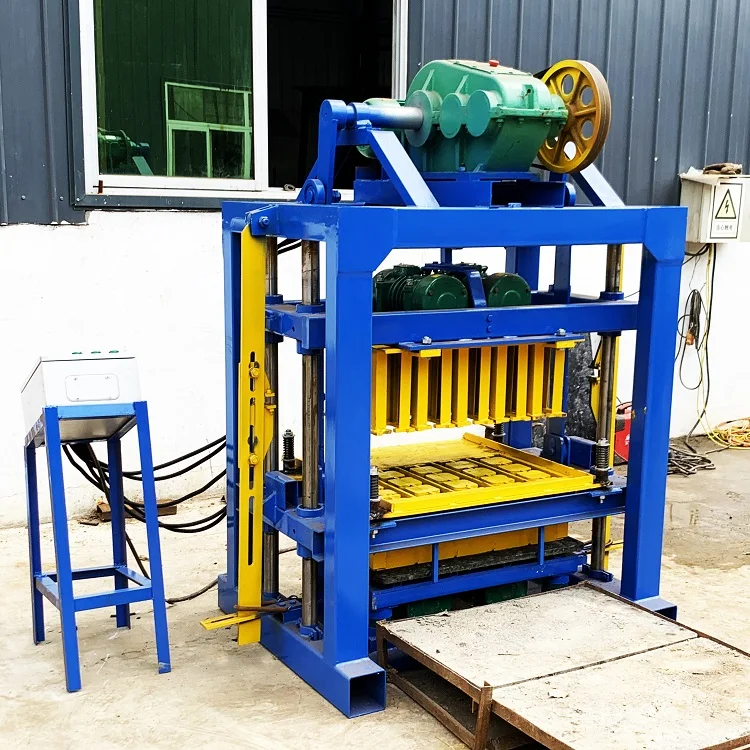
The QMR4-45 is a mechanical egg-laying type, which means block density depends on the vibration system and the operator’s feed consistency rather than hydraulic pressure. The mould format options — interlocking brick, solid block, hollow block — each require a different cycle rhythm: hollow blocks need a longer vibration period to consolidate the thinner walls, while interlocking bricks demand precise mould alignment to maintain the tongue-and-groove profile. The net weight of the machine affects portability on uneven ground, and the overall dimensions determine how easily a two-person crew can reposition it across a curing yard. No pallet is needed, which reduces material cost but requires a level, compacted ground surface to maintain block dimensional tolerance. The diesel engine’s rated power governs vibration intensity, directly influencing block strength across different mix designs.
The Hidden Cost of Ignoring Dispatch Details
Buyers who focus only on the machine price and ignore shipping configuration often face unexpected delays. A QMR4-45 that arrives without the correct mould bolt set or with a damaged vibration spring because it was loaded without proper bracing means weeks of idle time on site. I have seen projects where the machine cleared customs but the operator’s manual was only in Chinese, leaving the crew to guess at maintenance intervals. [NEED_CITE: common shipping damage causes for mobile block machinery in container transit] Every QMR4-45 we dispatch is photographed during loading, with pallets and bracing documented, and the manual provided in the buyer’s requested language.
Why Buyers Source This Machine Through Our Dispatch Line
Block machinery is our single focus, so the QMR4-45 is never treated as a catalogue item pulled from a general-purpose factory floor. The machine, mould, and diesel engine are specified as one matched unit rather than assembled from separate suppliers. Stock status is updated against actual yard inventory, not a theoretical production schedule. Container loading plans account for the QMR4-45’s specific dimensions and weight distribution, reducing transit damage risk. We provide factory test records showing the machine producing actual blocks before dismantling, giving buyers verified evidence rather than brochure claims.
Documentation & Verification
- Factory test record showing block output from the QMR4-45 before dismantling and packing
- CE declaration confirming compliance for the diesel-driven mobile egg laying configuration
- Container loading photograph set documenting bracing and securing of the QMR4-45 frame and mould
- Diesel engine specification sheet matched to the installed unit, with fuel filter and oil grade details
Installation, Commissioning & Support
- Level compacted ground area required for egg-laying operation, no concrete foundation or pallet system needed
- Diesel engine oil, fuel filter, and air filter specifications provided for local sourcing before arrival
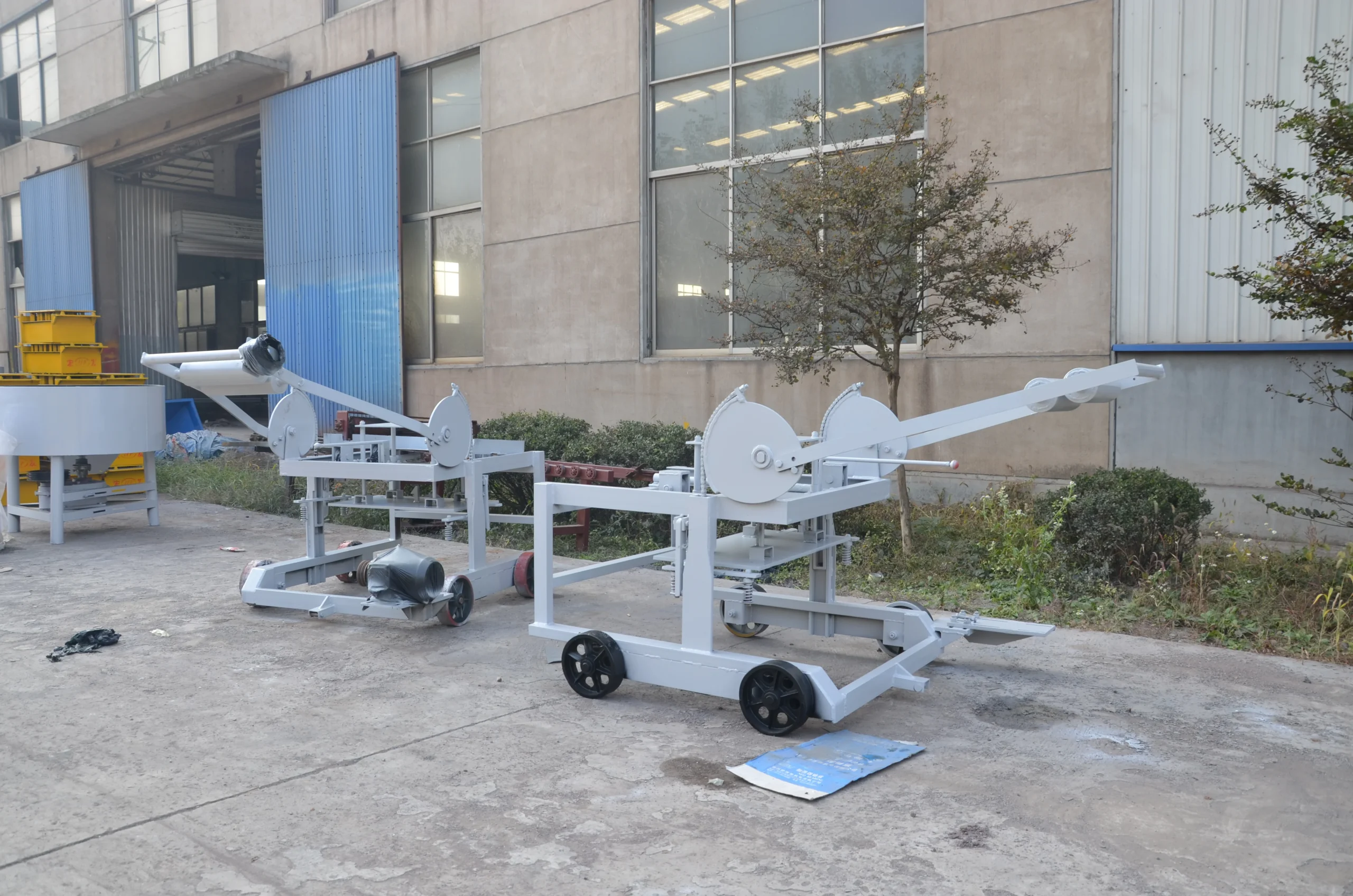
- Machine arrives partially dismantled for container fit; reassembly involves bolting the frame and remounting the mould
- First-run block test supervised remotely or via local agent to verify mix consistency and vibration timing
- Mould bolt set and vibration spring spares shipped in the same container to avoid early downtime
- Operator manual in buyer’s language covering daily greasing points and diesel engine maintenance intervals
What to Confirm Before Placing Your Order
To match the right QMR4-45 unit to your project, share the block format you need to produce, the daily volume target, and the aggregate type available at your site. Confirm whether you need the standard mould included or a custom profile from your drawings. Let us know the destination port so we can quote container loading and estimated vessel departure dates.
Frequently Asked Questions
Q: Which mould formats come with the stocked QMR4-45, and can I order custom moulds?
A: The QMR4-45 units in stock typically carry one standard mould for solid block or hollow block production. Interlocking brick moulds and custom profiles are available as add-on items manufactured to your drawings. Custom mould production runs on a separate timeline from the machine dispatch, so confirm your format requirements early to align both deliveries.
Q: How fast can a stocked QMR4-45 ship after order confirmation?
A: Once the commercial terms are settled and the destination port is confirmed, a stocked unit moves to pre-shipment inspection and container loading. Typical dispatch from yard to port takes several working days, depending on container availability and customs clearance scheduling. Vessel departure then follows the next available sailing to your destination.
Q: How is the QMR4-45 packed into a container, and will it arrive assembled?
A: The machine is partially dismantled — typically the frame is separated from the base — to fit within a standard 20-foot container. Reassembly on site involves bolting the structural frame and remounting the mould, which a crew with basic hand tools can complete. Loading photographs are taken before the container is sealed.
Q: What on-site support is available once the QMR4-45 arrives?
A: Remote guidance covers first-run testing, diesel engine startup checks, and initial block quality assessment. For buyers requiring hands-on support, on-site commissioning can be arranged through our regional service network. Spare wear parts and replacement mould bolts are recommended to ship in the same container to avoid early production stops.
Q: Can spare parts and extra moulds ship in the same container as the machine?
A: Yes, and we strongly recommend it. Mould bolt sets, vibration springs, diesel engine filters, and any additional mould formats ordered alongside the QMR4-45 are packed into the same container. This avoids a second shipment and ensures parts are on hand when the first replacement cycle arrives.