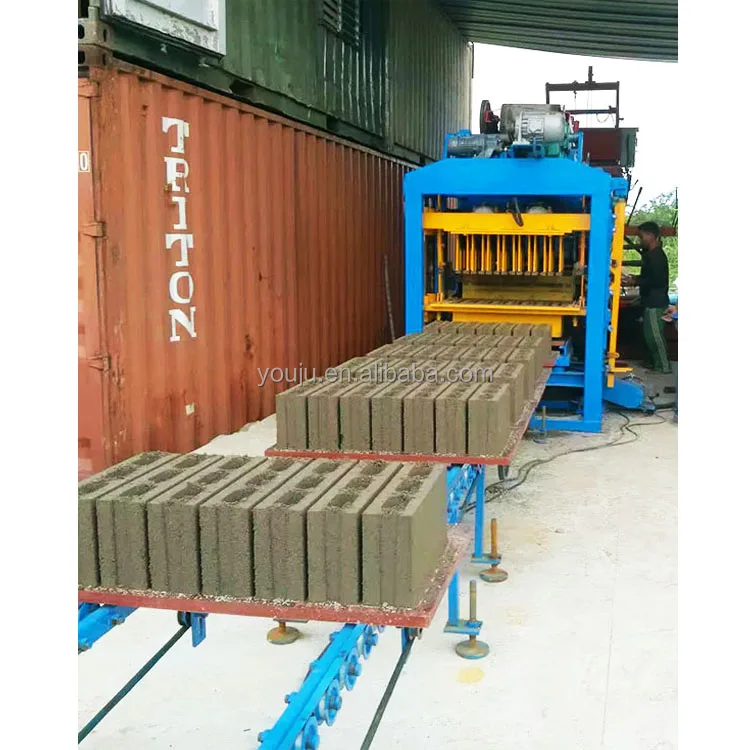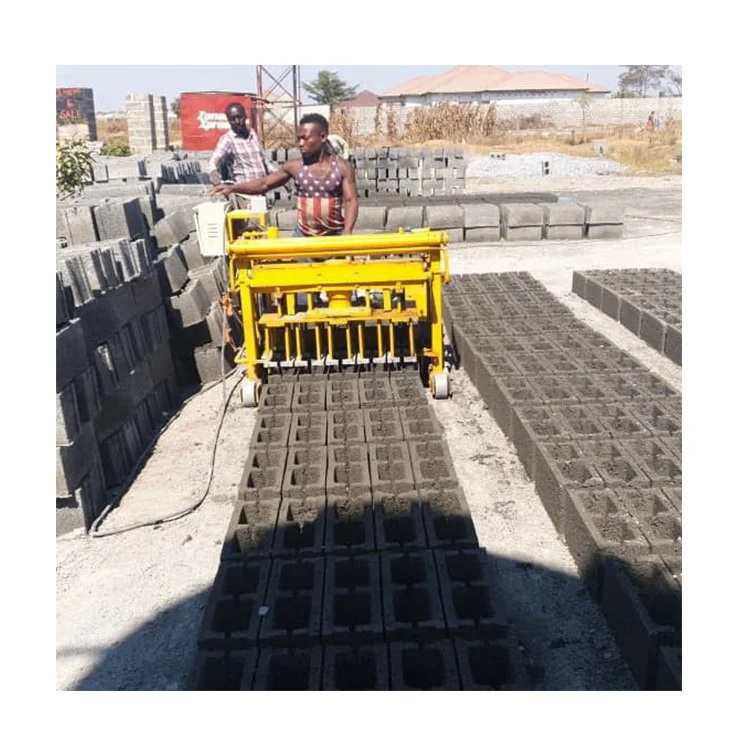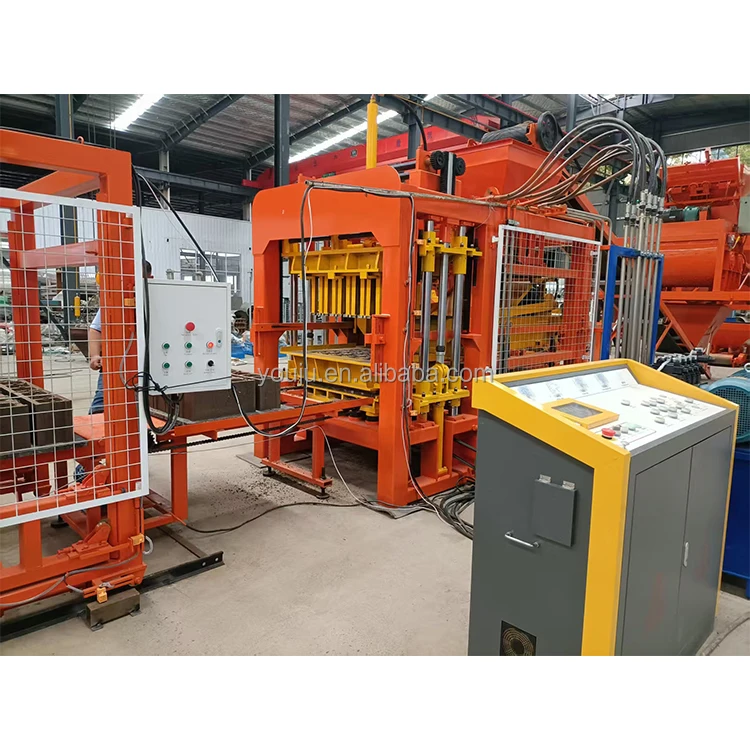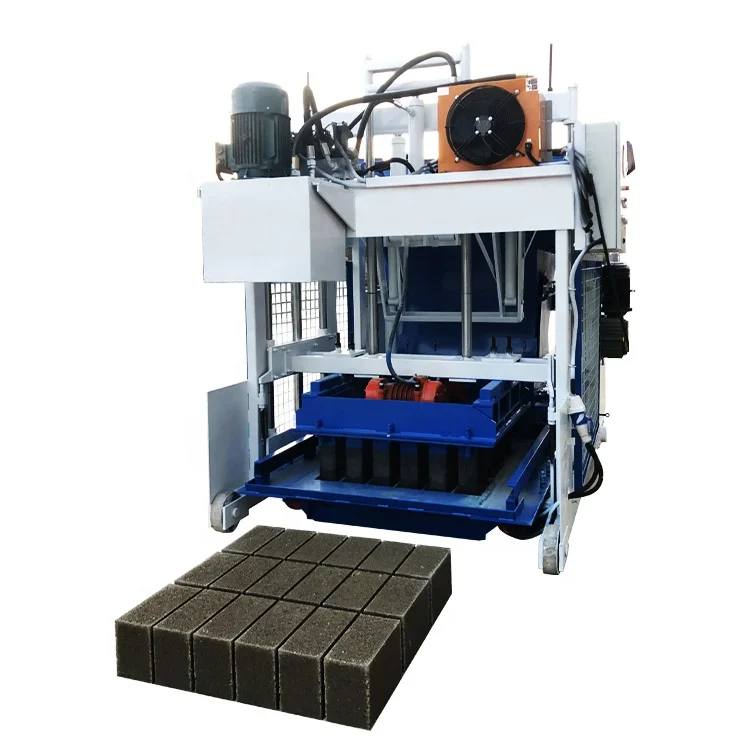
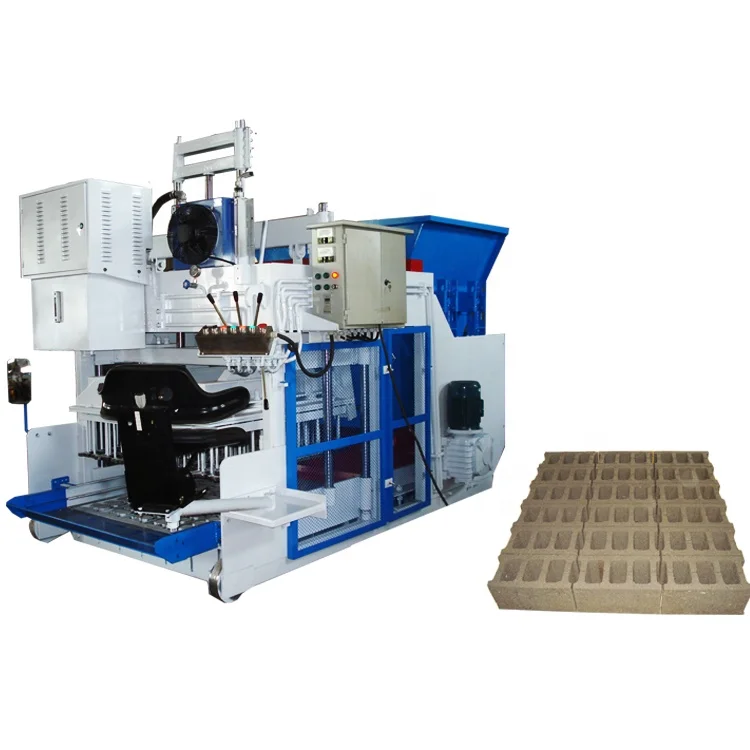
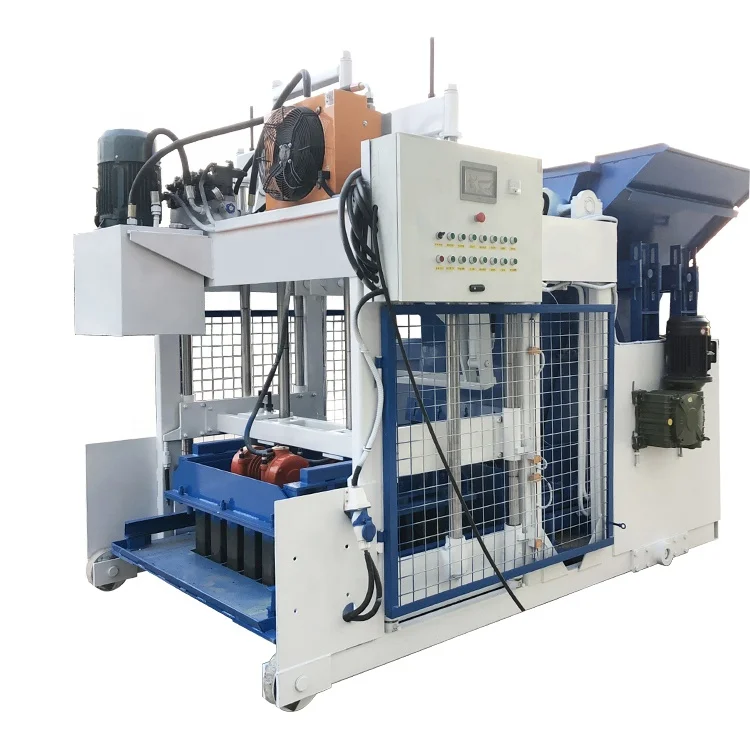
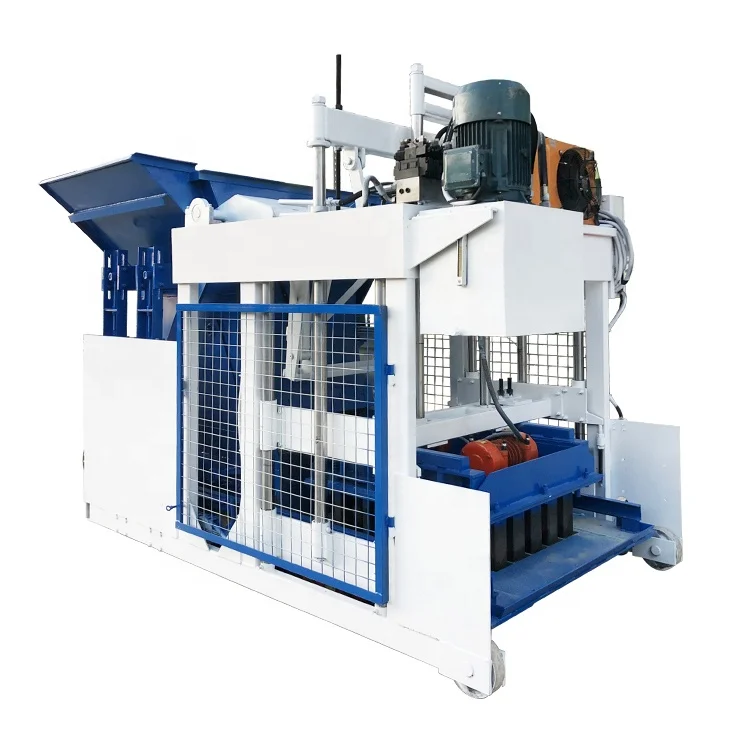
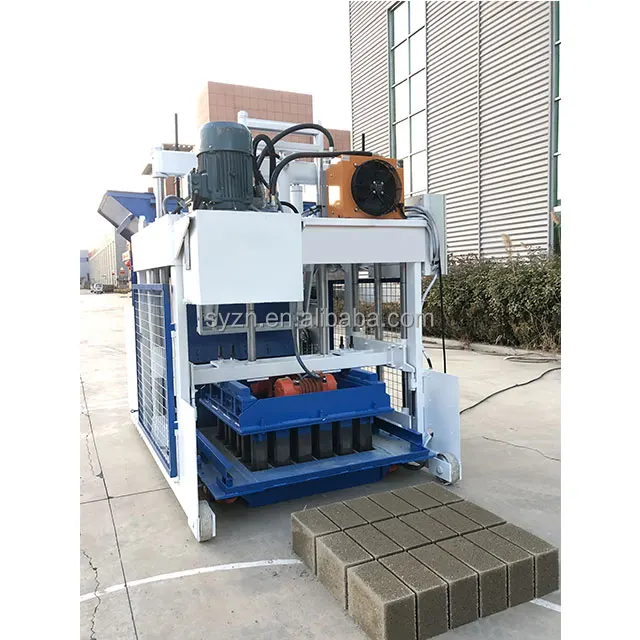
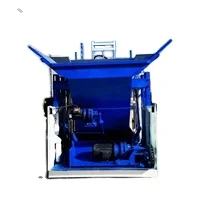
Description
Stock & Dispatch Certainty — Every QMY18-15 egg laying block machine leaves our yard with voltage and frequency matched to your site grid, confirmed before the container is booked.
Technical Specifications
| Parameter | Value |
|---|---|
| Model | QMY18-15 |
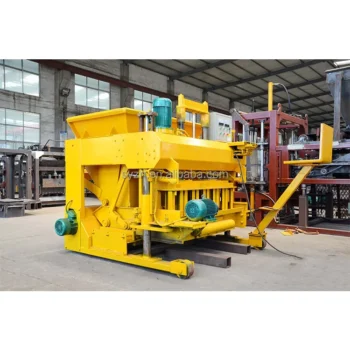
| Product Type | Egg Laying Hollow Concrete Block Making Machine |
| Working Method | Hydraulic |
| Control System | PLC |
| Rated Power | 24 KW |
| Voltage | Customized according to local industrial supply |
| Output Capacity | About 34,000 pcs per shift based on 400×200×200mm hollow block (basis not stated in source for other formats) |
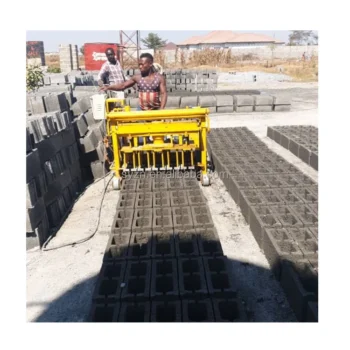
| Pallet Requirement | None — blocks are laid directly on the ground |
| Block Types | Customizable hollow, solid, and other formats |
Application Suitability
| Application | Material or Output |
|---|---|
| On-site contractor production | Hollow and solid blocks from locally sourced aggregate, cement, and sand |
| Housing project supply | Mobile output directly onto cleared ground inside a project perimeter |
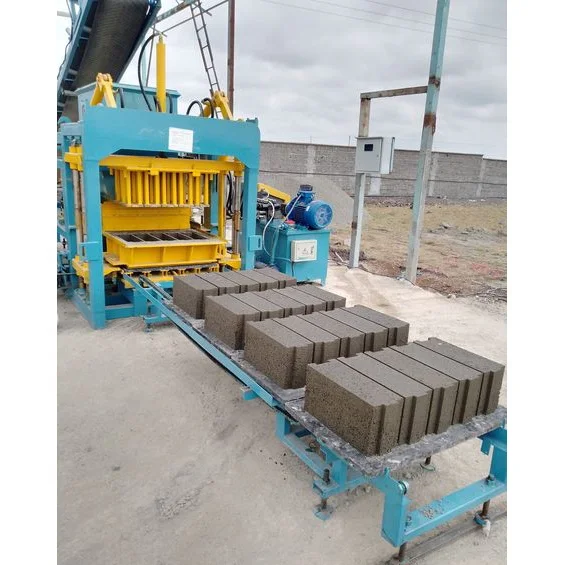
| Start-up block yard | Small-footprint production without a fixed curing line or pallet inventory |
| Remote infrastructure works | Egg-laying format blocks laid on prepared soil at the job site |
Why the Voltage Question Should Come Before the Price on a QMY18-15 Egg Laying Block Machine in Stock
A motor wired for 380V/50Hz will burn out within minutes on a 440V/60Hz job site. I learned this in Colombia when a QMY18-15 egg laying block machine in stock arrived with the wrong motor, leaving a housing project idle for two weeks while a replacement shipped from China. The dispatch was fast, but the site lost time that no container can recover. Every unit we load now has its voltage and frequency locked to the buyer’s written confirmation [NEED_CITE: voltage and frequency standards by export market]. The QMY18-15 egg laying block machine in stock you see listed is not truly ready until that one detail is matched to your incoming supply.
Availability That Holds Until Your Container Departs
Stock means different things to different sellers. For us, a QMY18-15 egg laying block machine in stock is one that has passed its factory run, sits in the dispatch yard, and has a confirmed loading window. Buyers working to a project deadline need a date, not an estimate. The machine is dismantled into its travel sections only after the container booking is firm, so nothing sits half-crated while shipping schedules shift.
Dismantling for Container Loading
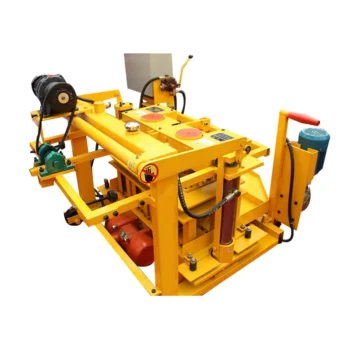
The hydraulic egg laying machine is broken down into frame, mould assembly, hydraulic pack, and PLC cabinet. Each section is braced inside the container against movement at sea. Dismantling is designed so the same bolt points used on the factory floor are used to rejoin the machine on-site — no extra fabrication, no welding. A single 20 ft or 40 ft container is sufficient depending on the mould count you include.
Reading the Specs That Actually Matter on Site
The 24 kW rated power tells you the generator size you need on a remote site with no grid connection. The PLC control means the operator interface can be set to your local language before dispatch, reducing first-day commissioning delays. Because the machine lays blocks directly on the ground, there is no pallet inventory to source, no pallet return loop to manage, and no pallet cost per block to factor into your pricing [NEED_CITE: egg laying block production workflow without pallets]. Output of roughly 34,000 pieces per shift is based on 400×200×200mm hollow blocks; smaller formats will yield a higher count, and denser solid blocks will yield less — always confirm against your target block size.
What Happens When Dispatch Details Are Skipped
Skipping the voltage check is only one failure path. If the mould format is not confirmed against your local block standard, the machine arrives producing a block your market does not buy. If the container loading plan is not shared, the buyer has no idea whether the machine will arrive assembled or in sections that need a crane. If the dispatch date is vague, a contractor loses a penalty-free window to finish a wall before the rainy season [NEED_CITE: construction penalty clauses for delayed structural work]. These are not machine defects; they are documentation gaps.
How We Remove the Guesswork Before Loading
Every unit we ship carries a line-specific layout, a capacity calculation that names the block format assumed, and a voltage/frequency confirmation sheet signed by both sides. The factory test record shows the machine running on the agreed voltage with a mould producing the agreed block. Packing photographs are taken at the yard before the container doors close, so the buyer sees exactly how the frame, hydraulic pack, and PLC cabinet are braced. Customs documentation is prepared in parallel so the machine clears the port without a paperwork hold.
Documentation & Verification
- Factory test record run on your confirmed voltage and target block format
- Voltage and frequency confirmation sheet signed before container loading
- Packing photographs taken at the yard prior to dispatch
- Mould drawing list showing every format included in your shipment
- Customs documentation pack prepared to match your destination port requirements
Installation, Commissioning & Support
- Ground preparation guidance matching the QMY18-15 wheelbase and hydraulic outrigger spread
- 24 kW power supply check and circuit sizing before the motor is energized
- Bolt-together reassembly using factory-matched sections, no site welding required
- First-day run supervised via remote or on-site commissioning depending on order scope
- Operator training on PLC interface language and mould change sequence
- Spare mould wear parts and hydraulic seals shipped inside the container
What We Need from You to Confirm Dispatch
To lock a dispatch date, share the block format you intend to produce, your site voltage and frequency, and the destination port. If the machine will run on a generator rather than a grid connection, tell us the kVA rating so we can confirm the 24 kW draw fits within safe limits. The sooner these details are in, the sooner the container booking follows.
Frequently Asked Questions
Q: Is the QMY18-15 currently in stock and what is the dispatch lead time?
A: Stock status is confirmed per unit, not per model family. Once you provide your voltage and target block format, we verify the specific machine in the yard and quote a dispatch date alongside the container loading plan so you can schedule your site work with a real calendar date, not an estimate.
Q: How is the machine loaded into a container for shipment?
A: The frame, mould assembly, hydraulic pack, and PLC cabinet are separated at the factory yard, braced inside the container, and accompanied by packing photographs taken before the doors close. Reassembly on site uses the same bolt points, so no extra welding or fabrication is required.
Q: What voltage options are available and how is this confirmed?
A: The motor and PLC are configured to match your local industrial supply, whether that is 220V, 380V, 440V, or another standard, at either 50Hz or 60Hz. Confirmation is written and signed before the machine is wired, so there is no mismatch when the container opens on your site.
Q: What spare parts and moulds ship together with the machine?
A: Each shipment includes the mould set for the agreed block formats, a hydraulic seal kit, and a mould wear parts list. The exact spare package is listed on the quotation so you know what is in the container before it departs, and reorder points are suggested based on typical production hours.