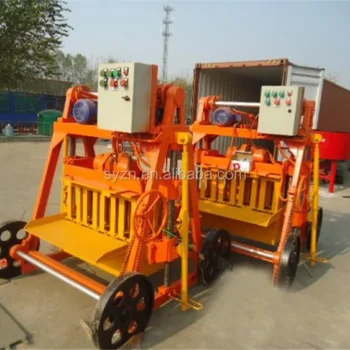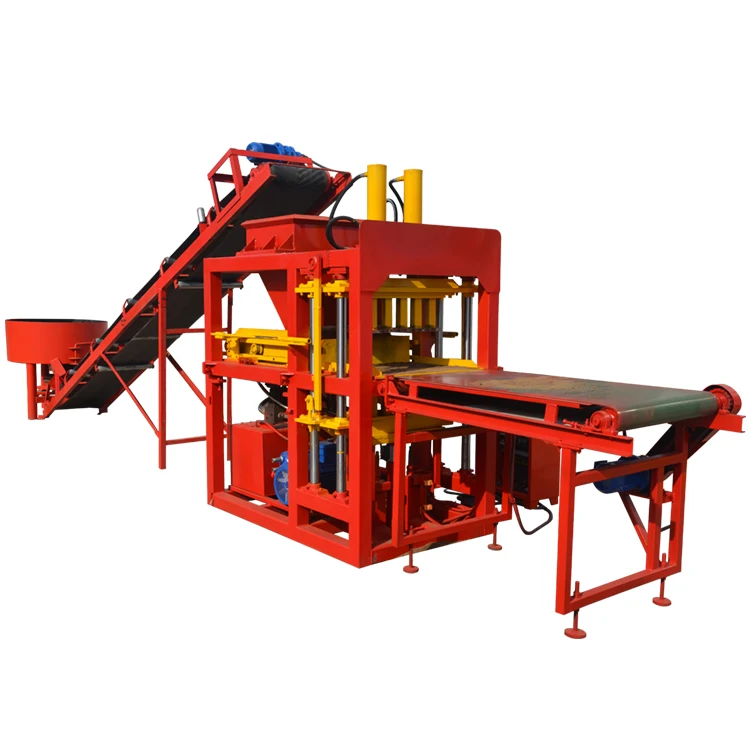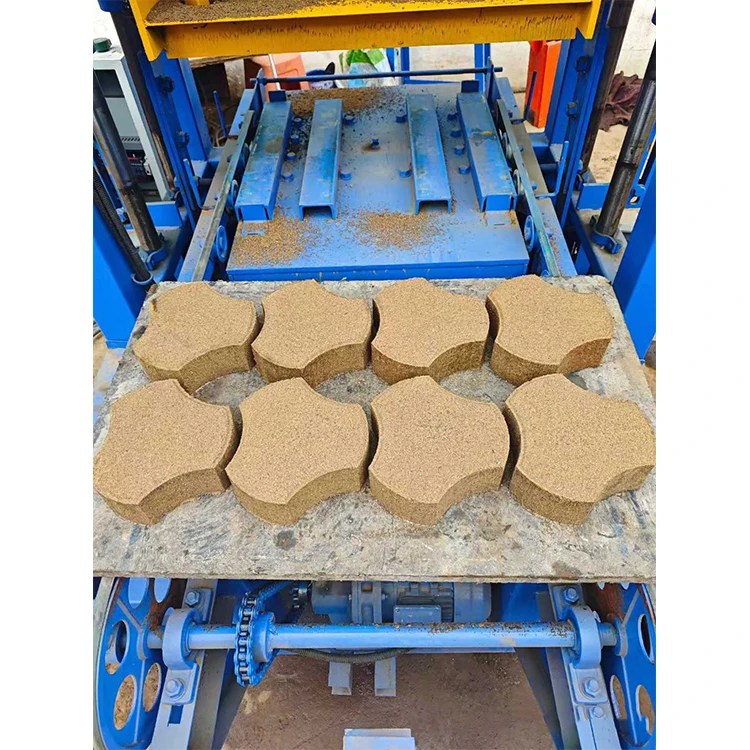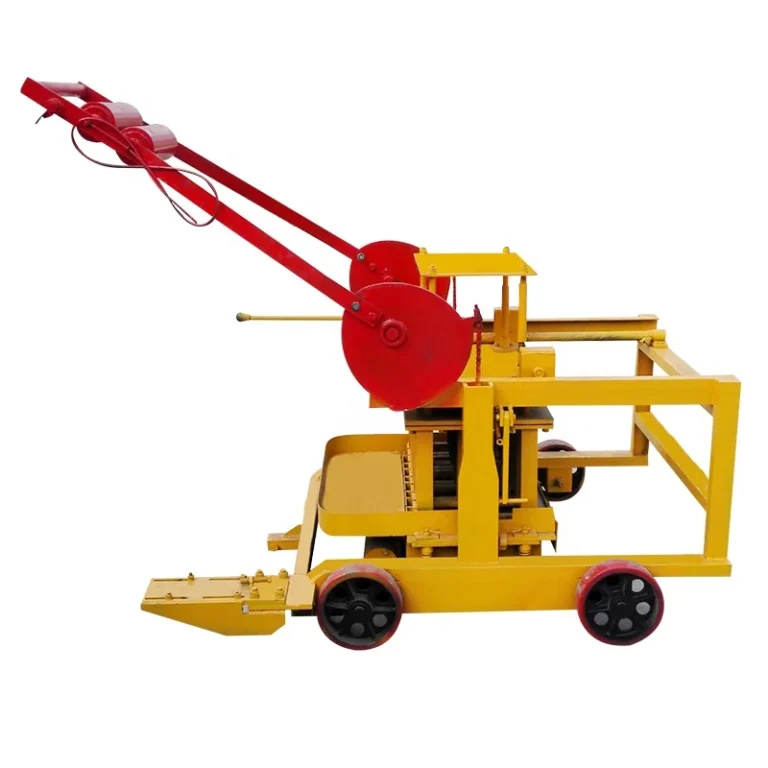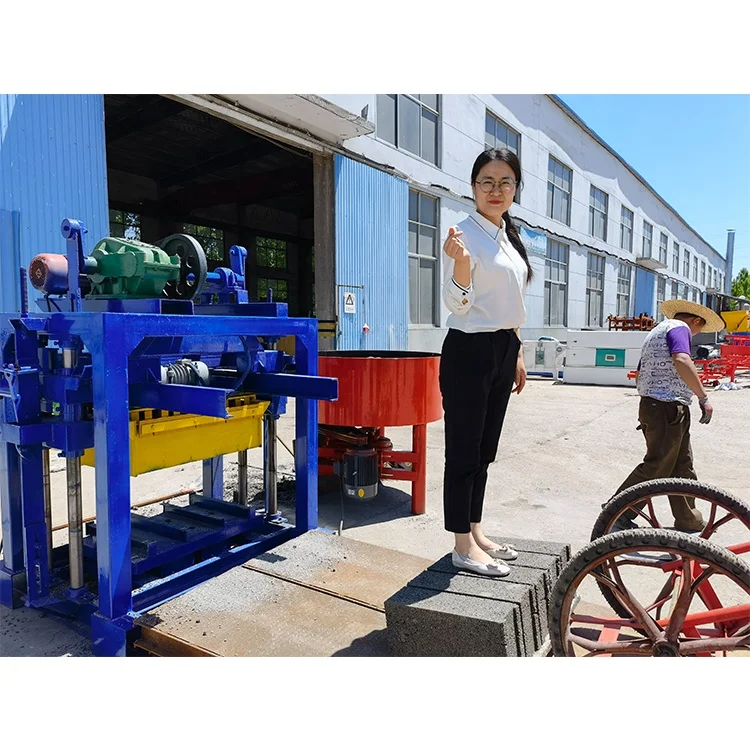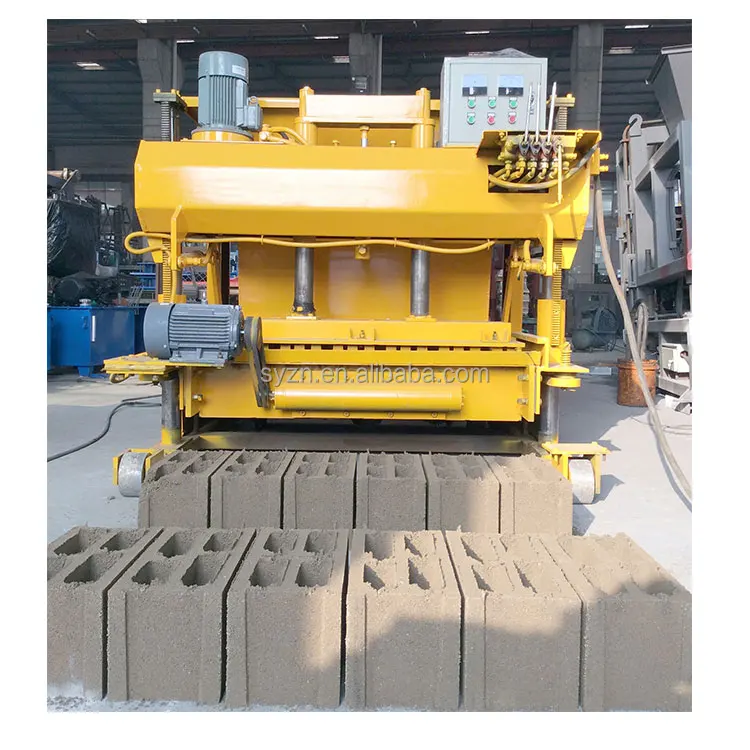
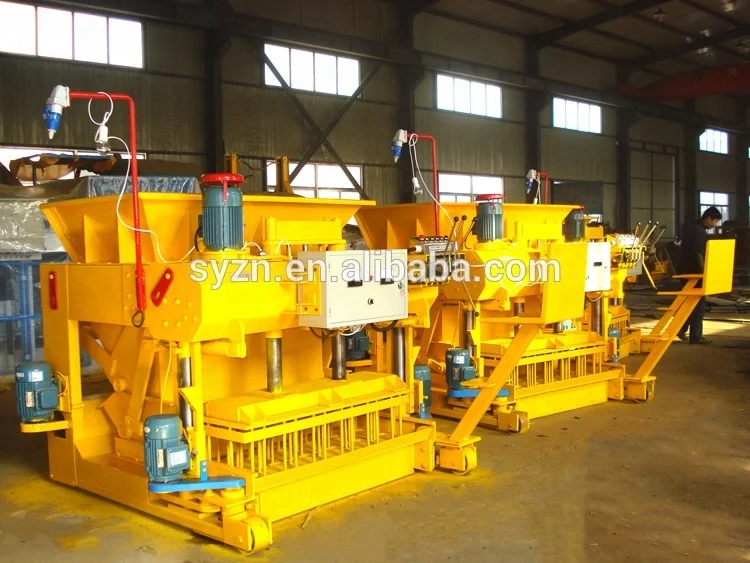
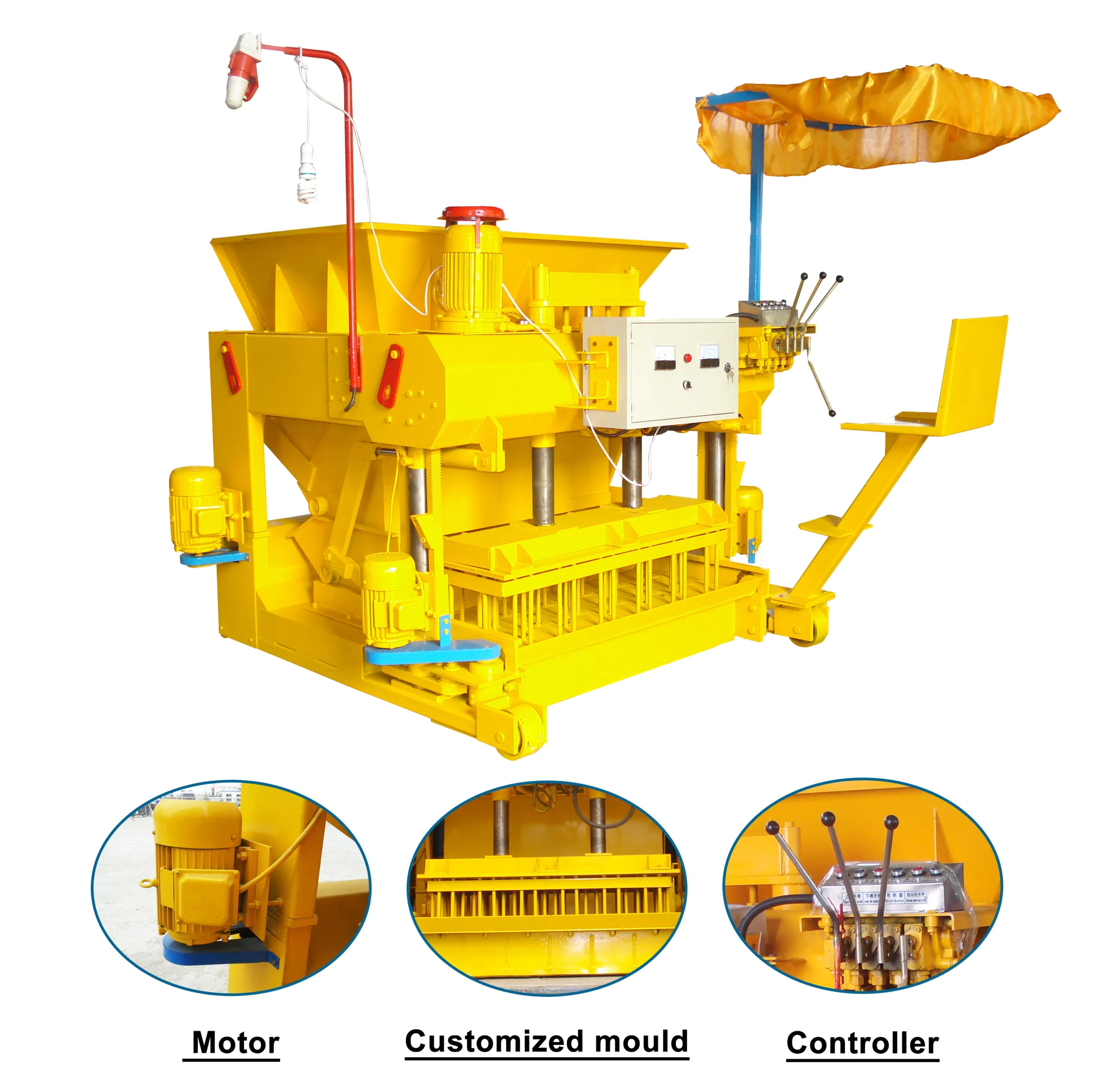
Description
Dispatch-Ready Configuration — the QMY6-25 is held in stock with voltage and control settings confirmed before crating, so it arrives at your port wired for your local grid and ready to lay blocks the same week it clears customs.
Technical Specifications
| Parameter | Value |
|---|---|
| Model | QMY6-25 |
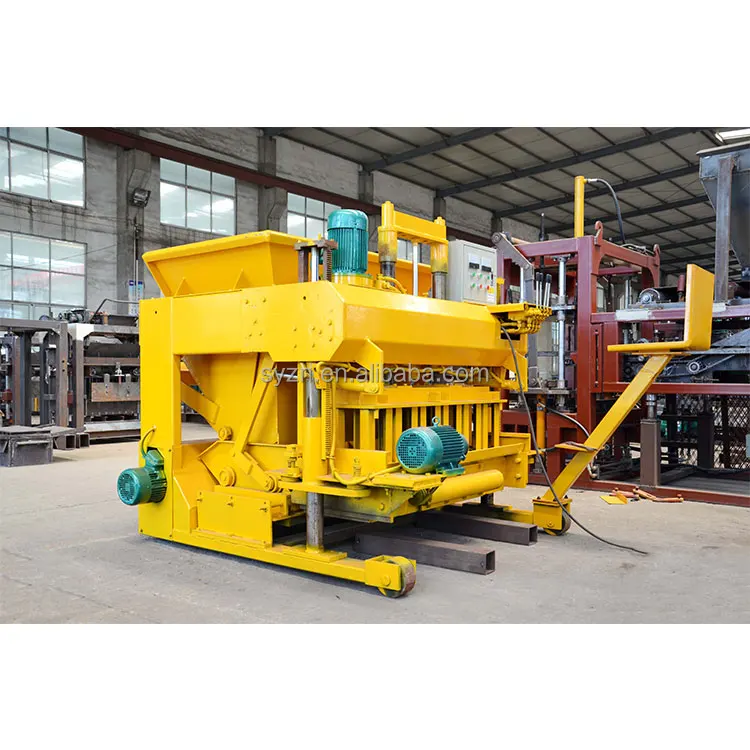
| Product Type | Mobile Concrete Block Making Machine |
| Main Vibration Form | Three-dimensional excitation |
| Overall Power | 9.6 kW |
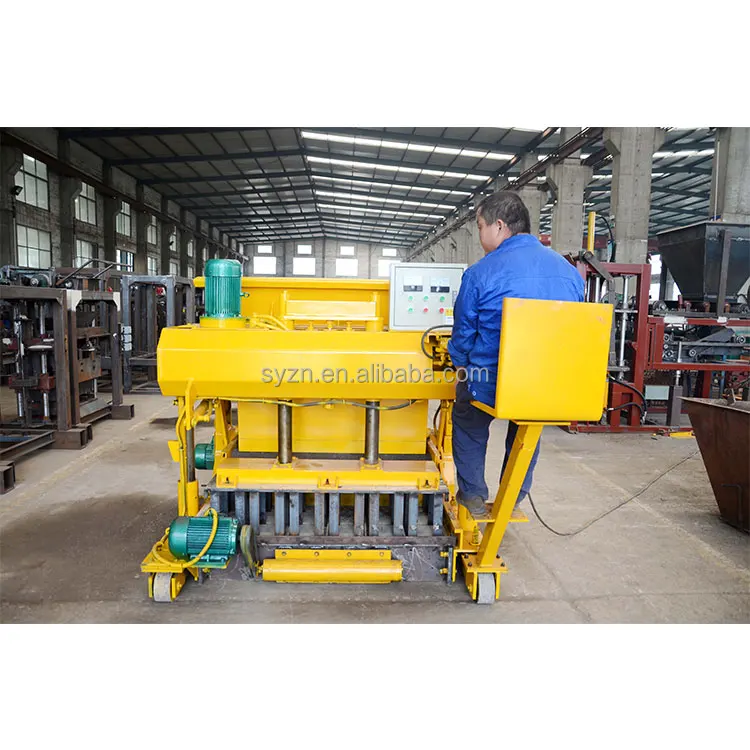
| Moving Method | Automatically move and hydraulic steering |
| Overall Dimensions | 2000 × 2100 × 1650 mm |
| Moulding Cycle | 25–30 s |
| Vibration Frequency | 3200 Hz |
| Pallet Requirement | No pallet required (egg-laying type) |
| Capacity (400×200×200 mm hollow block, 6 pcs/mould) | 1080 pcs/h |
| Capacity (400×150×200 mm hollow block, 7 pcs/mould) | 1260 pcs/h |
| Capacity (400×120×200 mm solid block, 9 pcs/mould) | 1620 pcs/h |
| Capacity (400×100×200 mm solid block, 12 pcs/mould) | 1800 pcs/h |
| Automation Level | Semi-automatic, single-operator capable |
| Power Source | Motor engine |
| Standards | CE declaration where applicable |
Application Suitability
| Application | Material or Output |
|---|---|
| On-site hollow block production | Crushed stone, sand, cement, water |
| Solid block manufacturing at building sites | Aggregate blend with cement binder |
| Small-scale project-based block plants | Local sand and gravel with Portland cement |
| Remote-site block supply for housing developments | Site-sourced aggregate matching contractor mix design |
What the Stocked Unit’s Voltage Label Must Say Before It Leaves Linyi
Confirm your site voltage and phase before the crate is nailed shut, because a motor wired for the wrong supply will sit idle until a transformer arrives.
I watched a QMY6-25 mobile block machine in stock sit on a Philippine job site for three weeks because the motor was configured for 380 V / 50 Hz while the local grid ran 220 V / 60 Hz. The contractor had paid for fast delivery and received it, yet the machine could not spin up. Voltage confirmation is the single checkpoint that separates a machine that produces blocks on arrival from one that waits for an electrical fix [NEED_CITE: voltage and frequency standards by export market].
Container Loading That Actually Fits
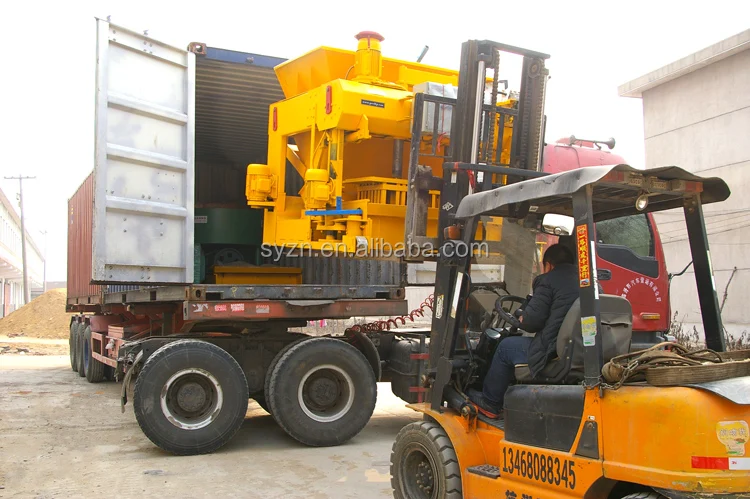
The QMY6-25 measures 2000 × 2100 × 1650 mm, a footprint that slides into a standard 20-foot container without partial dismantling of the main frame. Hydraulic steering components and the vibration assembly remain bolted in place, meaning re-assembly at destination is limited to electrical hookup and mould mounting. This mobile block machine in stock status means the loading plan is drafted before the purchase order is signed, not improvised on the warehouse floor.
Arrival Estimates You Can Build a Schedule Around
Dispatch lead time for a stocked QMY6-25 is measured in days rather than production weeks. Once voltage, frequency, and PLC display language are confirmed against the buyer’s grid specification, the unit moves to packing and container stuffing. The arrival estimate is quoted against the destination port at the time of order, giving contractors a date they can align with foundation curing or masonry crew mobilization [NEED_CITE: typical ocean freight transit windows from Qingdao to Southeast Asian and African ports].
How Vibration Frequency and Moulding Cycle Shape Block Density
Three-dimensional excitation at 3200 Hz compacts the concrete mix from multiple axes during each 25–30 second moulding cycle. For hollow blocks at 400×200×200 mm, this vibration profile must be matched to the aggregate particle size in the buyer’s local mix; oversized gravel will not consolidate evenly at this frequency, leading to weak corners. The semi-automatic cycle relies on a single operator to feed the hopper and trigger the press, keeping labour requirements low while maintaining consistent density across every block laid on the ground.
The Cost of Skipping Electrical Verification at Order Stage
When voltage and frequency are assumed rather than confirmed, the consequences arrive after the container is opened. A motor running on mismatched supply can overheat within hours, damaging windings that are not simple to rewind in a remote job-site workshop. The buyer then faces a choice between sourcing a local transformer or waiting for a replacement motor shipped from the factory, both of which push the block-laying schedule back by weeks. This is the exact failure mode that fast-delivery purchases are meant to avoid [NEED_CITE: CE machinery directive requirements for industrial equipment electrical systems].
Why Sourcing This Unit Through a Stock-and-Dispatch Operation Matters
Every QMY6-25 held in inventory has its electrical configuration logged before it is offered, so the buyer receives a machine matched to their grid rather than a default Chinese domestic specification. Moulds ship mounted or crated alongside the press, eliminating the gap between machine arrival and first production run. Packing photographs are shared before the container seal is applied, giving the buyer visual confirmation of loading condition. Customs documentation is prepared in parallel with crating, preventing paperwork delays at the port of export. The focus stays on speed and condition, not on negotiating a production slot [NEED_CITE: export documentation requirements for concrete block machinery].
Documentation & Verification
- Factory test record running the buyer’s specified block format before crating
- Voltage and frequency confirmation sheet signed against destination grid data
- Packing photographs showing container loading and bracing before seal
- Hydraulic and electrical schematic matching the as-shipped configuration
- Operation manual in the buyer’s confirmed language
Installation, Commissioning & Support
- Ground must be level and compacted; no fixed foundation needed for the 2000 × 2100 mm footprint
- Dedicated 9.6 kW circuit with breaker rating matching confirmed voltage and phase
- Machine arrives assembled; only mould mounting and electrical connection required on site
- First-run cycle test with local aggregate to verify 25–30 s moulding timing
- Operator trained on hydraulic steering controls and hopper feed sequence
- Wear parts list supplied with mould and vibration pad replacement intervals
What We Need From You to Release the Machine
To move a stocked QMY6-25 from warehouse to container, the essential details are destination port, local voltage and phase configuration, and the block format the project requires. Share the mix design or local aggregate description so the vibration setting can be verified against your material before dispatch.
Frequently Asked Questions
Q: Is the QMY6-25 currently in stock, and what is the dispatch lead time?
A: Yes, units are held in ready-to-ship inventory. Once voltage, frequency, and block format are confirmed, dispatch typically follows within days rather than weeks. The exact lead time is quoted against your destination port at the time of order, accounting for container availability and sailing schedule.
Q: How is the machine packed for container loading, and can it be dismantled?
A: The QMY6-25 fits a standard 20-foot container with the main frame intact. Hydraulic steering and vibration assemblies stay bolted in place. Only the mould and hopper guard may be detached for space optimization. Packing photographs are provided before the container is sealed.
Q: What arrival timeline can I expect from order to port of destination?
A: Transit time depends on the shipping lane from the port of export to your destination. An arrival estimate is quoted at order confirmation based on current sailing schedules. This allows you to align block production start dates with your construction timeline.
Q: Which block formats and moulds ship together with the machine from stock?
A: Standard stocked moulds cover 400×200×200 mm hollow and 400×120×200 mm solid formats. Additional mould sizes can be included if they are in current inventory. Confirm your required format at inquiry so the matching mould is reserved and loaded with the machine.
Q: What voltage and frequency is the stocked unit configured for?
A: Stocked units are not locked to a single voltage. Before dispatch, the motor and control panel are matched to the buyer’s confirmed local supply. This verification step is completed before crating to prevent on-site electrical mismatches.