
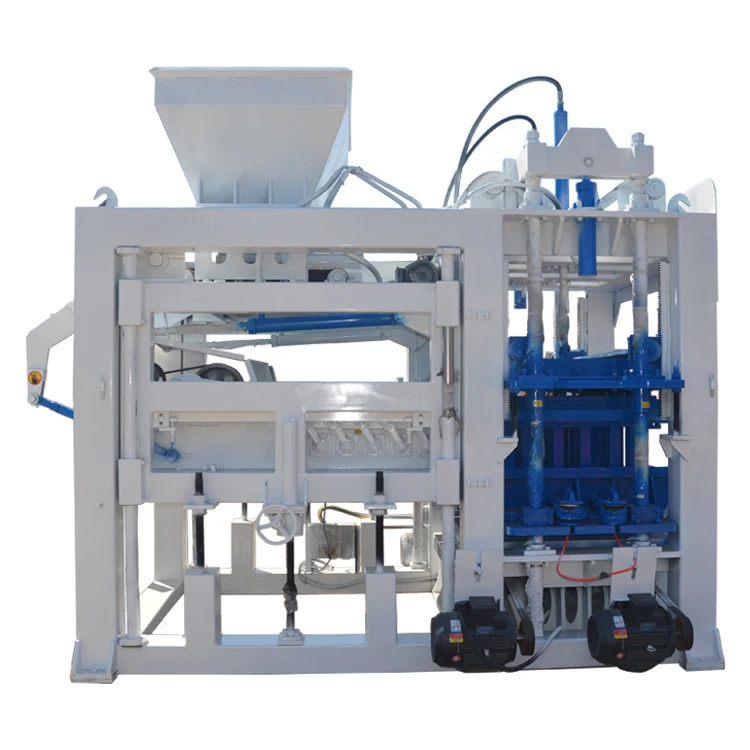
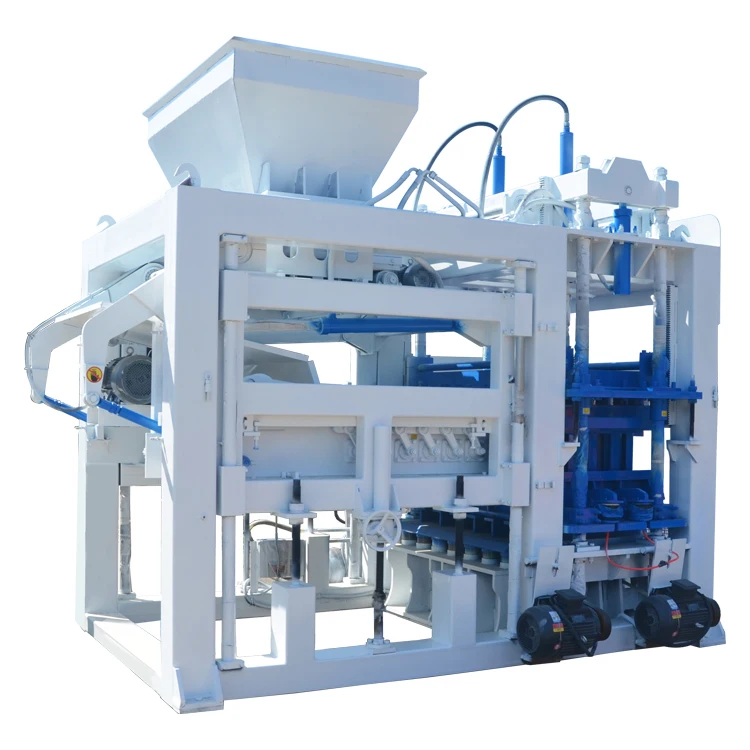
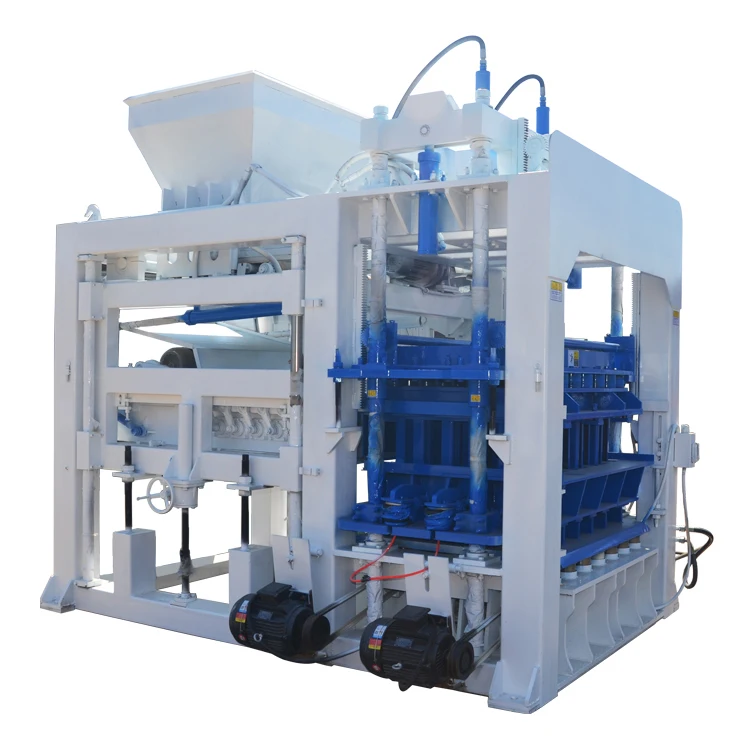
Description
Dispatch readiness verified — QT10-15 machines and standard moulds held at our Linyi warehouse, container loading plans confirmed before payment balance so freight forwarders book space without delay.
Technical Specifications
| Parameter | Value |
|---|---|
| Model | QT10-15 |
| Product Type | Hydraulic Concrete Block Making Machine |
| Moulding Cycle | 15-20s for hollow blocks (basis to be confirmed by format and mix); 20-25s for pavers (basis to be confirmed by format and mix) |
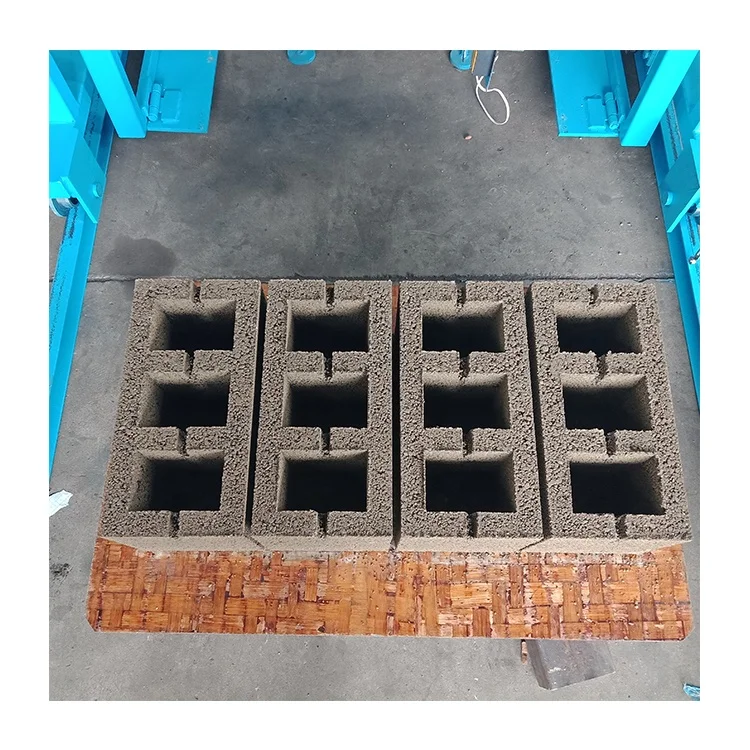
| Output Capacity | 1800-2400 pcs/hour based on 400x200x200mm hollow block, 10 pcs/mould |
| Daily Output (8hr) | 14400-19200 pcs based on 400x200x200mm hollow block |
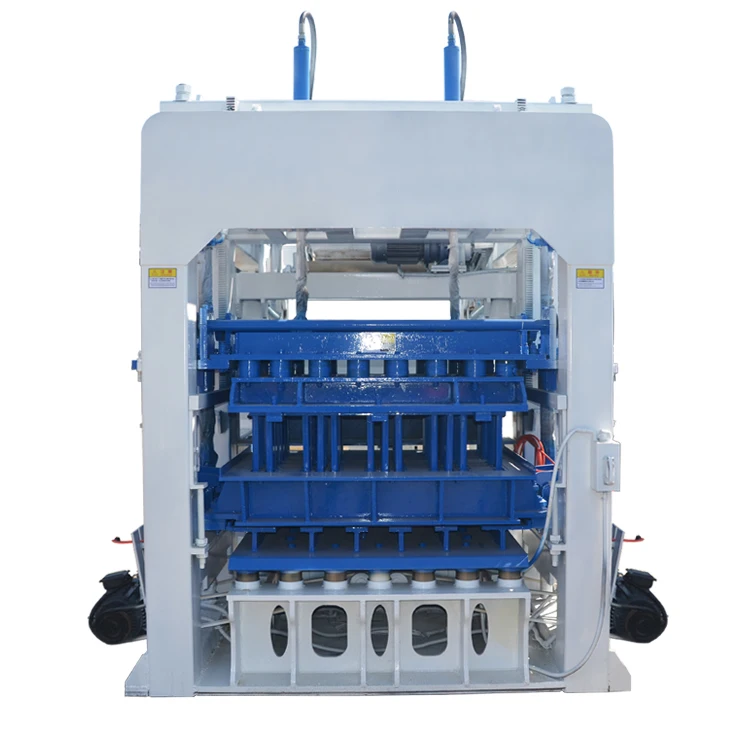
| Hydraulic System | Independent integrated hydraulic station |
| Control System | PLC control cabinet |
| Vibration Mode | Vertical station mode resonance, automatic FM-AM |
| Mould Change | Simple mould replacement for multi-format production |
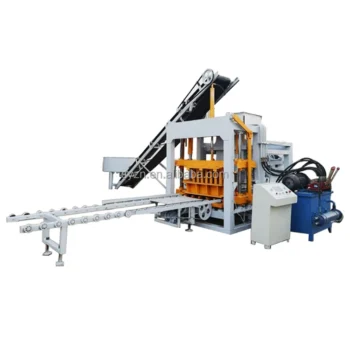
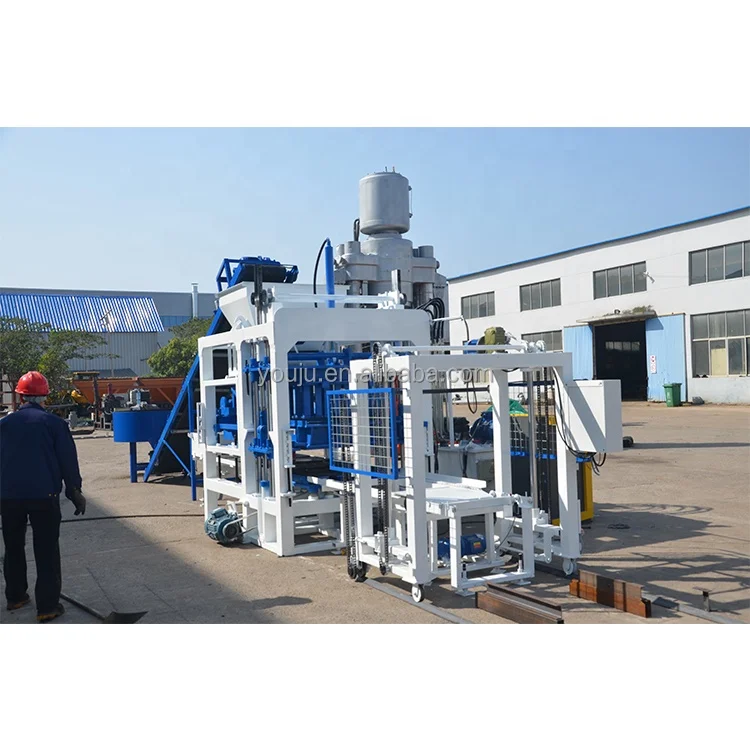
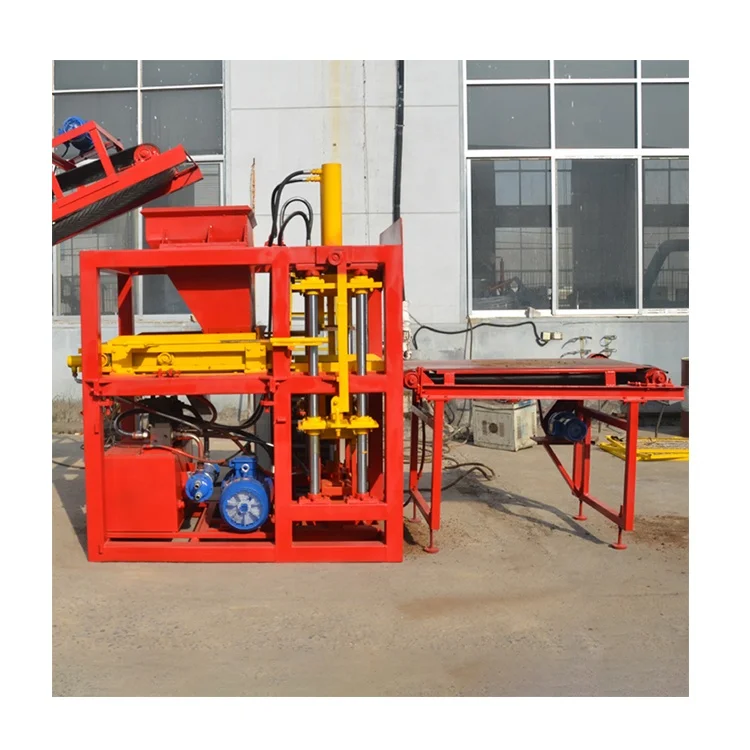
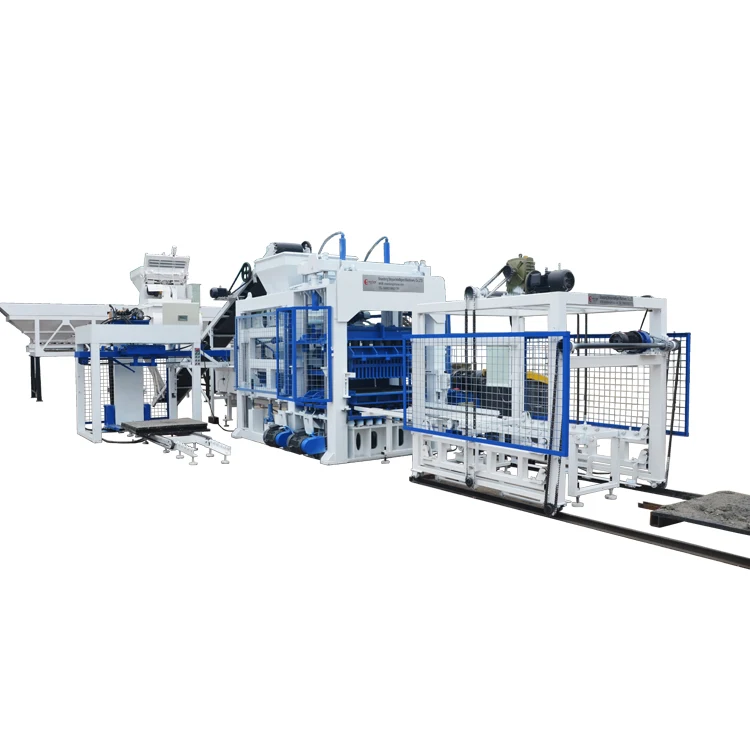
| Line Components | Pallet feed machine, block making machine, storage hopper, conveyor, hydraulic unit, PLC control cabinet |
| Voltage & Frequency | Configurable to destination standard (must be confirmed before dispatch) |
| Pallet Size | Configurable to curing area and forklift (must be confirmed against site conditions) |
| Warranty | 1 year (excluding spare parts) |
Application Suitability
| Application | Material or Output |
|---|---|
| Hollow block production | Crushed stone, cement, sand, aggregate — standard 400x200x200mm and 400x150x200mm formats |
| Solid and multicellular brick | Cement and fine aggregate blends — 240x115x53mm standard brick format |
| Paving block and interlocking brick | High-density concrete mix with pigment — 200x100x60mm and 225×112.5x60mm formats |
| Kerbstone and porous brick | Specialty aggregate and permeable mix designs via custom mould change |
Why the Voltage Question Comes Before the Price for a QT10-15 Block Machine in Stock Fast Delivery
An unmatched voltage rating turns a fast dispatch into a three-week on-site delay.
I spent years installing hydraulic block presses across West Africa and South Asia, and the pattern repeats: a machine arrives on schedule, the electrician connects the main motor, and the breaker trips immediately because the factory shipped 380V to a 415V site. The transformer retrofit stalls commissioning while the construction contractor loses block supply to competitors. For buyers sourcing a QT10-15 block machine in stock fast delivery, voltage and frequency confirmation must sit in the quotation before the lead time is locked [NEED_CITE: voltage and frequency standards by export market].
Stock Dispatch With a Locked Container Loading Scheme
The QT10-15 block machine in stock fast delivery advantage only holds when the loading plan is settled before balance payment. Our Linyi warehouse holds standard QT10-15 configurations and matched mould sets ready for dismantling, meaning the freight forwarder receives the container count and machine breakdown drawing the same week the order is confirmed. Buyers working against a project milestone can share this loading scheme with their shipping agent without waiting for production to finish.
Arrival Timeline Quoted Against the Destination Port
Dispatch speed means little if ocean transit and customs clearance remain unquoted. For each QT10-15 block machine in stock fast delivery order, we provide an estimated arrival window based on the destination port, along with the full customs documentation package. This allows project contractors and building material distributors to plan the installation crew and curing area before the container clears the terminal [NEED_CITE: typical ocean freight transit windows from Qingdao port].
How the Hydraulic and Vibration Systems Shape Block Density
The independent integrated hydraulic station sits isolated from host vibration and dust, which keeps pressure stable across long production runs where hollow block walls must hold consistent thickness. Vertical station mode resonance with automatic FM-AM adjusts vibration frequency and amplitude to match the format, so a 200x100x60mm paving block receives higher compaction force than a 400x200x200mm hollow block. This format-adapted compaction is what separates a block that passes a compression test from one that chips during pallet handling. Pallet size must match both the machine feed mechanism and the curing racks already on site; a mismatch forces manual restacking before the blocks even enter the curing zone.
The Hidden Cost of Skipping Pallet and Line Configuration
Quotations that list only the press leave buyers stacking fresh blocks by hand the week the machine arrives. Without pallet feed, conveyor, and storage hopper specified as a matched line, the QT10-15 sits idle while workers move output manually, and the cycle time advantage disappears entirely. Mould change designed for quick swap between hollow block and paving block formats only delivers flexibility when the full line can keep pace [NEED_CITE: block plant line synchronization requirements].
Why Buyers Source This Machine Through Our Linyi Operation
Block machinery is our single focus, so the QT10-15 press, moulds, pallets, and handling equipment are specified as one matched system rather than assembled from separate suppliers. Configuration is set against the buyer’s actual mix design and local aggregate, not a catalogue default. Mould design covers the formats the buyer’s market sells, with custom drawings available when standard formats fall short. Automation level is selectable, allowing a buyer to start with semi-automatic pallet handling and add stacking later. Installation and commissioning support includes operator training so the crew runs the machine independently before the technician leaves site.
Documentation & Verification
- Line layout and capacity calculation stating the hollow block format assumed
- Factory test record on buyer’s specified pallet size before dispatch
- Voltage and control language confirmation signed before container loading
- Mould drawing and format list matching the quotation scope
- Hydraulic and electrical schematic for on-site troubleshooting
- CE declaration included where applicable per destination requirements
Installation, Commissioning & Support
- Foundation plan matched to QT10-15 vibration load and hydraulic station footprint
- Dedicated power circuit sized for independent hydraulic station and PLC cabinet draw
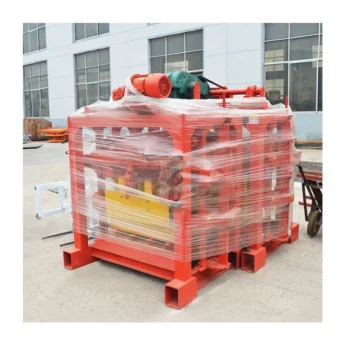
- Machine dismantling scheme provided so reassembly sequence is clear on arrival
- PLC display language set to operator preference before commissioning begins
- Mould change procedure trained on-site using buyer’s first production format
- Wear parts and hydraulic seal list handed over with recommended reorder intervals
What to Share When Requesting a Dispatch Quote
Send the target block format, daily output requirement, and local aggregate description so the capacity calculation reflects actual production conditions. Confirm the site voltage, frequency, and preferred PLC display language to eliminate commissioning delays after arrival. Provide the curing area dimensions and existing forklift specification so pallet size and stacking configuration match the facility on day one.
Frequently Asked Questions
Q: Which QT10-15 models and moulds are currently in stock and what is the dispatch lead time?
A: Standard QT10-15 configurations paired with hollow block and paving block mould sets are held in our Linyi warehouse for immediate allocation. Once voltage, frequency, and pallet size are confirmed, the machine is dismantled and container-loaded within a short dispatch window, allowing freight forwarders to book space without production-related delays.
Q: How is the machine dismantled and loaded into containers, and how many containers are needed?
A: The QT10-15 is broken down into main press, hydraulic station, PLC cabinet, pallet feeder, and conveyor sections. A detailed dismantling and loading scheme is provided before balance payment so the buyer’s shipping agent can confirm container count and type. Standard configurations typically require multiple flat-rack or open-top units depending on mould and pallet quantity.
Q: What is the estimated arrival time at my destination port after dispatch?
A: Arrival estimates are quoted against the specific destination port at the quotation stage, factoring in ocean transit from the loading port. This allows project contractors and distributors to plan installation crews and curing area preparation before the container reaches the terminal.
Q: Are voltage, frequency and PLC language confirmed before the machine leaves the factory?
A: Yes. A written voltage and frequency confirmation, along with PLC display language selection, is signed off before dispatch. This prevents the on-site transformer retrofit and commissioning delays that commonly occur when electrical specifications are left to assumption.
Q: What customs documentation is provided to support clearance at destination?
A: Each shipment includes the commercial invoice, packing list, bill of lading, and certificate of origin. Where required by the destination market, a CE declaration is included. This documentation package supports smooth customs clearance so the machine moves from port to site without administrative hold-ups.